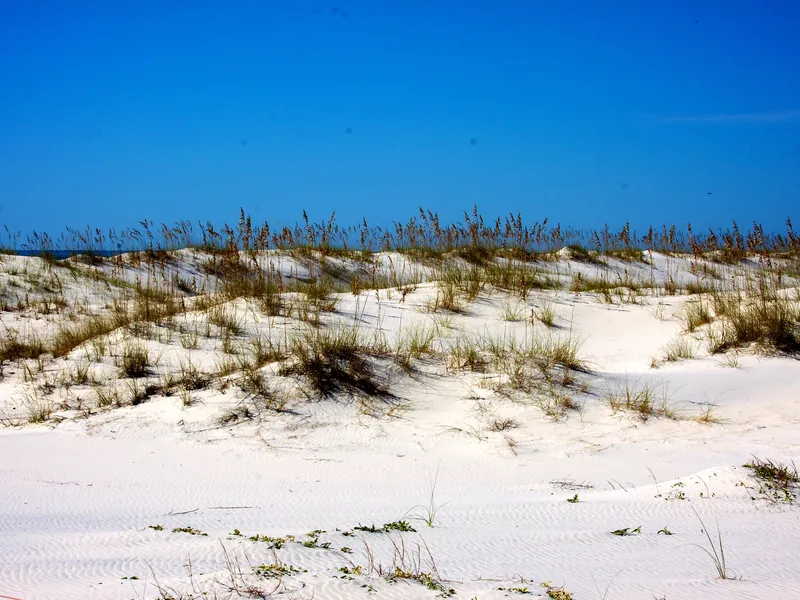
Alabama
Gulf Shores
White quartz sand, condo towers and a state park behind them
- Suggested stay
- 4–7 days
- Best for ages
- 2+
North America · 50 destinations
The United States is less a destination than a continent with one passport, and the single most useful thing to accept early is that it cannot be seen in one trip. A family flying in for two weeks is choosing one region — New England in autumn, the Utah parks in spring, Florida in winter — not a country. The practical advantages are real: almost everything is set up for children, portions and hotel rooms are large, family rooms genuinely sleep four, and English removes the friction that tires parents out elsewhere. The costs sit on the other side of the ledger. Distances are long enough that a hire car is usually the trip rather than an add-on, internal flights are often unavoidable, tipping and taxes add roughly a fifth to the advertised price of everything, and healthcare is charged at rates that make travel insurance non-optional rather than prudent. Judged region by region rather than as a whole, it is one of the easiest places in the catalog to travel with children.
Suits up to 16
Higher-end
Sixty-three of them, most with paved overlooks, junior ranger programmes and short loop trails that work with small children.
High chairs, changing tables, kids' menus and family bathrooms are assumed everywhere, not requested as a favour.
Pharmacies, supermarkets and diners open early and late, which absorbs jet lag and early-waking children.
Roads are wide, fuel is cheap by European standards, and automatic transmission is standard rather than a surcharge.
The country is wide enough that a good trip exists in January and in July — just not in the same state.
Alabama
White quartz sand, condo towers and a state park behind them
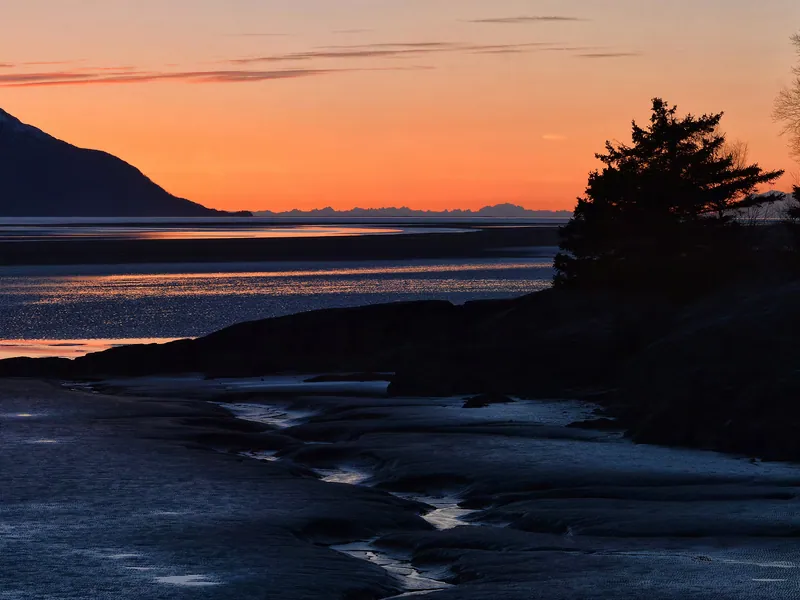
Alaska
A short season, enormous distances and no darkness in June
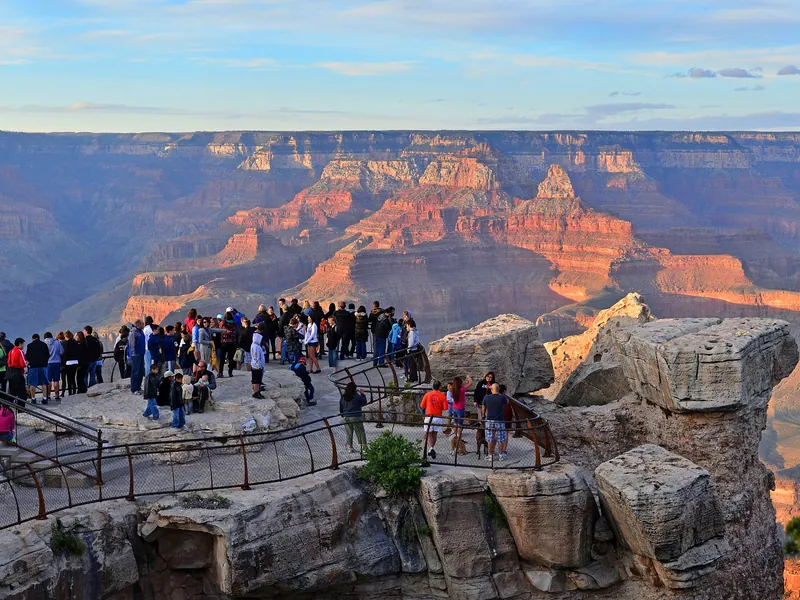
Arizona
A mile-deep canyon, unfenced edges and a very good free bus

Arkansas
A national park down the middle of a spa town
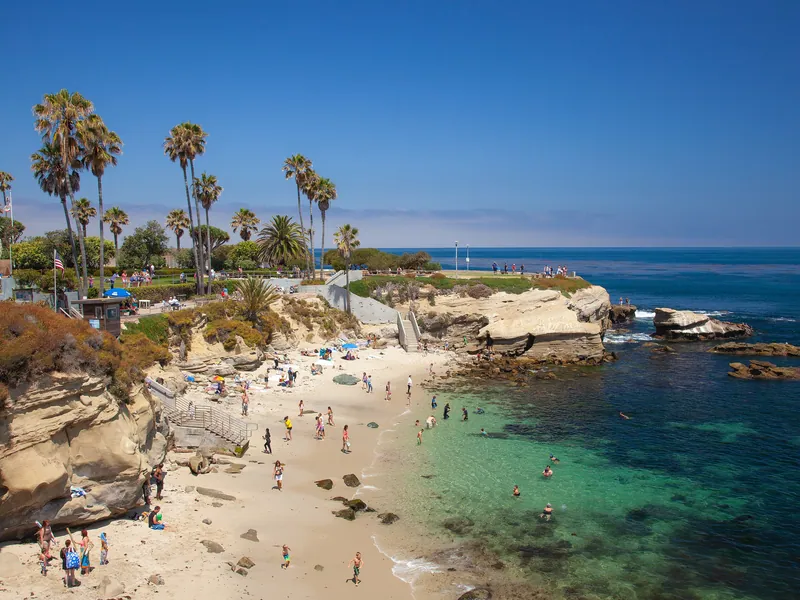
California
Mild all year, two kinds of beach and a park you cannot finish
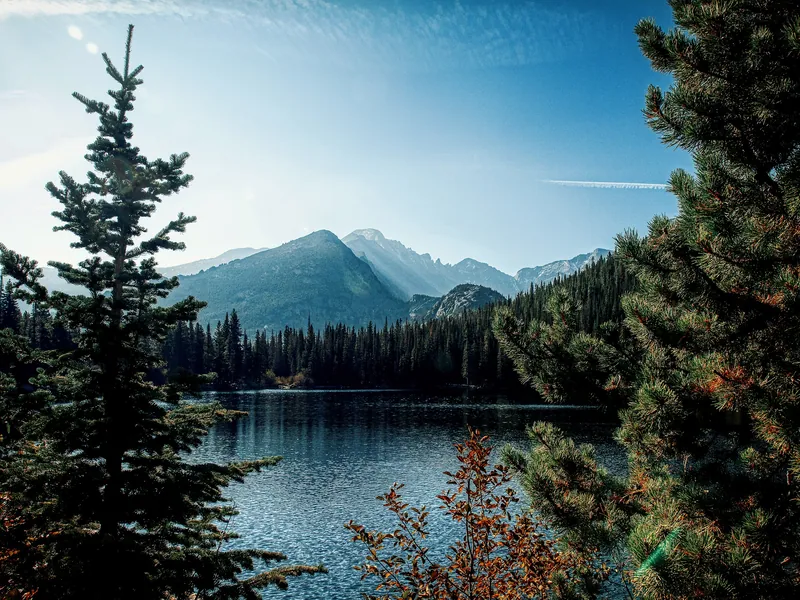
Colorado
The front door to Rocky Mountain National Park — and real altitude
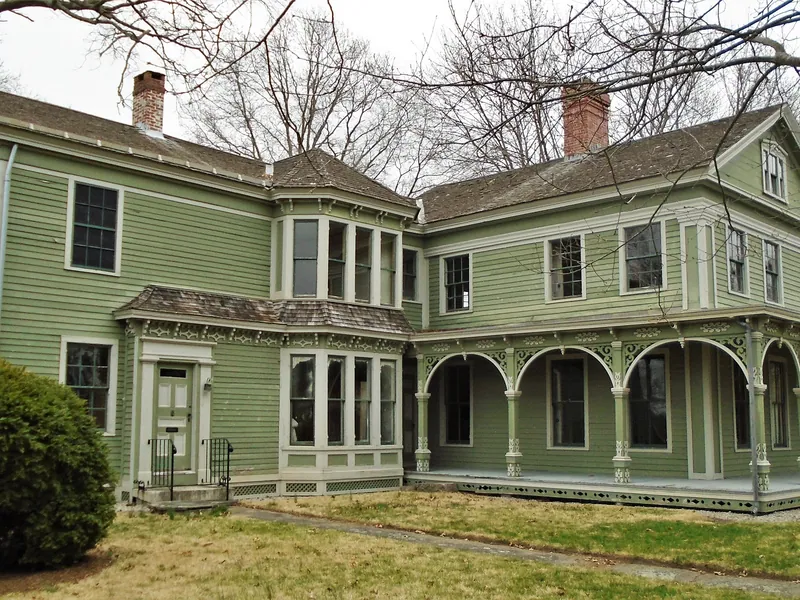
Connecticut
A maritime village with a working shipyard and an aquarium

Delaware
A boardwalk, a small fairground and the Atlantic

Florida
The theme-park capital, plus springs and a launch site
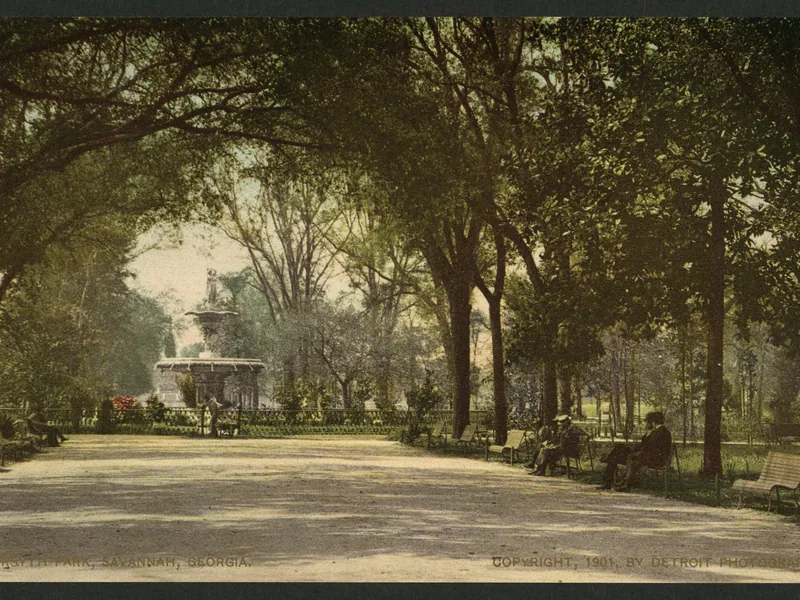
Georgia
Squares under live oaks, and a beach half an hour east
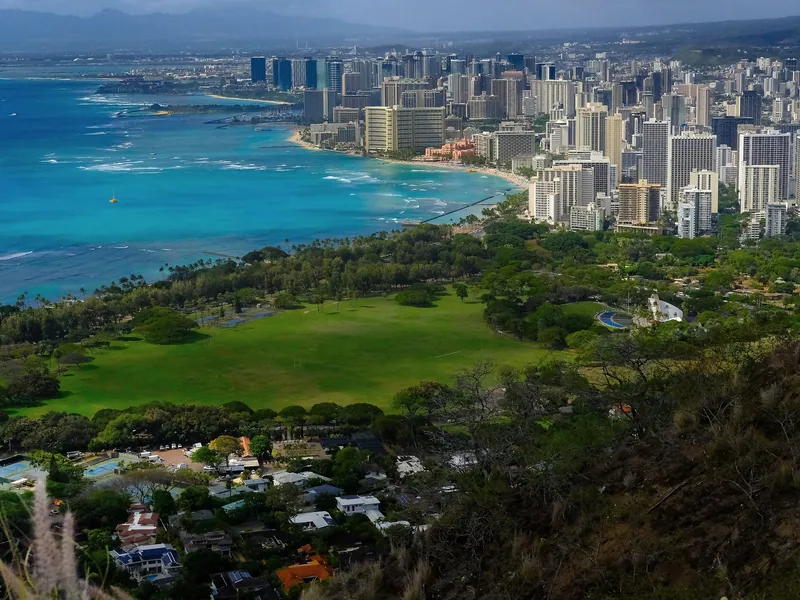
Hawaii
Sheltered lagoons, dangerous surf and a memorial that is a grave
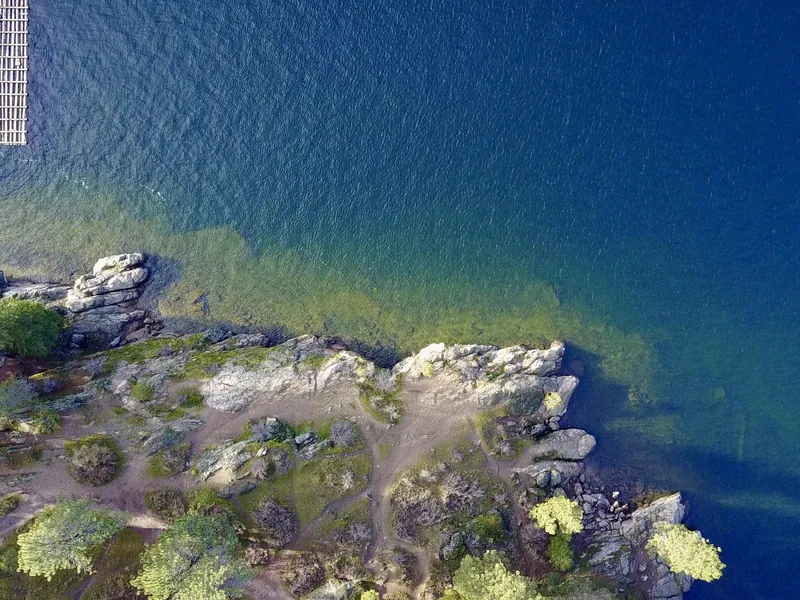
Idaho
A swimmable lake, a theme park and a tunnel you cycle through
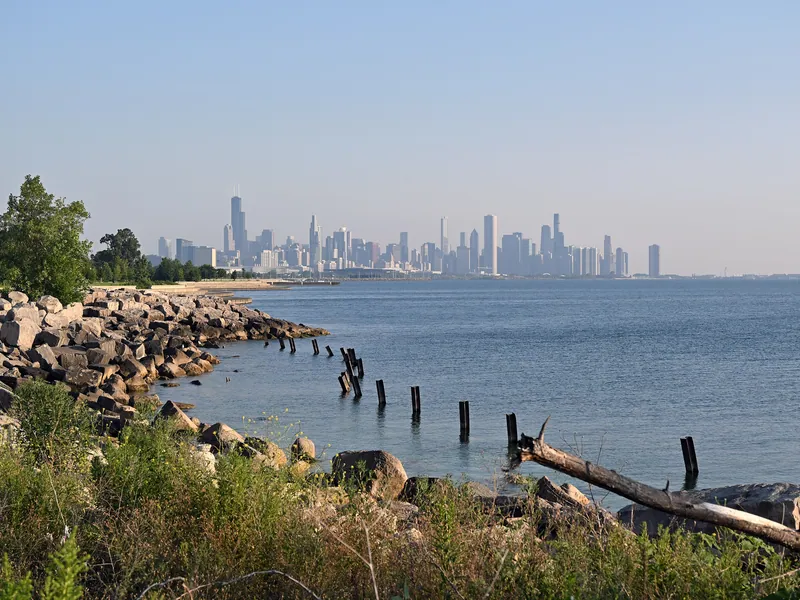
Illinois
World-class museums, a lakefront and a real metro

Indiana
The children's museum city, at Midwest prices

Iowa
A small, low-stress capital — and the state fair in August
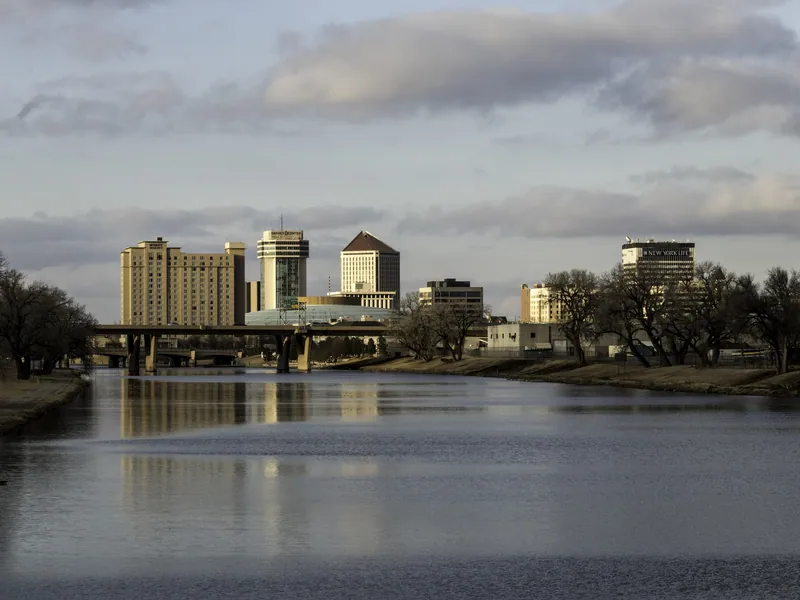
Kansas
A river city with a large zoo, a science centre and aircraft history
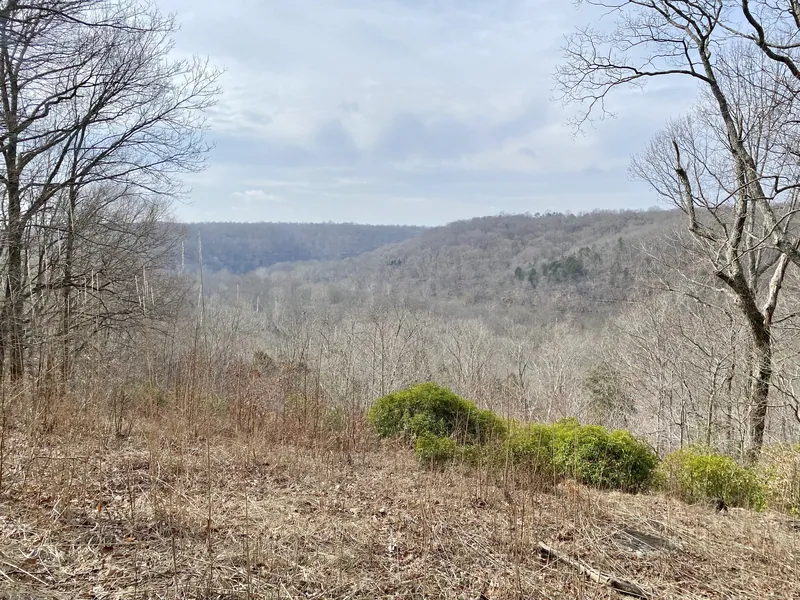
Kentucky
The longest cave on earth, under a quiet river valley

Louisiana
Streetcars, City Park & a city that explains itself honestly
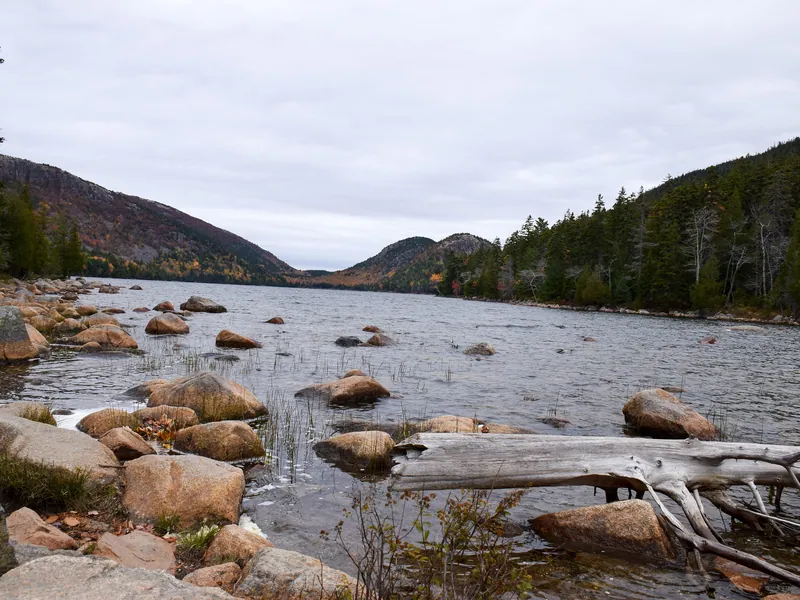
Maine
The gateway town to Acadia — granite coast, carriage roads, cold sea

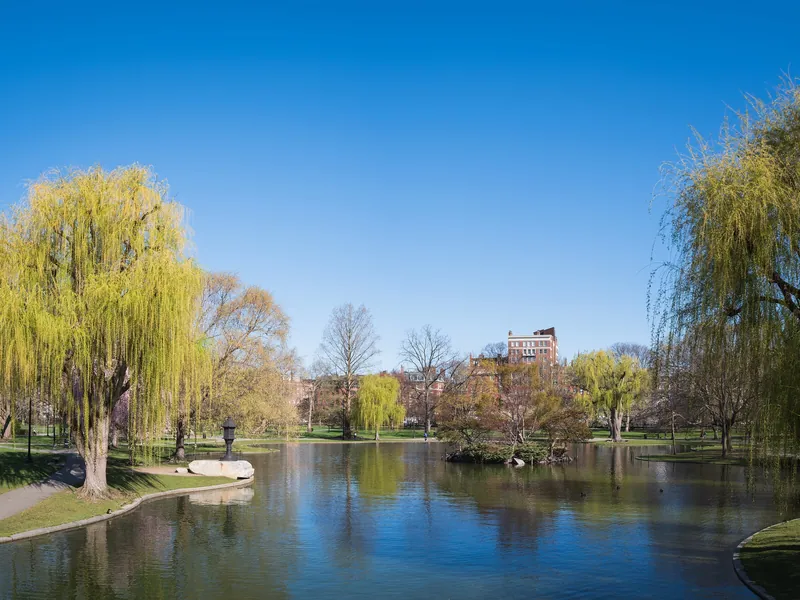
Massachusetts
A walkable old city with a subway and three serious museums
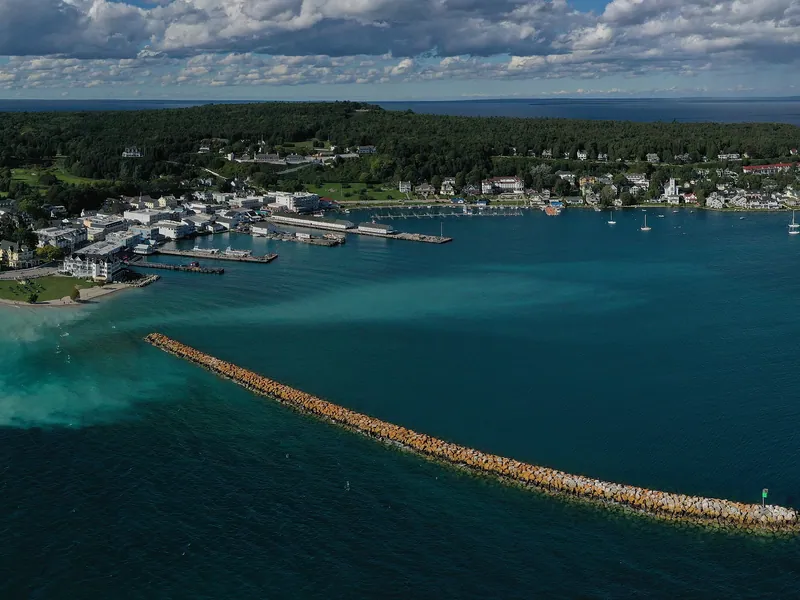
Michigan
No cars at all — bicycles, horses and a ferry
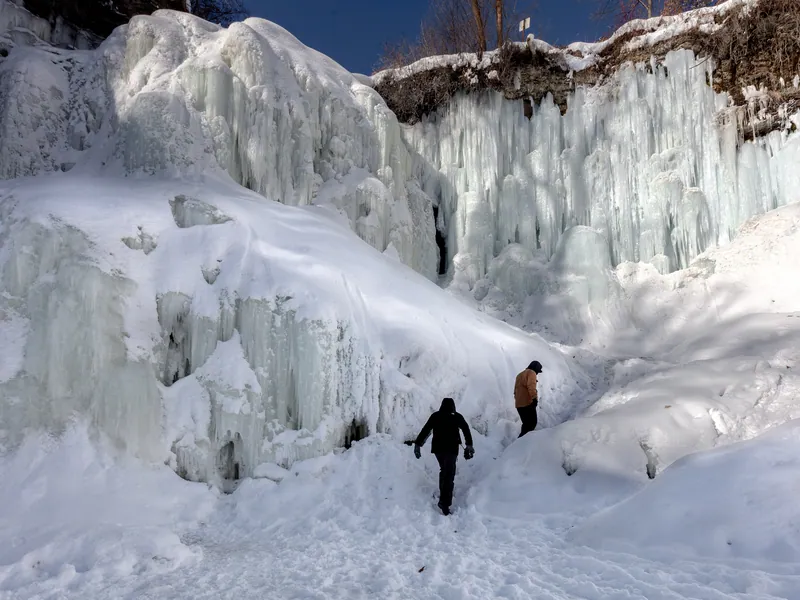
Minnesota
Lakes in summer, skyways in winter, a theme park in a shopping mall
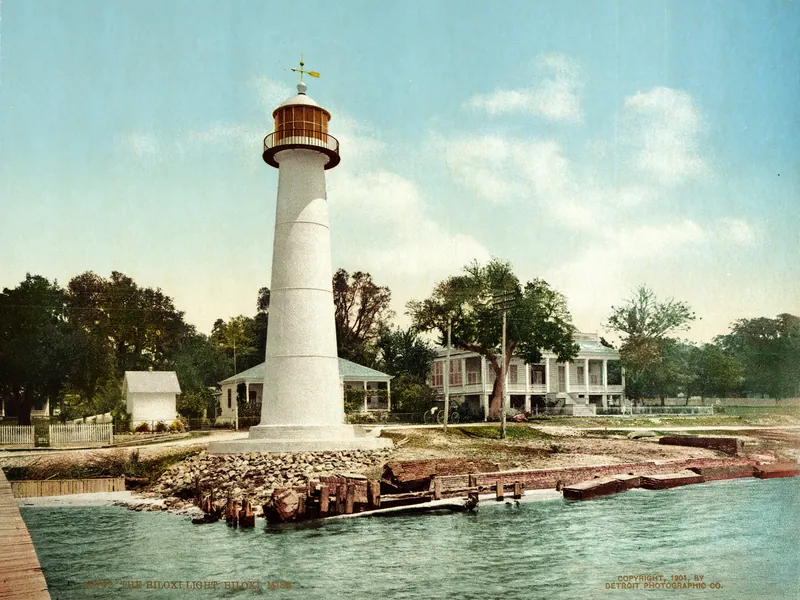
Mississippi
Bath-warm shallow water, barrier islands and a casino waterfront
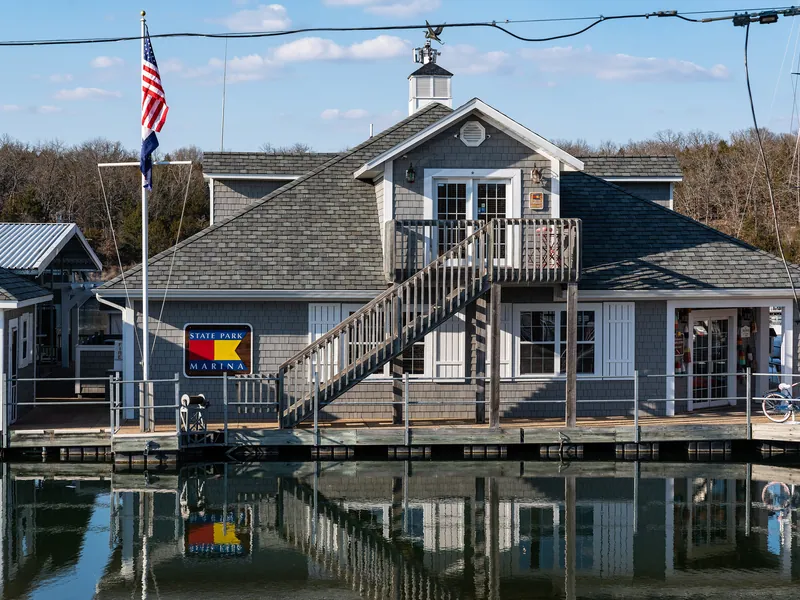
Missouri
A live-show town in the Ozarks, with a theme park and two lakes
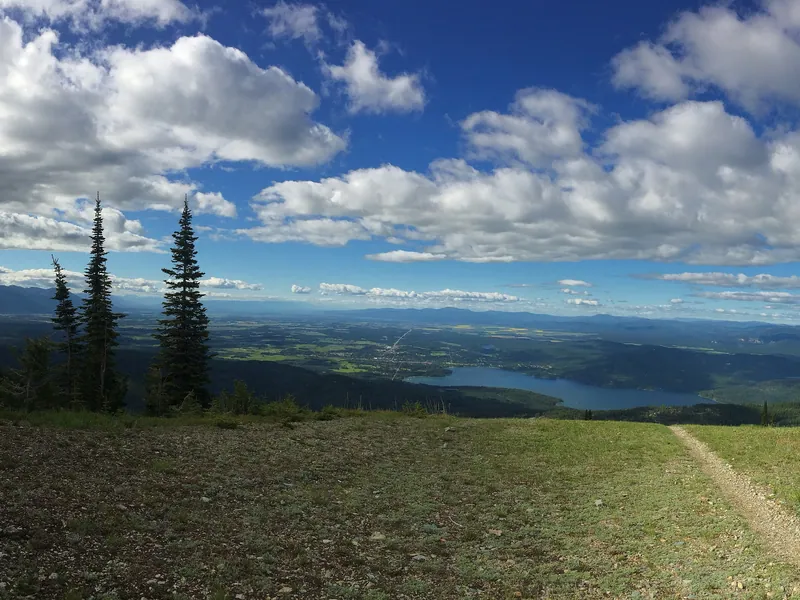
Montana
A lake town at the gate of Glacier National Park
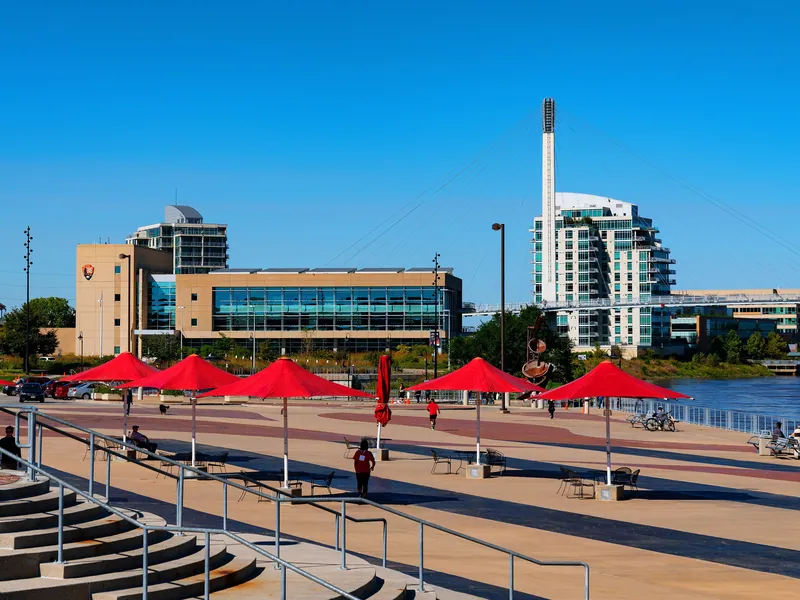
Nebraska
A zoo worth the trip, a riverfront and a brick old town

Nevada
Resort pools and desert day trips, around a city built for adults
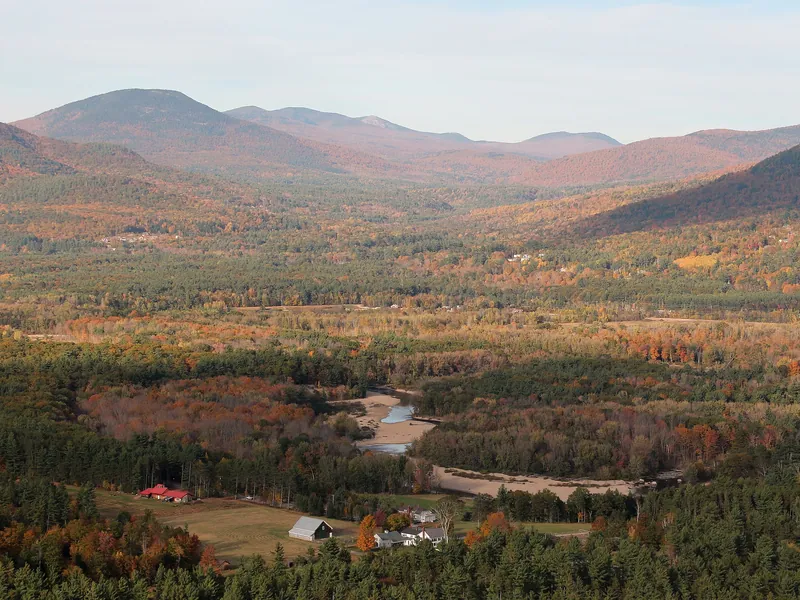
New Hampshire
White Mountain base with a theme park, a steam train and a notch road
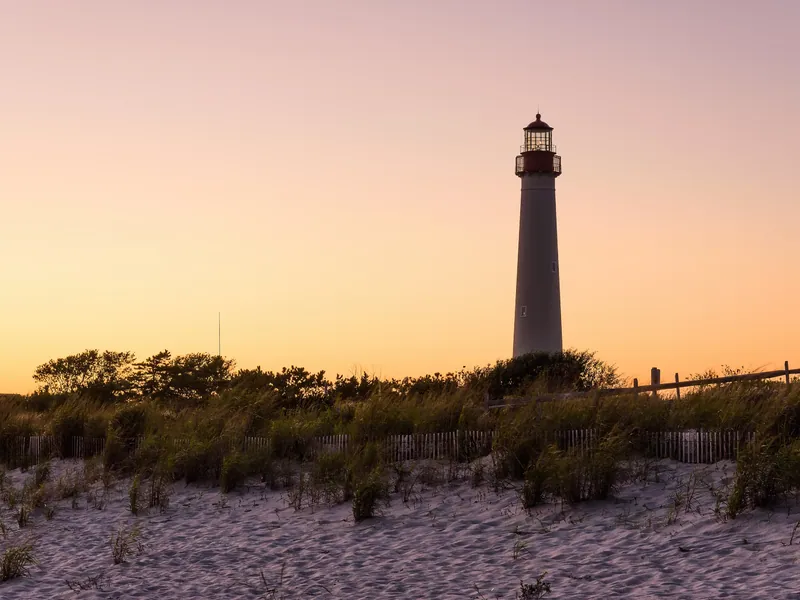
New Jersey
A Victorian beach town that closes for the winter
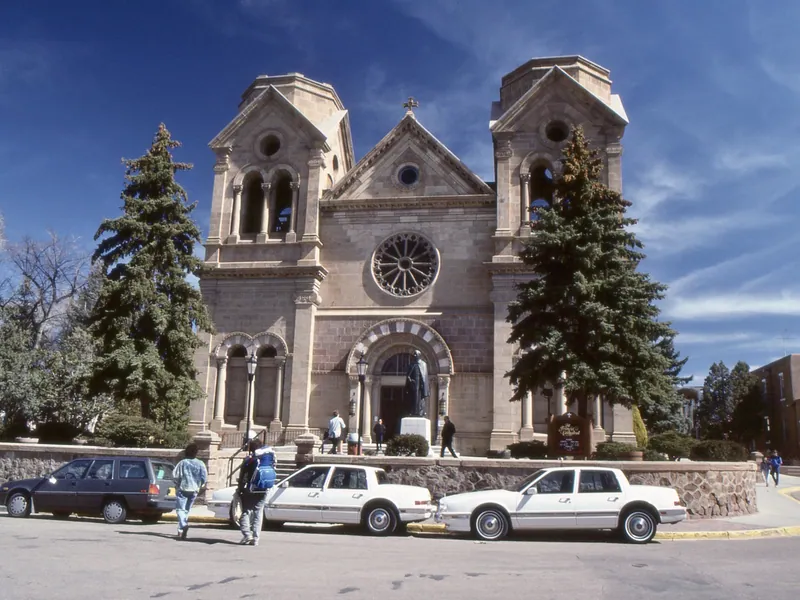
New Mexico
Adobe streets, an immersive art house and high-desert light
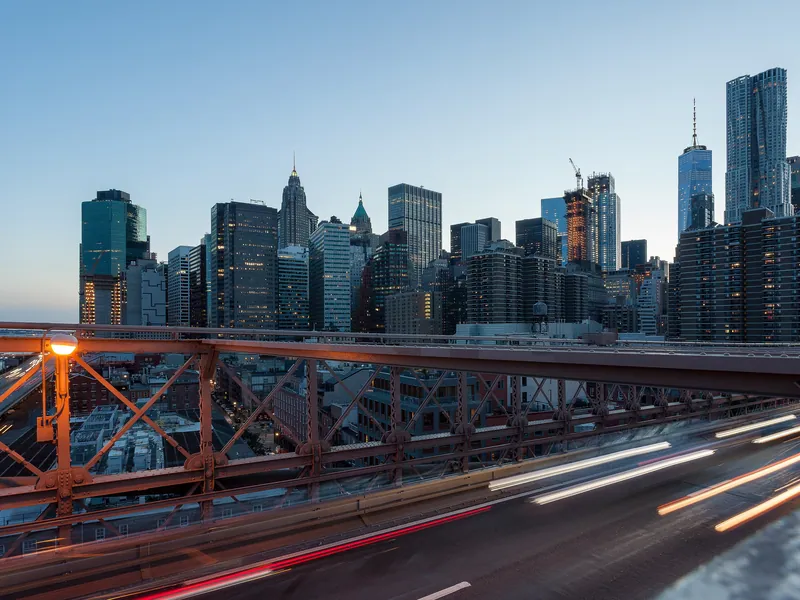
New York
Dense, walkable, 24-hour — and mostly not step-free

North Carolina
Mountain air, waterfalls and a very large house
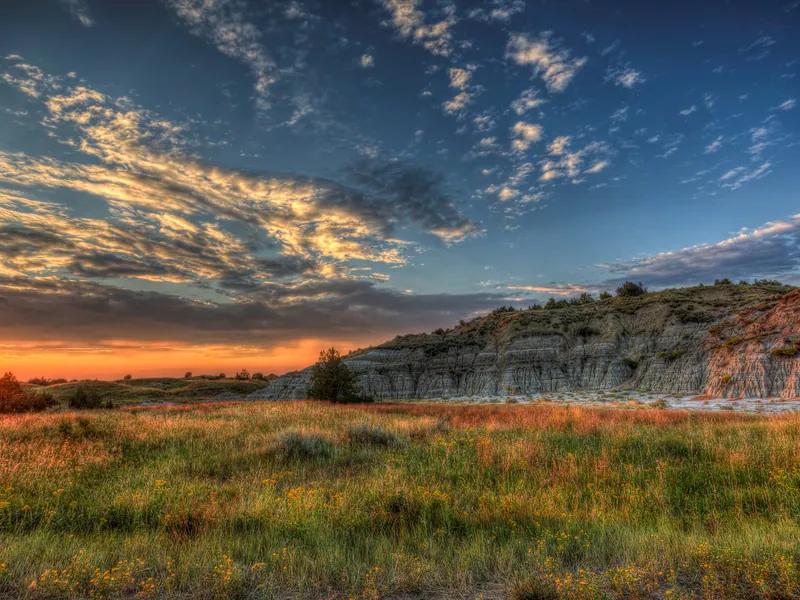
North Dakota
A summer-only village at the gate of the badlands
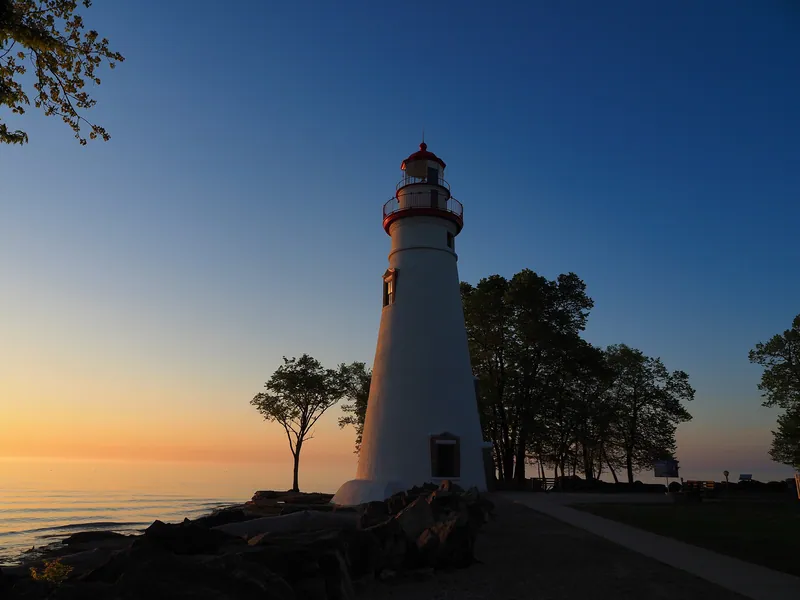
Ohio
A coaster peninsula on Lake Erie, open May to November

Oklahoma
A canal, a cluster of museums & short drives between them
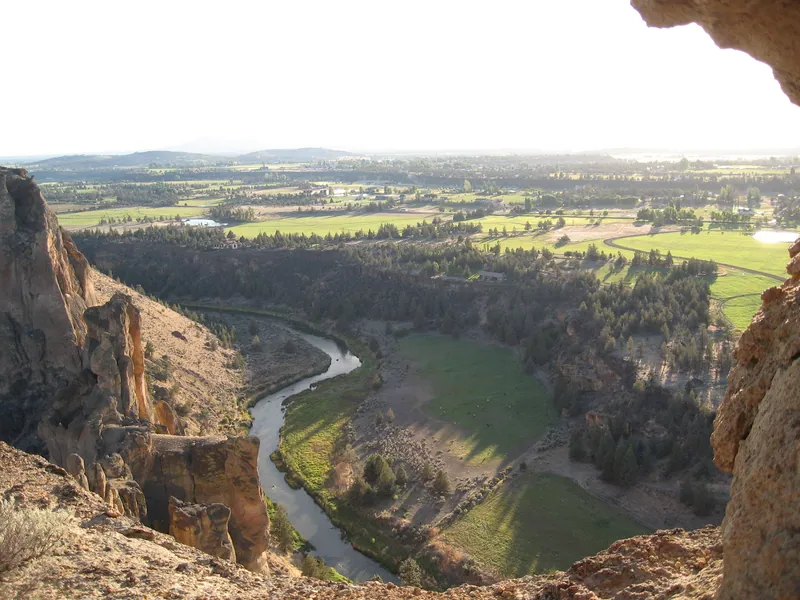
Oregon
High-desert volcanoes, a river through town and two separate seasons

Pennsylvania
Founding history, flat streets and hands-on museums
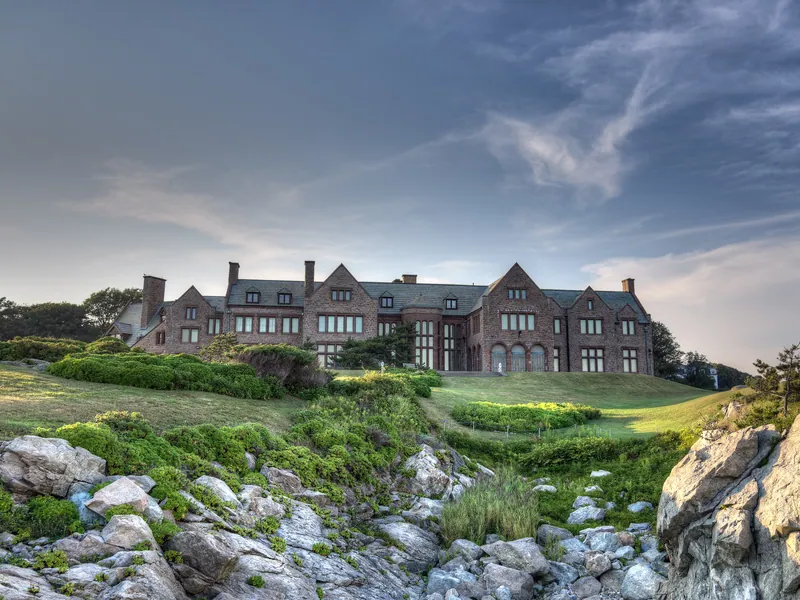
Rhode Island
Gilded Age mansions, a clifftop path and a short beach season
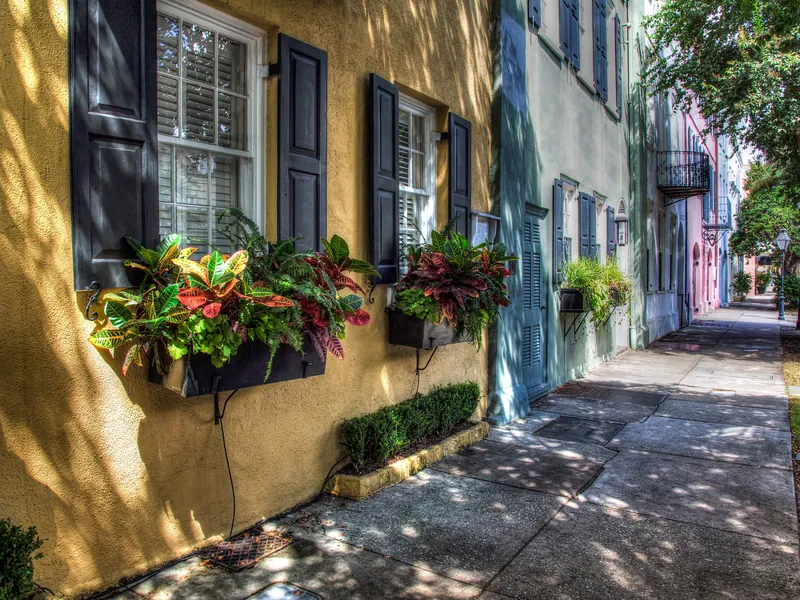
South Carolina
A flat, walkable peninsula that tells its own history
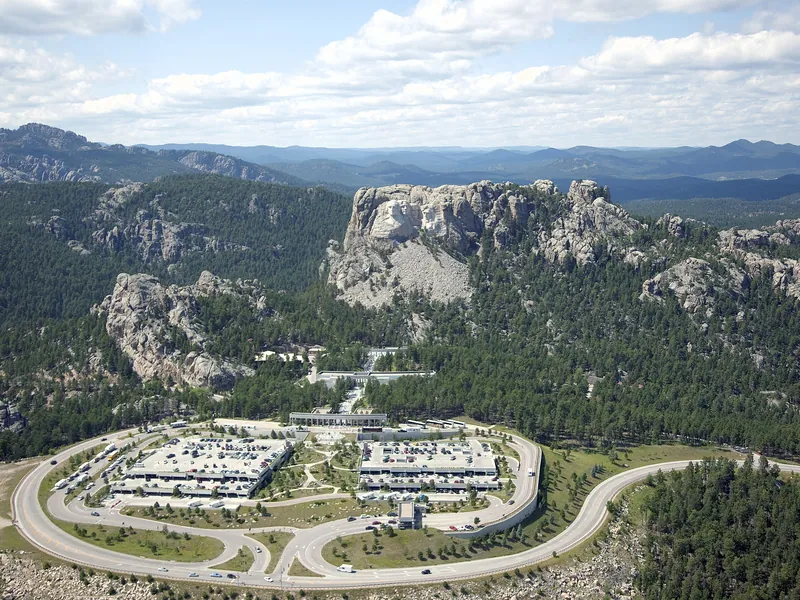
South Dakota
The base for the Black Hills, the monuments and the badlands
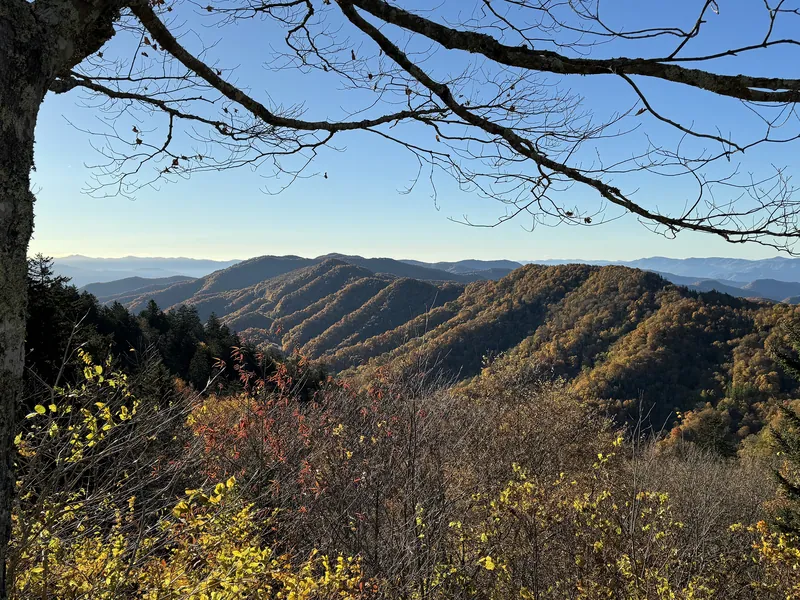
Tennessee
The front door to the Smokies, and the traffic that comes with it
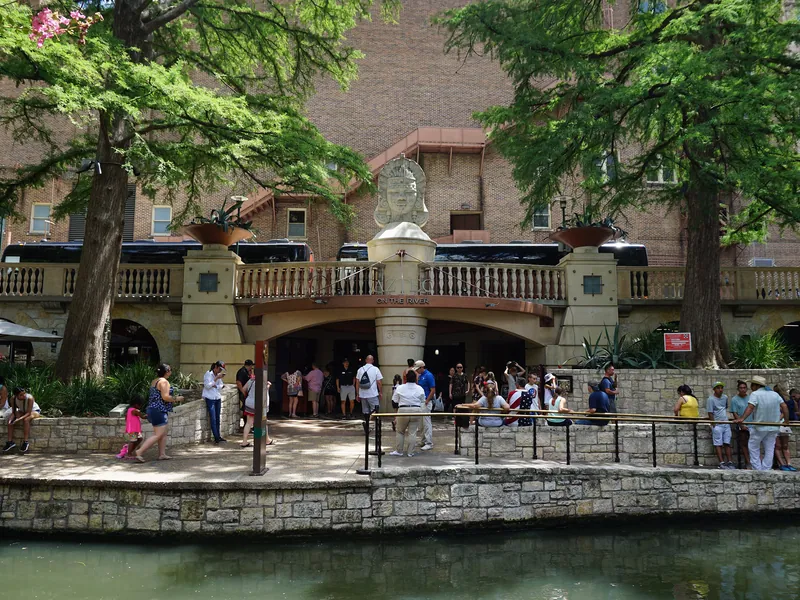
Texas
A river one level below the traffic & five Spanish missions
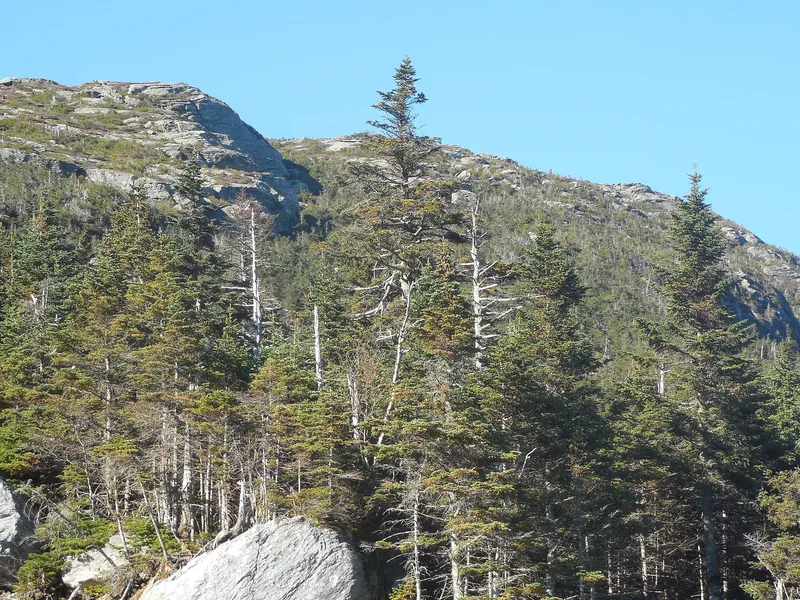
Vermont
A paved valley path, Vermont's highest peak and a factory tour
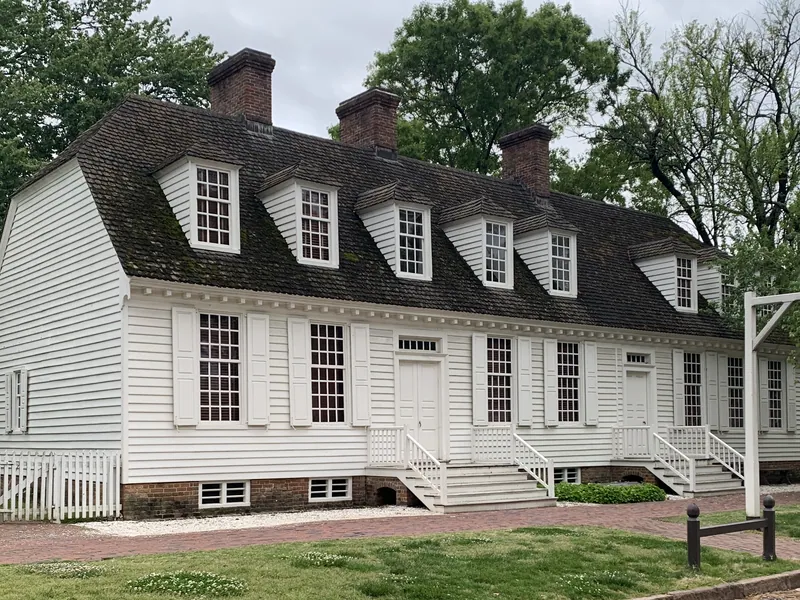
Virginia
A reconstructed 1770s town, and a theme park next door
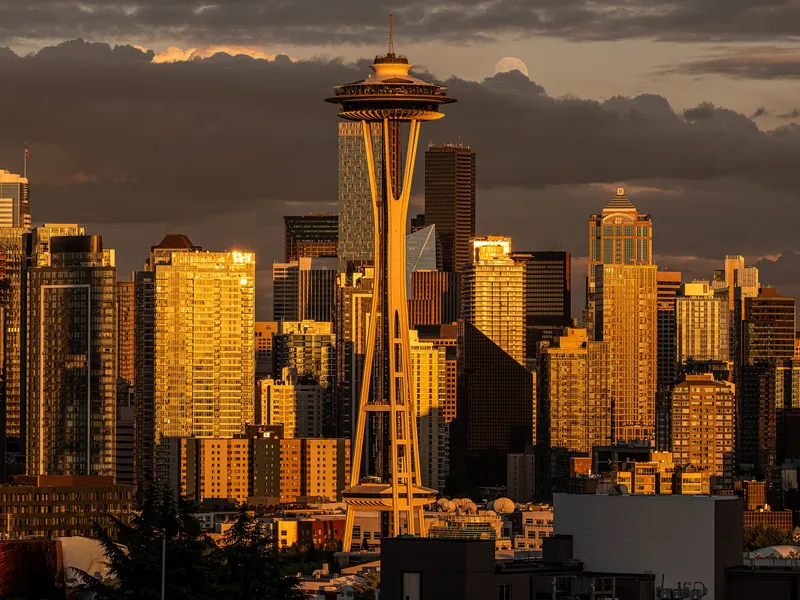
Washington
Ferries, mountains and a summer that is genuinely dry
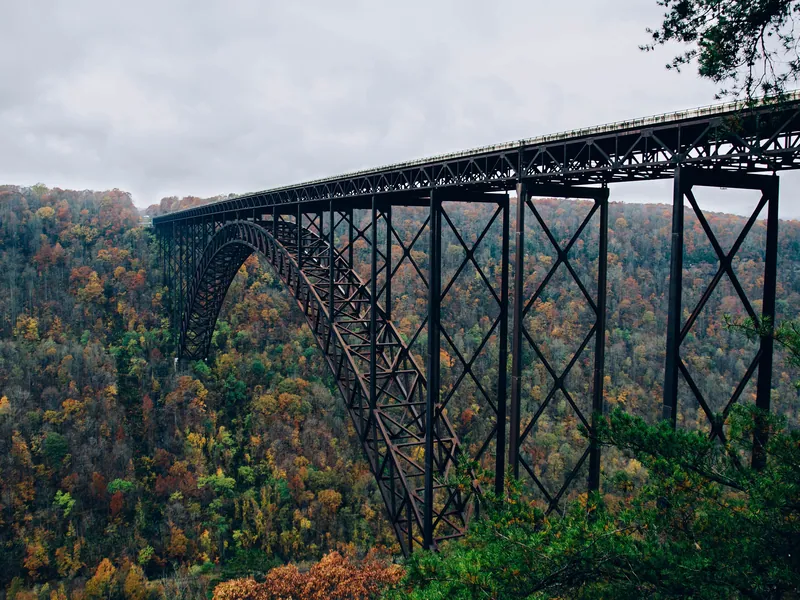
West Virginia
A very new national park with very few facilities
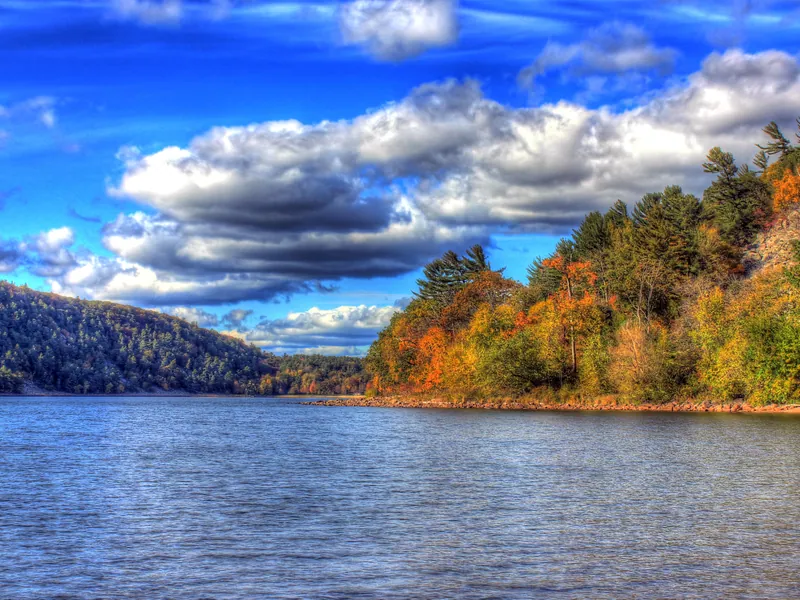
Wisconsin
Indoor waterparks that work in January, sandstone gorges in July
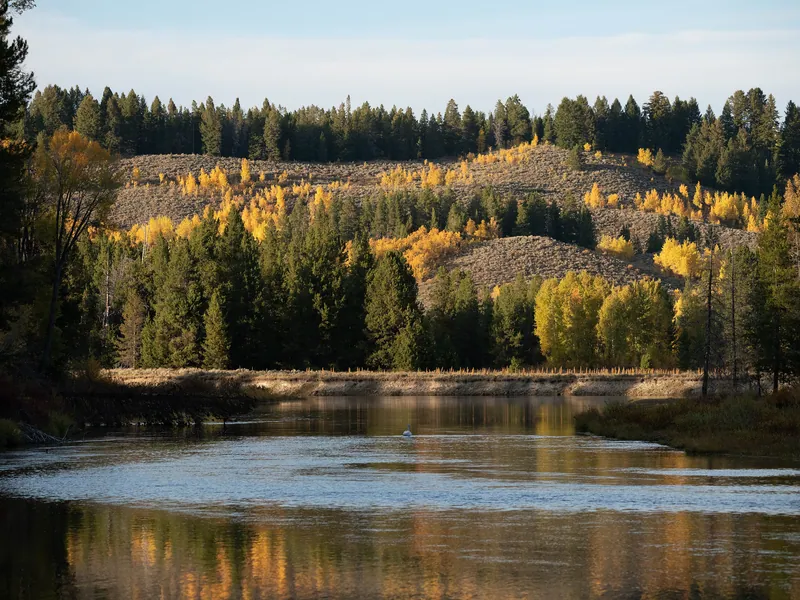
Wyoming
One base for the Tetons and the road into Yellowstone
A sample, not the full list

Puts dinner, ice cream, the harbour path and the free island shuttle hub within a few minutes on foot, which removes the evening drive at the end of a long day in the park and lets one parent take a tired child back early.
Fitting a family in
Family rooms with two double beds are the standard product and sleep four without a rollaway; connecting rooms exist but are the first thing to go in summer.
Watch out. This is the most expensive and the most booked-out part of the island, and prices in July, August and the autumn-colour weeks reflect a very short season. Parking is often a small shared lot rather than a space per room. Older properties in the village frequently have stairs and no lift, and street noise carries on summer evenings.

The only part of the valley where a family can leave the car and walk to dinner, the station and the shops, which makes the scenic railway an easy morning rather than a parking exercise.
Fitting a family in
Two-queen family rooms are standard; suites with a separate sleeping area exist at the larger properties and are the realistic option for five.
Watch out. The village sits on Route 16, which backs up badly on summer and autumn weekend afternoons — rooms facing the road are noisy and arriving between mid-afternoon and evening on a Saturday is slow. Older inns often have stairs, no lift and thin walls, and the autumn-colour weeks are priced at the top of the year.
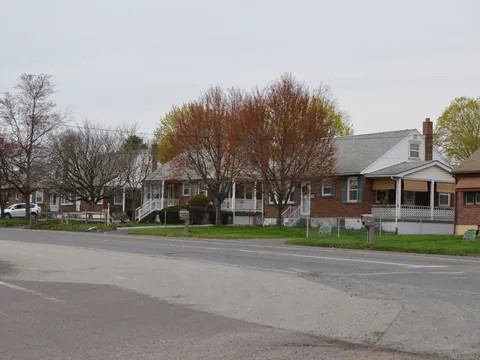
Puts the start of the Recreation Path, the general store and the village restaurants on foot, so a family can hire bikes and spend two days without driving at all.
Fitting a family in
Rooms with two queen beds sleep four; a true family suite with a separate bedroom is a smaller and faster-selling category here.
Watch out. It is a seven-mile drive to the slopes, which lengthens every ski morning, and the shuttle runs seasonally rather than all year. Older inns have stairs and no lift, and the village is at its most expensive and most booked during the autumn-colour weeks. Several places close outright through mud season in April and early May.

Bar Harbor
The 27-mile one-way scenic road around the eastern side of Mount Desert Island, linking Sand Beach, the Thunder Hole sea cave, Otter Cliff and a series of granite headlands with car parks a few minutes apart. Most stops are a short walk from the road, which makes it the easiest way to see the park with small children.
Good to know. Entry is charged per vehicle rather than per person and covers several days; the national annual pass covers it too. Much of the loop is one-way, so a missed turning means driving the whole circuit again, and the car parks at Sand Beach and Thunder Hole fill by mid-morning in summer — the free Island Explorer shuttle avoids both problems. Thunder Hole only makes its noise around a rising tide with a swell running and is otherwise a quiet hole in the rock. The cliff edges at the overlooks are unfenced granite.

Bar Harbor
The highest point on the eastern seaboard of the United States, with a paved road to a summit car park and a short loop path around bare pink granite looking over the islands and the bay. For part of the year it is among the first places in the country to see the sunrise, which is why the road is busy before dawn.
Good to know. Driving to the summit has required a timed vehicle reservation in recent seasons, booked separately from park entry, and the rules and release windows have changed between years — check the park's own site for the current arrangement rather than relying on a remembered one. Walking and cycling routes to the top are not covered by it. The summit is exposed, windy and often ten degrees colder than the town, and it can sit inside cloud on a clear day below. The summit loop path is short but uneven rock.
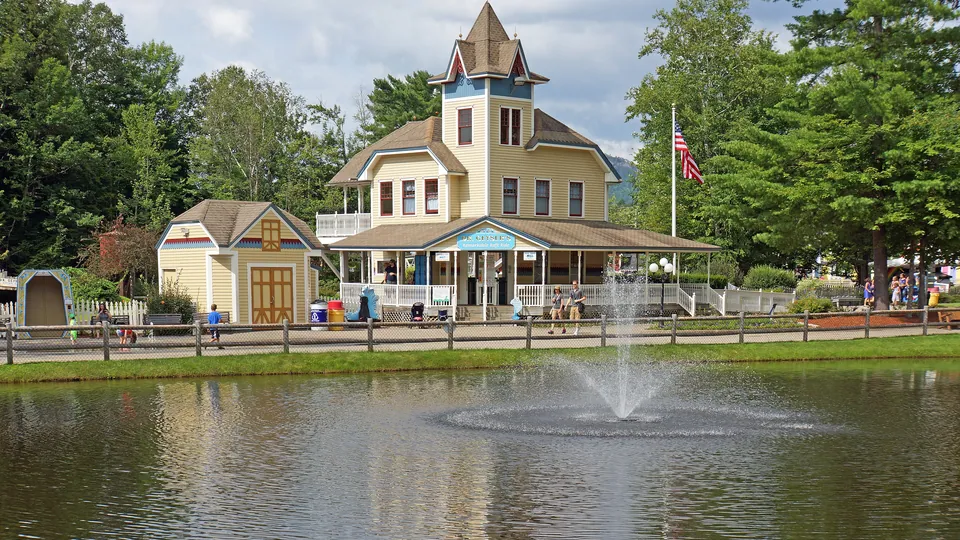
North Conway
A small theme park at Glen, a few miles north of North Conway, built around storybook sets and gentle rides aimed at roughly ages two to ten, with a water-play area, a log flume and a handful of slightly larger rides for the upper end of that range.
Good to know. Several rides carry height minimums, commonly in the region of 90 to 110 cm, so a small toddler will be turned away from a meaningful share of what has been paid for — check the park's own height chart against the child before buying. The season is a summer and early-autumn one with reduced weekend operation at the edges, and the park closes for the winter. It holds very little for teenagers.
A sample across 50destinations — see every city's own picks in the grid above, or browse all 148 family hotels in the United States on the hotels page.
Some links on this page are affiliate links. If you book through one, the price is the same for you and we may earn a commission. How this works.
Driving is the default and, outside a handful of cities, the only practical option. Roads are well signposted, automatics are standard, and child seats are legally required to an age and height that varies by state — hire companies rent them, but supply at the counter is unreliable enough that families travelling with toddlers often bring their own. Rail is the weak point: Amtrak is scenic, comfortable and slow, runs once or twice a day on most routes, and is rarely a faster or cheaper way to move a family than flying or driving. Internal flights fill the gap and are frequent and competitive, though domestic security queues and bag fees erode the time saved on anything under about four hours' drive. Public transport is genuinely good in New York, Chicago, Boston, Washington and San Francisco, patchy in Seattle, Philadelphia and Portland, and close to absent everywhere else.
Driving-led. For most of the country a car is not a convenience but the trip itself — the national parks, the beaches and the small towns have no alternative way in, and distances between them are measured in half-days. The clear exception is a city-only trip: New York, Chicago, Boston and Washington are all easier, cheaper and less stressful without one, where parking runs to the price of a meal per night. The honest rule is to hire a car for the days that leave the city and not for the days inside it.
€
€210
Budget · per day, family of four
€€
€360
Mid-range · per day, family of four
€€€
€620
Higher-end · per day, family of four
Planning estimates based on published prices at the time of writing, in shoulder season. Peak months, school holidays and city-centre accommodation all push the figure higher.
The easiest country in the catalog to feed children in, and among the harder ones to feed them well. Portions are large enough that two adult mains frequently cover a family of four, kids' menus are universal, and diners serve breakfast at any hour, which solves the first jet-lagged mornings. Supermarkets are enormous and carry every allergen-free and kosher-certified line, which makes self-catering straightforward. The trade-offs: sugar appears in bread, sauces and cereal at levels European families notice immediately, portion size makes over-ordering easy, and genuinely fresh vegetables take more looking for than they should on a highway route. Prices on menus exclude both sales tax and a tip of roughly 18–22%, so the amount charged is about a quarter above the number printed.
Health & safety
The United States has no reciprocal healthcare arrangement with any European country, and an emergency-room visit for a child's broken arm is routinely billed in the thousands rather than the hundreds. A policy with a medical limit in the millions rather than the tens of thousands is the normal recommendation, and it should be bought before departure rather than on arrival. Check that it covers the specific activities planned — many policies exclude skiing, and some exclude hiking above a stated altitude, which quietly rules out a lot of the Rockies and the Utah parks.
When to go
Most European passport holders travel on an ESTA, applied for online in advance and valid for two years; every family member needs their own, including infants. Approval is usually quick but is not guaranteed to be, and the official advice is to apply at least 72 hours before travel. A previous visit to certain countries removes ESTA eligibility and requires a full visa interview, which is booked weeks or months ahead — worth checking before booking flights rather than after.
Getting around
Every state mandates car seats, and several require a booster to age eight or a height around 145 cm — older than many European families expect. Hire companies rent them for a daily fee that over two weeks approaches the price of buying one, and the seat that arrives is sometimes not the size reserved. Families travelling with under-fours frequently bring their own, which most airlines carry free of the baggage allowance.
Money & costs
The America the Beautiful pass covers entry to every national park and federal recreation site for a year, for everyone in one vehicle. Park entry is charged per car rather than per person, so the pass breaks even after roughly three parks — which any Utah, Californian or Rockies route passes easily. It does not cover camping, shuttles or timed-entry reservations, which several popular parks now require separately and release on a fixed schedule months ahead.
Money & costs
Sales tax is added at the till rather than shown on the label, and varies by state and sometimes by city. On top of that, table service, hotel housekeeping, taxis and tour guides are tipped, with 18–22% now the normal restaurant range. Budgeting from menu prices leaves a family roughly a quarter short across a trip.
Staying connected
Driving routes, park shuttle times, timed-entry reservations and restaurant waitlists all assume a working phone, and roaming from outside North America is expensive. Coverage is good along interstates and in cities, and genuinely absent in parts of the national parks — downloading offline maps for a park before arriving is worth the five minutes.
Some links on this page are affiliate links. If you book through one, the price is the same for you and we may earn a commission. How this works.