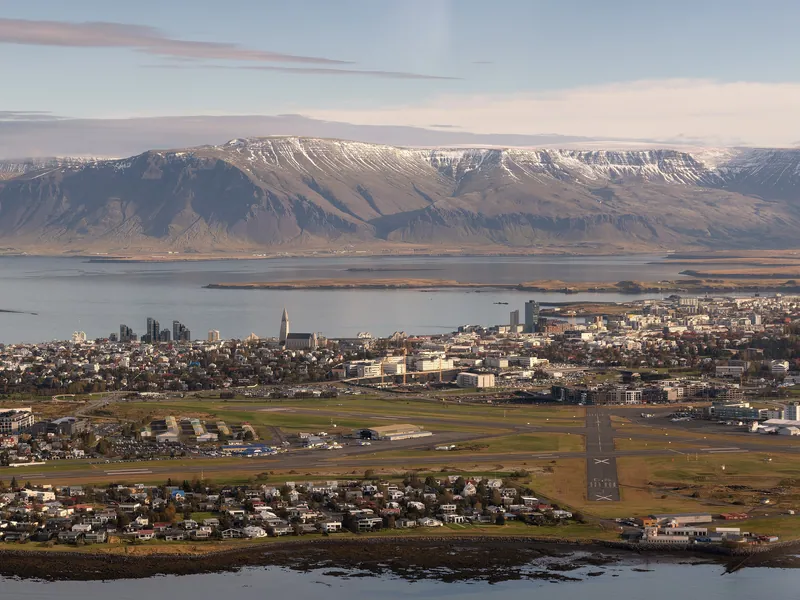
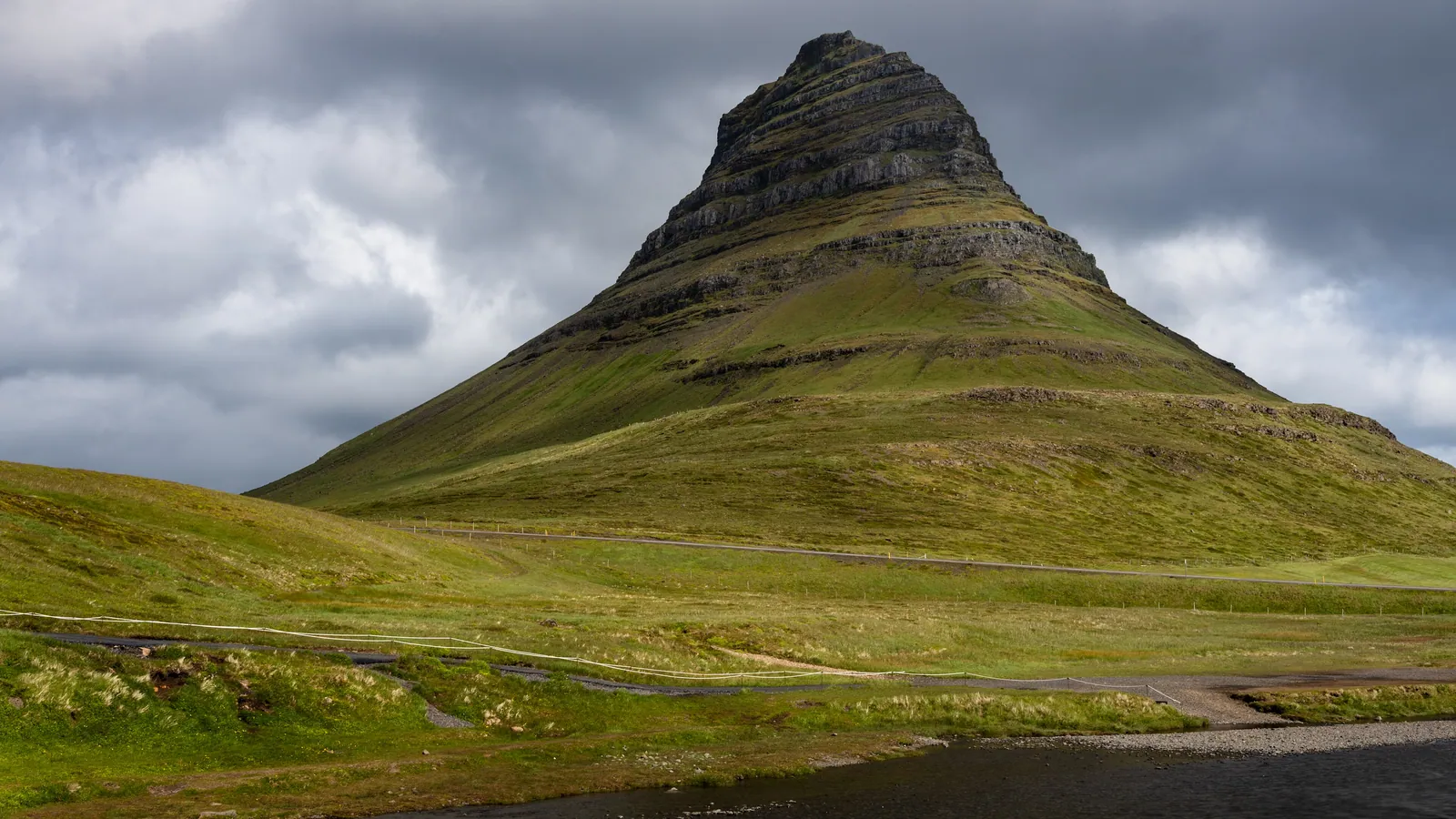
Europe · 3 destinations
Iceland with Kids: Driving, Costs & When to Go
Iceland puts big landscape within a few metres of a car park: waterfalls, geysers, glaciers and black-sand beaches are reached on short paths rather than hikes, which is what makes it workable with children. Every town has a heated outdoor geothermal pool, and those pools end up being the part most families remember. Two things have to be planned around honestly. It is expensive — among the most costly countries in Europe for food, fuel and family rooms — and the weather is the binding constraint on every day, with wind and driving rain possible in any month.
- Best for ages
- 4+
- Recommended trip length
- 5–10 days
- Budget level
- €€€
- Best time to visit
- May–Sep
Suits up to 17
Higher-end
Why Iceland works for families
Big landscape without the hike
Waterfalls, geysers and glacier tongues sit within a few hundred metres of marked car parks, so short legs still reach them.
Geothermal pools in every town
Municipal pools are heated year-round and have shallow children's areas, slides and hot tubs, at a fraction of the price of the famous spas.
Endless summer daylight
From late May to July it barely gets dark, so a rained-off morning can be replaced by an evening that still feels like afternoon.
Low crime and well-marked hazards
Petty crime is rare and the genuine dangers — waves, cliff edges, boiling ground — are signposted and roped rather than hidden.
Simple food children eat
Skyr, soup in bread bowls, lamb hot dogs and bakery pastries are everywhere, which covers cautious eaters between bigger meals.
Where to go in Iceland
The areas worth building a family trip around, and how long to give each.
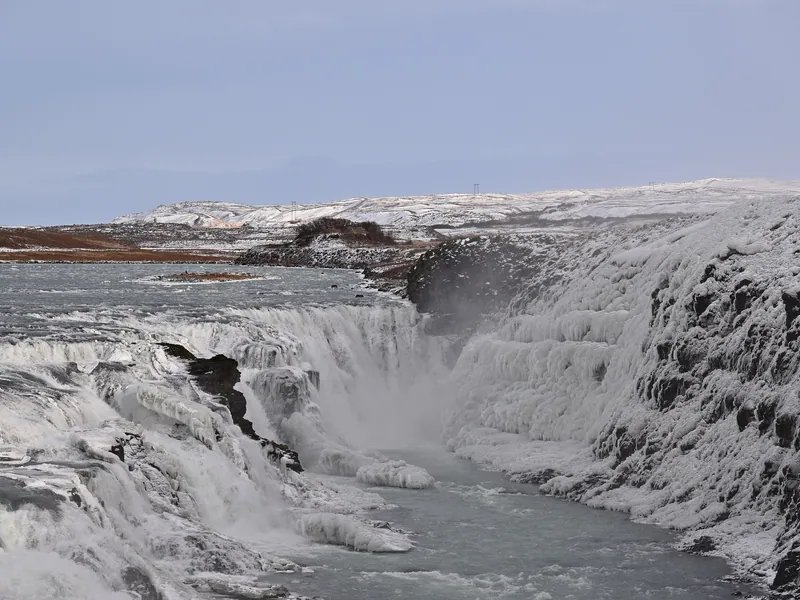
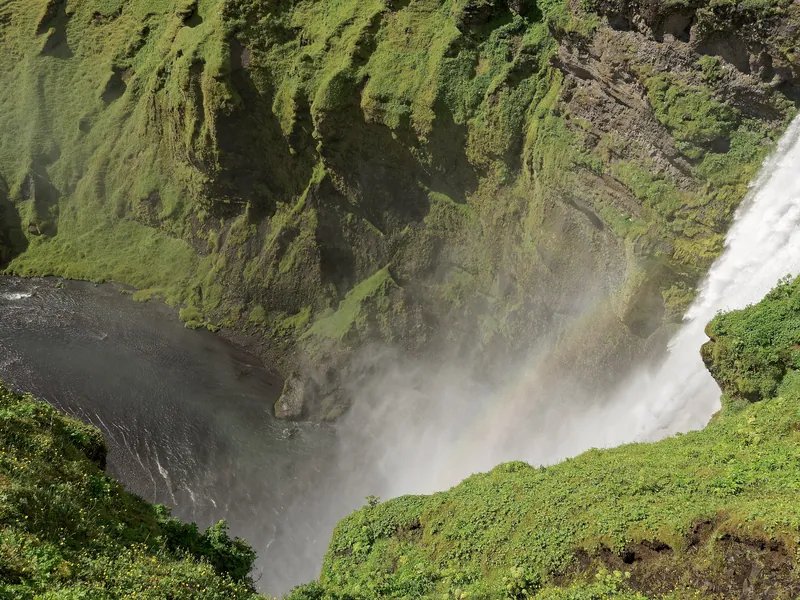
When to visit Iceland with kids
June to August has the longest daylight, open mountain roads and the mildest weather, and is also the busiest and dearest. May and September are quieter and cheaper with a real chance of cold, wet days. November to February has only four to five usable daylight hours, which is the season for northern lights rather than sightseeing.
- Jan
- Feb
- Mar
- Apr
- May
- Jun
- Jul
- Aug
- Sep
- Oct
- Nov
- Dec
Where to stay
Family hotels in Iceland
We list areas and property types rather than single hotels: family-room availability changes constantly, and the area plus the room requirement is what survives contact with a booking engine.
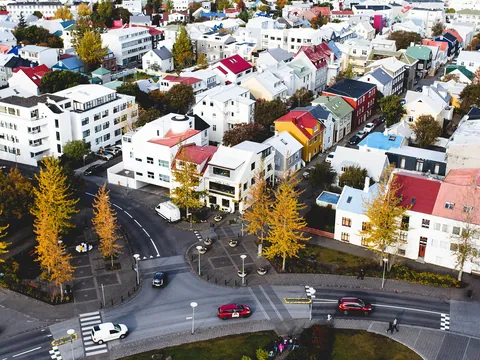 Miðborg (101)Higher-end
Apartment in the 101 centre
A central apartment removes the two biggest costs of Reykjavík with a family — restaurant meals and a car — because the supermarkets, the harbour and the museums are all within a walk and a kitchen covers breakfast and dinner.
- Kitchen and washing machine for a mid-trip laundry run
- Walking distance to the harbour, museums and bakeries
- Supermarkets in the centre rather than on the ring road
- No need for a car or parking on city days
Fitting a family in
Two-bedroom units sleep four or five without a folding bed. Older converted buildings often have no lift, so the floor number matters with luggage and a pushchair.
Watch out. The centre is also the bar district: Friday and Saturday nights are loud until the early hours, and a street-facing bedroom is the difference between a good night and a bad one. Street parking here is the most expensive paid zone in the country.
Check hotel prices — opens Klook in a new tab (affiliate link)Live availability for your dates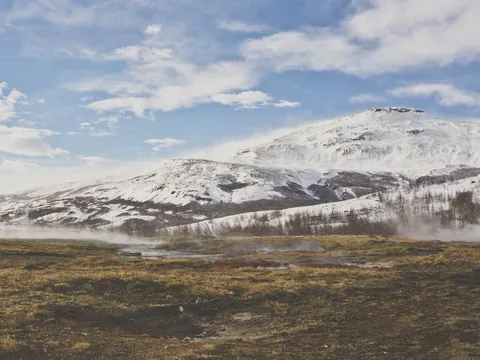 Geysir / Laugarvatn / FlúðirMid-range
Farm guesthouse between Geysir and Flúðir
A night inside the loop turns one long day into two short ones, and these farm properties usually have a hot tub or a small geothermal pool, which is the one thing that reliably resets tired children after a day of viewpoints.
- Positioned mid-loop, so each driving half is under an hour
- Hot tub or geothermal bathing at many properties
- Breakfast included more often than in the city
- Open sky for aurora watching outside the summer months
Fitting a family in
Family rooms sleeping four are common, and some farms let whole cottages with a kitchen — worth the extra for the ability to cook.
Watch out. Dinner is often the only food for a long drive in either direction, and rural kitchens frequently stop serving early in the evening; confirm whether dinner is available before arriving hungry. Access is frequently by gravel track, which some rental insurance treats differently from sealed road.
Check hotel prices — opens Klook in a new tab (affiliate link)Live availability for your dates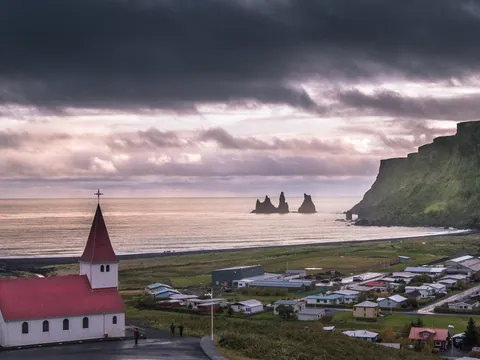 VíkHigher-end
Guesthouse family rooms in Vík
Vík sits between the two black beaches at the midpoint of the coast, so the busiest stops can be reached early in the morning or in the evening when the coach traffic from Reykjavík has gone, which is the main reason to stay out here rather than day-trip.
- Walking distance to the beach and the village church viewpoint
- Short drives to the waterfalls west and the glacier tongues east
- A swimming pool in the village
- Dark skies for aurora watching outside summer
Fitting a family in
Guesthouse family rooms sleeping four are the common format; many have shared bathrooms, so a private bathroom needs to be confirmed rather than assumed.
Watch out. Vík is very small — one supermarket and a handful of restaurants that fill up and stop serving early, so arriving late means cooking or going without. Rooms are scarce and expensive, and they sell out months ahead for the summer. The wind off the headland is loud at night.
Check hotel prices — opens Klook in a new tab (affiliate link)Live availability for your dates
Some links on this page are affiliate links. If you book through one, the price is the same for you and we may earn a commission. How this works.
Top family attractions in Iceland
What each one costs, how long it takes, which ages it suits and whether you need to book ahead.
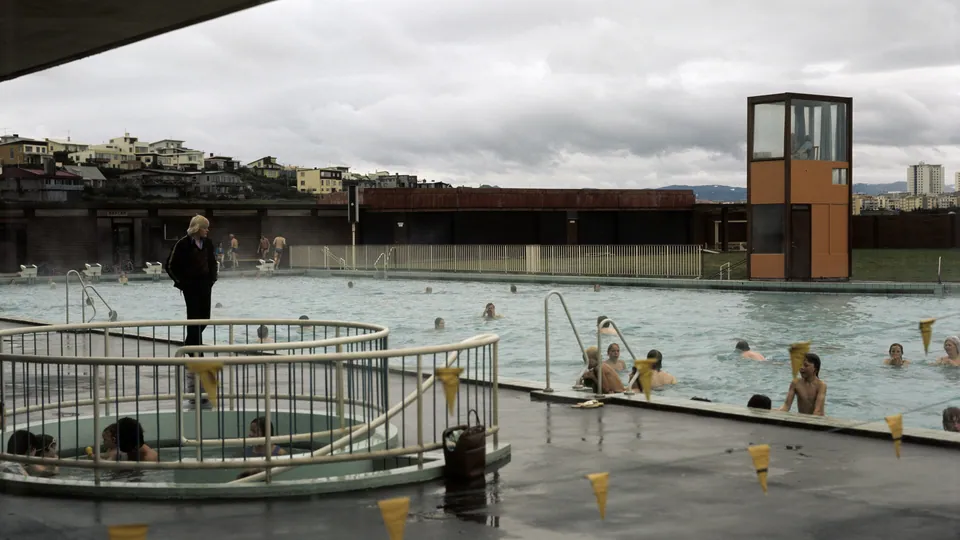 Water
Laugardalslaug geothermal pool
Reykjavík
The city's largest public pool complex: heated outdoor and indoor pools, a set of hot tubs at graded temperatures, a shallow children's area and a long water slide, open through rain and snow.
- Ages
- 0–16
- Time
- 2h 30m
- Adult, from
- €9
Good to know. A soap shower without a swimsuit before entering is compulsory and supervised, which is worth explaining to older children beforehand. The slide carries a height requirement and the hottest tubs are not suitable for small children.
 AnimalsBook ahead
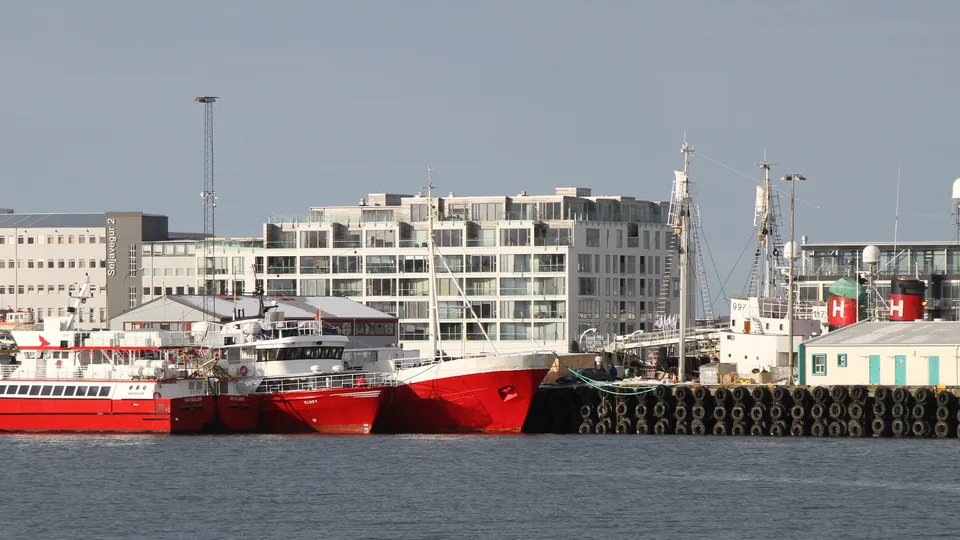
Whale watching from the old harbour
Reykjavík
Boat trips into Faxaflói bay looking for minke and humpback whales, white-beaked dolphins and, in summer, puffins on the offshore islands. Departures are from the harbour in the city centre, so no driving is involved.
- Ages
- 4–17
- Time
- 3h
- Adult, from
- €85
Good to know. Three hours on open water with a real swell — seasickness is common and children prone to it should be medicated in advance. Sailings are cancelled at short notice in high wind, and the fast RIB boats set a minimum age. Sightings are never guaranteed.
 Nature
Þingvellir National Park
Golden Circle
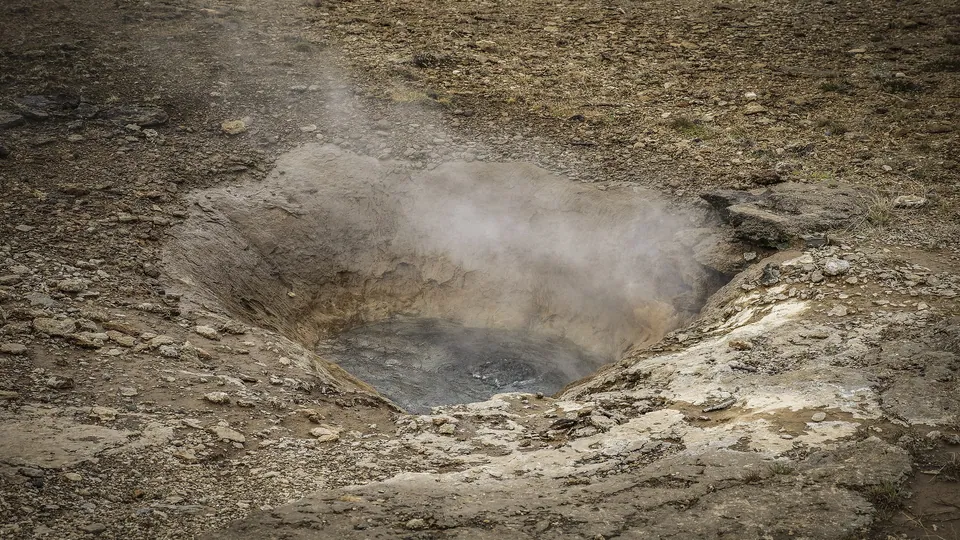
The rift valley where the North American and Eurasian plates pull apart, with a walkway running along the base of the Almannagjá fissure wall. Also the site of Iceland's first parliament, which gives the landscape a story children can follow.
- Ages
- 3–16
- Time
- 2h
- Adult, from
- Free
Good to know. Entry is free but parking is charged and enforced by plate recognition. The main path is a steady paved descent that has to be walked back up, and the rock is slick when wet. Some fissure edges and water-filled cracks are unfenced.
 Nature
Geysir geothermal area
Golden Circle
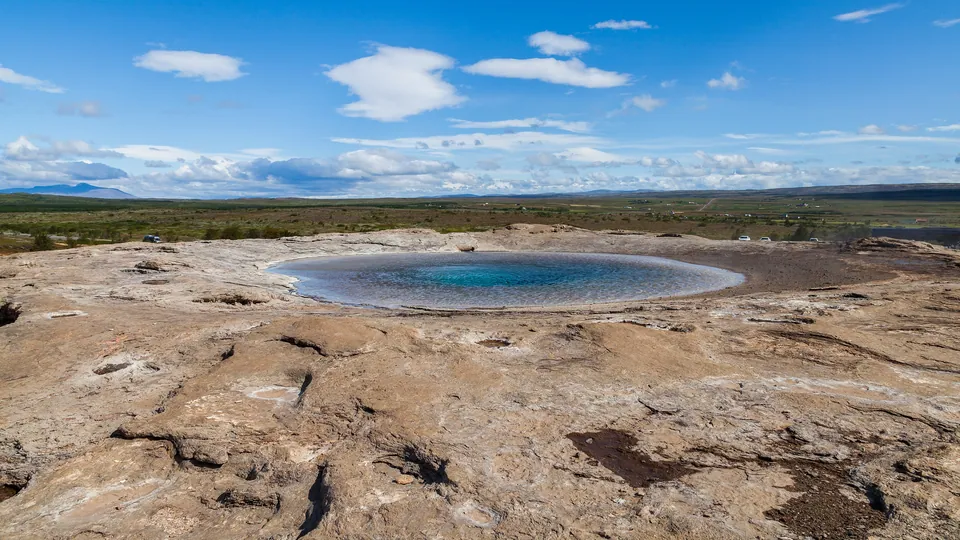
An active geothermal field of steaming vents and mineral pools where Strokkur erupts to 15–20 metres every few minutes, so children see it several times in a short visit rather than waiting for one event.
- Ages
- 3–16
- Time
- 1h
- Adult, from
- Free
Good to know. The water and ground beyond the ropes are near boiling and the crust is thin in places, so young children need holding rather than watching. The spray blows downwind — standing on the upwind side avoids a scalding-hot soaking.
 Nature
Reynisfjara black-sand beach
South Coast
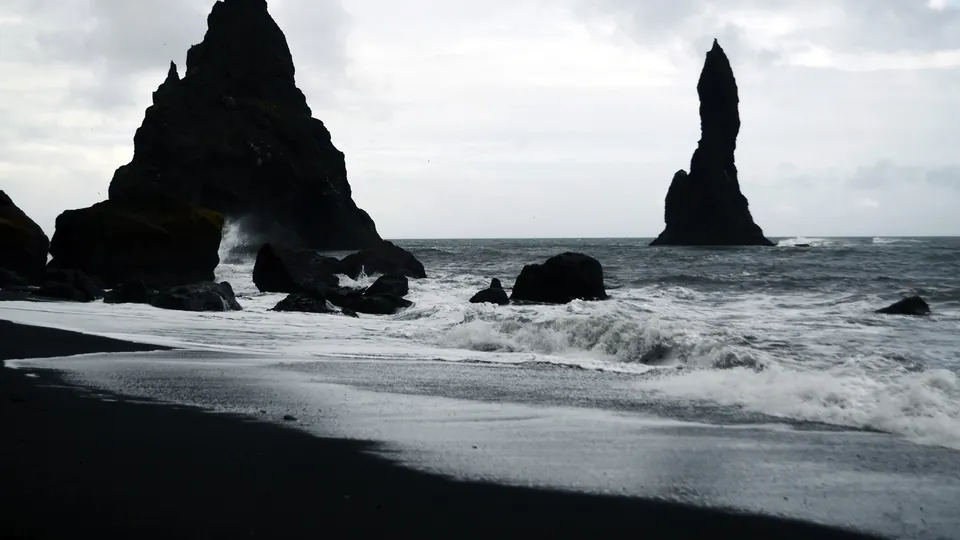
A beach of black volcanic sand backed by a wall of hexagonal basalt columns, with the Reynisdrangar sea stacks offshore. The columns form natural steps that children climb while staying well away from the water.
- Ages
- 5–17
- Time
- 1h
- Adult, from
- Free
Good to know. Sneaker waves here are lethal and have killed visitors: they run far higher than the preceding waves and drag backwards with great force. There is a warning-light system and signage at the entrance, and the safe position is well up the beach, above the highest wet sand, facing the sea. Parking is charged.
 Nature
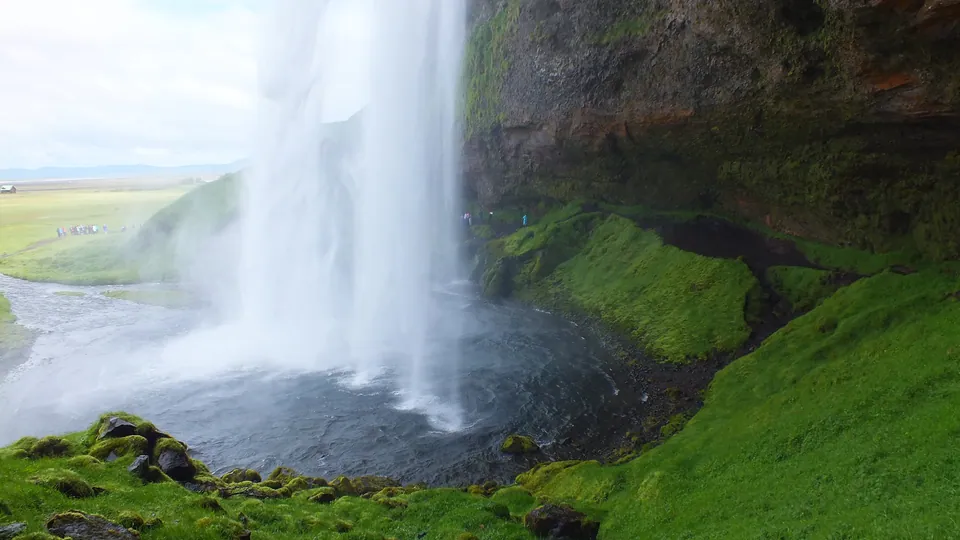
Seljalandsfoss & Skógafoss waterfalls
South Coast
Two roadside waterfalls 30 minutes apart: one with a path that loops behind the curtain of water, the other a broad single drop that can be approached across flat gravel until the spray stops you.
- Ages
- 3–16
- Time
- 2h 30m
- Adult, from
- Free
Good to know. The path behind Seljalandsfoss soaks everyone who takes it and is closed when it ices over — full waterproofs, not a rain jacket. A long metal staircase climbs to the clifftop viewpoint at Skógafoss, exposed and steep, with the base of the fall reachable without it. Both charge for parking.
Some links on this page are affiliate links. If you book through one, the price is the same for you and we may earn a commission. How this works.
Getting around Iceland
There are no railways in Iceland at all. Keflavík airport is 45–50 minutes from Reykjavík by rental car or scheduled coach, and Reykjavík itself runs on buses and walking. Everything outside the capital is reached by road: the Ring Road and the Golden Circle routes are paved and well maintained, while numbered F-roads into the interior are gravel, seasonal and off-limits to ordinary rental cars. Guided coach tours cover the same headline stops for families who would rather not drive.
Do you need a rental car?
Moderate driving. Reykjavík needs no car and a car is a liability inside it. Everything else does: the Golden Circle is a 230–250 km loop and the South Coast strings sights along the Ring Road with 30–90 minutes between them, on a schedule no bus timetable matches. Driving days are rarely more than two hours, but there is no realistic alternative to them.
What Iceland costs with a family
Typical daily spend for a family of four, excluding flights. Accommodation, food, local transport and one paid activity a day.
€
€190
Budget · per day, family of four
€€
€330
Mid-range · per day, family of four
€€€
€560
Higher-end · per day, family of four
Planning estimates based on published prices at the time of writing, in shoulder season. Peak months, school holidays and city-centre accommodation all push the figure higher.
Food in Iceland
Eating out is the sharpest cost shock: a simple sit-down meal for four runs well above western European prices, and restaurants outside Reykjavík stop serving early. Most families self-cater at least partly — Bónus and Krónan supermarkets are far cheaper than the petrol-station grills, and almost every guesthouse, cottage and apartment has a kitchen. What children reliably eat: skyr, hot dogs, fish and chips, lamb soup, flatbread and bakery items. Tap water is excellent and free everywhere, so bottled water is a waste of money.
Practical tips for Iceland
The things that are easy to get wrong and expensive to fix once you have arrived.
Money & costs
Check what the car insurance excludes
Standard collision cover routinely excludes gravel chips, sand-and-ash damage and, most commonly of all, doors bent back by the wind. Gravel protection is worth adding, and every car door should be held with two hands in an exposed car park.
Getting around
Check the road and weather services every morning
The national road authority publishes live road conditions and the met office publishes wind warnings by region. A day that looks fine in Reykjavík can carry closure-level gusts two hours east, and plans are changed on that information rather than on the view out of the window.
Culture & etiquette
The pool shower rule is not optional
Everyone showers without a swimsuit, with soap, before entering any Icelandic pool. The rule is posted, supervised and applies to children too. Warning a self-conscious child in advance avoids an awkward first ten minutes.
Money & costs
Cook at least one meal a day
Restaurant meals are what make Iceland expensive rather than merely pricey. Booking accommodation with a kitchen and shopping at a discount supermarket typically halves the food line of the budget.
Packing
Pack for wind and rain, not for cold
Summer temperatures sit around 10–15°C, but wind and horizontal rain are what end a day early. A genuine waterproof jacket and trousers, hat and gloves for every child, in July as much as in October, plus a spare set of everything in the car.
With kids
Plan for a summer bedtime in full daylight
In June and early July it never truly gets dark, and few guesthouses have blackout blinds. Eye masks for the children, a sheet or foil taped over the window, and a deliberately kept routine are the difference between one bad night and a whole trip of late bedtimes and short tempers.
Health & safety
Two safety rules that are not scaremongering
Sneaker waves on the black-sand beaches run far higher than the previous ones, pull backwards with enormous force and have killed visitors; stay well up the beach and never turn your back on the sea. And never stop on the road itself for a photograph — pulling onto the verge of a single-carriageway road at speed is the most common cause of tourist collisions.
Staying connected
Sort data before landing
Road conditions, weather warnings, aurora forecasts and parking payment all run through apps and websites, so data is a safety tool rather than a convenience. Coverage is good along the populated coast and patchy in the interior.
Some links on this page are affiliate links. If you book through one, the price is the same for you and we may earn a commission. How this works.
Iceland with kids: common questions
Is Iceland a good destination with children?
For nature-first families, yes — the scenery is reached on short paths, the geothermal pools are excellent, and the country is safe and well organised. It suits roughly four and up best. Under-fours cope fine with the pools but not with the hours in a car seat and the exposed, windy viewpoints.
How expensive is Iceland for a family?
It is one of the most expensive countries in Europe. Food, fuel and accommodation are all well above western European levels, and restaurant meals are the sharpest difference. Self-catering, a smaller car and free attractions — which most of the famous ones are — bring a family trip back into the range of a comparable alpine holiday.
Do you need a rental car in Iceland?
Outside Reykjavík, effectively yes. The Golden Circle and South Coast sights sit 30–90 minutes apart with no useful public transport, so the alternative is a guided coach tour each day. Reykjavík itself is walkable and a car parked there just costs money.
When is the best time to visit Iceland with kids?
June to August for long daylight, open roads and the mildest weather, accepting peak prices and crowds at the headline stops. May and September are cheaper and quieter with a higher chance of washed-out days. Winter has very few daylight hours and is an aurora trip rather than a sightseeing one.
Is the summer midnight sun a problem for young children?
It is the most under-mentioned difficulty of a summer trip. Near-constant daylight through June and early July, in rooms that often have thin curtains, disrupts young children's sleep badly. Eye masks, something opaque over the window and a firmly held bedtime routine are worth packing for deliberately.
How many days does Iceland need with a family?
Five to seven covers Reykjavík, the Golden Circle and the South Coast at a pace that leaves room for pool afternoons and a weather day. Anything under five means driving through the sights rather than stopping at them, and ten or more only pays off if the route extends east or north.
Other destinations to compare
Every guide answers the same questions in the same order, so two countries take five minutes to compare rather than five evenings.
- Japan with Kids: Itineraries, Where to Stay & When to GoCulture, nature & adventure
- Italy with Kids: Itineraries, Where to Stay & When to GoMountains, lakes & cities
- Austria with Kids: Itineraries, Where to Stay & When to GoAlps, lakes & charming towns
- Cyprus with Kids: Itineraries, Where to Stay & When to GoSun, sea & family resorts