 7 days€€€Norway
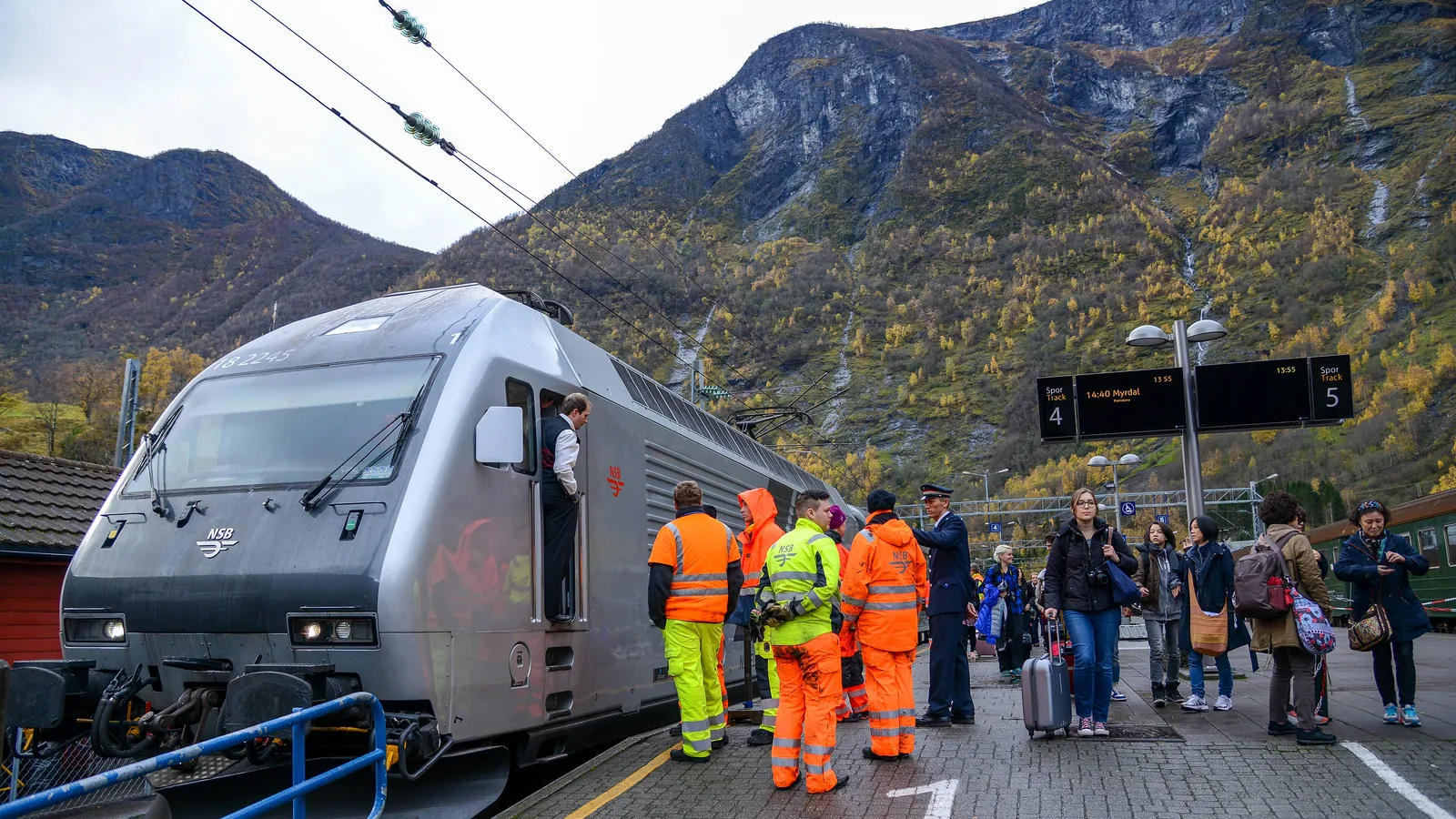
Norway Fjords by Train
Scenery you reach by train, ferry and funicular
- Best for ages
- 4+
- Pace
- Relaxed
- Driving
- No car needed
NatureRoad trip
View trip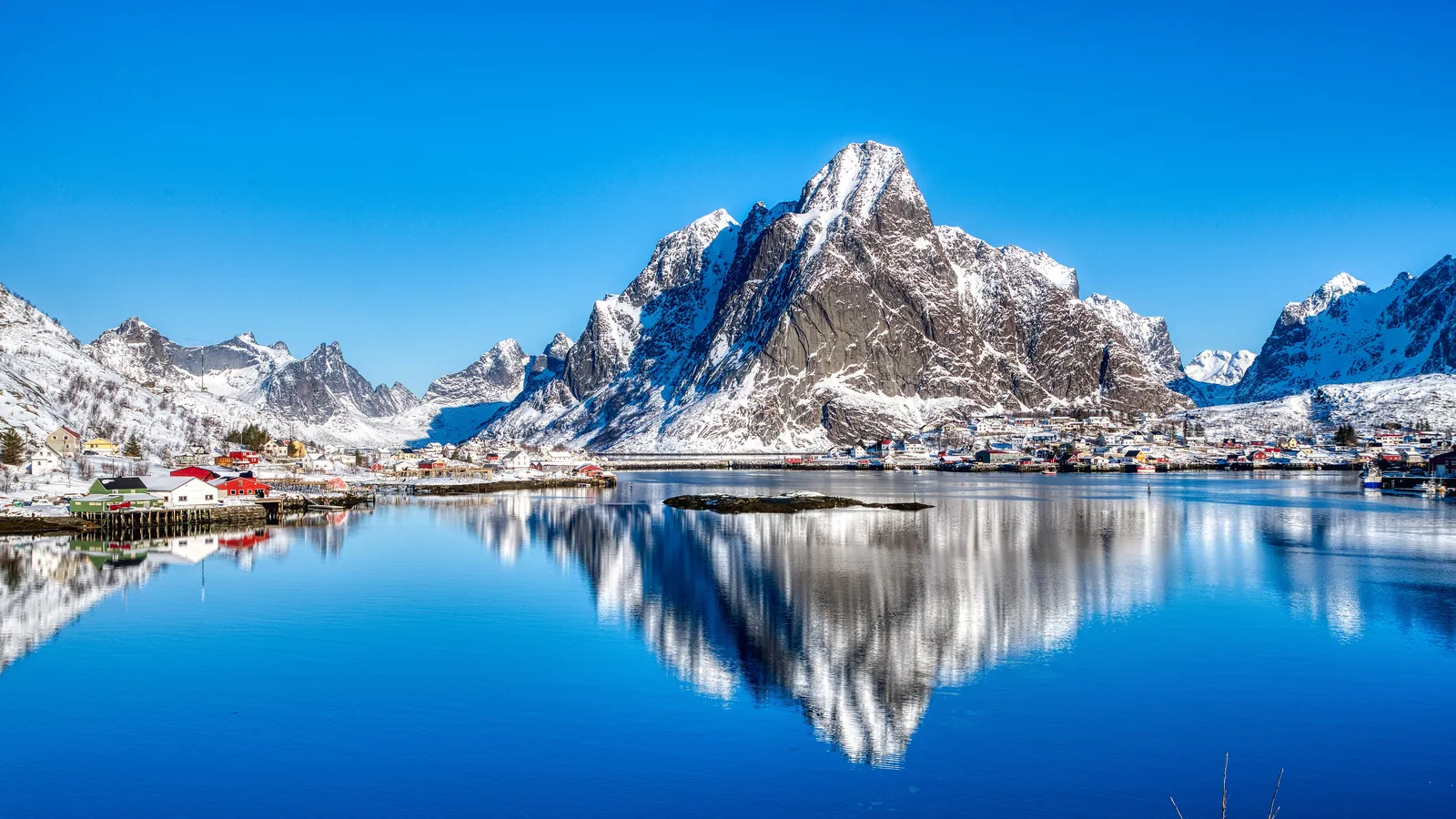
Europe · 5 destinations
Norway is the trip families take when the scenery is the point. Fjords, waterfalls and glaciers are visible from the road and the railway rather than requiring a hike, which makes it unusually workable with children — a ferry across a fjord or a ride on a mountain railway is a full attraction in itself. The summer midnight sun gives very long usable days. The caveat is cost: Norway is among the most expensive countries in Europe, and planning around that is most of the work.
Suits up to 17
Higher-end
Fjords, waterfalls and glaciers visible from roads, ferries and trains.
Mountain railways and fjord ferries hold children's attention on their own.
Excellent facilities, clean water everywhere, and an outdoor culture that assumes children.
Daylight well past 22:00 in June and July, which takes the pressure off the schedule.
From late September to March, with dog sledding and husky camps alongside.
7 days€€€NorwayScenery you reach by train, ferry and funicular

Where to stay
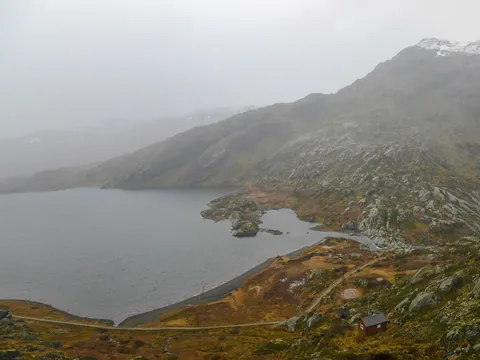
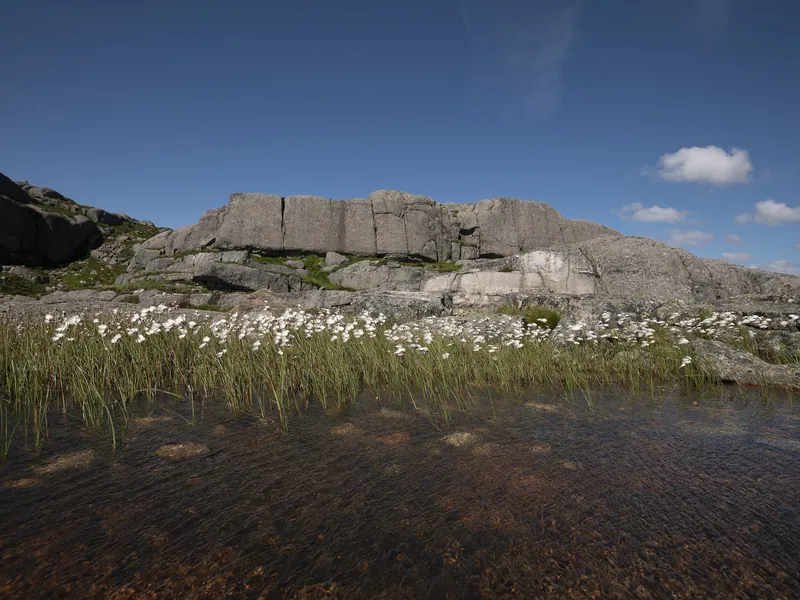
Cabins are how families make Norway affordable: they sleep four to six, include a kitchen, and sit in better locations than the hotels.
Fitting a family in
Cabins and campsite huts routinely sleep four to six and cost well under two hotel rooms.
Watch out. Some campsite huts do not include bed linen or a private bathroom. Check both before booking.
In an Arctic winter, being able to walk to dinner and have tours collect you from reception matters more than the room itself.
Fitting a family in
Family rooms are available but limited in winter. Book well ahead for the aurora season.
Watch out. Prices peak between Christmas and February. Booking three months ahead makes a substantial difference.
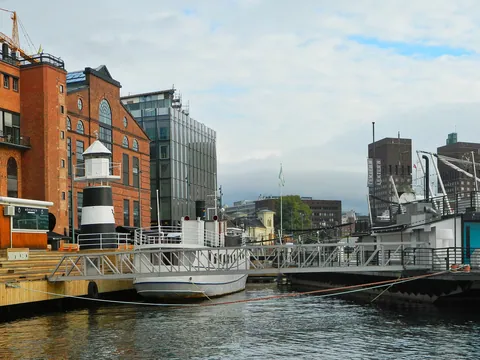
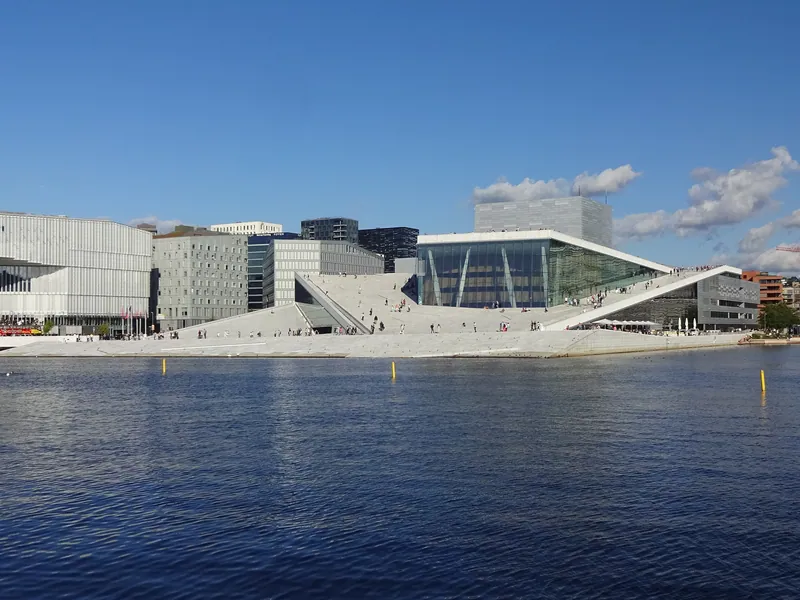
A kitchen is the single biggest lever on an Oslo budget, and an apartment gives a family separate bedrooms for less than two central hotel rooms.
Fitting a family in
Two-bedroom apartments are widely available and usually cost less than two hotel rooms in the same district.
Watch out. Many central buildings are older blocks with no lift, and four or five flights of stairs with luggage and a pushchair is common. Confirm the floor before booking.
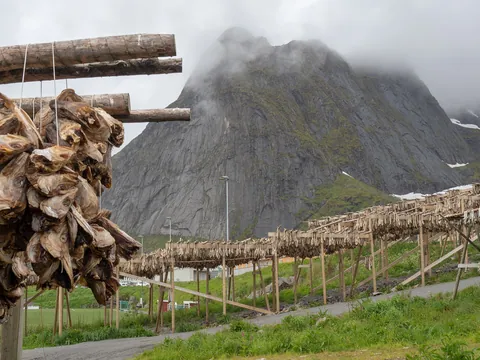
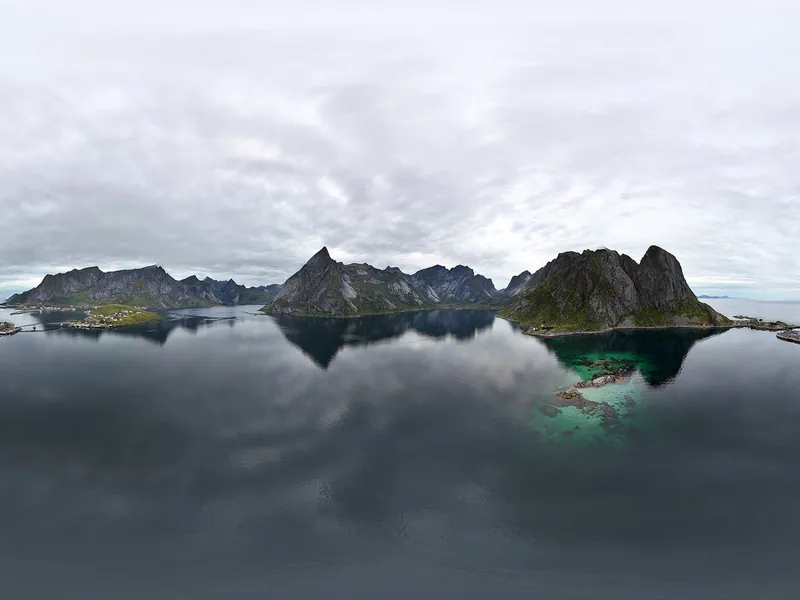
Converted fishermen's cabins sit on stilts at the water's edge, take a whole family in one booking and include a kitchen, which is what keeps the food bill survivable this far north.
Fitting a family in
Most rorbuer sleep four to six across two bedrooms plus a sofa bed; the smaller ones take only two, so check the layout rather than the headline capacity.
Watch out. Older cabins often have steep ladder-like stairs to a sleeping loft, and the decking runs straight to deep unfenced water — worth asking about with toddlers. Summer dates book out many months ahead.
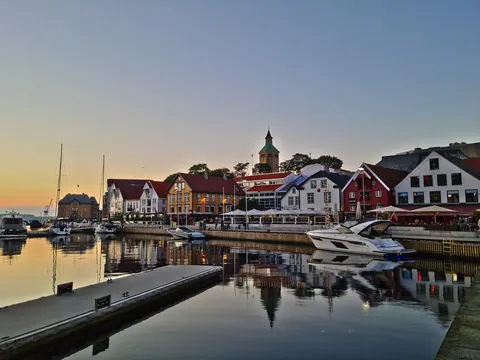
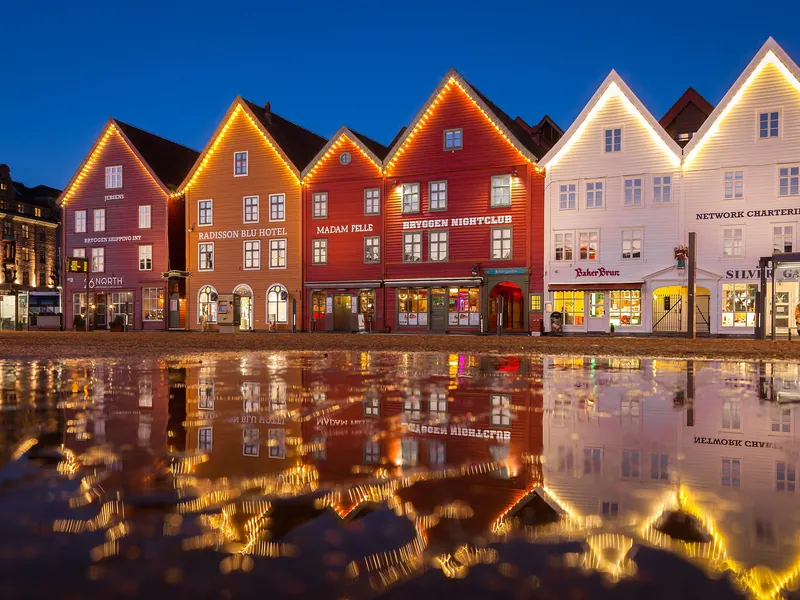
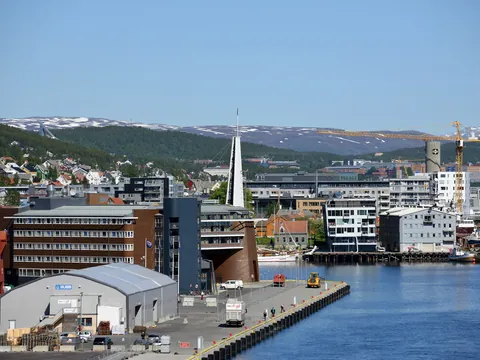
Everything a family needs here is within a fifteen-minute walk, so an apartment in the centre removes the car entirely and puts a kitchen against Norwegian restaurant prices.
Fitting a family in
Two-bedroom apartments sleeping four to five are common around the harbour and in the streets behind it.
Watch out. The east side of Vågen is the city's bar strip and is loud at weekends — ask which way the bedrooms face. Cruise-ship days crowd the old town and the quay.
Some links on this page are affiliate links. If you book through one, the price is the same for you and we may earn a commission. How this works.
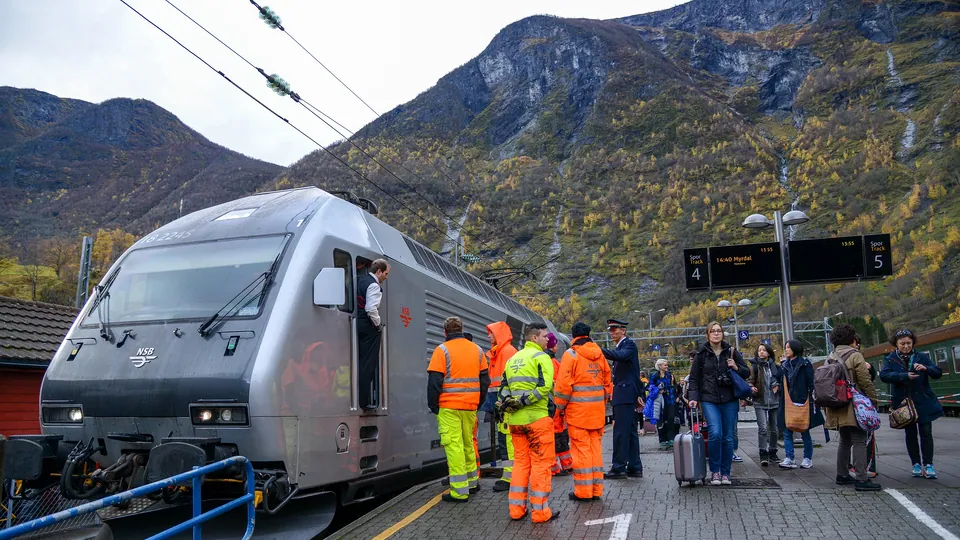
Bergen & the Fjords
One of the steepest standard-gauge railways in the world, descending 865 m in 20 km past waterfalls and mountain farms, with a photo stop en route.
Good to know. Summer departures sell out. Sit on the left going down for the best views.
Bergen & the Fjords
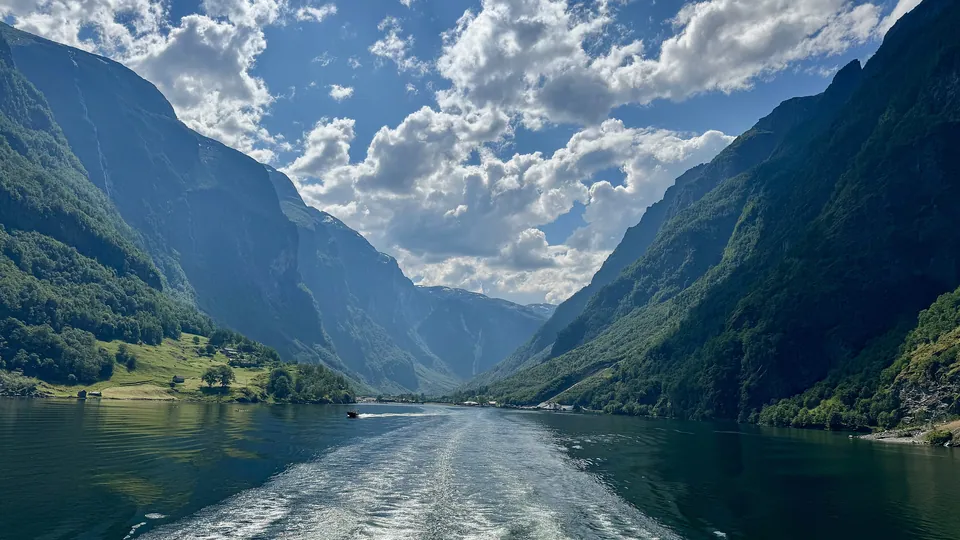
A ferry through the narrowest arm of the Sognefjord, UNESCO-listed, between cliffs that rise over a kilometre from the water.
Good to know. Open decks are cold and windy even in July. A warm layer for each child is needed.
Tromsø
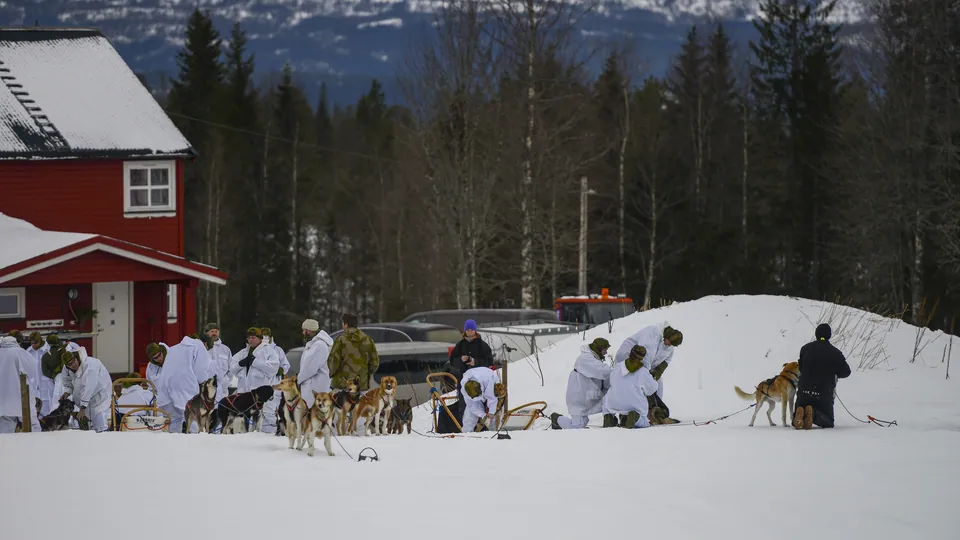
Half-day trips to husky camps outside Tromsø, with sled rides, kennel visits and a meal in a lavvu tent. Thermal suits are provided.
Good to know. Children usually ride as passengers rather than driving. Age minimums for self-driving are typically around sixteen.
Tromsø
Minibus tours that travel inland or along the coast to find clear sky, typically running from early evening until after midnight.
Good to know. Late finishes and long cold waits. One tour is usually enough with younger children.
Oslo
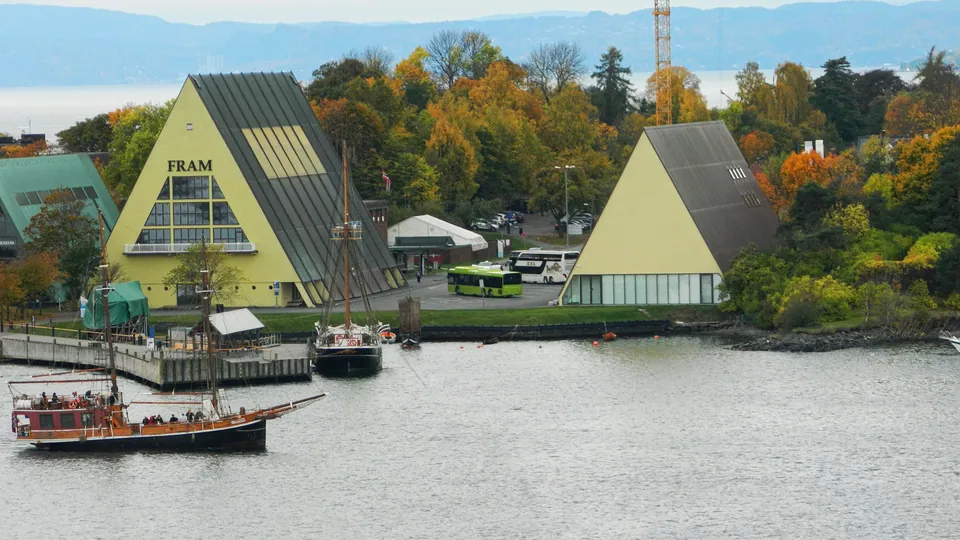
The polar ship Fram, the wooden vessel that carried Nansen and Amundsen, preserved whole inside a purpose-built hall on the Bygdøy peninsula, with visitors free to climb aboard and move through the decks.
Good to know. Below deck the ship has steep, narrow ladders and low doorways, so it is a carry or a wait with toddlers, and a pushchair has to stay at the entrance. The Kon-Tiki museum is next door if a second stop is wanted.

Oslo
Public boats from the City Hall pier to the inner-fjord islands — Hovedøya, Lindøya, Gressholmen and Langøyene — with swimming rocks, ruins, walking paths and beaches, all reached on an ordinary city transport ticket.
Good to know. Most of the islands have no shop, so food and water go with you. Fjord water stays cold well into July, and boats run on a reduced winter pattern.
Lofoten
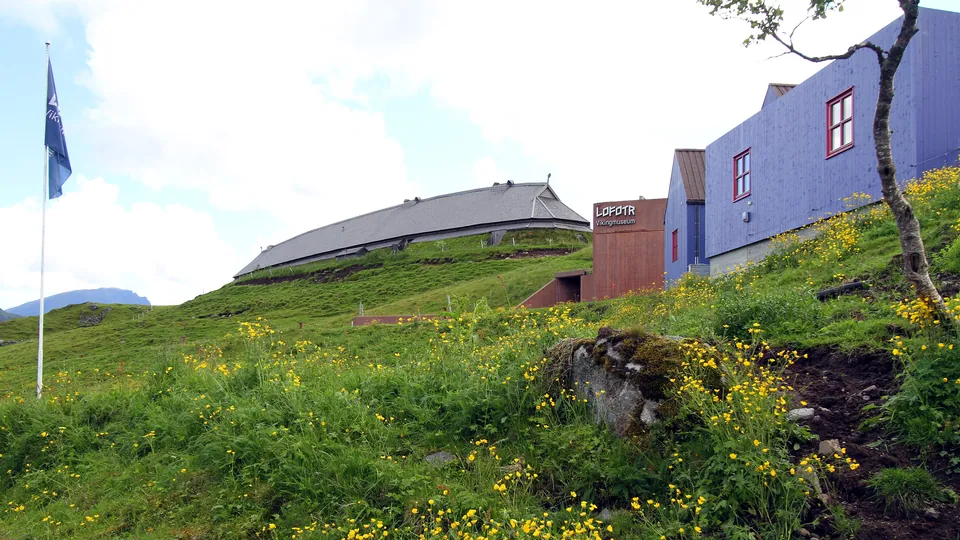
A full-size reconstruction of the largest Viking-age longhouse ever excavated, built on the site of the find, with a smithy, craft demonstrations, costumed staff and a replica ship that visitors can row.
Good to know. Much of the site is outdoors on an exposed hilltop and the walk down to the boathouse is over open grass, so wind and rain make a real difference. The rowing and craft sessions run seasonally rather than all year.
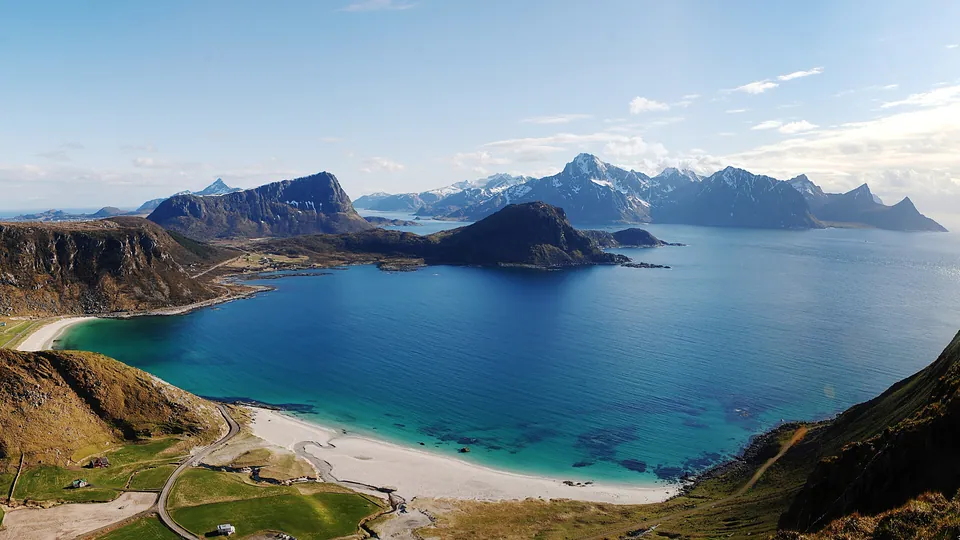
Lofoten
Two white-sand bays on the west coast of Vestvågøya, ten minutes apart by road and linked by a marked coastal path over the headland between them.
Good to know. The water sits at roughly ten to twelve degrees even in August — paddling, not swimming — and there are no lifeguards. Both car parks are small, charge a fee and fill by late morning in summer; the path between the beaches climbs and is exposed to the wind.
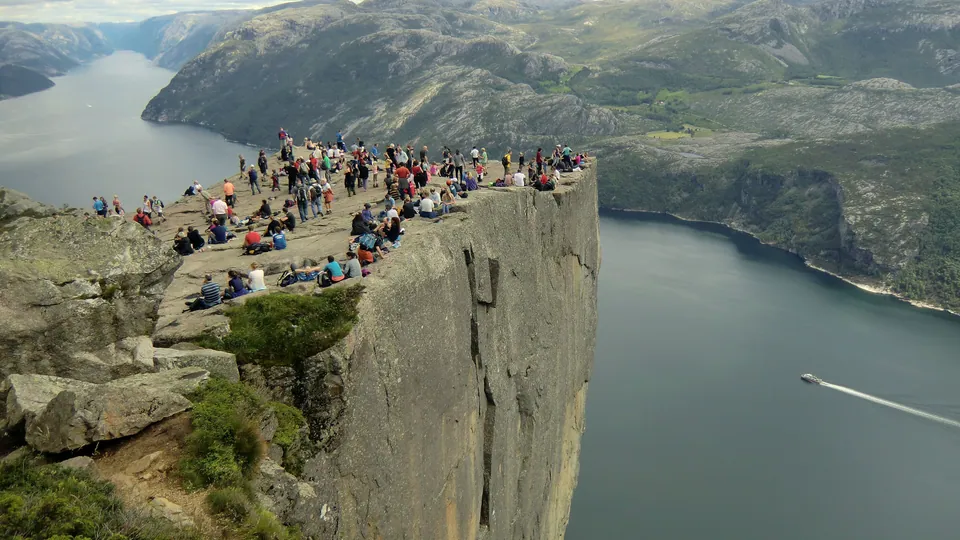
Stavanger
A flat cliff platform standing 604 m above the Lysefjord, reached on a marked and heavily used path from a car park about forty minutes' drive from Stavanger.
Good to know. Around 8 km there and back, roughly four hours at a family pace, with about 350 m of ascent over uneven rock, boulder steps and boardwalk. The plateau at the top has no fence, railing or barrier of any kind. It is not suitable for young children, and carrying a tired child back down is where families come unstuck. Parking is charged and the car park fills early in summer.
Stavanger
A sightseeing boat from Stavanger harbour into the Lysefjord, passing waterfalls and sailing directly beneath the Preikestolen cliff before turning back.
Good to know. The open deck where the views are is cold and windy even in July, and the water can be choppy where the fjord meets the open sea. This is the way to see Preikestolen with children too young for the hike.
Some links on this page are affiliate links. If you book through one, the price is the same for you and we may earn a commission. How this works.
The classic fjord route combines trains, buses and ferries and needs no car at all — the Bergen Railway and the Flåm Line are attractions in their own right. A car gives more freedom along the fjords and in Lofoten, where public transport is thin. Ferries are frequent, take cars, and are part of the road network rather than an excursion.
Moderate driving. The headline fjord route works entirely on trains, buses and ferries. Beyond it — the smaller fjord arms, the Atlantic Road, Lofoten — a car is what makes the trip possible.
€
€180
Budget · per day, family of four
€€
€300
Mid-range · per day, family of four
€€€
€520
Higher-end · per day, family of four
Planning estimates based on published prices at the time of writing, in shoulder season. Peak months, school holidays and city-centre accommodation all push the figure higher.
Straightforward but expensive. Eating out for a family adds up very quickly, so most visitors self-cater at least partly; supermarkets are good and cabins almost always have kitchens. Hotel breakfast buffets are generous and often the best value meal of the day.
Money & costs
Restaurant prices are the single biggest cost shock. Cabins and apartments with kitchens are widely available and are how most families make Norway affordable.
When to go
The Bergen Railway and the Flåm Line sell discounted advance fares that disappear as departures fill. Same-day tickets cost several times as much.
Packing
Fjord weather changes quickly even in July. Waterproofs and layers for every child are not optional, and a warm layer is needed on open ferry decks.
With kids
Norwegian cabins and campsite huts sleep four to six with a kitchen, cost far less than two hotel rooms, and are usually in better locations.
Some links on this page are affiliate links. If you book through one, the price is the same for you and we may earn a commission. How this works.