Skip to content

29 countries · 184 destinations

Family travel destinations

Family travel guides to 29 countries and 184 destinations — which ages each suits, how long to go, when to visit and what it costs.
Or start from your dates

Europe24

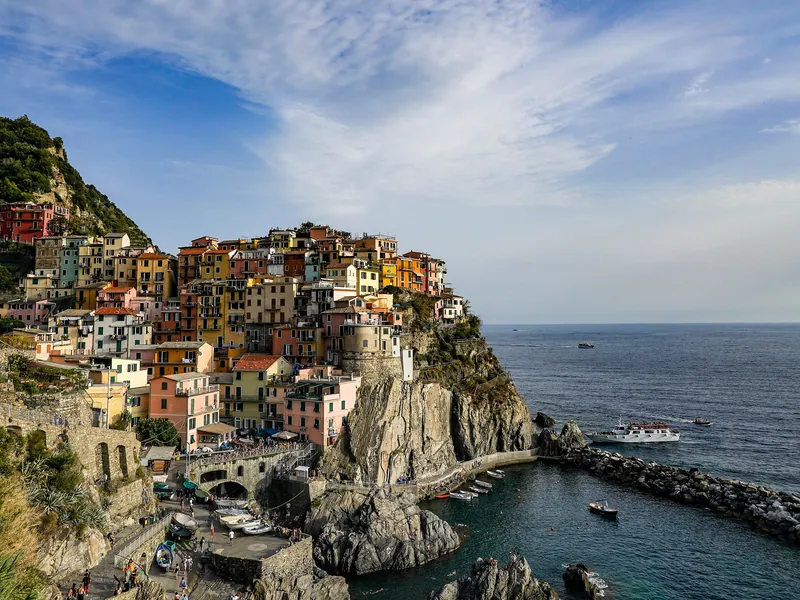
  • Italy is unusually forgiving with children. Restaurants welcome them at any hour, the food needs no negotiation, and the country packs mountains, lakes, beaches and major cities into short distances. The main decision is which Italy you want: the Dolomites and the northern lakes give nature and cooler summers with a car; Rome and Florence give history at the cost of heat and queues. Many families combine one of each.

    Best for ages
    0+
    Trip length
    7–14 days
    Best months
    May–Jun, Sep–Oct

    10 destinations · The Dolomites, Lake Garda, Rome, Venice…
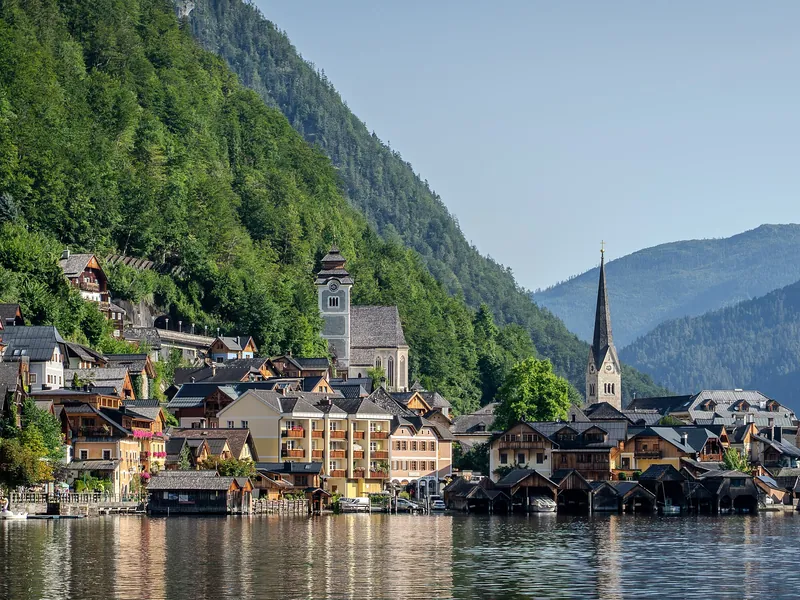
  • Austria is one of the most reliably family-friendly countries in Europe and the easiest introduction to the Alps. Summer mountain resorts are built around children — adventure playgrounds at the top of gondolas, alpine coasters, lake swimming that is genuinely warm by July — and the infrastructure is excellent everywhere. Vienna and Salzburg add city days without the heat and crowd levels of southern Europe, and distances are short enough that a single week can cover both.

    Best for ages
    0+
    Trip length
    7–12 days
    Best months
    Jan–Feb, Jun–Sep, Dec

    6 destinations · Salzburg, Tyrol, Vienna, Carinthia…

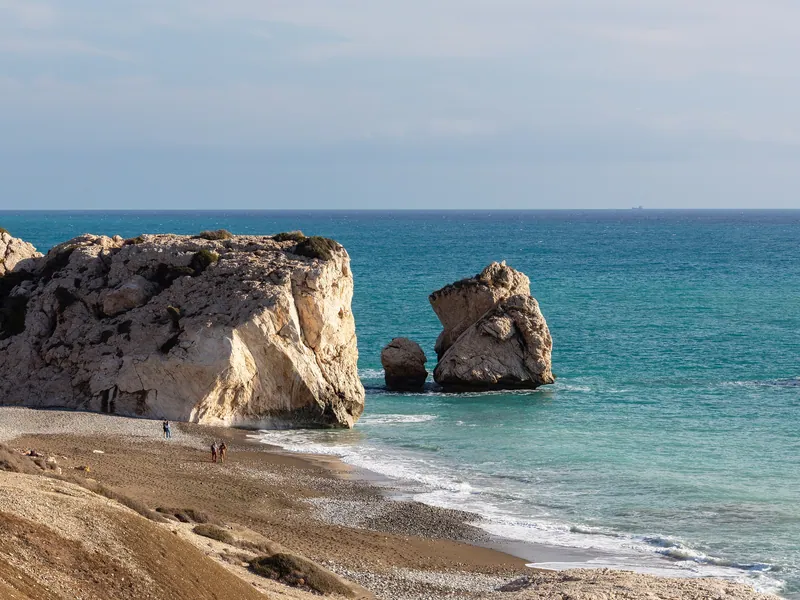
  • Cyprus is the lowest-effort family holiday in the eastern Mediterranean. The island has one of the longest swimming seasons in Europe, a dense supply of all-inclusive resorts built for families, calm Blue Flag beaches, and a short flight time from most of Europe and the Middle East. English is spoken everywhere and driving is straightforward outside the summer coastal traffic. It suits families who want one hotel and a week of sea rather than a route to follow.

    Best for ages
    0+
    Trip length
    7–10 days
    Best months
    Apr–Jun, Sep–Oct

    4 destinations · Paphos, Protaras, Limassol, Larnaca

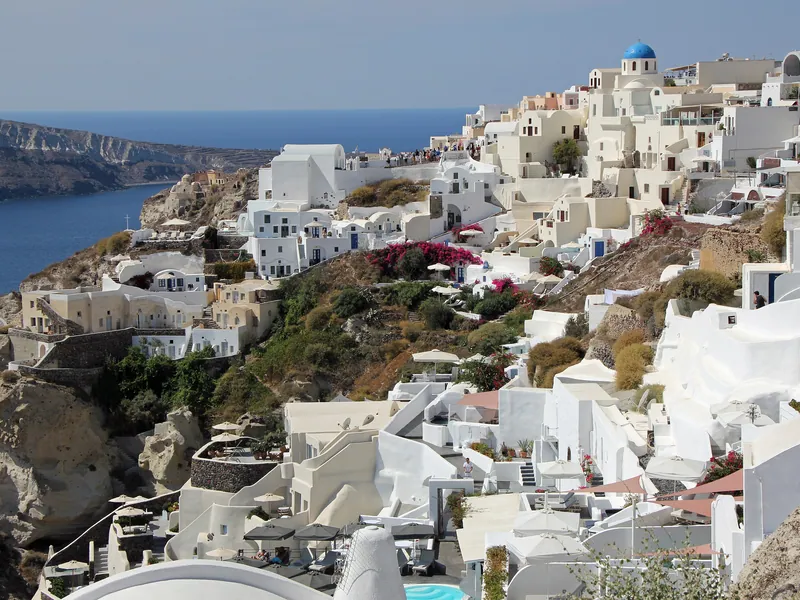
  • Greece is a dependable family choice for one reason above the beaches: the country is genuinely relaxed about children. They are welcome in restaurants at any hour, tavernas will happily produce plain food, and the pace suits families who do not want a schedule. The decision that matters is which island. The large ones — Crete and Rhodes — have real infrastructure, airports and enough variety for a week or more. The small, famous ones are photogenic, expensive and often awkward with young children.

    Best for ages
    0+
    Trip length
    7–12 days
    Best months
    May–Jun, Sep–Oct

    9 destinations · Crete, Rhodes, Athens, Corfu…

  • Europe

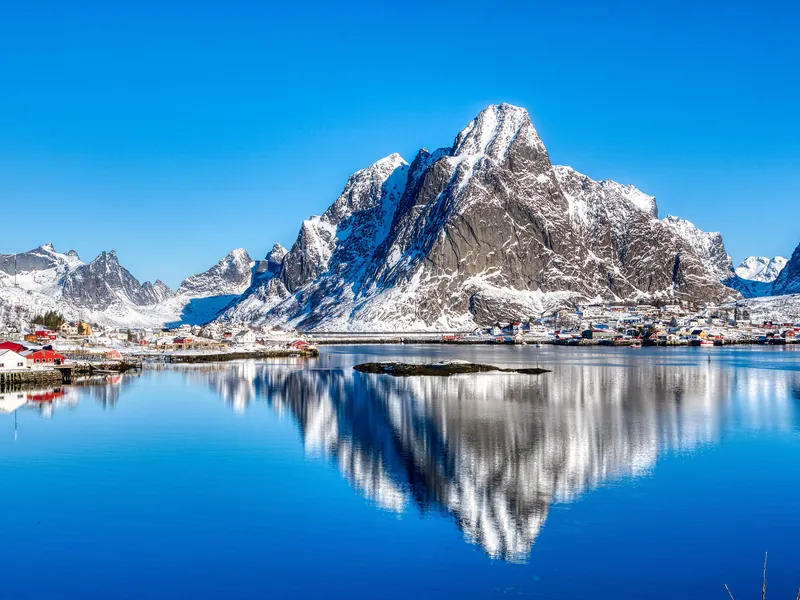
    Norway is the trip families take when the scenery is the point. Fjords, waterfalls and glaciers are visible from the road and the railway rather than requiring a hike, which makes it unusually workable with children — a ferry across a fjord or a ride on a mountain railway is a full attraction in itself. The summer midnight sun gives very long usable days. The caveat is cost: Norway is among the most expensive countries in Europe, and planning around that is most of the work.

    Best for ages
    4+
    Trip length
    6–12 days
    Best months
    Jun–Sep

    5 destinations · Bergen & the Fjords, Tromsø, Oslo, Lofoten…

  • Europe

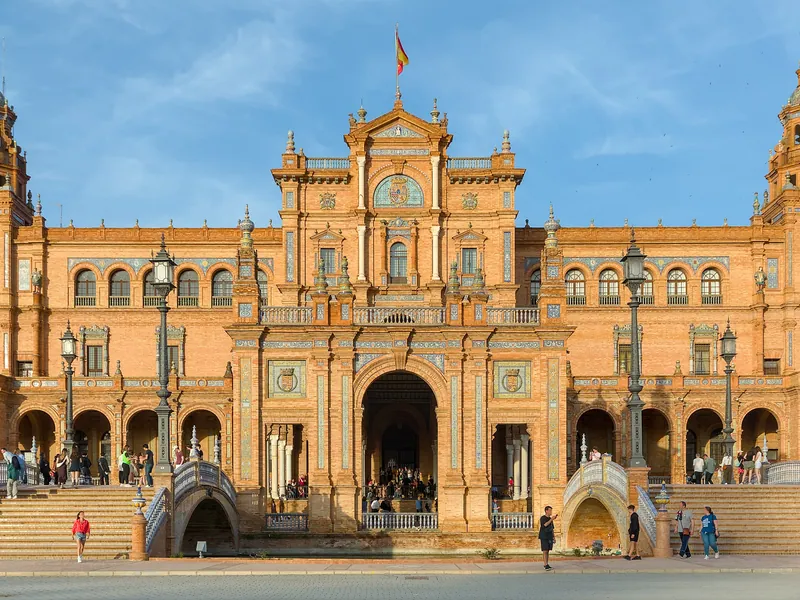
    Spain is one of the easiest European countries to travel with children. Flights are short from most of Europe, the high-speed rail network joins the big cities without a car, and children are treated as ordinary restaurant customers rather than a problem to be seated quickly. The range is unusual too: a city beach in Barcelona, quiet coves on the Costa Brava, a Mediterranean island with a mountain railway, an Andalusian city built around shaded courtyards, and a volcanic Atlantic island that works in January. The trade-offs are real — inland summers are punishing for young children, the eating clock runs two to three hours later than northern Europe, and the headline sights now run on timed tickets that sell out weeks ahead.

    Best for ages
    0+
    Trip length
    7–14 days
    Best months
    Apr–Jun, Sep–Oct

    7 destinations · Barcelona, Mallorca, Costa Brava, Seville…

  • Portugal with Kids: Where to Stay, Costs & When to Go

    Atlantic beaches, small cities & low costs

    Europe

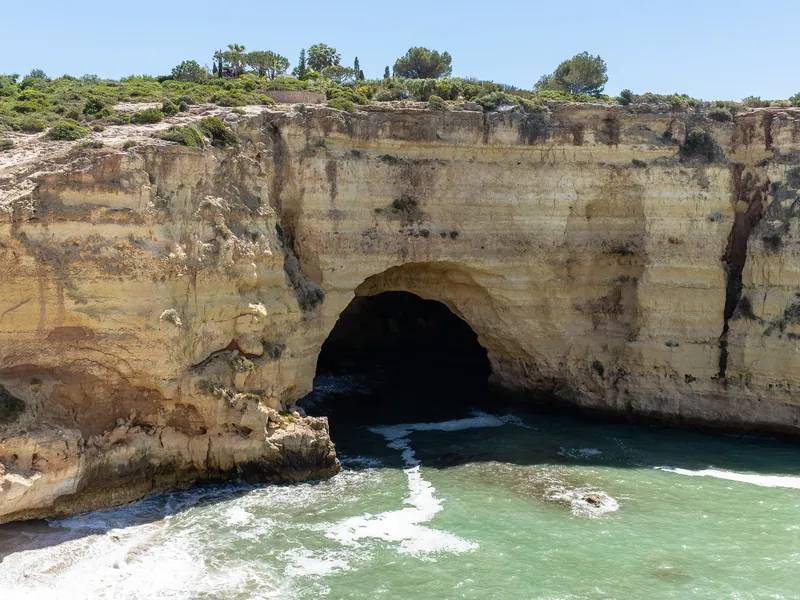
    Portugal packs an unusual amount of variety into a small, cheap and genuinely safe country: two walkable capitals a three-hour train apart, a southern coast built around family resorts, and an Atlantic island that works in months when the rest of Europe has closed its pools. Children are welcome in restaurants as a matter of course, portions are large and plain, and costs sit noticeably below Spain, France or Italy. The two trade-offs that shape a family trip are the terrain and the water. Lisbon and Porto are built on steep hills paved in polished limestone cobbles, which is hard work with a pushchair, and the Atlantic is cold — only the south-facing Algarve beaches warm up enough for small children to stay in for long.

    Best for ages
    0+
    Trip length
    7–12 days
    Best months
    Apr–Jun, Sep–Oct

    5 destinations · Lisbon, Algarve, Porto, Madeira…

  • Europe

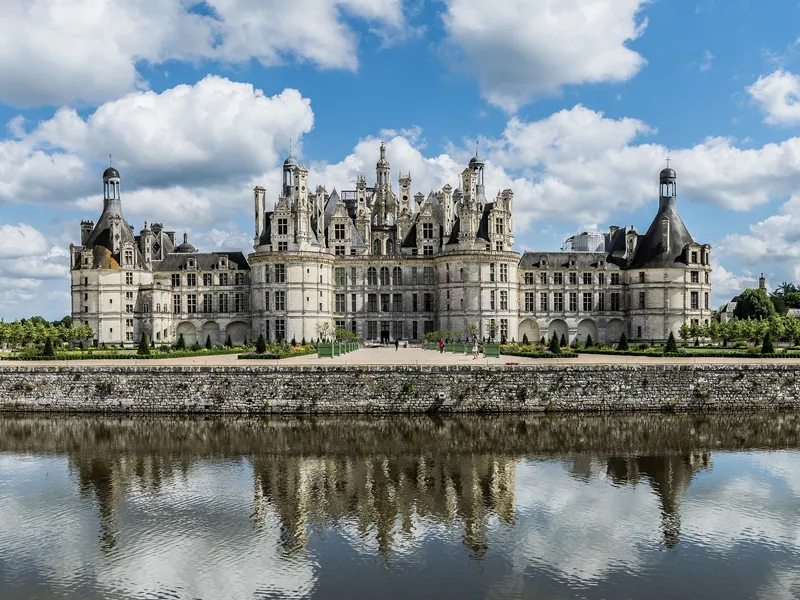
    France packs more variety into short distances than almost anywhere else in Europe: a capital city, Europe's largest theme park, an Atlantic coast, a Mediterranean hinterland, the highest Alps and a river valley full of castles all sit within a few hours of each other by train or car. Children are welcomed in restaurants, bakeries solve breakfast and lunch anywhere in the country, and most national museums admit under-18s free. The trade-offs are real: kitchens serve at fixed hours and almost nothing is cooked between them, August is when France itself goes on holiday so the coast and the motorways fill up, and Paris plus a Disneyland day is one of the most expensive weeks in this catalog.

    Best for ages
    0+
    Trip length
    7–14 days
    Best months
    Feb, May–Jul, Sep–Oct

    7 destinations · Paris, Provence, French Alps, Brittany…

  • Switzerland with Kids: Costs, Rail Passes & Where to Base

    Mountain railways, lakes & trains that work

    Europe

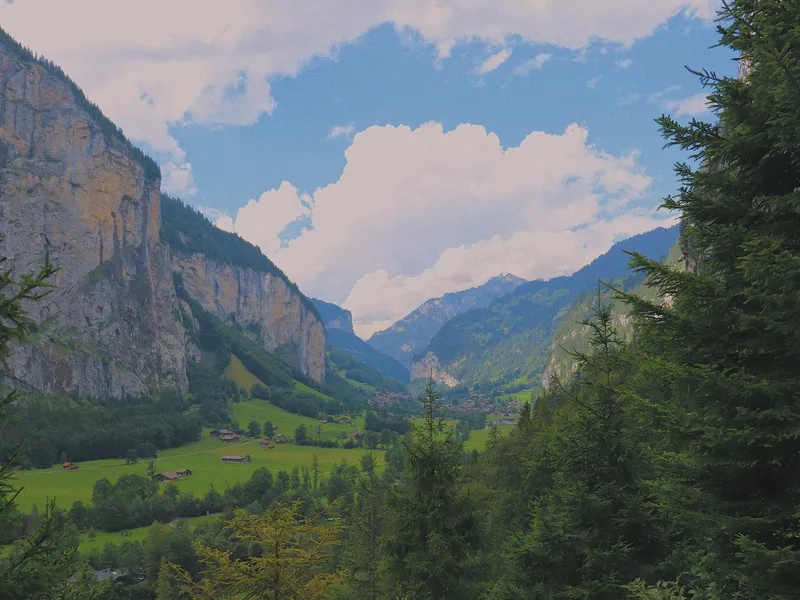
    Switzerland is the most expensive country in this catalog, and planning it honestly starts there: a family of four will spend roughly twice what the same trip costs in Spain or Greece, and a single summit excursion can cost more than a night's accommodation. What the money buys is a country where the logistics simply do not fight you — trains run to a clock-face timetable and connect to boats and mountain railways on the same ticket, villages are clean and safe enough that children can be given some independence, and the sightseeing itself is largely a matter of riding cogwheel railways, funiculars and cable cars rather than walking. For families, that last point is decisive: the transport is the attraction, so a four-year-old and a fourteen-year-old can have the same good day. The trade-offs are the cost, a summer season that is genuinely short in the mountains, and summit trips that are worthless in cloud yet still charge full price.

    Best for ages
    2+
    Trip length
    7–12 days
    Best months
    Jan–Mar, Jun–Sep, Dec

    5 destinations · Interlaken, Zermatt, Lucerne, Ticino…

  • Europe

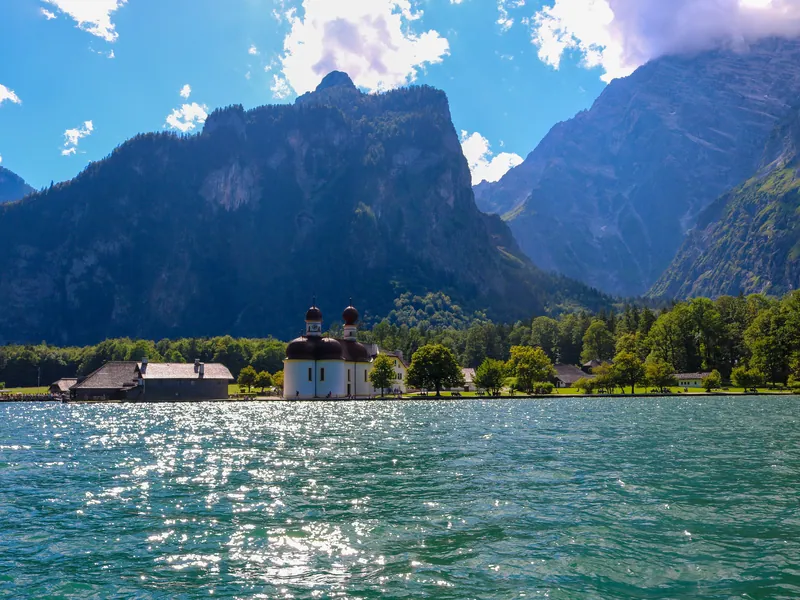
    Germany is one of the most practical countries in Europe to travel with children. Distances are short, the rail network reaches almost every region a family would want, playgrounds and changing facilities are treated as normal infrastructure rather than a favour, and the country holds two of the strongest theme parks in Europe alongside its castles and museums. The trade-offs are real: long-distance trains are frequently delayed, a large share of outdoor attractions close or cut back between November and March, and card payment is still refused in enough bakeries, guesthouses and ticket kiosks that cash has to be carried.

    Best for ages
    3+
    Trip length
    7–14 days
    Best months
    May–Sep, Dec

    5 destinations · Bavaria, Black Forest, Berlin, Rhine Valley…

  • Croatia with Kids: Where to Stay, Costs & When to Go

    Clear water, Roman towns & waterfalls

    Europe

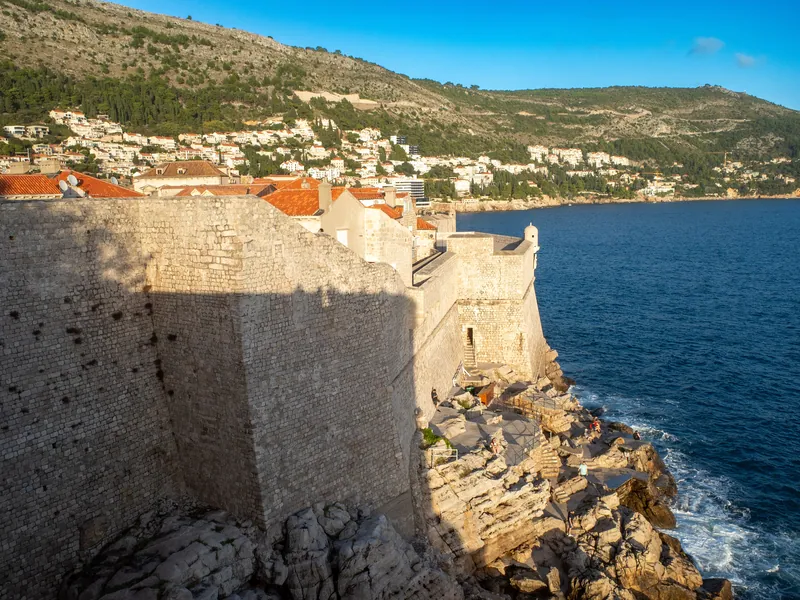
    Croatia is a short flight from most of Europe and delivers an unusual combination for a family: Roman and medieval towns children can walk through in an hour, national parks built around water, and a sea that is calm, clear and shallow enough near the shore to reassure a nervous swimmer. The single fact most guides leave out is that the beaches are pebble, shingle and bare rock rather than sand — water shoes are close to essential and change how a beach day works. The other trade-offs are a coastline that is long and thin, so distances take longer than a map suggests, and a July and August peak when the walled towns and the ferry routes are at their most crowded and expensive.

    Best for ages
    3+
    Trip length
    7–12 days
    Best months
    May–Jun, Sep

    4 destinations · Dubrovnik, Split, Istria, Plitvice Lakes

  • Slovenia is small enough that the whole country behaves like a single region: the Alps, the capital, the caves and the coast sit within roughly two hours' drive of each other, so a family can unpack once and still see all of it. That is unusual in Europe and it is the main reason the country suits families — fewer hotel changes, shorter transfers, and day trips that end back at a familiar room. The distances also mean the headline sights are shared by everyone, so Lake Bled in July and August is genuinely crowded. The other trade-offs are a thin schedule of direct flights into Ljubljana, and a coastline of only about 46 kilometres with pebble and concrete bathing platforms rather than long sandy beaches.

    Best for ages
    0+
    Trip length
    6–10 days
    Best months
    May–Sep

    3 destinations · Lake Bled, Ljubljana, Piran

  • Iceland with Kids: Driving, Costs & When to Go

    Volcanoes, waterfalls & hot pools

    Europe

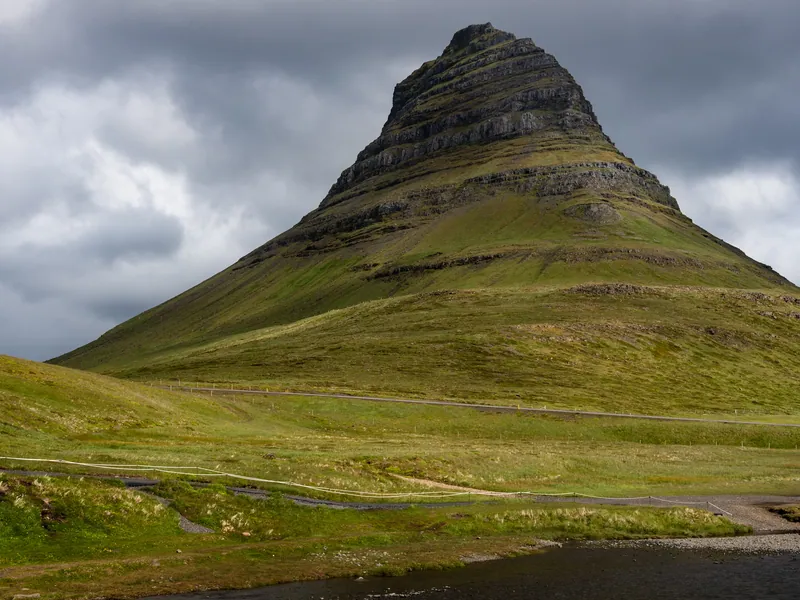
    Iceland puts big landscape within a few metres of a car park: waterfalls, geysers, glaciers and black-sand beaches are reached on short paths rather than hikes, which is what makes it workable with children. Every town has a heated outdoor geothermal pool, and those pools end up being the part most families remember. Two things have to be planned around honestly. It is expensive — among the most costly countries in Europe for food, fuel and family rooms — and the weather is the binding constraint on every day, with wind and driving rain possible in any month.

    Best for ages
    4+
    Trip length
    5–10 days
    Best months
    May–Sep

    3 destinations · Reykjavík, Golden Circle, South Coast

  • Europe

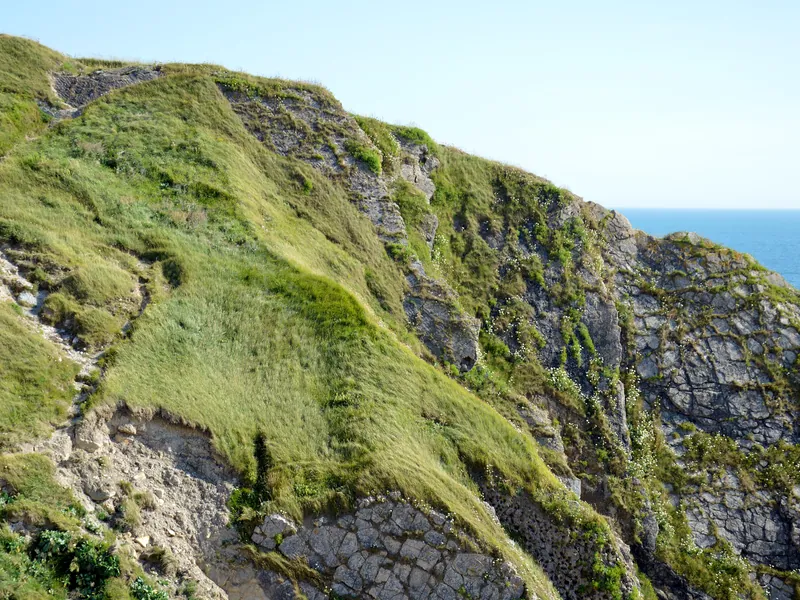
    The United Kingdom packs a very large amount of variety into short distances: a capital city whose national museums charge nothing for entry, surf beaches in Cornwall, mountains in the Scottish Highlands and walkable fells in the Lake District, all reachable by rail or a few hours of driving. There is no language barrier, tap water is drinkable everywhere, and children are expected in pubs, museums and on trains. Two things dominate the planning. Accommodation is expensive, London especially, and the weather is the binding constraint outside the city — rain arrives on any day of the year, so every outdoor plan needs a workable indoor version rather than a hope.

    Best for ages
    3+
    Trip length
    7–14 days
    Best months
    May–Sep

    5 destinations · London, Cornwall, Scottish Highlands, Lake District…

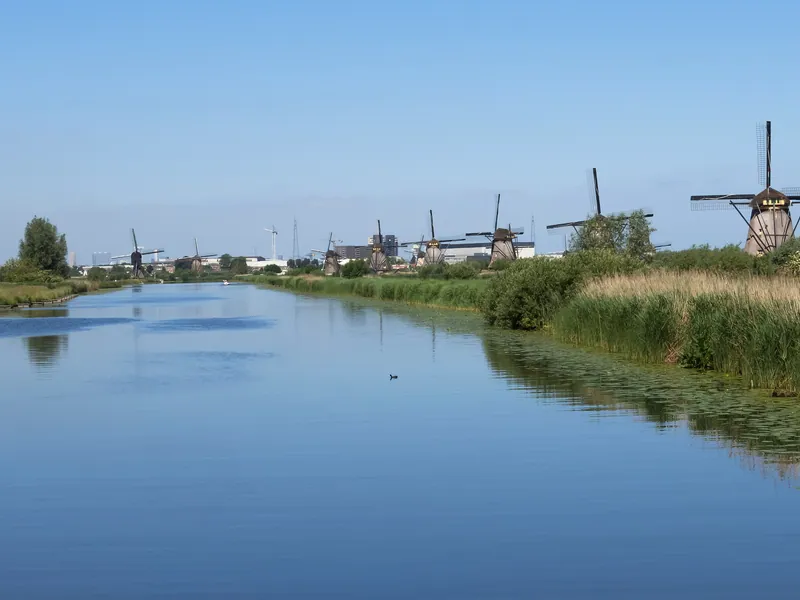
  • The Netherlands is small, flat and organised around the bicycle, which changes what a family day looks like: for children old enough to ride, the transport between stops becomes the activity rather than the cost of it. Distances are short enough that a coast day and a forest day can sit in the same week, trains reach almost every town, and English is spoken more or less universally. The trade-offs are real, though. The weather is grey, wet and windy in any month, so a trip planned entirely around outdoor days will lose some of them; Amsterdam accommodation is among the most expensive in Europe once the percentage-based city tourist tax is added; and the same cycling culture that makes the country easy also means fast bike traffic that treats a wandering pedestrian as the obstacle.

    Best for ages
    3+
    Trip length
    6–10 days
    Best months
    Apr–Sep

    3 destinations · Amsterdam, Zeeland, Veluwe

  • Europe

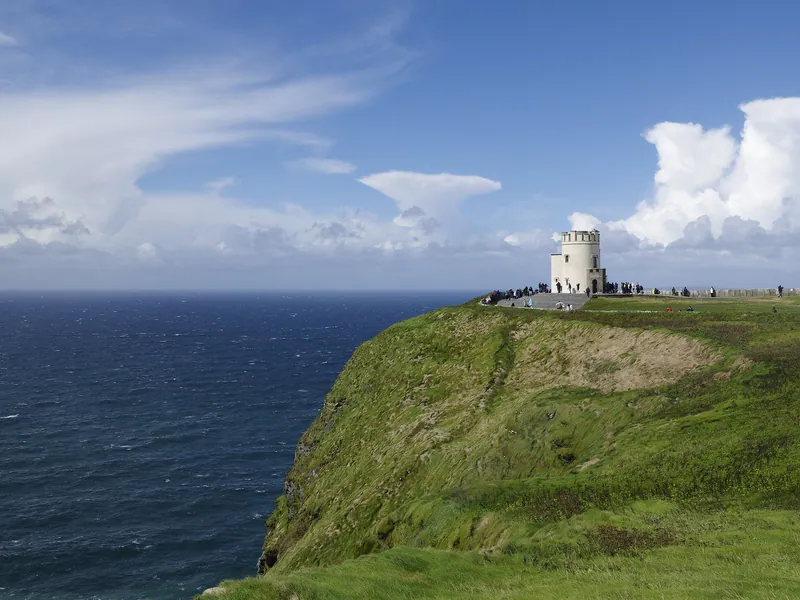
    Ireland is a small country with a very long coastline, and almost everything a family comes for sits on it: Atlantic strands, mountain passes that drop to sea level within a few kilometres, stone forts on headlands with no ticket office, and a capital city whose national museums charge nothing to walk into. English is spoken everywhere, tap water is drinkable, and children are expected in pubs at lunchtime, on trains and in guesthouse dining rooms. Two constraints dominate the planning and neither of them goes away. The weather is genuinely unreliable from May to September — rain on any given day is normal rather than unlucky, and the west can be roughly twice as wet as Dublin — so every outdoor plan needs a named indoor alternative rather than optimism. And distances that look trivial on a map are not: outside the motorway corridors radiating from Dublin, roads are narrow, winding and slow, and an eighty-kilometre hop across a peninsula can take the best part of two hours.

    Best for ages
    3+
    Trip length
    7–12 days
    Best months
    May–Sep

    4 destinations · Dublin, Ring of Kerry, Galway & Connemara, West Cork

  • Europe

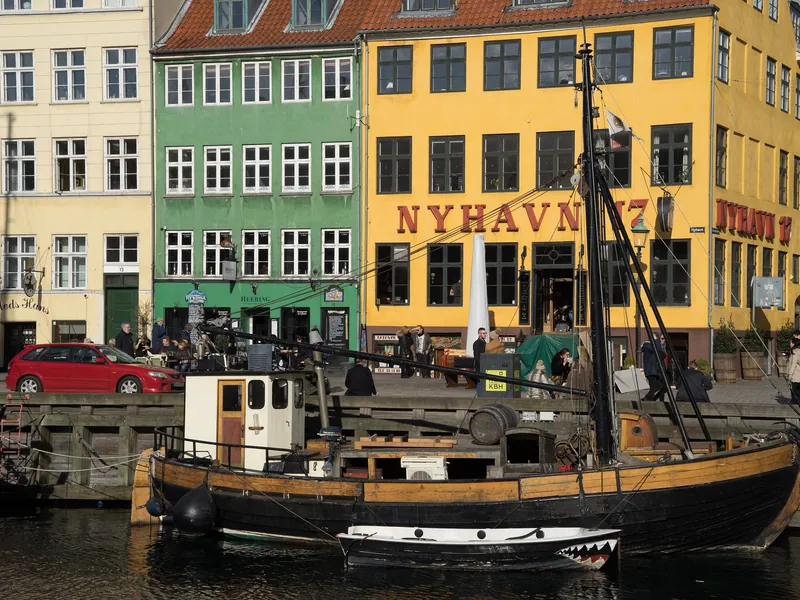
    Denmark is small, flat and organised around the assumption that children are part of ordinary public life, which removes most of the friction from a family trip: kerb-separated cycle lanes make a five-year-old on a bike a realistic way to cross a capital city, trains cover the distance between the three or four places worth stopping, and the country's biggest attractions are built for primary-school children rather than tolerating them. The two honest problems are cost and weather. Denmark sits among the most expensive countries in Europe for eating out and for a family room, and the window in which the beaches, the open-air museums and the amusement parks all reliably work is narrow — roughly late June to late August, with rain possible in any of those weeks. Plan the budget and the wet-day alternatives first and the rest of the trip is unusually easy.

    Best for ages
    2+
    Trip length
    7–12 days
    Best months
    May–Sep

    4 destinations · Copenhagen, Billund, Aarhus, North Jutland

  • Sweden with Kids: Where to Stay, Costs & When to Go

    Islands, forests & child-first cities

    Europe

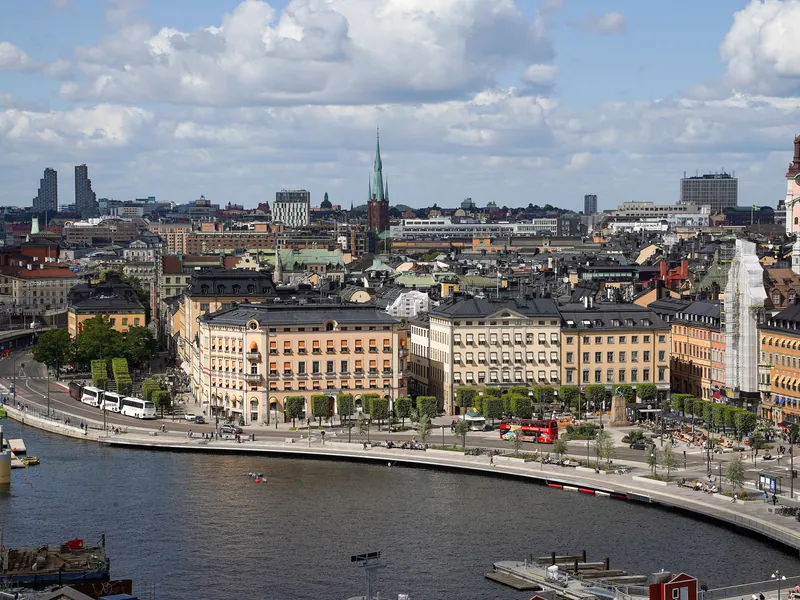
    Sweden is a country whose public infrastructure openly assumes children: changing tables in both sets of toilets, high chairs as standard, children's menus almost everywhere, and city buses that carry an adult with a pram for free. It also has a legal right of public access — allemansrätten — which lets anyone walk, swim, forage and camp a night on uncultivated land, so a lake shore or a berry wood is a legitimate afternoon rather than someone's private property. The range is unusual for one country: a ferry-served archipelago capital, a theme-park city, a flat cycling-and-castles south, and an Arctic north that runs on a completely different calendar. The trade-off is cost, which is high in absolute terms and highest at restaurant tables, and a summer season that does most of the work — much of what makes Sweden good with children is outdoors, and outdoors is a narrow window.

    Best for ages
    0+
    Trip length
    7–12 days
    Best months
    Jun–Sep

    4 destinations · Stockholm, Gothenburg, Swedish Lapland, Skåne

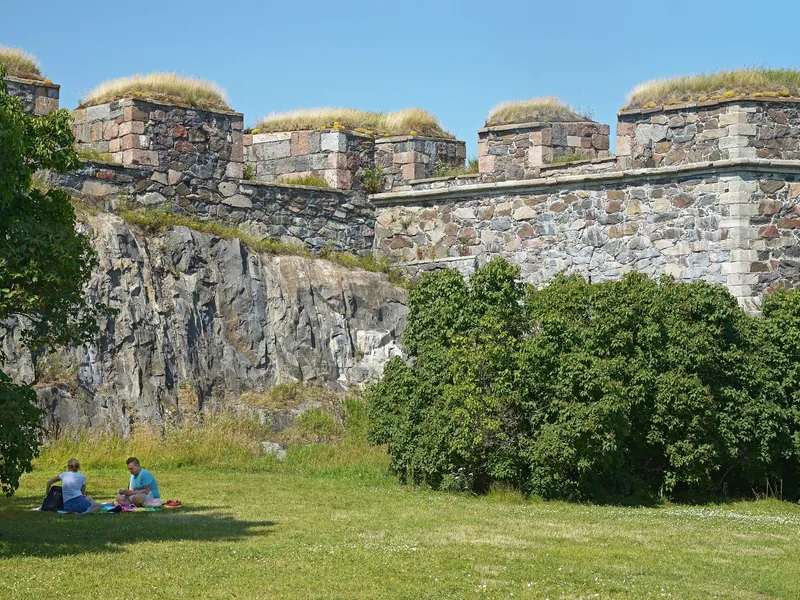
  • Finland is a quiet, extremely well-organised country where the two things families come for sit at opposite ends of it: a compact, walkable capital on the Baltic, and a genuine sub-arctic winter roughly 800 km to the north. Almost everything is built with children assumed rather than tolerated — playgrounds in every district, prams accommodated on public transport, a sauna in most cabins and hotels, and forest or lake within a short walk of any town. The two honest trade-offs are the calendar and the price. Much of what makes the south worth visiting runs only from June to August, and Lapland in December is one of the most expensive weeks in Europe for a family, booked out many months in advance.

    Best for ages
    3+
    Trip length
    6–12 days
    Best months
    Feb–Mar, Jun–Aug, Dec

    3 destinations · Helsinki, Finnish Lapland, Turku & the Archipelago

  • Poland with Kids: Where to Stay, Costs & When to Go

    Big value, fast trains & real mountains

    Europe

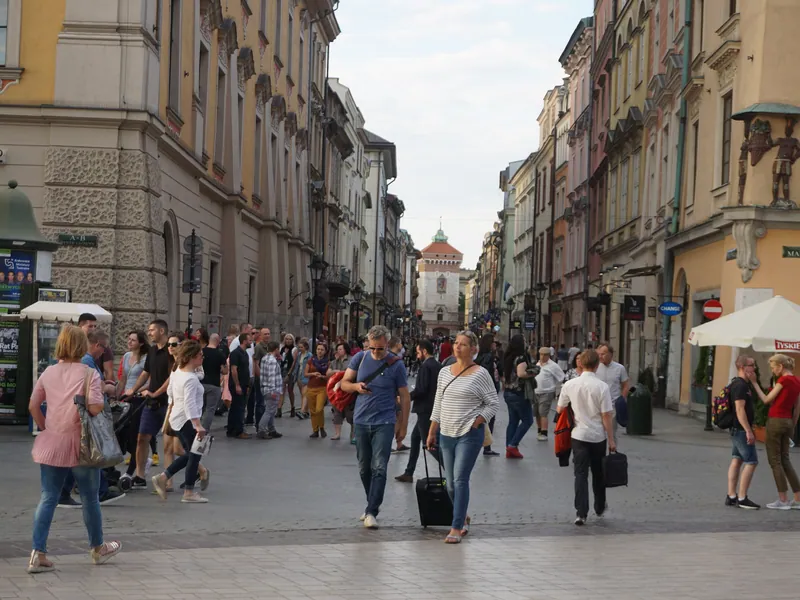
    Poland is one of the best-value countries in the European Union for a family, and the saving shows up in the things that usually get cut: two rooms instead of one, eating out every evening, and a museum ticket nobody has to think twice about. The practical spine is the rail network — the rebuilt trunk lines connect Kraków, Warsaw and Gdańsk at speeds that make a three-city trip work without a car — and the cities themselves are flat, tram-served and unusually well supplied with public playgrounds. The trade-offs are real: the weather is northern and changeable rather than reliable, the Baltic is cold even in August, and Poland's twentieth-century history is present at almost every sight, which means some of the country's most important places are emphatically not family outings. Most of the mountains and the coast are also domestic holiday destinations first, so July and August bring Polish crowds rather than international ones, and they are heavier than most visitors expect.

    Best for ages
    3+
    Trip length
    7–12 days
    Best months
    May–Sep

    4 destinations · Kraków, Gdańsk, Warsaw, Zakopane

  • Europe

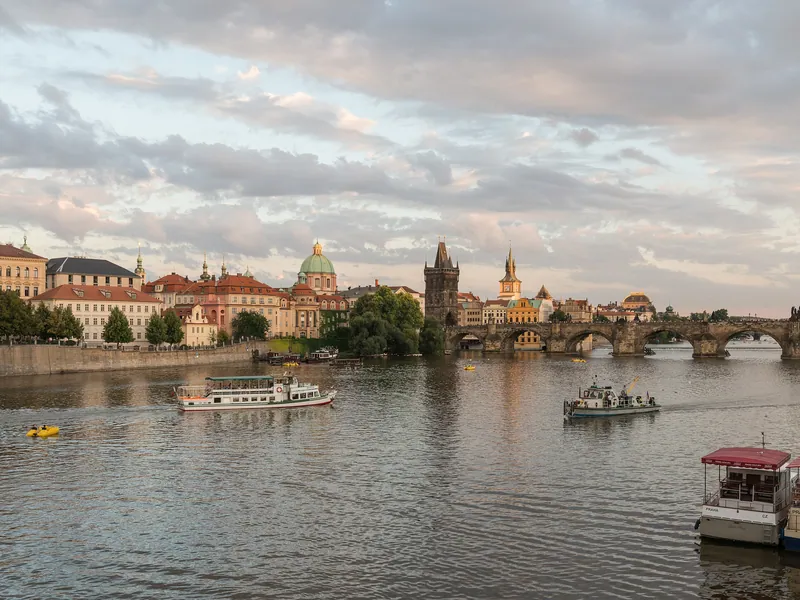
    Czechia packs a capital city, a river-bend medieval town and a sandstone rock wilderness into a country smaller than England, and the trains and coaches between them are cheap, frequent and comfortable enough that a family never needs a car. Prices are the other reason families come: a restaurant meal, a family room and an attraction ticket all cost visibly less than in Germany or Austria next door, without the infrastructure feeling any rougher. The trade-off is the surface underfoot. Historic centres are paved in granite setts, the good buildings are old buildings with stairs rather than lifts, and the famous corners of Prague and Český Krumlov are crowded to the point of unpleasantness through the middle of the day. Families who plan around both — early starts, a carrier instead of a pushchair — get an easy country; families who do not spend a week fighting it.

    Best for ages
    3+
    Trip length
    7–10 days
    Best months
    May–Sep, Dec

    3 destinations · Prague, Český Krumlov, Bohemian Switzerland

  • Hungary with Kids: Where to Stay, Costs & When to Go

    Thermal water, a shallow lake & low prices

    Europe

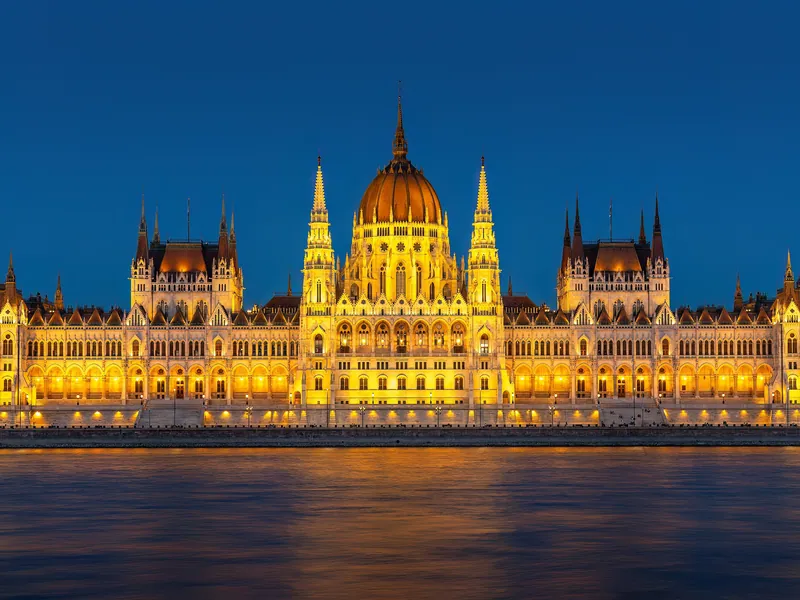
    Hungary gives a family two things that are hard to find together in Europe: a major capital that can be seen on foot and by tram, and a genuinely cheap week once the flights are paid for. Thermal water runs under most of the country, so the default family activity is a bath complex with shallow pools and slides rather than another church, and Lake Balaton adds a warm, shallow inland sea that behaves like a beach holiday without the flight to the Mediterranean. The country is also flat and compact, which keeps transfers short and makes the train a realistic alternative to a hire car. The trade-offs are summer heat — July and August afternoons in Budapest and on the Great Plain regularly sit above 30°C with little shade — and a language with no useful relatives, so signage outside the main tourist areas takes work.

    Best for ages
    0+
    Trip length
    6–10 days
    Best months
    May–Sep

    3 destinations · Budapest, Lake Balaton, Eger

  • Malta with Kids: Where to Stay, Costs & When to Go

    Warm sea, walled cities & short distances

    Europe

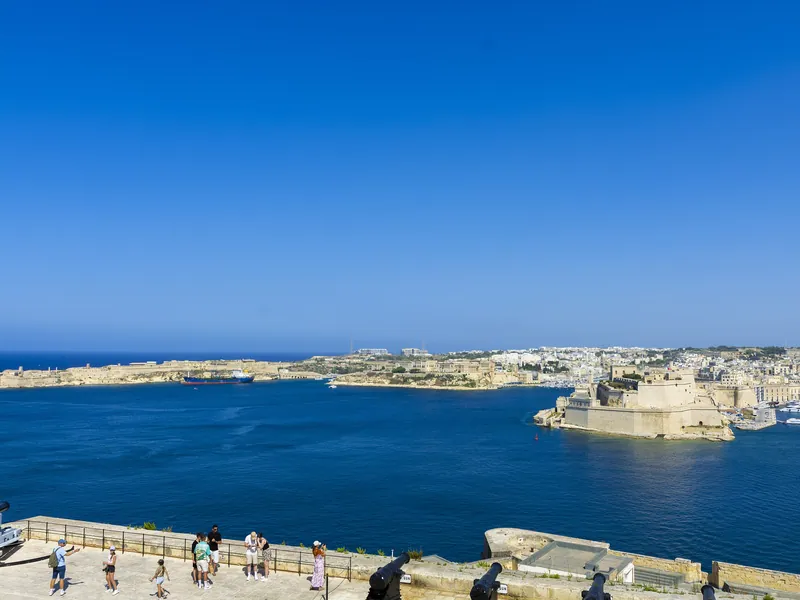
    Malta is a small, dense, English-speaking archipelago where nothing is more than about an hour from anything else, which is the single biggest advantage it has for families: one base covers the whole country. The islands are also mostly rocky coast, and that is the fact to absorb before booking — genuine sandy beaches are few, and the main family sand is Mellieħa Bay (Għadira) and Golden Bay in the north-west, plus Ramla Bay on Gozo. Everywhere else, swimming means flat rock, ladders and concrete lidos, which suits confident swimmers and is hard work with toddlers. Against that, the walled cities are compact enough for short visits, the sea stays warm into late autumn, and driving is on the left with road signs and menus in English. High summer is the other trade-off: heat with very little shade, and the few sandy beaches absorbing the whole island at once.

    Best for ages
    3+
    Trip length
    5–9 days
    Best months
    May–Jun, Sep–Oct

    3 destinations · Sliema & St Julian's, Gozo, Mellieħa

  • Turkey with Kids: Where to Stay, Costs & When to Go

    Resort coast, ruins & short flights

    Europe

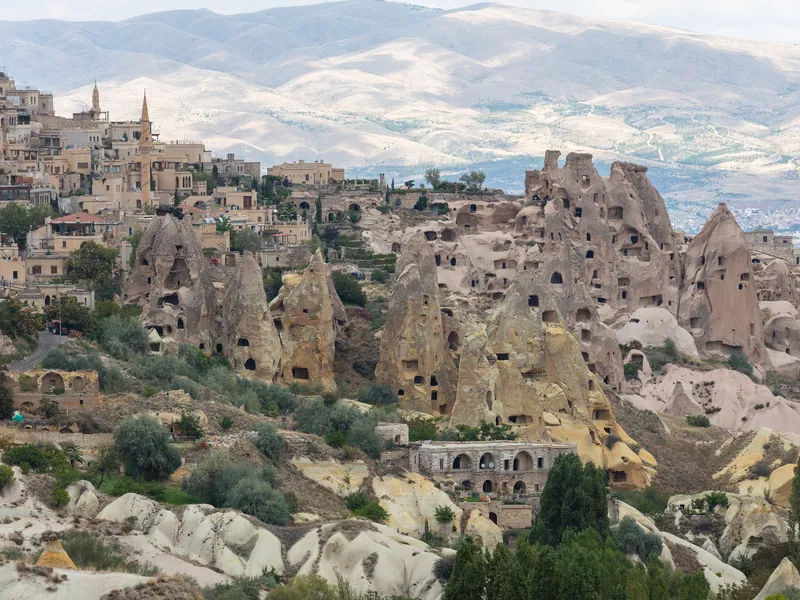
    Turkey offers two very different family trips from the same short flight: a Mediterranean resort coast built around children on an industrial scale, and a set of genuinely strange places — Istanbul's cross-continent ferries, Cappadocia's carved rock valleys — that hold a child's attention without a single ride. Cost is the other draw, and the gap against Greece, Spain or Italy is real rather than marginal. The country is large, though, so combining the coast with Istanbul or Cappadocia means a domestic flight rather than a drive, and summer heat on the south coast is extreme enough to dictate the shape of the whole day. Prices are quoted in a currency that moves: the value holds up, but any precise figure found months ahead should be read as a rough band rather than a quote.

    Best for ages
    0+
    Trip length
    7–12 days
    Best months
    May–Jun, Sep–Oct

    4 destinations · Antalya, Istanbul, Cappadocia, Fethiye

North America1

  • The United States with Kids: Where to Go in Every State

    Fifty states, national parks & long drives

    North America

    The United States is less a destination than a continent with one passport, and the single most useful thing to accept early is that it cannot be seen in one trip. A family flying in for two weeks is choosing one region — New England in autumn, the Utah parks in spring, Florida in winter — not a country. The practical advantages are real: almost everything is set up for children, portions and hotel rooms are large, family rooms genuinely sleep four, and English removes the friction that tires parents out elsewhere. The costs sit on the other side of the ledger. Distances are long enough that a hire car is usually the trip rather than an add-on, internal flights are often unavoidable, tipping and taxes add roughly a fifth to the advertised price of everything, and healthcare is charged at rates that make travel insurance non-optional rather than prudent. Judged region by region rather than as a whole, it is one of the easiest places in the catalog to travel with children.

    Best for ages
    0+
    Trip length
    8–16 days
    Best months
    Apr–Jun, Sep–Oct

    50 destinations · Bar Harbor, North Conway, Stowe, Boston…

Asia3

  • Japan is one of the easiest long-haul destinations to travel with children. It is exceptionally safe, spotlessly clean, and the rail network reaches almost everywhere you would want to go without a car. Cities are dense but navigable, food is available at every price point including convenience stores that children genuinely like, and the mix of modern attractions and traditional sites gives a two-week trip real variety. The trade-offs are crowding in peak season, hotel rooms that are small by European standards, and older stations with stairs rather than lifts.

    Best for ages
    5+
    Trip length
    10–16 days
    Best months
    Mar–May, Sep–Nov

    9 destinations · Tokyo, Hakone, Kyoto, Osaka…

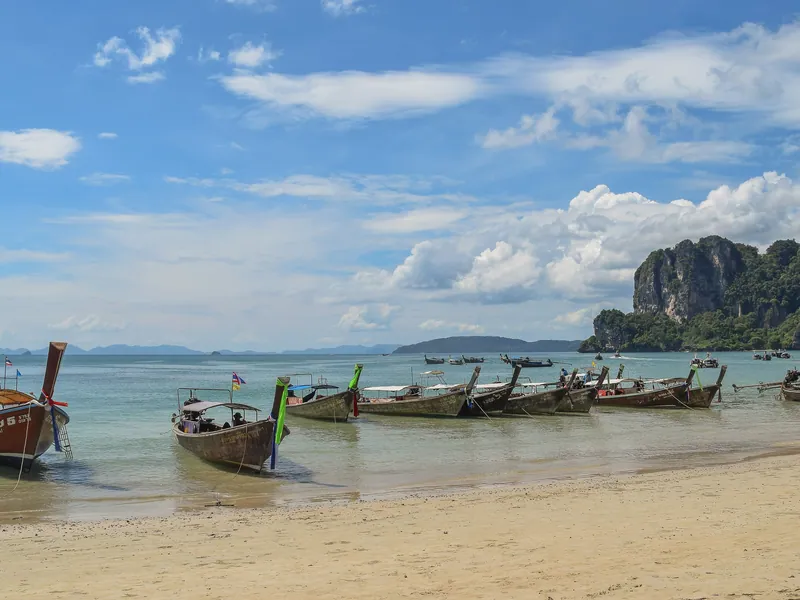
  • Thailand offers more per euro than almost anywhere else a family can fly to. Children are genuinely welcomed rather than tolerated, resorts include facilities that would be premium extras in Europe, and the mix of beaches, elephants, temples and night markets keeps a two-week trip varied. The planning problem is movement: the country is large, the good bits are far apart, and families who try to see Bangkok, the north and two islands in ten days spend most of the trip in transit.

    Best for ages
    4+
    Trip length
    10–16 days
    Best months
    Jan–Mar, Nov–Dec

    5 destinations · Bangkok, Phuket, Chiang Mai, Krabi…

  • Asia

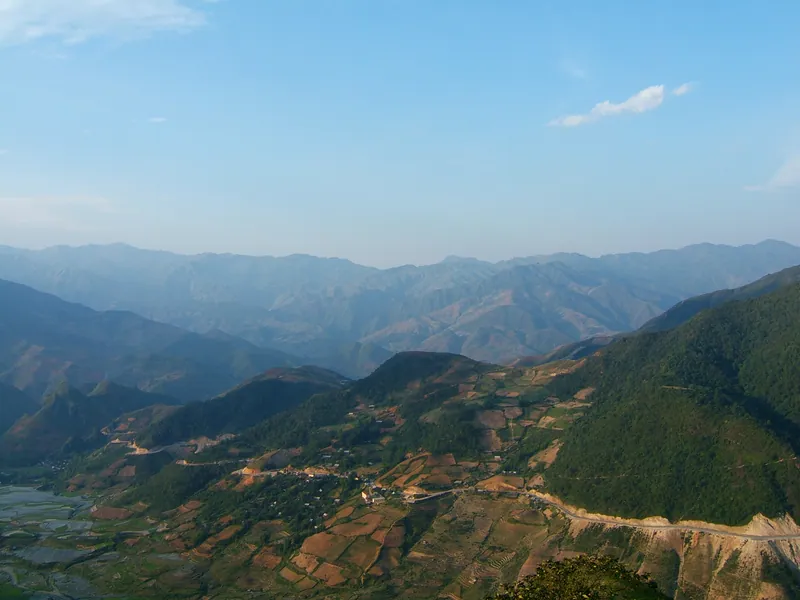
    Vietnam gives a family an unusual amount for the money: a dense, food-obsessed capital, limestone valleys crossed by rowing boat, a lantern-lit merchant town on the central coast, and island beaches in the far south. Children are made a fuss of almost everywhere, food is cheap and largely mild in the north, and domestic flights are short and inexpensive enough that a 1,700 km country is genuinely coverable in two weeks. The two real difficulties are weather and traffic. Vietnam runs on three different climate calendars, so the month that suits Hanoi may be the month that floods Hội An, and a single national best season does not exist. City traffic is dominated by motorbikes, crossing roads with small children takes a technique rather than a gap, and child car seats are rarely offered in taxis or hired cars.

    Best for ages
    5+
    Trip length
    12–16 days
    Best months
    Feb–Apr, Nov–Dec

    4 destinations · Hanoi, Ninh Bình, Hội An, Phú Quốc

Middle East1

  • Middle East

    The UAE is built for short, high-intensity family trips. Dubai and Abu Dhabi between them hold a concentration of theme parks, water parks, aquariums and indoor attractions that no other short-haul destination matches, almost all of them air-conditioned. Flights are short from Europe and the Middle East, the infrastructure is flawless, and English is used everywhere. The two constraints are cost — attraction tickets for a family add up fast — and heat, which dictates the shape of every day from May to September.

    Best for ages
    3+
    Trip length
    5–8 days
    Best months
    Jan–Mar, Nov–Dec

    3 destinations · Dubai, Abu Dhabi, Ras Al Khaimah

More destinations are being added

Each guide takes time to research and review properly, so the catalog grows deliberately rather than quickly. Every country here answers the same questions in the same order — which is what makes them comparable.

How we research