 14 days€€€Japan
Japan Highlights
Cities, culture and the classic route, at a pace that suits kids
- Best for ages
- 6+
- Pace
- Moderate
- Driving
- No car needed
CityCultureTheme parks
View trip
Asia · 9 destinations
Japan is one of the easiest long-haul destinations to travel with children. It is exceptionally safe, spotlessly clean, and the rail network reaches almost everywhere you would want to go without a car. Cities are dense but navigable, food is available at every price point including convenience stores that children genuinely like, and the mix of modern attractions and traditional sites gives a two-week trip real variety. The trade-offs are crowding in peak season, hotel rooms that are small by European standards, and older stations with stairs rather than lifts.
Suits up to 16
Higher-end
Very low crime, excellent public hygiene and children treated as welcome in almost every setting.
Noodles, rice dishes, grilled skewers and bakery items suit cautious eaters; convenience stores cover the gaps.
Shrines, castles and craft workshops that hold a child's attention in short visits.
Mountains, hot springs and coastal parks are within easy reach of the main cities.
Punctual, frequent trains connect every major stop; no rental car is needed on the classic route.
Theme parks and digital museums for younger children, cities and history for teenagers.
14 days€€€JapanCities, culture and the classic route, at a pace that suits kids
 10 days€€€Japan
Three cities, one day trip, no wasted days
Where to stay
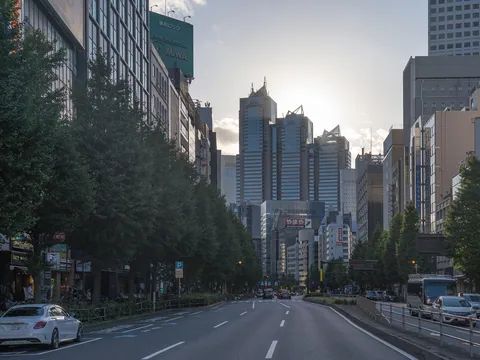
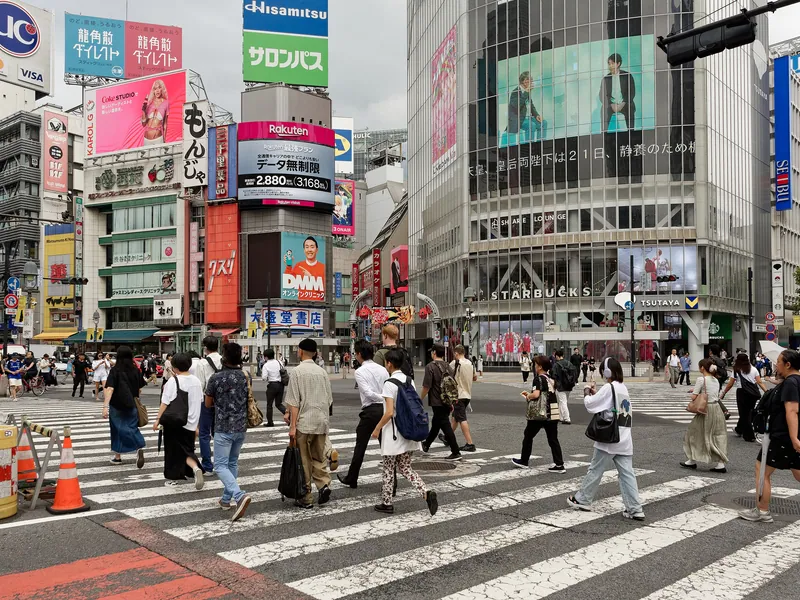
Shinjuku has the densest cluster of hotels that genuinely sleep four or five in one room, and direct lines to both airports, Hakone and the rest of the city.
Fitting a family in
Look for rooms described as quad, family or 'triple + extra bed'. Japanese hotel rooms are small: confirm the stated maximum occupancy rather than assuming a sofa bed exists.
Watch out. The station is enormous and poorly signposted at first. Pick a hotel with an exit number in its directions.
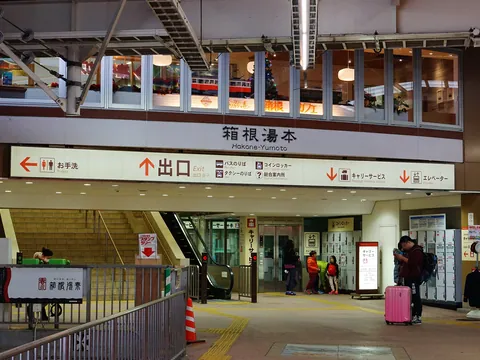
A hot-spring inn is the reason to stop in Hakone at all, and a private or family bath removes the two issues that complicate onsen with children: gender separation and tattoo rules.
Fitting a family in
One tatami room typically sleeps a whole family. Confirm whether children's meals are included and at what age they are charged as adults.
Watch out. Meal times are fixed and early, often 18:00. Rates with dinner included are high compared with a city hotel.
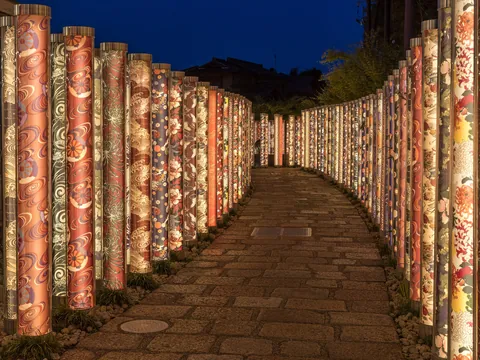
Kyoto's buses are the hard part of the city with children. Staying at the station cuts most journeys to a single ride and puts Nara, Osaka and the Shinkansen on the doorstep.
Fitting a family in
Family rooms in Kyoto book out months ahead for cherry-blossom and autumn-colour weeks. Reserve earlier here than anywhere else in Japan.
Watch out. The station district has little atmosphere in the evening compared with Gion or the river.
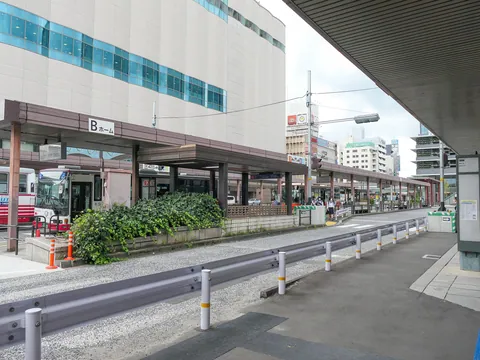
Most families spend one night in Hiroshima between two longer train legs. Staying at the station removes a luggage transfer at both ends, and the trams to the Peace Park and the JR line to the Miyajima ferry both leave from the forecourt.
Fitting a family in
The business-hotel chains around the station carry most of the city's triples and quads. Rooms are small, so check the stated maximum occupancy rather than assuming an extra bed will fit.
Watch out. The station side has little atmosphere in the evening, and the Peace Park is a 15-minute tram ride rather than a walk.
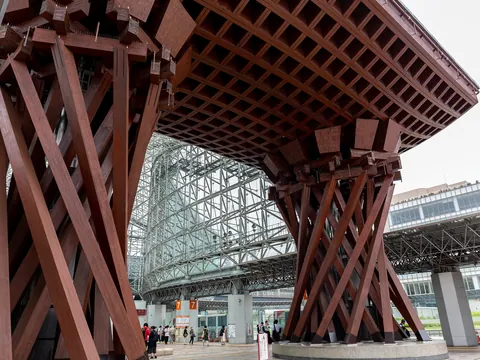
The station end has the newest hotels and the highest concentration of rooms that genuinely sleep four, and the loop bus to the garden, the market and both historic districts leaves from the terminal below.
Fitting a family in
Newer station-side hotels carry more quad and connecting rooms than the centre. Twin rooms with an extra bed are common but tight for four.
Watch out. A 25-minute walk or a bus ride from Kenrokuen and the restaurants of Katamachi, so every evening ends with a journey back.
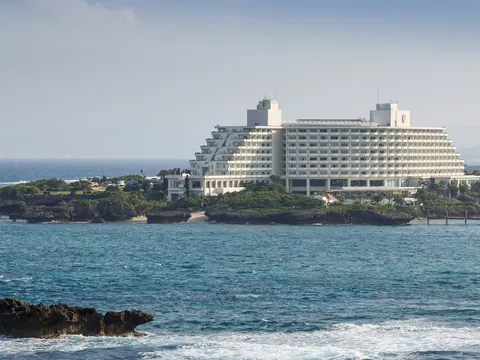
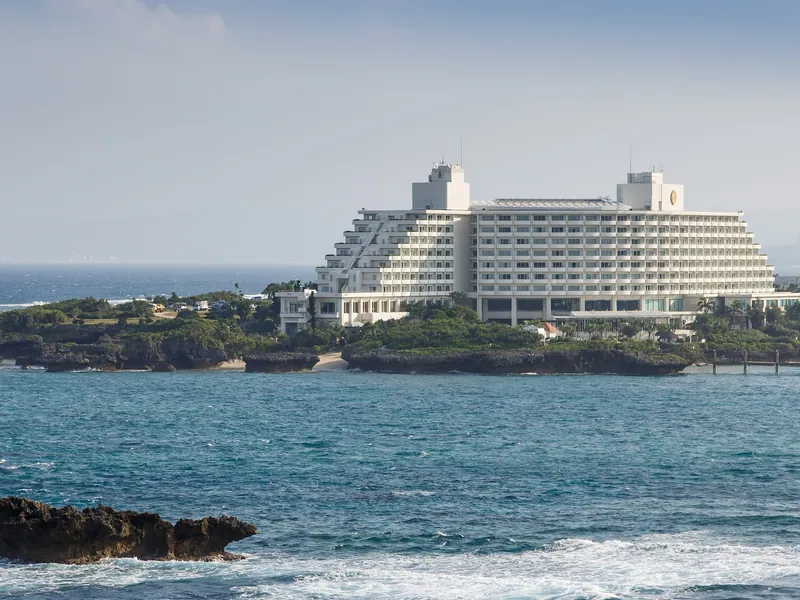
The west-coast strip is the only part of Okinawa that works as a beach week without a long daily drive: a netted hotel beach, pools on site, and roughly an hour to the aquarium in one direction and to Naha in the other.
Fitting a family in
Resorts on this coast are built for domestic family travel, so four-person rooms with two double beds are common and need no special search.
Watch out. A car is effectively required — there is little within walking distance of most properties, so resort restaurants become the default every evening. Rates spike in Japanese school holidays, and beaches close outright during typhoon warnings.
Sapporo is the one place on the island where a family needs no car, which makes it the sensible first and last stop: the airport train arrives inside the station building, the subway and a long underground concourse link the station to Odori without going outside, and the food halls and arcades absorb a wet or a freezing day.
Fitting a family in
The business-hotel chains around the station carry most of the city's triples and quads and the rooms are small. Apartment-style rooms with a kitchenette suit four better and are easier to find here than anywhere else in Hokkaido.
Watch out. Rates and availability across the whole city tighten sharply for the February festival week and the New Year period. Sapporo is also the least distinctive part of the island, so every landscape day begins with a two-hour journey out and ends with the same one back.
Some links on this page are affiliate links. If you book through one, the price is the same for you and we may earn a commission. How this works.
Tokyo
Room-scale interactive digital artworks that respond to movement and touch. Entry is by timed slot and sessions sell out well in advance in peak season.
Good to know. Mirrored floors make skirts impractical, and some rooms are dark and disorienting for younger children.
Hakone
A loop combining a switchback mountain railway, a cable car, an aerial ropeway and a boat across Lake Ashi. The Hakone Free Pass covers the whole circuit.
Good to know. The ropeway closes at short notice for volcanic gas or high wind. Check the status before setting out.
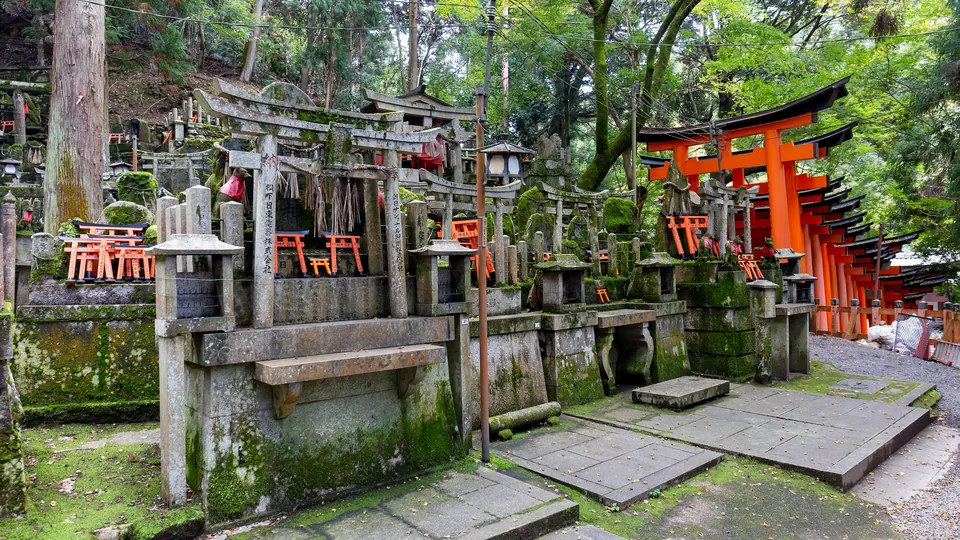
Kyoto
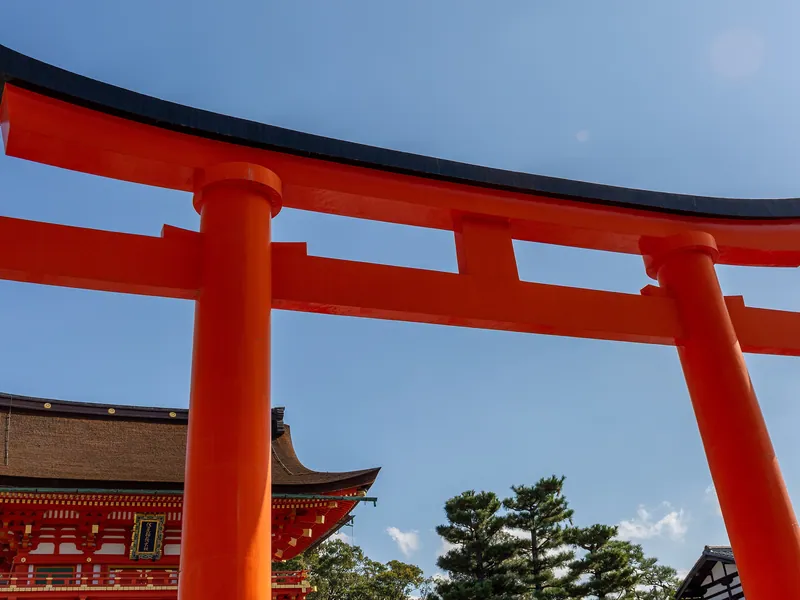
Thousands of vermilion torii gates climbing a mountainside. Free, open 24 hours, and crowded from mid-morning onwards.
Good to know. The full summit loop is 2–3 hours of steady climbing. The densest gate tunnels are in the first fifteen minutes.
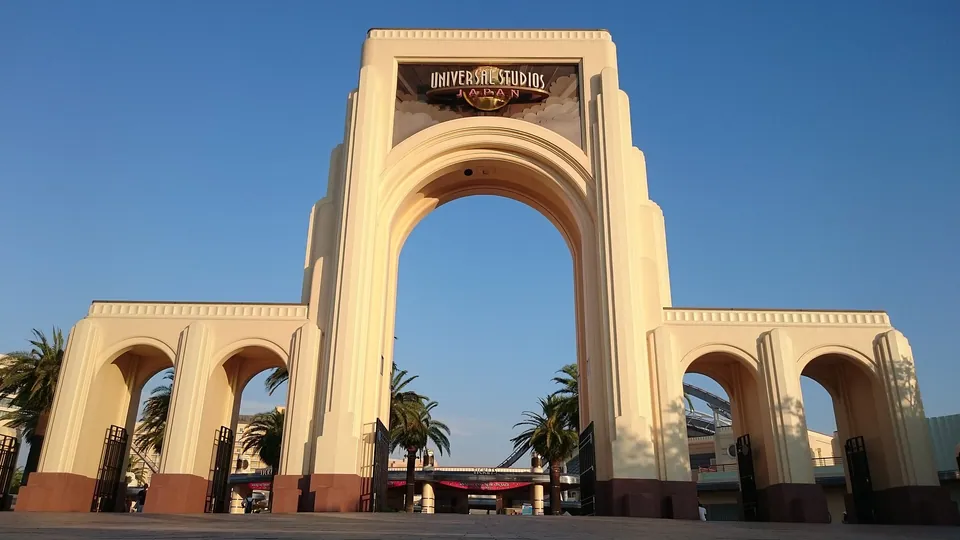
Osaka
Full-scale theme park including the Wizarding World and Super Nintendo World. Entry is by date, and Express Passes are sold separately in tiers.
Good to know. Several headline rides require 122 cm. Check your youngest against the height list before buying Express Passes.
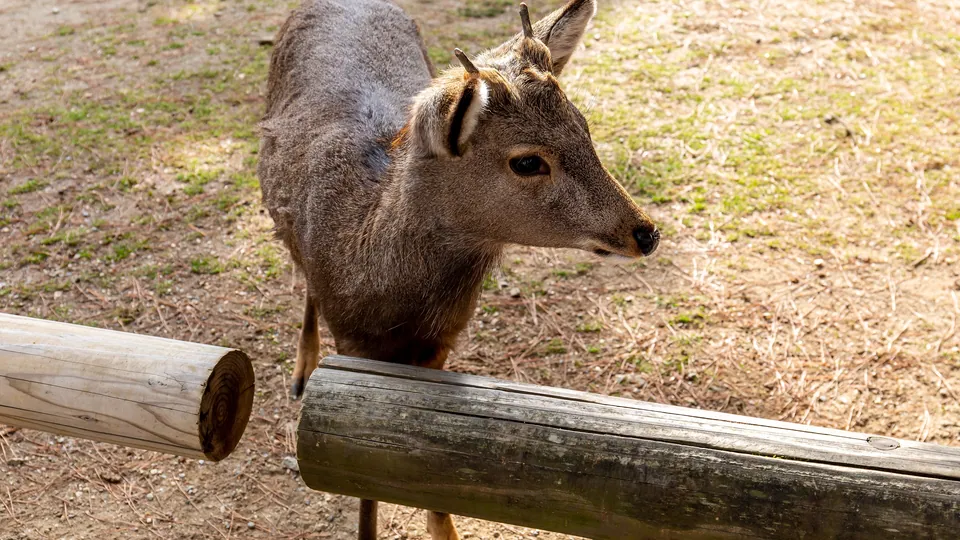
Nara
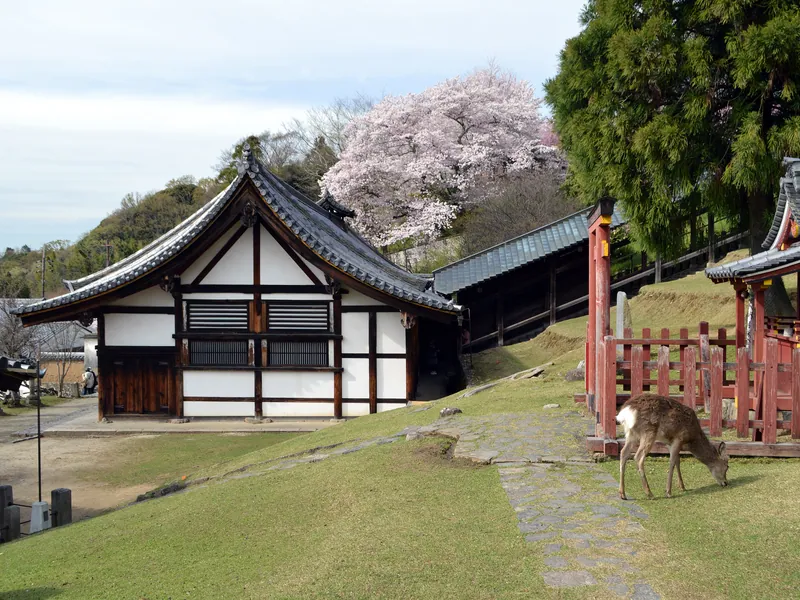
Over a thousand free-roaming sika deer in a public park, habituated to crackers sold on site by licensed vendors.
Good to know. The deer are wild and will shove and nip for food. Hand the cracker packet to an older child.
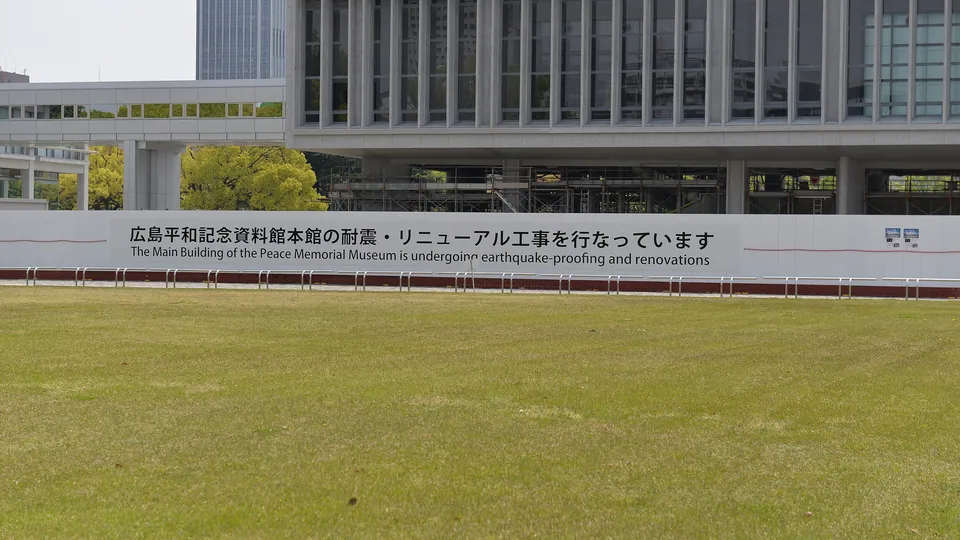
Hiroshima
The park laid out across the hypocentre of the 1945 atomic bombing, holding the preserved ruin of the A-Bomb Dome, the Children's Peace Monument and a museum that documents the attack through photographs, personal belongings and survivor testimony.
Good to know. The museum's main building is graphic and does not soften what it shows: images of burn injuries, the clothing of named children who died, and recorded testimony. Many families send older children through with one adult while the other waits in the park, where the monuments and the paper cranes carry the story without the photographs.
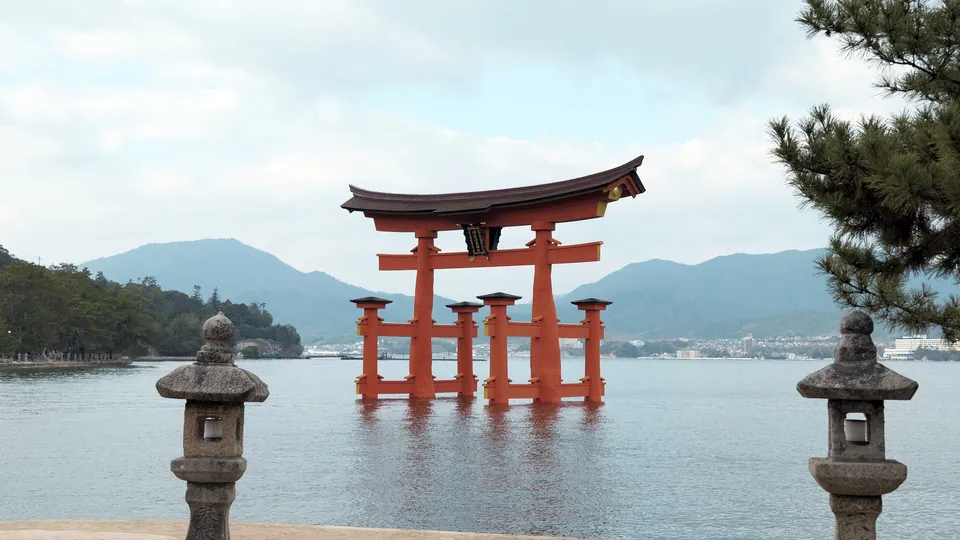
Hiroshima
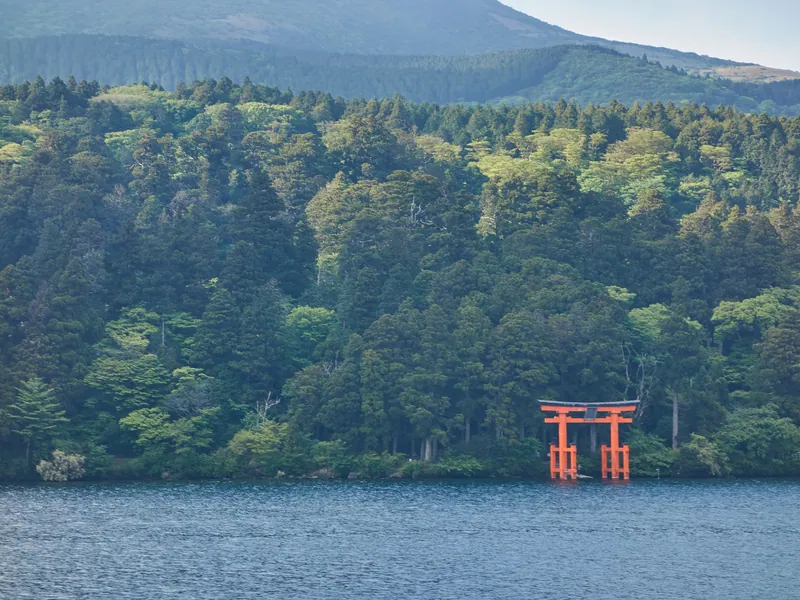
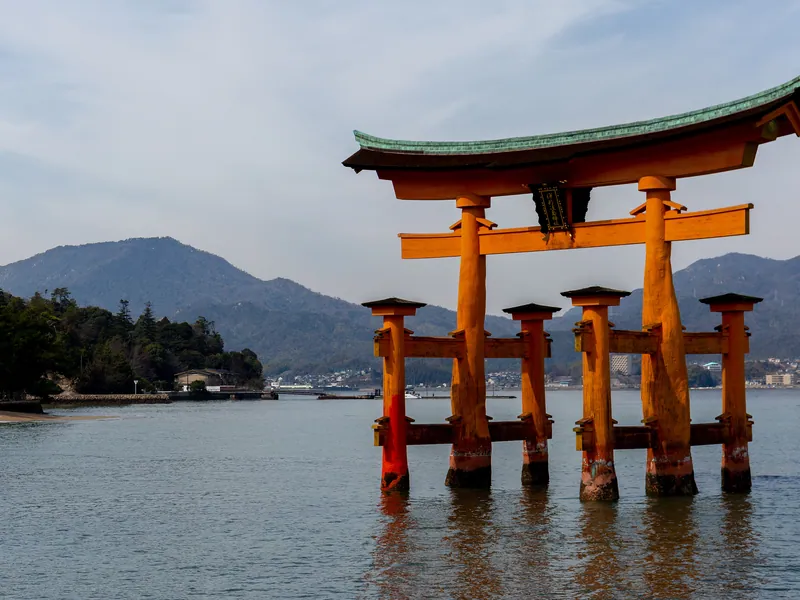
An island ten minutes by ferry from the mainland, with a shrine built out over the water, a great vermilion gate standing in the sea, free-roaming deer in the streets and a ropeway up the forested slopes of Mount Misen.
Good to know. The gate is surrounded by water at high tide and reachable on foot across the sand at low tide, so the tide table decides which visit you get. The deer are unfenced and will take food, maps and tickets straight out of a hand. The Mount Misen ropeway still leaves a rocky 20–30 minute walk to the actual summit.
Kanazawa
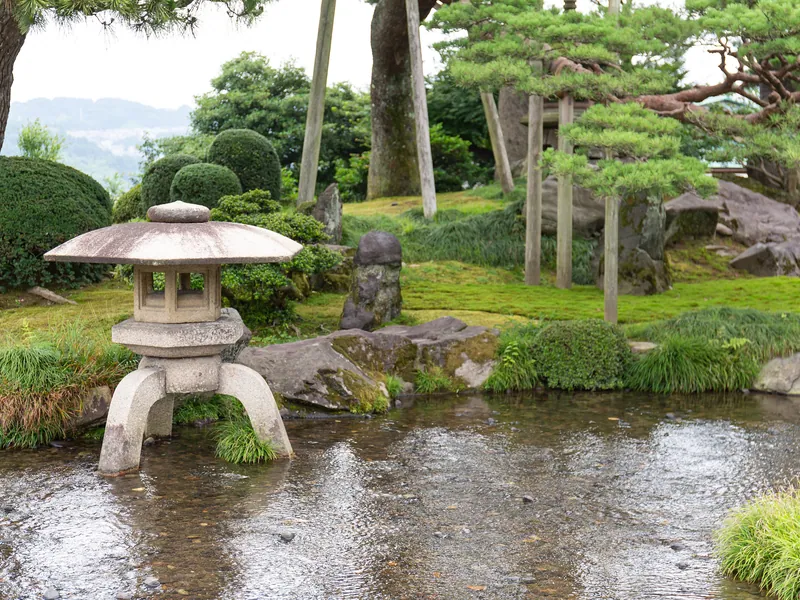
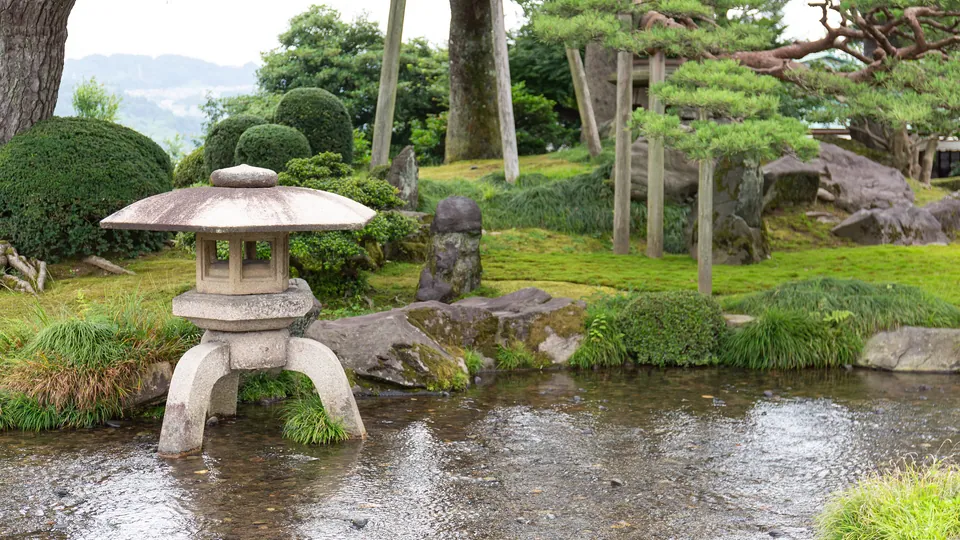
One of Japan's three great landscape gardens — ponds, streams, teahouses and a stone fountain spread across a hillside — with the reconstructed gates and open lawns of the castle park directly across the road.
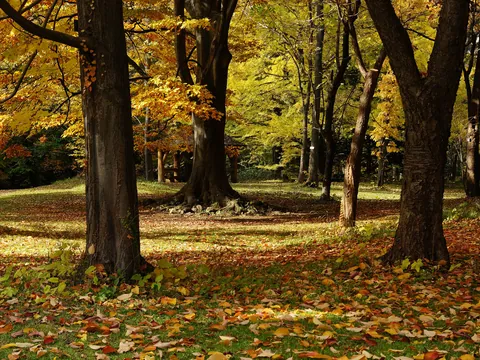
Good to know. Gravel paths with gentle slopes and some stepped sections: passable with a buggy but not smooth. It is a garden to walk in with nothing to climb on, so pair it with the castle lawns rather than making it the whole morning.
Kanazawa
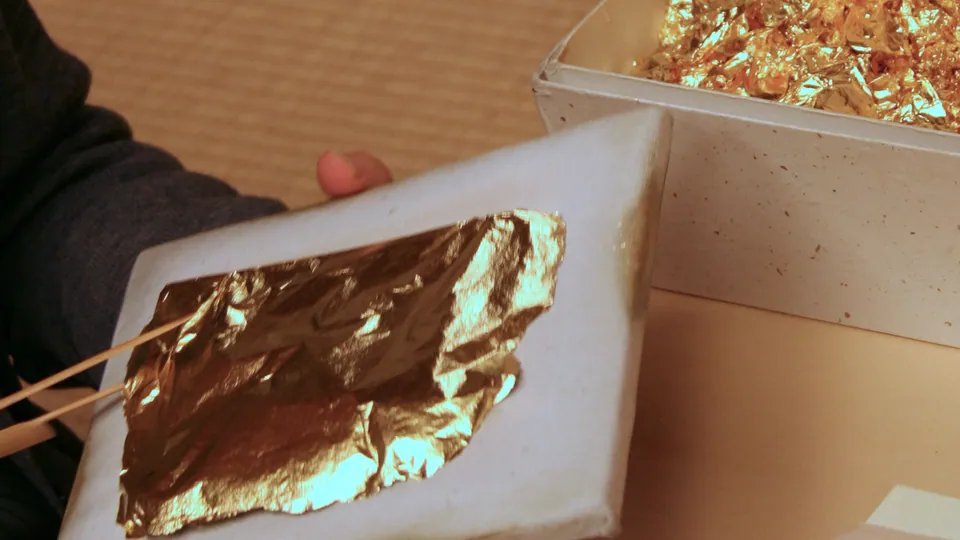
Kanazawa produces almost all of Japan's gold leaf. Workshops in and around the Higashi Chaya district let visitors apply leaf to chopsticks, a small dish or a box and take the finished piece away the same day.
Good to know. Sessions are small and book out, particularly at weekends and in Japanese school holidays. Gold leaf is thinner than tissue paper and moves in any draught, so younger children usually need an adult's hands on the piece with them.
Okinawa
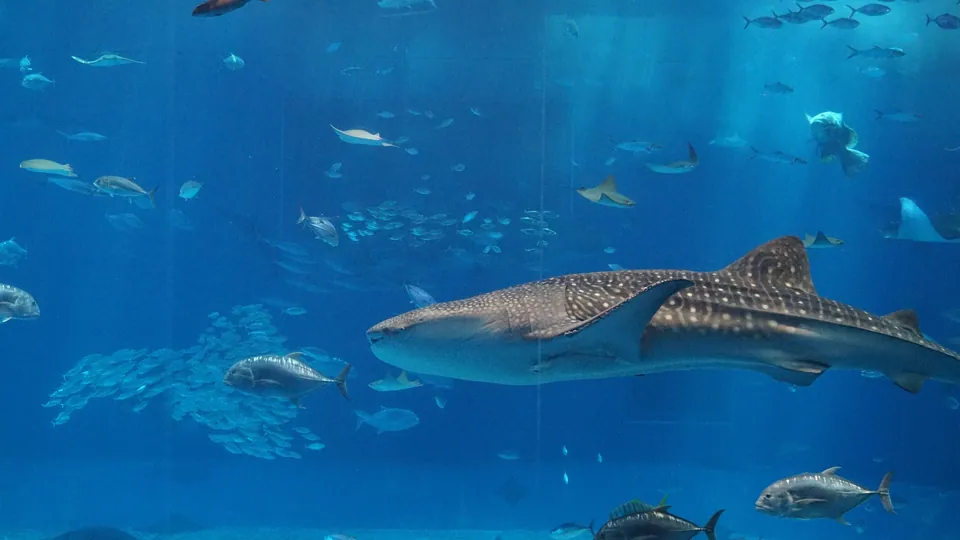
One of the largest aquariums in the world, on the Motobu peninsula inside Ocean Expo Park. The main tank holds whale sharks and manta rays behind a viewing window several storeys high, with a shark gallery, touch pools and outdoor dolphin shows in the same park.
Good to know. Roughly a two-hour drive each way from Naha, so it consumes a whole day unless you stay on the peninsula. The main tank window is at its most crowded in the middle of the day. The surrounding park is large and spread out, with a shuttle between its sections.
Okinawa
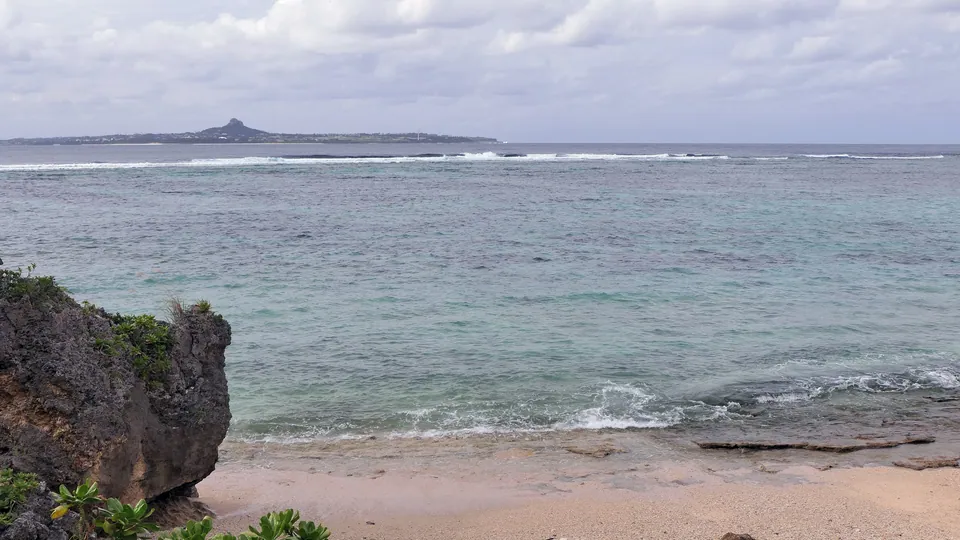
A free public beach inside the same park as the aquarium, divided into marked swimming, playing and resting areas, with showers, shade shelters and lifeguards during the season.
Good to know. Swimming is permitted only inside the netted area and only during the posted season, roughly spring to autumn; outside it the beach is open to walk on but not to swim. Coral fragments underfoot make reef shoes worth packing.
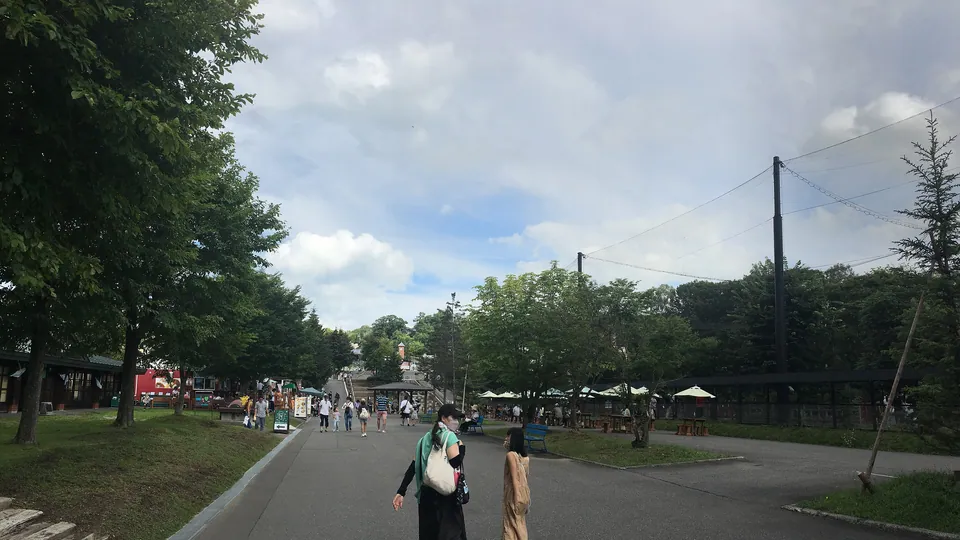
Hokkaido
A hillside zoo at Asahikawa laid out so the animals cross the visitor route rather than sit beside it: a glass tube through the seal pool, a dome inside the polar bears' water, an orangutan high wire above the path, and a penguin walk through the grounds on winter days.
Good to know. It is around an hour from Furano and two from Sapporo, so without a base nearby it consumes a whole day. The site climbs a hill along a single long spine, which is a lot of walking for small children and hard work with a pushchair. The winter penguin walk runs only on scheduled days in the coldest months and does not exist in summer, and feeding times concentrate the crowds at particular enclosures.

Hokkaido
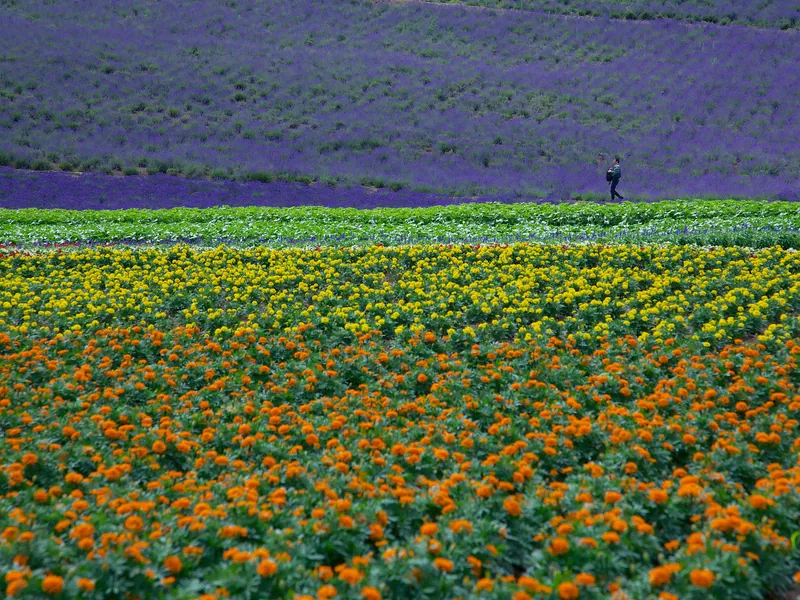
A belt of rolling farmland in central Hokkaido planted in bands of colour, with lavender farms that open their slopes free of charge, a few chair lifts and tractor carts, and the Biei hills adding patchwork fields and single landmark trees on a short driving loop.
Good to know. Lavender peaks for a few weeks from early July, and outside that window most of the stripes are green. Inside it the farm car parks and the approach roads are at capacity by mid-morning. These are working farms, so the rows are not to be walked into, and there is no shade and no shelter anywhere on the hills. The sites are several kilometres apart with no useful bus between them.
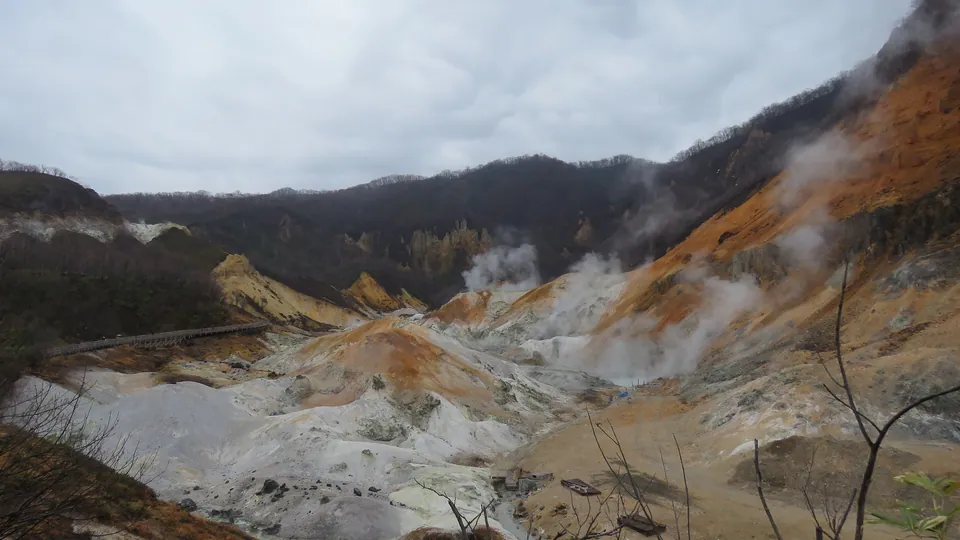
Hokkaido
A steaming volcanic valley above the hot-spring town of Noboribetsu, with sulphur vents, boiling ponds and bare grey rock, crossed by a boardwalk from the car park and ringed by short forest trails, feeding the bath houses in the street below.
Good to know. The sulphur smell is strong and some children find it genuinely unpleasant. The boardwalk is unshaded, hot underfoot in summer and slippery when wet, and the trails beyond the main viewing loop climb steadily and close under snow. If a bath in the town is part of the plan, public onsen are gender-separated and many restrict visible tattoos, so a private or family bath needs confirming when the room is booked.
Some links on this page are affiliate links. If you book through one, the price is the same for you and we may earn a commission. How this works.
Trains cover the classic Tokyo–Kyoto–Osaka corridor comfortably, with Shinkansen services every few minutes and reserved family seating bookable online. IC cards (Suica or Pasmo) work on nearly all local trains, metros and buses nationwide and in convenience stores. Luggage-forwarding services move suitcases hotel-to-hotel overnight, which turns the hardest part of a travel day into a day-bag walk.
No car needed. Every stop on the standard family route is on a frequent rail line, and city parking is expensive and scarce. A car only earns its cost in rural regions such as Hokkaido, the Japanese Alps or parts of Kyushu.
Worth it on long routes with several Shinkansen legs. On a compact Tokyo–Kyoto–Osaka loop, point-to-point tickets are often cheaper, especially as children travel at half fare. Price your actual legs before buying passes for the whole family.
€
€150
Budget · per day, family of four
€€
€260
Mid-range · per day, family of four
€€€
€450
Higher-end · per day, family of four
Planning estimates based on published prices at the time of writing, in shoulder season. Peak months, school holidays and city-centre accommodation all push the figure higher.
Eating out is straightforward and often cheap: ramen, udon, curry rice, sushi conveyor belts and department-store food halls all work with children. Vegetarians should be aware that fish stock (dashi) appears in many dishes that look meat-free, including miso soup and most noodle broths; Indian, Italian and Buddhist temple cuisine (shojin-ryori) restaurants are the reliable options.
Getting around
Suica or Pasmo cards work on almost every train, metro and bus in the country, and in convenience stores. Buying them on arrival takes ten minutes and avoids queuing at a busy city station later.
Getting around
Takkyubin services move suitcases hotel-to-hotel overnight for a modest per-bag fee. With a family this converts a difficult travel day into a light one. Arrange it at the hotel front desk the day before.
Staying connected
An eSIM activated before departure means maps and train times work the moment you land, which matters most when everyone is tired. Check your handset supports eSIM first.
Money & costs
Card acceptance is good in cities and patchy at small restaurants, shrines and rural stations. 7-Eleven ATMs reliably accept foreign cards.
With kids
Universal Studios Japan's headline rides require 122 cm. Buying an Express Pass for a child who cannot ride what it covers is an easy and expensive mistake.
When to go
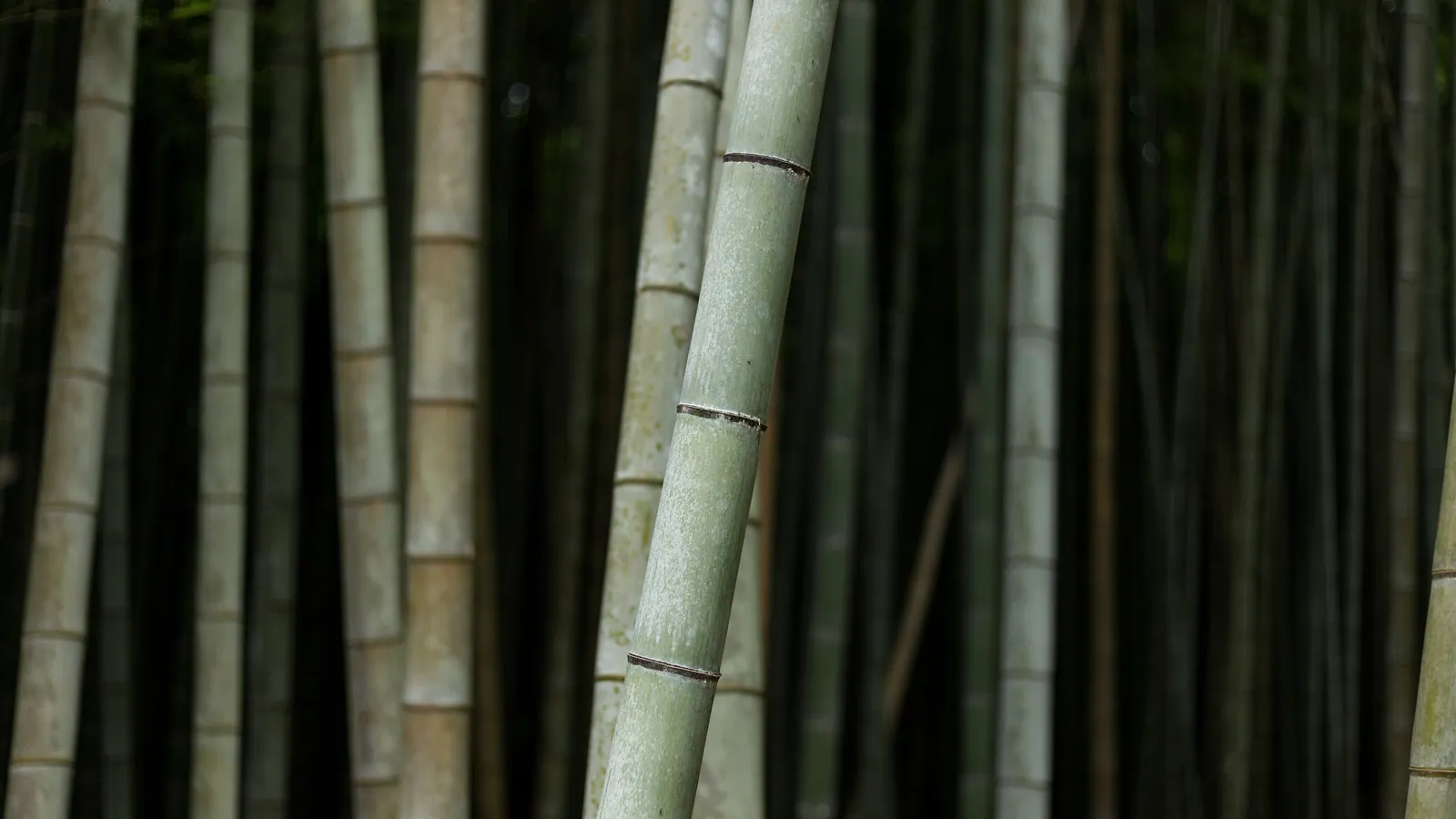
Arashiyama's bamboo grove and Fushimi Inari are transformed before 08:30. Choose only the sites where crowds genuinely spoil the experience and be early for those.
Packing
Many older stations have stairs and no lift, and lifts that do exist are often at the far end of a long platform. A carrier or light folding buggy travels better than a full pram.
Culture & etiquette
Carry a bag for rubbish. With a day of snacks and several children this is a genuine logistical detail rather than a curiosity.
Some links on this page are affiliate links. If you book through one, the price is the same for you and we may earn a commission. How this works.