Europe · 5 destinations
Switzerland with Kids: Costs, Rail Passes & Where to Base
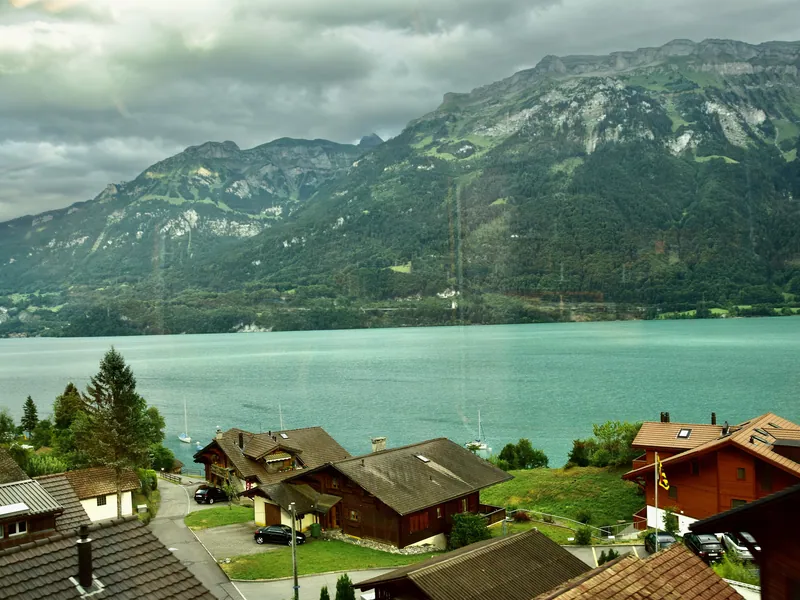
Switzerland is the most expensive country in this catalog, and planning it honestly starts there: a family of four will spend roughly twice what the same trip costs in Spain or Greece, and a single summit excursion can cost more than a night's accommodation. What the money buys is a country where the logistics simply do not fight you — trains run to a clock-face timetable and connect to boats and mountain railways on the same ticket, villages are clean and safe enough that children can be given some independence, and the sightseeing itself is largely a matter of riding cogwheel railways, funiculars and cable cars rather than walking. For families, that last point is decisive: the transport is the attraction, so a four-year-old and a fourteen-year-old can have the same good day. The trade-offs are the cost, a summer season that is genuinely short in the mountains, and summit trips that are worthless in cloud yet still charge full price.
- Best for ages
- 2+
- Recommended trip length
- 7–12 days
- Budget level
- €€€
- Best time to visit
- Jan–Mar, Jun–Sep, Dec
Suits up to 16
Higher-end
Why Switzerland works for families
The transport is the sightseeing
Cogwheel railways, funiculars, gondolas and lake steamers carry children to 2,000–3,000 m without a hike.
Everything is signposted and works
Marked trails, drinkable public fountains, well-equipped playgrounds and very low crime in every town on this list.
Summit stations suit short visits
Most top stations have a terrace, a viewing deck and often a playground, so a toddler is not committed to a walk.
Children travel free on the railways
Under-sixes always; ages 6–15 free with the Swiss Family Card when a parent holds a pass or Half Fare Card.
Comfortable summer temperatures
Valley days in the low twenties and cool nights while southern Europe is at its most punishing.
Four landscapes in one small country
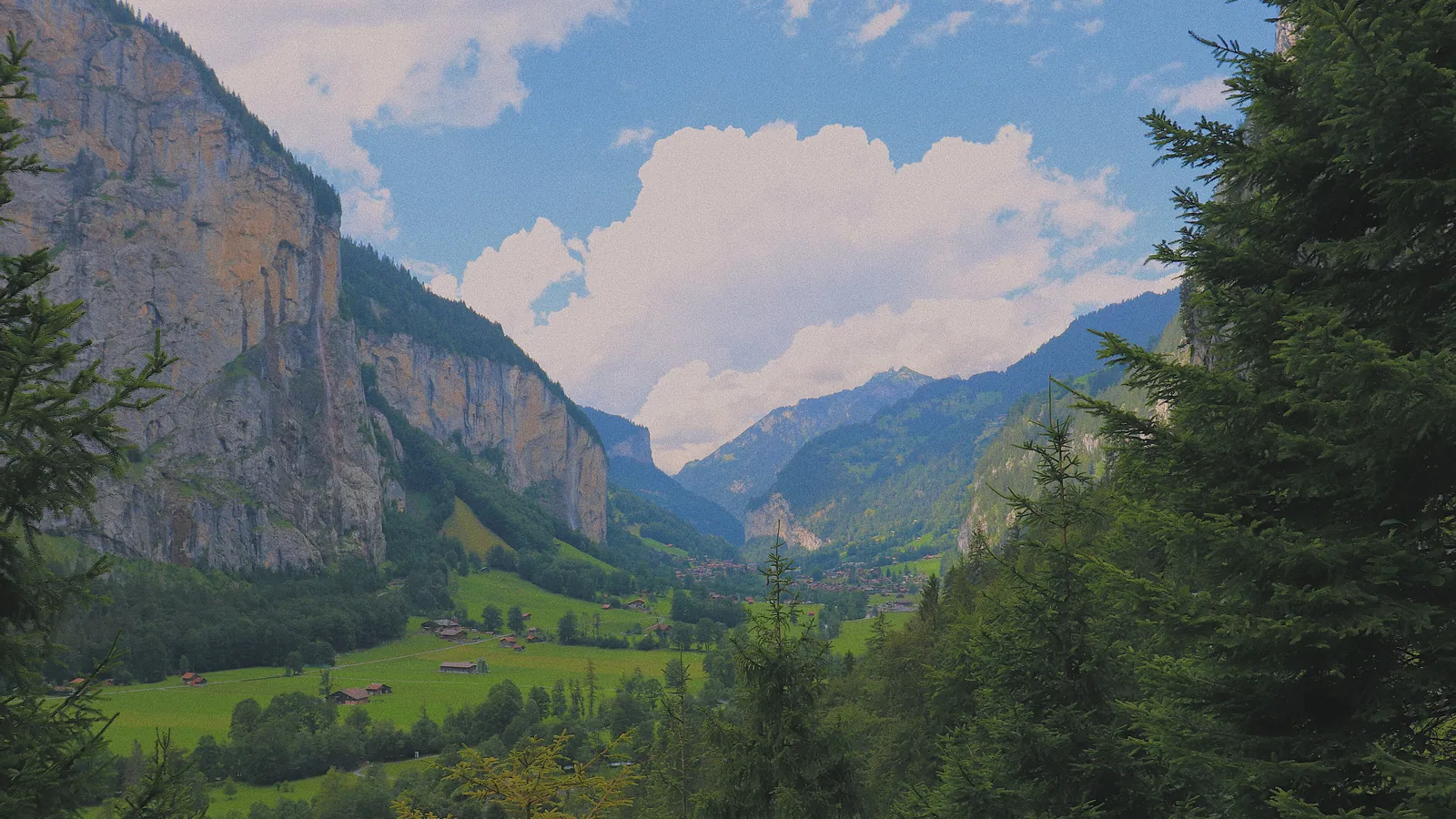
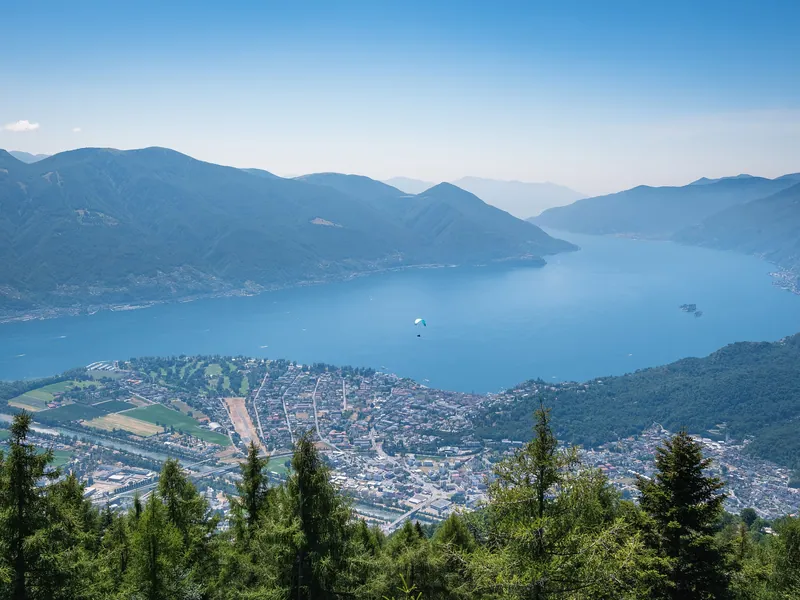
Glacier valleys, lakes warm enough to swim, a car-free alpine village and Italian-speaking palm-tree lakeshore, all within a few hours by train.
Where to go in Switzerland
The areas worth building a family trip around, and how long to give each.
Lake Geneva
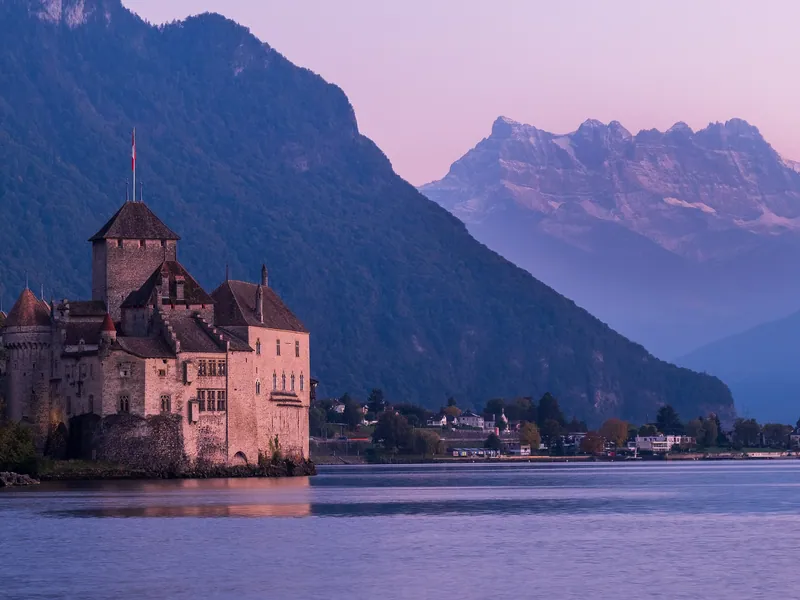
Paddle steamers, a lake castle and vineyard terraces
- Suggested stay
- 3–5 days
- Best for ages
- 2+
When to visit Switzerland with kids
Late June to mid-September is the summer mountain season, when the lifts, high trails, lake boats and lake swimming all operate. Late December to March is the ski season. April to early June and late October to November are the between-seasons gaps, when many mountain railways close for maintenance and whole resort villages shut down.
- Jan
- Feb
- Mar
- Apr
- May
- Jun
- Jul
- Aug
- Sep
- Oct
- Nov
- Dec
Where to stay
Family hotels in Switzerland
We list areas and property types rather than single hotels: family-room availability changes constantly, and the area plus the room requirement is what survives contact with a booking engine.
 Interlaken town (Höheweg / Interlaken Ost)Mid-range
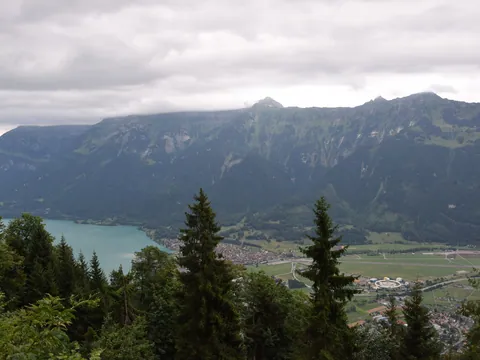
Interlaken — family rooms between the two stations
Interlaken has the region's widest supply of rooms that actually sleep four or five, on flat ground, within a few minutes of the station where every mountain railway begins. With young children that shortens each morning by half an hour in both directions.
- Walking distance to Interlaken Ost and the Jungfrau railways
- Flat streets and a central meadow for running around
- Supermarkets and a wide price range of restaurants nearby
- Visitor card with local buses included by most properties
Fitting a family in
Look for rooms sold as family, quad or triple-with-extra-bed, and for the small number of properties with connecting doors. Confirm the stated maximum occupancy rather than assuming a sofa bed exists.
Watch out. The main avenue carries constant coach traffic in summer and rooms facing it are noisy. Interlaken also has no lake frontage of its own — both shores are a bus ride away — and it is the most expensive place in the valley to eat.
Check hotel prices — opens Klook in a new tab (affiliate link)Live availability for your dates- Zermatt village centre / WinkelmattenHigher-end
Zermatt village — chalet apartment with a kitchen
A kitchen is the single most effective cost control in Zermatt, where eating out is at the top of the Swiss range, and staying in the village itself removes the shuttle train from both ends of every day.
- Full supermarkets a short walk away in the village
- No traffic beyond small electric vehicles
- Walking distance to the cogwheel railway and the funicular
- Matterhorn views from many upper-village properties
Fitting a family in
Two- and three-bedroom chalet apartments are the norm and sleep four to eight, frequently with bunk rooms designed for children. Ask whether bed linen and the final clean are included, as they are often charged separately.
Watch out. The village climbs steadily from the station and the walk with suitcases is harder than it looks on a map — check whether the property runs an electric shuttle. Prices roughly double in the ski school holidays and in August.
Check hotel prices — opens Klook in a new tab (affiliate link)Live availability for your dates - Old town and stationMid-range
Lucerne — family rooms by the station and quay
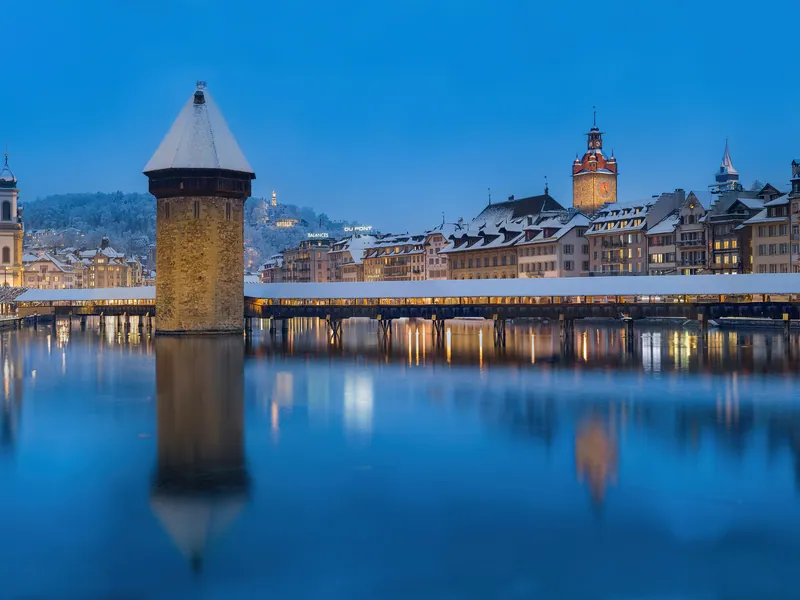
Trains, lake steamers, buses and the old town all meet at one point in Lucerne, so a room near the quay removes every transfer from a day that already involves a boat and a mountain railway.
- Boats, trains and buses from the same interchange
- Flat, pedestrianised old town for evening walks
- Short bus or boat hop to the transport museum
- Wide choice of eating from supermarket to restaurant
Fitting a family in
Family rooms in the centre are limited and go early for summer weekends; connecting twin rooms are more common than genuine quads. Apartments across the river usually offer more space for the same money.
Watch out. Rooms on the station and quay side pick up train, bus and late-night noise, and the old town is dense with day-trip groups from mid-morning to late afternoon. Central Lucerne is also the most expensive part of town to sleep in.
Check hotel prices — opens Klook in a new tab (affiliate link)Live availability for your dates 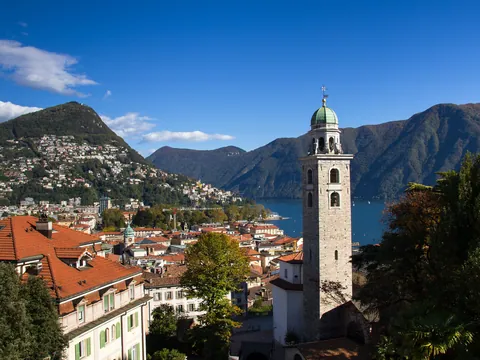 Lugano / ParadisoMid-range
Lugano lakeside — apartment near the promenade
A lakeside apartment in Lugano puts swimming, parks and the promenade within walking distance while keeping the rail spine to Bellinzona, Locarno and the model park a few minutes away, and a kitchen keeps a hot-weather week flexible around meal times.
- Lakefront parks and public swimming close by
- Funiculars up two local mountains from the town
- Frequent trains along the whole canton
- Ticino Ticket issued with the stay, covering regional transport
Fitting a family in
Two-bedroom apartments sleeping four to six are the common family unit, usually with air conditioning — worth confirming, because July and August nights here are humid.
Watch out. Lugano is built on a slope and the lakefront sits well below the centre and the station, so a room by the water means a climb or a funicular ride each time. The city is business-oriented and noticeably quiet on Sundays.
Check hotel prices — opens Klook in a new tab (affiliate link)Live availability for your dates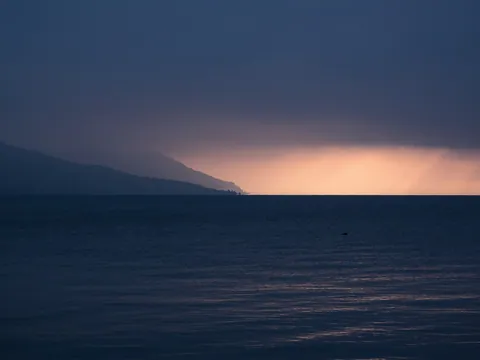 Lausanne — Ouchy / lakefrontHigher-end
Lausanne — apartment near the Ouchy waterfront
Ouchy is the flat part of a steep city: the boat pier, the lakeside parks and the main bathing complex are all on the level, and the m2 metro handles the climb to the station and the old town, so nobody ends the day carrying a child uphill.
- Boat pier for the scheduled lake services within walking distance
- Flat lakeside parks and a large public bathing complex
- m2 metro to the station and the old town, with lifts at the stops
- Kitchen, which is the main defence against Swiss restaurant prices
Fitting a family in
Two-bedroom apartments sleeping four to six are the usual family unit and work out below two hotel rooms in the centre. Check whether the stated occupancy depends on a sofa bed in the living room.
Watch out. Lakefront addresses carry a heavy premium, and a listing described as being in Lausanne rather than at Ouchy may sit a long climb above the water — compare the height difference, not the walking distance. The waterfront is also busy and loud on summer evenings and at weekends.
Check hotel prices — opens Klook in a new tab (affiliate link)Live availability for your dates
Some links on this page are affiliate links. If you book through one, the price is the same for you and we may earn a commission. How this works.
Top family attractions in Switzerland
What each one costs, how long it takes, which ages it suits and whether you need to book ahead.
 NatureBook ahead
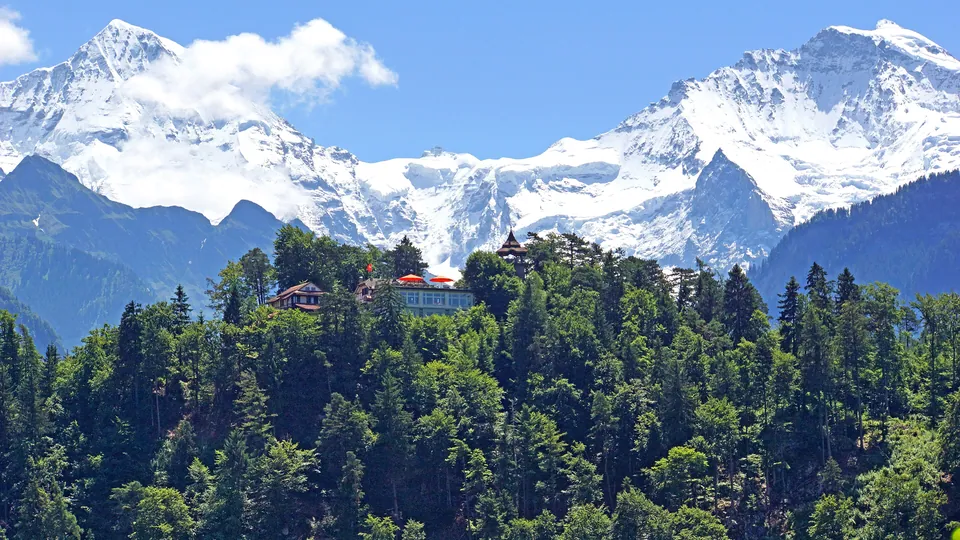
Jungfraujoch — Top of Europe
Interlaken
A railway tunnelled through the Eiger and Mönch to Europe's highest railway station at roughly 3,450 m, with a glacier plateau, an ice tunnel carved into the ice and viewing terraces. Reached from Interlaken via Grindelwald or Lauterbrunnen, with several changes each way.
- Ages
- 7–17
- Time
- 8h
- Adult, from
- €240
Good to know. The single most expensive ticket of a typical Swiss trip, and it shows nothing in cloud — check the summit webcam before committing. The station sits above 3,400 m, where headaches and breathlessness are common in children; keep the visit short and move slowly. Snow and strong sun at the top even in August.
 Adventure
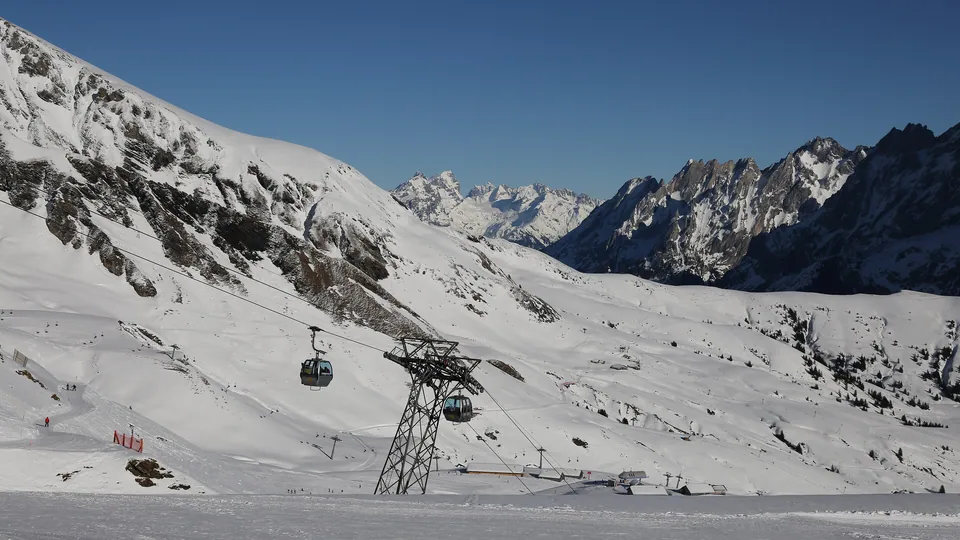
Grindelwald First
Interlaken
A gondola from Grindelwald to a ridge at about 2,170 m, with a walkway bolted to the cliff face, a mountain lake trail and a set of paid descents — a zipline, a rail-guided cart and a scooter route back down to the valley.
- Ages
- 5–16
- Time
- 5h
- Adult, from
- €75
Good to know. The gondola fare and the individual descents are priced separately, so the day costs considerably more than the lift ticket alone. The zipline and carts carry height and age minimums, and close in wind or wet weather. The cliff walk has long drops behind glass and railings, which some children dislike.
 Nature
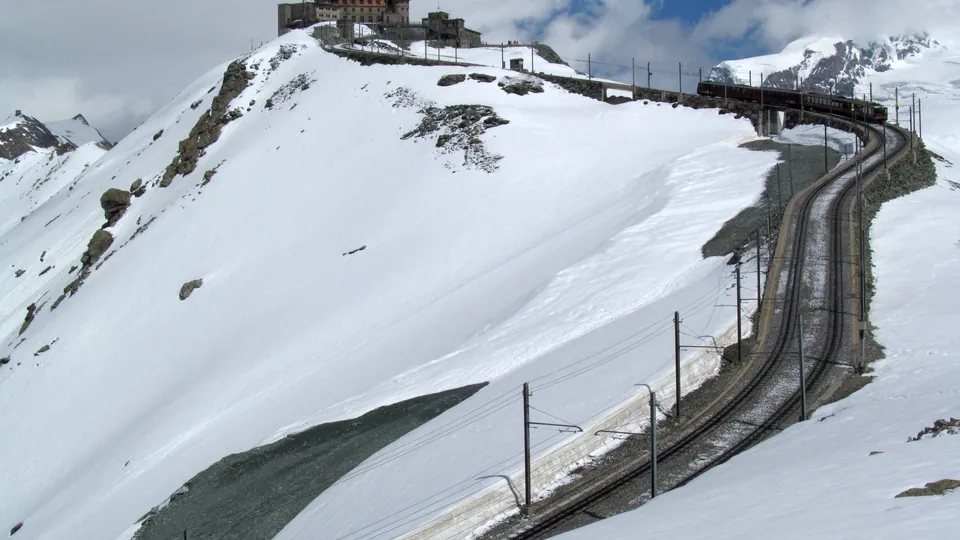
Gornergrat cogwheel railway
Zermatt
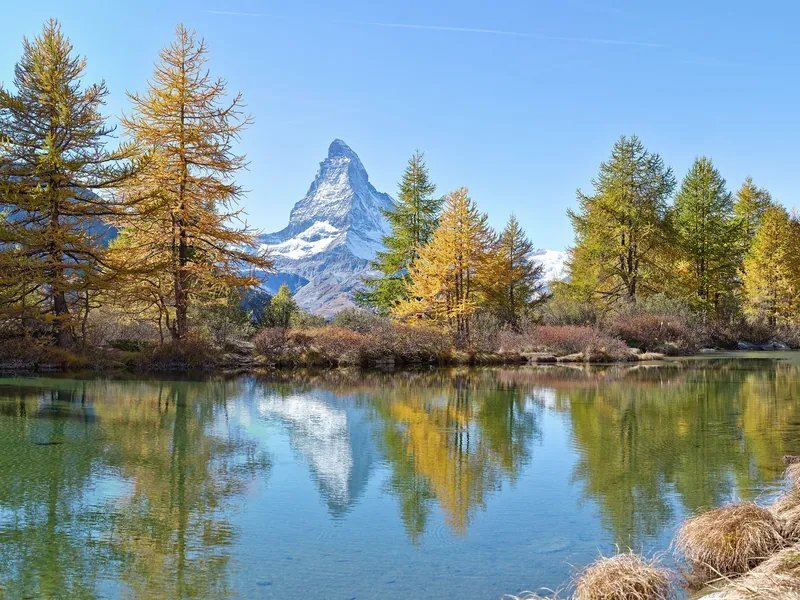
An open-air cogwheel railway climbing from Zermatt village to a ridge at about 3,090 m facing the Matterhorn and a long glacier, with intermediate stops that allow a short downhill walk back to a lower station.
- Ages
- 3–16
- Time
- 4h
- Adult, from
- €130
Good to know. Sit on the right-hand side going up for the Matterhorn. The top is exposed and cold even in summer, and the view is the entire point — in cloud the trip is not worth the fare, so check the webcam first. A Swiss Travel Pass gives a reduction here rather than free travel.
 Nature
Matterhorn Glacier Paradise
Zermatt
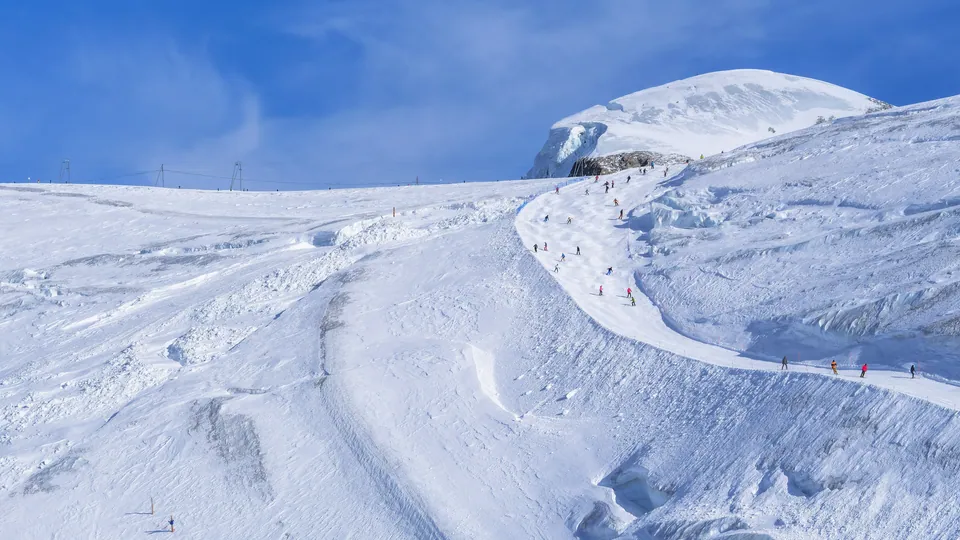
A chain of gondolas and cable cars from Zermatt to a station at about 3,880 m, the highest reached by cable car in Europe, with a viewing platform, a glacier ice palace of carved tunnels and sculptures, and year-round snow.
- Ages
- 8–17
- Time
- 4h
- Adult, from
- €120
Good to know. The ascent climbs more than 2,200 m in under an hour, and altitude symptoms in children are common at this height — it is a poor choice for under-sixes and for anyone with a heart or lung condition. The ice palace is below freezing, so gloves and hats are needed in August. Closes at short notice in high wind.
 Museum
Swiss Museum of Transport
Lucerne
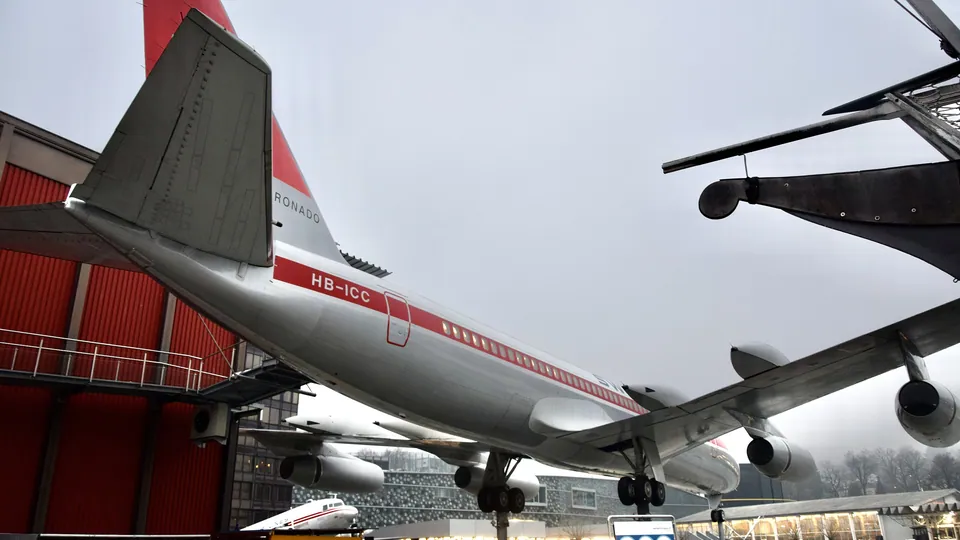
The country's largest museum, on the lake shore a short bus or boat ride from the old town: halls of locomotives, aircraft, cars and boats, a great many hands-on exhibits, a planetarium and a large-format cinema, plus an outdoor area.
- Ages
- 3–16
- Time
- 5h
- Adult, from
- €35
Good to know. Larger than most families plan for — the planetarium and cinema are ticketed separately on top of entry, and half a day is not enough to see the halls. Extremely busy on wet days in the school holidays. Reachable by lake boat, which turns the journey into part of the outing.
 Nature
Mount Pilatus golden round trip
Lucerne
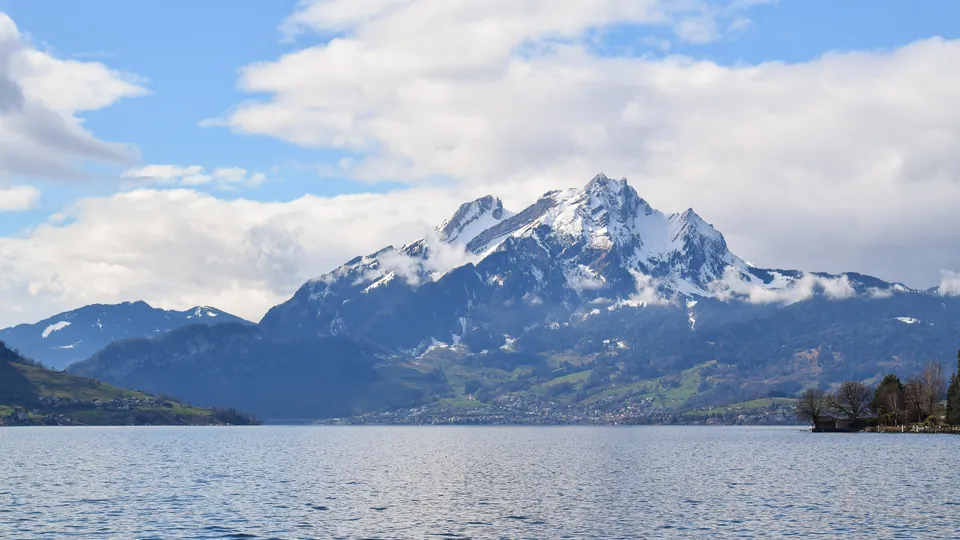
A circuit rather than a return journey: a lake steamer from Lucerne to Alpnachstad, the steepest cogwheel railway in the world up to a summit station at about 2,070 m, then gondolas down the other side to Kriens and a bus back into town. A rope park and a summer toboggan run sit at the mid-station.
- Ages
- 4–16
- Time
- 7h
- Adult, from
- €110
Good to know. The cogwheel section only runs in the warmer months and is closed by snow in winter, when the circuit has to be done up and down the gondola side instead. The railway climbs at a gradient close to one in two, which is startling for some children. The summit is often in cloud when the lake is clear, and a Swiss Travel Pass discounts this trip rather than including it.
- Culture
Swissminiatur model park, Melide
Ticino
An outdoor park on the shore of Lake Lugano holding scale models of Swiss castles, cathedrals, stations and villages at 1:25, linked by several hundred metres of working model railway with trains, cable cars and boats in motion.
- Ages
- 2–12
- Time
- 2h
- Adult, from
- €20
Good to know. Entirely outdoors with limited shade, which makes a midsummer afternoon visit hot and exposed — mornings are better. Closed over the winter. Older teenagers usually tire of it quickly, so it works best as a half-day for younger children rather than a full family outing.
 Culture
The three castles of Bellinzona
Ticino
Three linked medieval fortresses guarding the valley, with connecting ramparts, towers and wall-walks. The lowest sits in the town itself and is reached by a lift cut into the rock; the two above it climb the hillside and hold small museums.
- Ages
- 4–16
- Time
- 3h
- Adult, from
- €12
Good to know. The lower castle is easy, with a lift from the town centre and open courtyards. The two upper castles involve a steep walk or a bus, and their walls and towers have long drops with low parapets and uneven steps, so young children need holding. A combined ticket covers all three.
 Culture
Château de Chillon
Lake Geneva
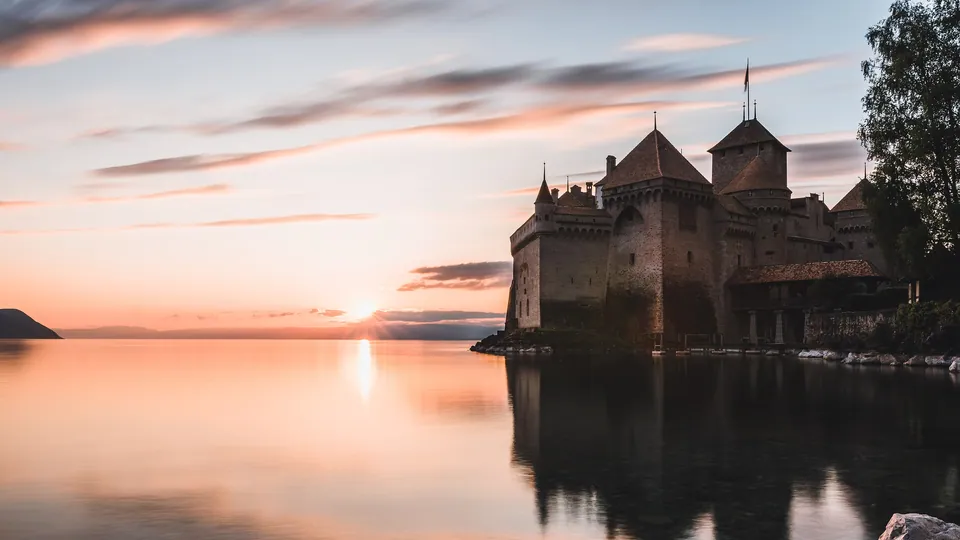
A medieval fortress built on a rock at the water's edge below Veytaux, a short walk from Montreux, with courtyards, vaulted cellars cut into the bedrock, a keep, wall-walks and painted chambers. A boat pier and a flat lakeside path both reach the gate.
- Ages
- 4–16
- Time
- 2h 30m
- Adult, from
- €15
Good to know. The visit is a one-way circuit up and down tight stone spiral staircases with uneven floors and no lift, so a pushchair goes no further than the courtyards. It is busiest in the middle of the day, when the coaches and the boats arrive together. The lakeside walk from Montreux takes roughly 45 minutes and is level the whole way.
- Water
Lake Geneva boats and Belle Époque paddle steamers
Lake Geneva
Scheduled boats running the length of the lake and across it, linking Lausanne, Vevey, Montreux, Chillon and the French shore, with restored Belle Époque paddle steamers on part of the timetable and their engine rooms visible from the deck.
- Ages
- 0–16
- Time
- 3h
- Adult, from
- €30
Good to know. These are timetabled services rather than cruises: covered outright by a Swiss Travel Pass, reduced with a Half Fare Card, and slow — Lausanne to Chillon is close to two hours each way against about twenty-five minutes by train. Only some departures are worked by a paddle steamer, and the rotation is published in advance. The open deck is cold and windy even on a warm day.
 Museum
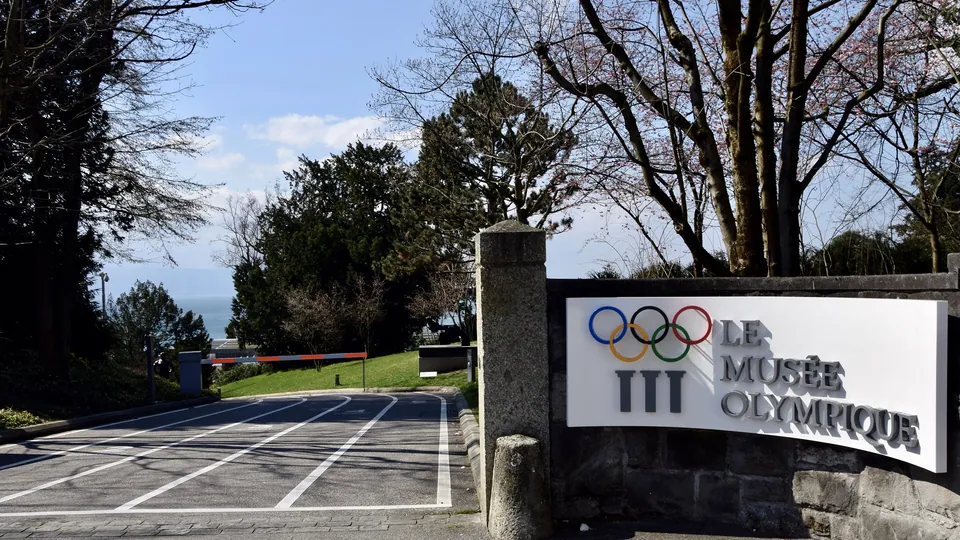
The Olympic Museum, Lausanne
Lake Geneva
The International Olympic Committee's museum on the hillside above the Ouchy waterfront, holding torches, equipment and medals from the modern Games, film archives, and timing and measuring games that let children test themselves against recorded performances. Terraced gardens run down towards the lake.
- Ages
- 6–17
- Time
- 2h 30m
- Adult, from
- €20
Good to know. The interactive floor is the part that holds younger children — much of the rest is film and reading, and under-sixes run out of interest well before the exhibition does. The site is built into the slope above the quay with stepped garden terraces, so the approach from the waterfront is a climb whichever entrance is used.
Some links on this page are affiliate links. If you book through one, the price is the same for you and we may earn a commission. How this works.
Getting around Switzerland
The rail network is the reason a Swiss trip works with children. Long-distance trains run every half hour on a repeating timetable, regional trains, postbuses and lake steamers are timed to connect with them, and one ticket or pass covers all three. Seats face tables, most intercity trains have a family carriage with a small play area, and stations have lifts and ramps as a matter of course. The national app sells tickets and shows platform changes in real time. Station-to-station luggage services will move suitcases overnight, which is worth knowing before a day that ends in a village reached only by cable car.
Do you need a rental car?
No car needed. Every destination families come for sits on the rail network, and the mountain railways that are the point of the trip depart from railway stations rather than car parks. Zermatt, Wengen, Mürren and Braunwald do not admit cars at all, so a car has to be parked in a valley garage and paid for while it sits unused. Add a compulsory motorway vignette, expensive town parking and the fact that a pass or Half Fare Card makes children's travel free, and a rental car is a cost with almost no corresponding benefit on a family route.
Is the Swiss Travel Pass worth it?
Covers all trains, postbuses, lake boats and town transport, plus entry to a long list of museums. Coverage of mountain railways is uneven and that is where families get it wrong: the Rigi railways and a handful of others are included outright, while the headline trips — Jungfraujoch, Gornergrat, Pilatus, Matterhorn Glacier Paradise — give a reduction only. It pays off on an itinerary with a long transfer most days plus regular boat and mountain use; for a family that parks itself in one valley and makes short local hops, a Half Fare Card or point-to-point tickets usually cost less. The decisive detail is the Swiss Family Card, which lets children aged 6–15 travel free with a parent holding a pass or Half Fare Card — price the adults' options first, then add nothing for the children.
What Switzerland costs with a family
Typical daily spend for a family of four, excluding flights. Accommodation, food, local transport and one paid activity a day.
€
€220
Budget · per day, family of four
€€
€380
Mid-range · per day, family of four
€€€
€650
Higher-end · per day, family of four
Planning estimates based on published prices at the time of writing, in shoulder season. Peak months, school holidays and city-centre accommodation all push the figure higher.
Food in Switzerland
Children generally eat well here: rösti, bread and cheese, air-dried meats, sausages, pasta and outstanding bakeries are everywhere, and mountain restaurants serve proper hot meals at altitude. Fondue and raclette are the local specialities, but both are a large communal pot of melted cheese and many younger children will not touch either, so it is worth ordering one to share rather than per person. The genuine shock is the restaurant bill: a sit-down lunch for four in a tourist town is a serious sum, and the standard family response is the supermarket picnic — Swiss supermarkets are good, cheap by local standards, and every town has one near the station. Tap water and street fountains are drinkable, so refillable bottles save real money over a week.
Practical tips for Switzerland
The things that are easy to get wrong and expensive to fix once you have arrived.
Money & costs
Price your actual journeys before buying passes
Add up the real legs on the national timetable, then compare three options: point-to-point tickets, a Half Fare Card for each adult, and a Swiss Travel Pass. Children aged 6–15 travel free with the Swiss Family Card alongside either card, so the comparison is only ever between two adult prices. Passes reward long transfers and heavy boat use, not a week based in one valley.
When to go
Check the summit webcam before buying a mountain ticket
Every mountain railway publishes live webcams and an operating status. A summit in cloud is an expensive white wall, and tickets are not refunded because the view failed to appear. Buying on the morning of travel, rather than weeks ahead, is usually the better trade even at a slightly higher fare.
Health & safety
Treat the high excursions as an altitude decision
Jungfraujoch sits at about 3,450 m and Matterhorn Glacier Paradise at about 3,880 m, reached from a valley floor in under an hour. Headaches, breathlessness and nausea are common in children at those heights. Keep the visit short, move slowly, drink water, and skip it entirely for a child who has struggled at altitude before or who has a heart or lung condition.
Food
Shop before you board, not at the summit
Supermarkets sit beside most stations and close earlier than in southern Europe, often by early evening and all day Sunday. A picnic bought in the valley costs a fraction of the same food on a mountain terrace, and summit restaurants are where a family budget quietly disappears.
Packing
Pack for two climates on the same day
A 22 °C morning in the valley can be near freezing and windy at a summit station an hour later, with snow underfoot in midsummer. Warm layers, closed shoes, sunglasses and high-factor sun cream travel in the day bag every single day, not just on the mountain days.
Staying connected
Switzerland is outside the EU roaming zone
An EU SIM that roams free across the rest of the continent will usually charge here, and the charges are steep. A Swiss or Europe-plus-Switzerland eSIM arranged before departure avoids both the bill and the scramble on arrival. Check the handset supports eSIM first.
Getting around
Send the luggage ahead to car-free villages
Villages such as Zermatt, Wengen and Mürren are reached by train or cable car, with a walk or an electric taxi at the far end. The station-to-station luggage service moves suitcases overnight so the travel day is a day-bag day, which matters most with small children and a change of valley.
When to go
Avoid the shoulder-season shutdown
Through much of May and November, mountain railways close for maintenance, high trails stay under snow and many resort hotels and restaurants shut completely. The scenery is still there; the lifts that reach it are not.
Some links on this page are affiliate links. If you book through one, the price is the same for you and we may earn a commission. How this works.
Switzerland with kids: common questions
Is Switzerland worth it with kids given the cost?
It is worth it if the mountains are the point of the trip, because the excursions are unusually well suited to children — the day is spent riding trains and cable cars rather than walking. It is poor value if the plan is mainly cities and museums, which other European countries deliver at half the price.
Do you need a car in Switzerland with kids?
No. Every family destination is on the rail network, mountain railways start from stations, and several alpine villages including Zermatt ban cars outright. A rental car mostly generates parking bills and a motorway vignette while the trains do the work.
Is the Swiss Travel Pass worth it for a family?
It depends on how much ground the itinerary covers. The pass shines on a route with a long transfer most days plus lake boats; it underperforms for a family based in one valley. The critical detail is that children aged 6–15 travel free with the Swiss Family Card, so only the adult fares need comparing.
What age are Swiss mountain trips suitable for?
Mid-altitude trips such as Sunnegga, Grindelwald First, Rigi or Monte Generoso work from about three. The very high stations — Jungfraujoch and Matterhorn Glacier Paradise — sit above 3,400 m, where altitude symptoms in children are common, and are better left until seven or eight and kept short.
When is the best time to visit Switzerland with children?
Late June to mid-September for mountain railways, hiking and lake swimming, or January to March for skiing. May and November are the worst months to book, because that is when the lifts close for maintenance and many resort villages shut down.
How can a family keep costs down in Switzerland?
Self-cater at least half the meals from supermarkets, pick one headline summit excursion instead of three, use the free travel for children rather than buying family passes that duplicate it, and stay in an apartment or a valley village rather than a resort centre. Those four decisions move a Swiss week more than anything else.
Other destinations to compare
Every guide answers the same questions in the same order, so two countries take five minutes to compare rather than five evenings.
- Japan with Kids: Itineraries, Where to Stay & When to GoCulture, nature & adventure
- Italy with Kids: Itineraries, Where to Stay & When to GoMountains, lakes & cities
- Austria with Kids: Itineraries, Where to Stay & When to GoAlps, lakes & charming towns
- Cyprus with Kids: Itineraries, Where to Stay & When to GoSun, sea & family resorts