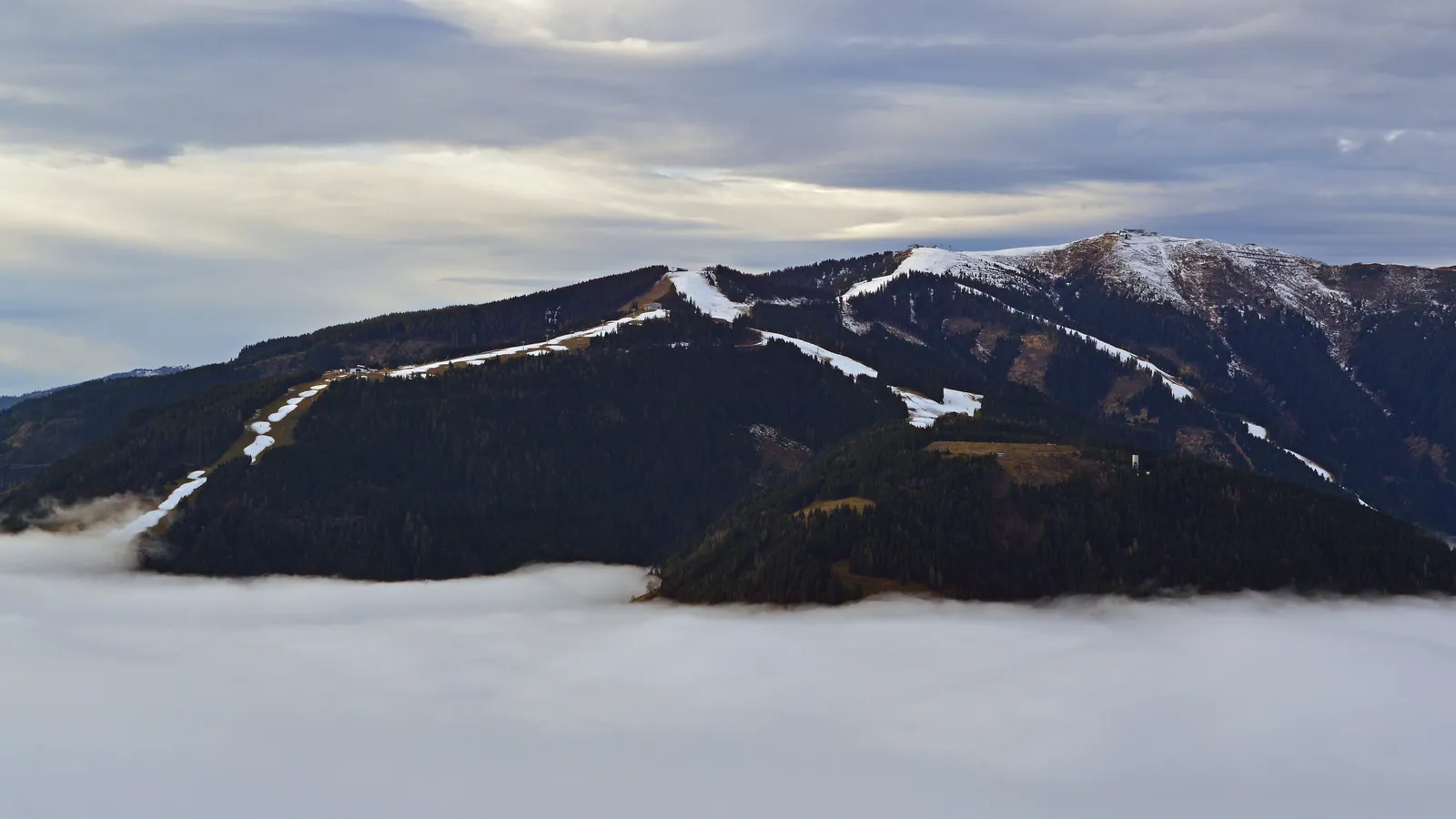
 7 days€€Austria
Austrian Alps & Lakes
Salt mines, cable cars and lake swimming
- Best for ages
- 4+
- Pace
- Relaxed
- Driving
- A little driving
NatureCultureCity
View trip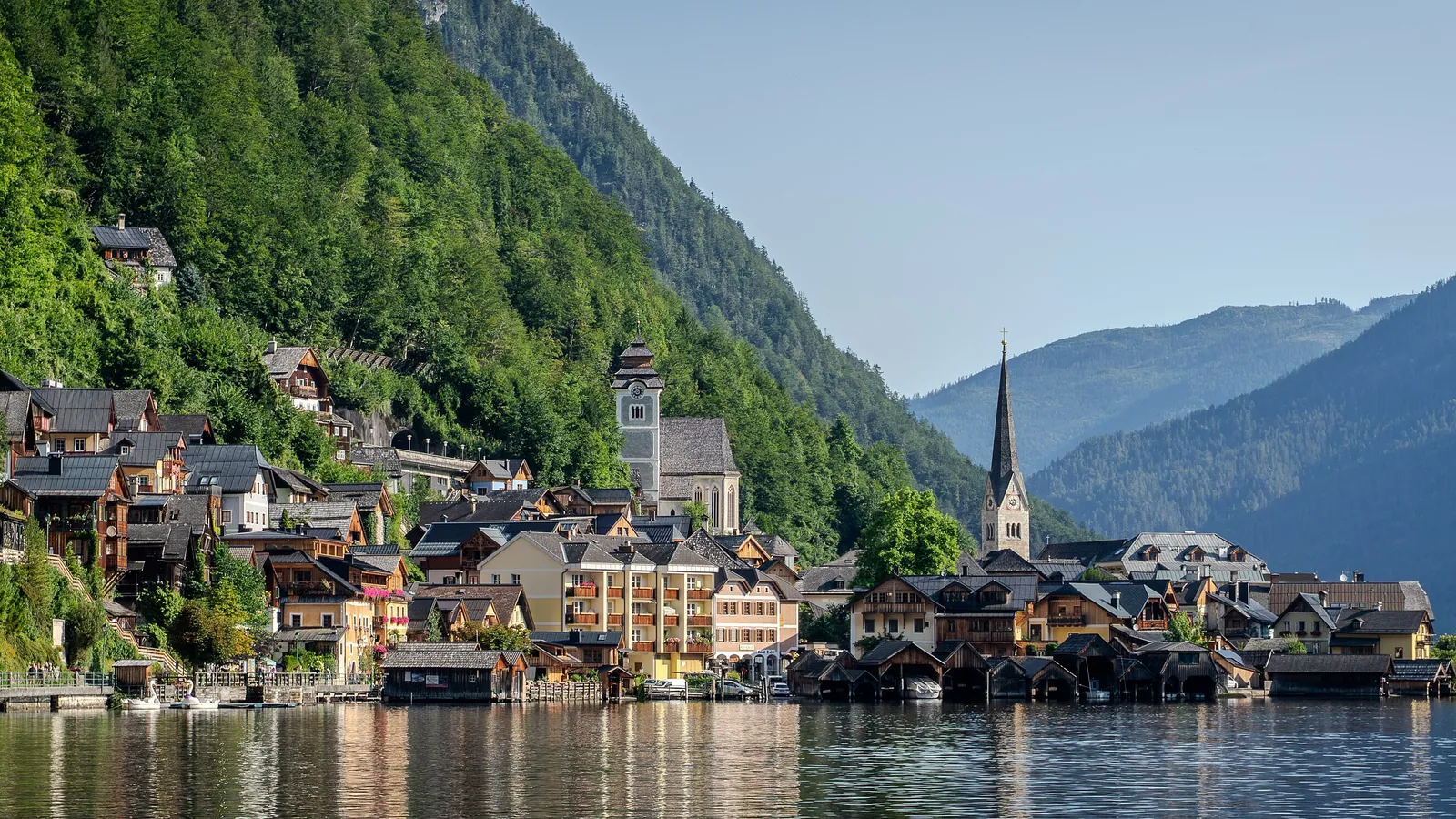
Europe · 6 destinations
Austria is one of the most reliably family-friendly countries in Europe and the easiest introduction to the Alps. Summer mountain resorts are built around children — adventure playgrounds at the top of gondolas, alpine coasters, lake swimming that is genuinely warm by July — and the infrastructure is excellent everywhere. Vienna and Salzburg add city days without the heat and crowd levels of southern Europe, and distances are short enough that a single week can cover both.
Suits up to 16
Mid-range
Summer lift passes open adventure playgrounds, coasters and themed trails at altitude.
Clean, organised, safe, with excellent public facilities and reliable transport.
Warm days and cool nights when the Mediterranean is at its most punishing.
Vienna to Salzburg is under three hours by train; the Tyrol is a few hours further.
Salzkammergut and Carinthian lakes reach comfortable swimming temperatures in July and August.
Many regions give free lifts, buses and pool entry with your accommodation.
7 days€€AustriaSalt mines, cable cars and lake swimming
Where to stay
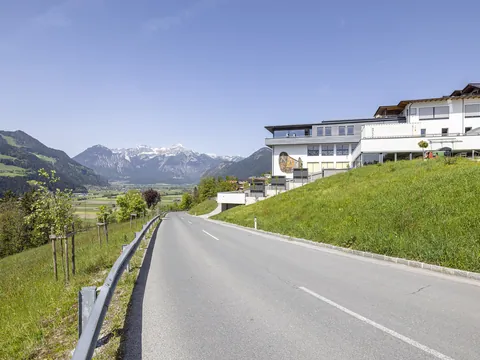
Austrian family hotels bundle what would otherwise be separate costs: half board, a pool, childcare, and often the regional lift and bus card.
Fitting a family in
Family rooms, suites and interconnecting doubles are the standard product rather than the exception.
Watch out. Most close between seasons — roughly April to mid-June and October to early December.
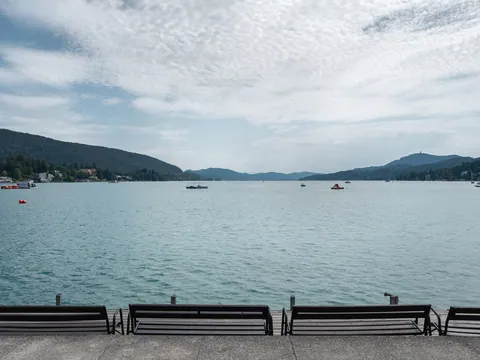
Private lake access is what separates a good Carinthian week from an average one: with small children, a lawn and shallow water you can walk to barefoot removes the entire logistics problem of a day at a public lido.
Fitting a family in
Family rooms and lakeside apartments sleeping four are the standard product; five needs booking well ahead.
Watch out. First-row lakefront carries a large premium and many of these properties close outside the short summer season. Where the lake road runs close behind, the cheaper rooms on the land side can be noisy.
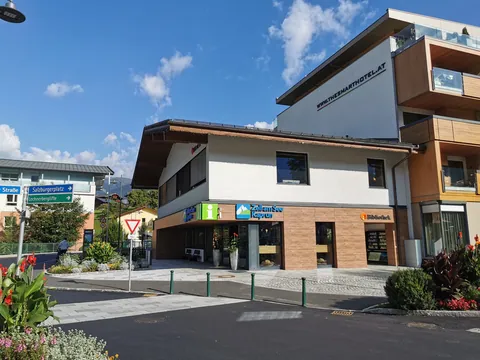
Half board, an indoor pool and the regional lift card in one booking is the combination that makes an alpine week with children work in any weather, and the flat lake path means the lido is reachable without the car.
Fitting a family in
Family rooms, suites and interconnecting doubles are the standard product; four is straightforward, five needs asking about directly.
Watch out. The main road and the railway run along parts of the lake, so a lake-view room can equally be a road-noise room — check which side it faces. Most properties close between seasons, roughly April to mid-June and October to early December.
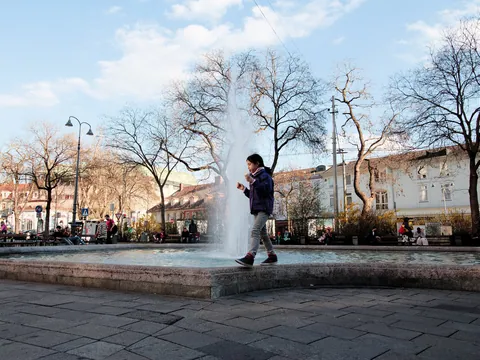
Graz is small enough that an apartment within ten minutes' walk of the old town removes transport from the city days entirely, and a kitchen matters more here than in most Austrian cities because the afternoons are hot and children end up eating at odd hours.
Fitting a family in
Two-bedroom apartments sleeping four to six are widely available and usually cheaper than two hotel rooms in the centre.
Watch out. Air conditioning is the exception rather than the rule in older buildings, and July and August nights in Graz are genuinely hot, so it is worth confirming rather than assuming. The historic centre is a restricted traffic zone, which puts a car in a paid garage for the stay, and the bar streets at the edge of the old town are loud until late on summer weekends.
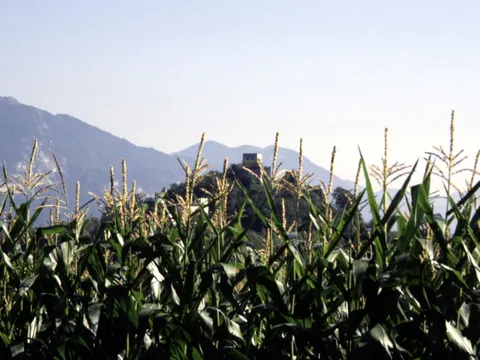
This is the Austrian family-hotel product at Styrian prices: half board with an early children's sitting, an indoor pool for the wet afternoon that will happen, and frequently the regional summer or ski card covering the cable cars and buses.
Fitting a family in
Family rooms, suites and interconnecting doubles are the standard product here rather than the exception, so four is straightforward and five is usually possible.
Watch out. Most of these hotels close between seasons, roughly April to mid-June and October to early December. The area is well over two hours from Graz, so it has to be planned as a separate base, and the glacier cable car is a further drive and a separate ticket on top of any guest card.
Some links on this page are affiliate links. If you book through one, the price is the same for you and we may earn a commission. How this works.
Salzburg
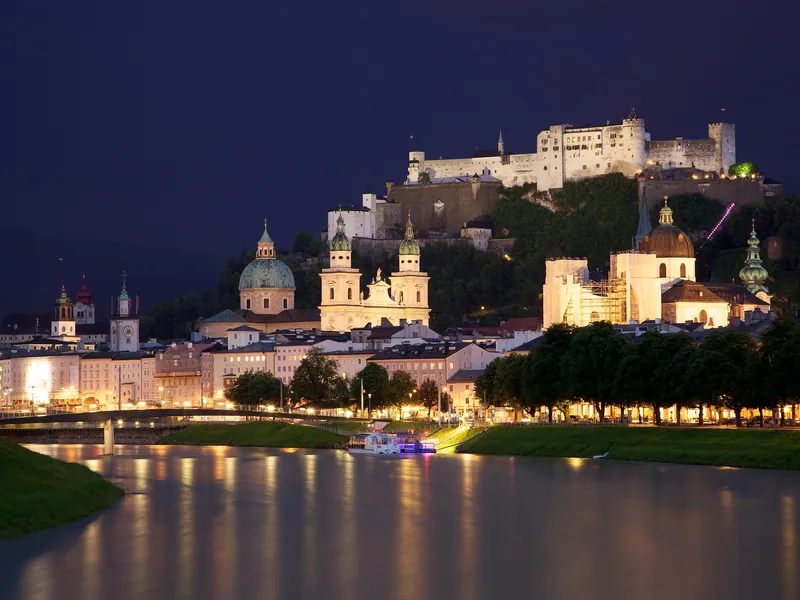
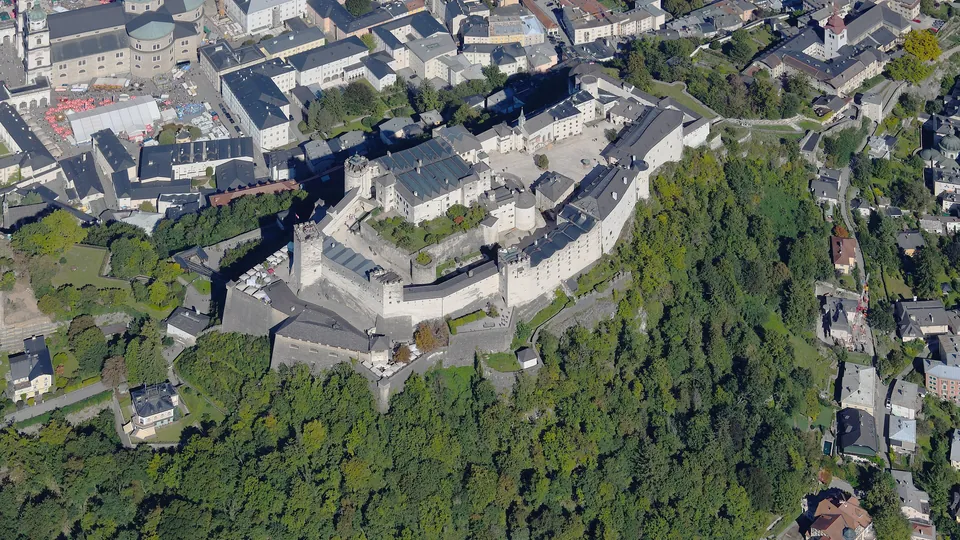
One of the largest intact medieval fortresses in Europe, directly above the old town and reached by a short funicular ride.
Salzburg
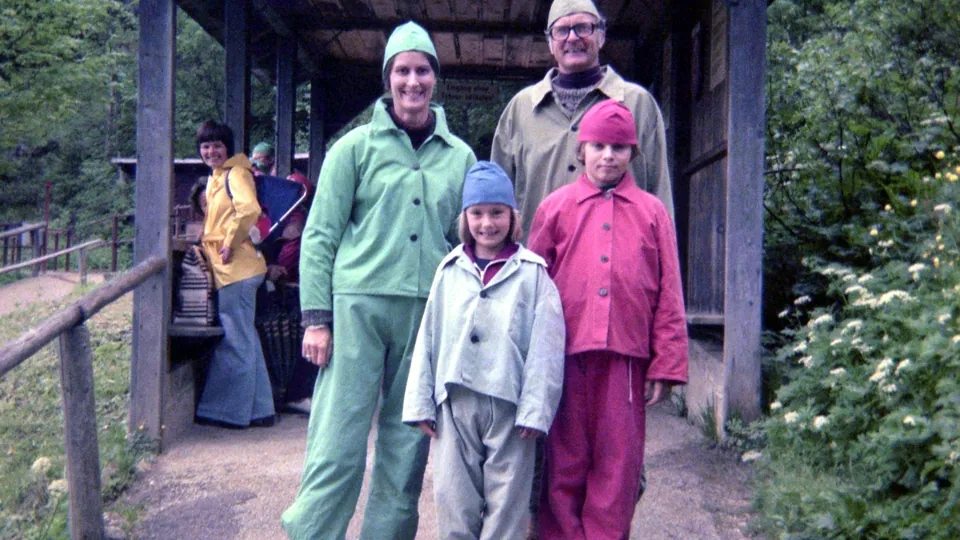
A working salt mine entered by miners' train, with long wooden slides between levels and an underground salt lake. One of the strongest attractions in the Alps for children.
Good to know. Around 10°C underground year-round. Overalls are provided; wear closed shoes and a layer.
Tyrol
Gondolas open onto high-altitude adventure playgrounds, water-play areas, themed trails and summer toboggan runs, usually covered by one pass.
Good to know. Operates roughly late June to mid-September. Check which lifts are running before travelling.
Vienna
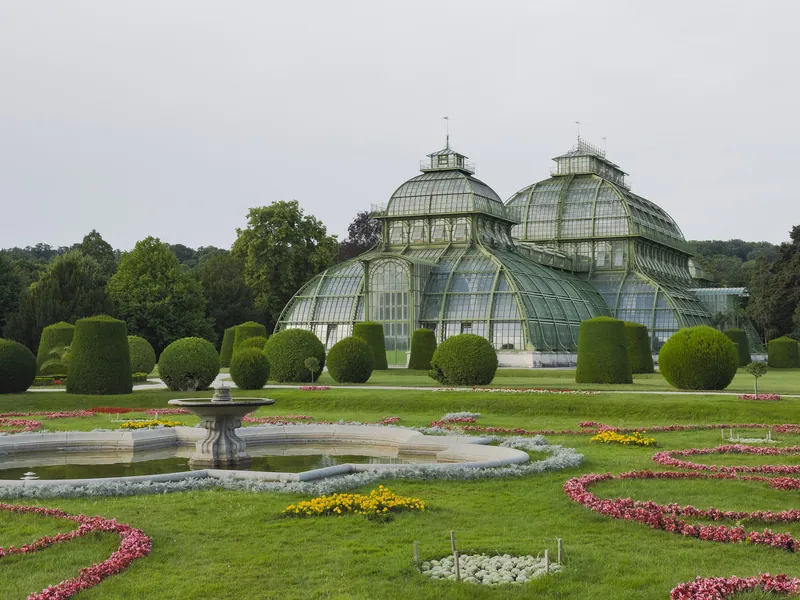
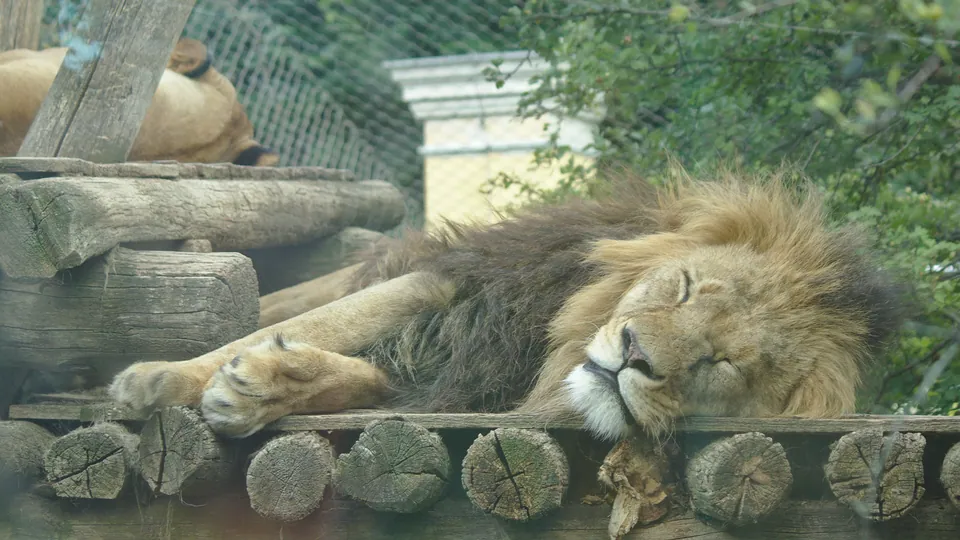
The oldest zoo in the world, set inside the Schönbrunn palace gardens, consistently rated among the best in Europe.
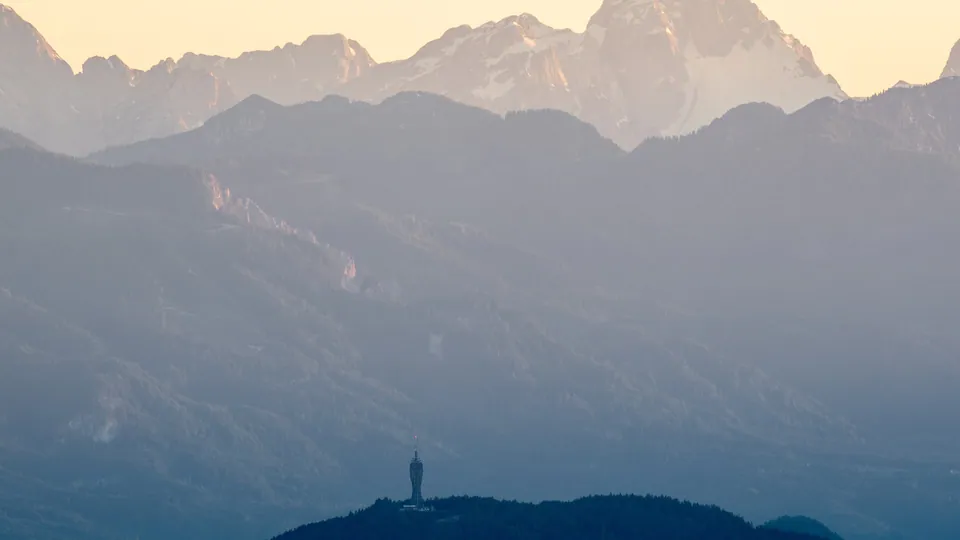
Carinthia
A 100 m timber observation tower on a hill above the Wörthersee, with open and glazed viewing platforms looking over the lake to the Karawanks, and a covered slide of about 120 m spiralling back down inside the structure.
Good to know. The slide is a separate extra and carries its own minimum age and height rules, so it is worth checking before promising it to a small child. The upper platforms are fully exposed and close in thunderstorms, which build on summer afternoons here.
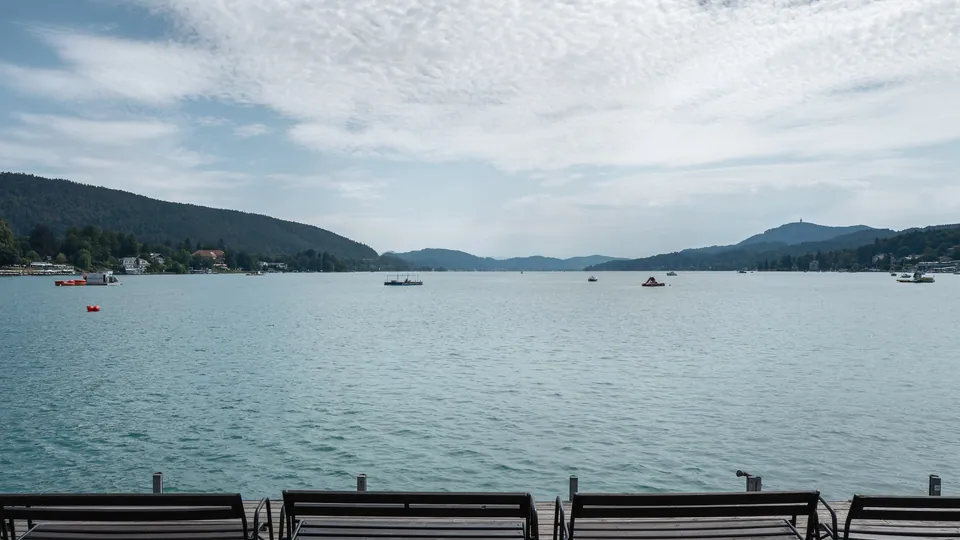
Carinthia
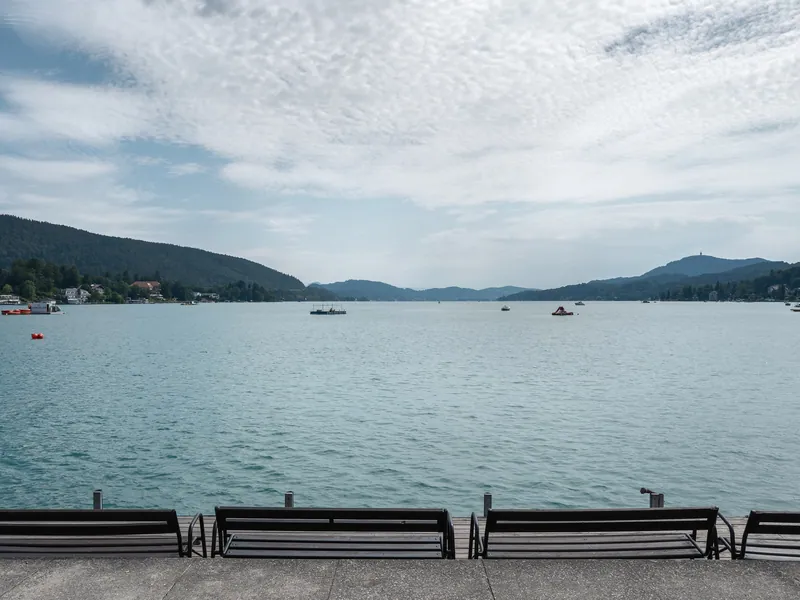
Municipal and hotel Strandbäder around the lake, with grass lawns, roped-off shallow areas, diving platforms, slides, changing huts and cafés, on water that reaches genuine swimming temperatures through July and August.
Good to know. Most of the shoreline is private or behind a paid gate and the free public access points are few and crowded. The water is only properly warm from about late June, and the lidos keep a short season either side of that.
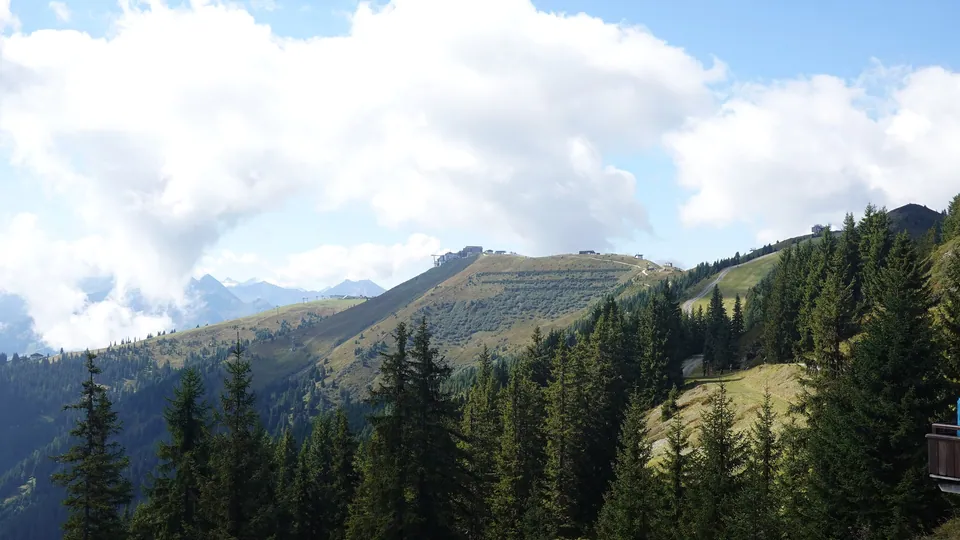
Zell am See
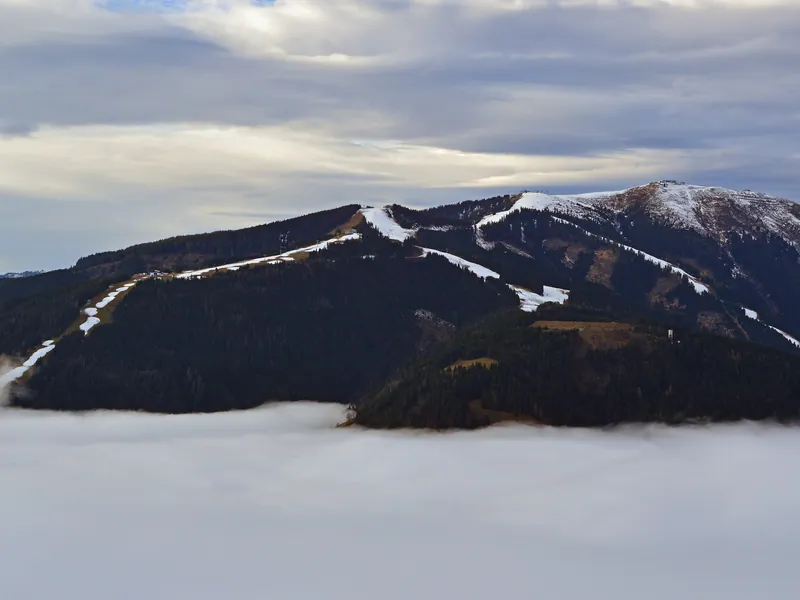
Several cable cars climb from the edge of Zell am See to the Schmittenhöhe ridge at just under 2,000 m, opening marked family walking trails, playgrounds, viewpoints and mountain huts above the lake.
Good to know. The ridge is markedly colder and more exposed than the lakeshore, so warm layers go up even on a hot day. Lifts stop in high wind and thunderstorms, and only some of them run in the gaps between the summer and winter seasons.
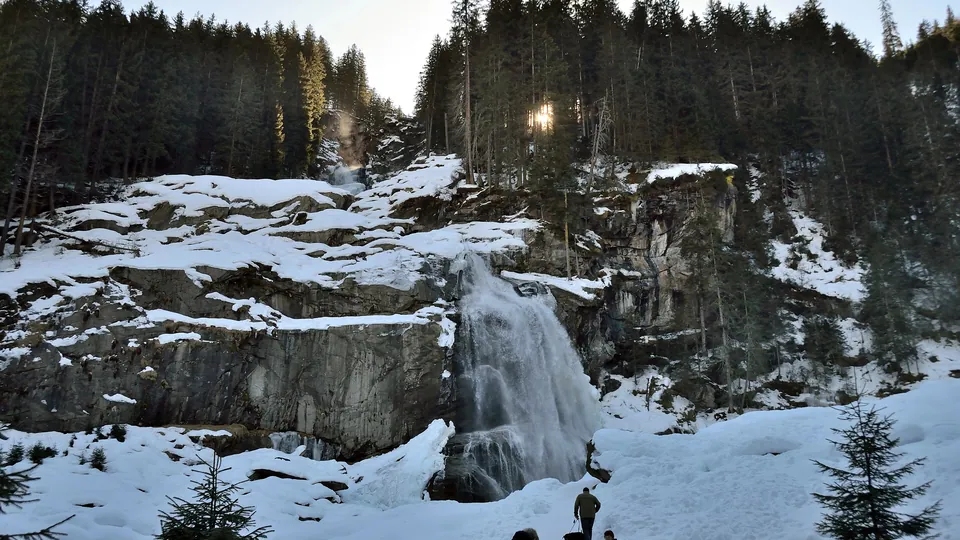
Zell am See
The Krimmler Ache drops around 380 m in three stages, with a path switchbacking up through the forest alongside it and viewing platforms placed at each level.
Good to know. Reaching the top is roughly 4 km of continuous climb on gravel, about an hour and a half up, and not a pushchair route above the first platforms. Spray keeps the platforms and railings wet and slippery. The lowest viewpoints are ten to fifteen minutes in and are the ones most families actually need.
Styria
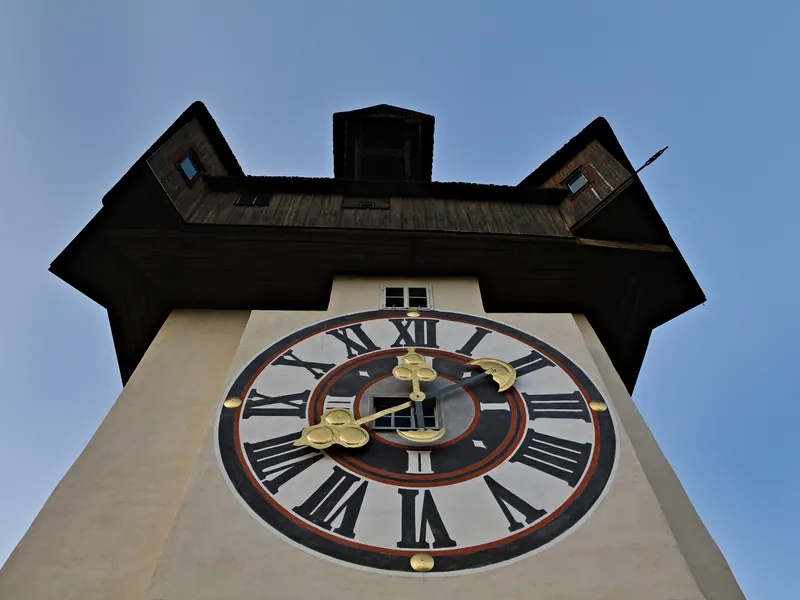
The wooded hill in the middle of Graz, crowned by the city's landmark clock tower and the remains of its fortress, reached by a cable railway from the river, by a lift driven up through the rock, or on foot by a zigzag stair. A tunnel slide runs from the top back down inside the hill.
Good to know. The funicular, the rock lift and the slide are three separate tickets, and the slide carries its own minimum age and height and is sold in timed slots — worth checking before it is promised to a small child. The stepped path up is a long, largely unshaded climb that is hard work on a hot afternoon, and the hilltop terraces have low walls above steep drops.
Styria
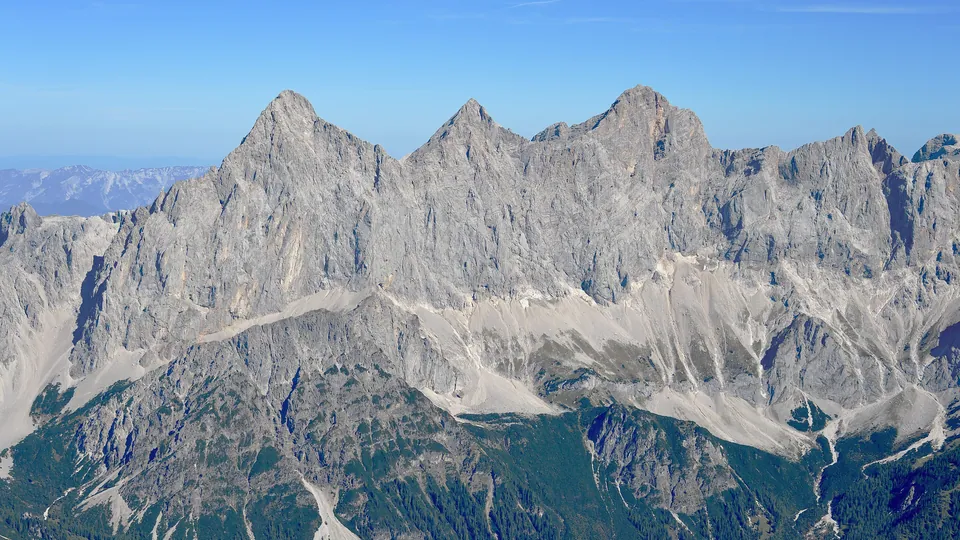
A cable car from the Ramsau plateau above Schladming to a station at around 2,700 m on the Dachstein, with a viewing platform over the north face, a suspension bridge across a gorge, a stairway built out into thin air and tunnels cut into the glacier ice.
Good to know. The top is snow-covered, cold and windy in August, so warm layers and closed shoes go up regardless of the valley weather, and the ice tunnels are below freezing. The suspension bridge and the stairway hang over long drops and are a poor idea for anyone uneasy with heights. The cable car closes in high wind, and the view is the entire point, so the webcam is worth checking before the drive up.
Styria
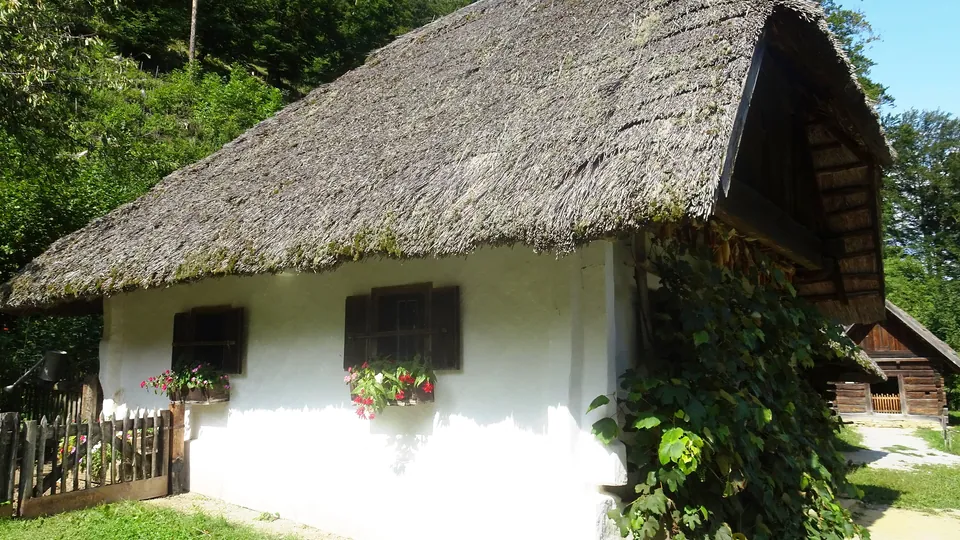
Around a hundred historic farmhouses, barns, mills and workshops moved from across Austria and rebuilt along a wooded valley north of Graz, arranged roughly by region so that walking up the valley crosses the country. Craft demonstrations run on advertised event days.
Good to know. The site is one long valley with a continuous gentle climb and the same path back, four to five kilometres of walking there and back and considerably more than most families expect. It closes for the winter, the interiors are dark, low and mostly unstaffed on quiet days, and the craft demonstrations that bring it alive only happen on advertised dates.
Some links on this page are affiliate links. If you book through one, the price is the same for you and we may earn a commission. How this works.
Rail between the cities is fast, comfortable and well suited to families, with reserved seats and family compartments on ÖBB long-distance services. In the mountains, a car makes valley-hopping and trailhead access far easier, although a single resort base can work entirely on the included guest-card buses and lifts.
A little driving. No car is needed for Vienna, Salzburg or a single mountain resort with a guest card. A car earns its cost if you plan to move between valleys or combine lakes with mountains.
€
€140
Budget · per day, family of four
€€
€230
Mid-range · per day, family of four
€€€
€380
Higher-end · per day, family of four
Planning estimates based on published prices at the time of writing, in shoulder season. Peak months, school holidays and city-centre accommodation all push the figure higher.
Straightforward for children: schnitzel, dumplings, pasta, soups and outstanding bakeries. Mountain huts serve full meals at altitude. Vegetarian options are widely available in cities and increasingly so in the mountains, though traditional menus are meat-heavy.
Money & costs
Most mountain and lake regions issue a card with your accommodation that covers buses, lifts, pools and some museums. It frequently saves more than the accommodation premium at a hotel that includes it.
Getting around
Austrian motorways require a vignette, sold digitally or as a windscreen sticker. Rental cars from within Austria usually have one; cars brought in from Germany or Italy often do not. Some alpine passes and tunnels carry separate tolls.
When to go
Through much of May and November, mountain lifts, coasters and many hotels shut down entirely. The scenery remains; almost nothing else is open.
With kids
Salzkammergut lakes warm through the summer and are most comfortable in late July and August. In June they are bracing.
Some links on this page are affiliate links. If you book through one, the price is the same for you and we may earn a commission. How this works.