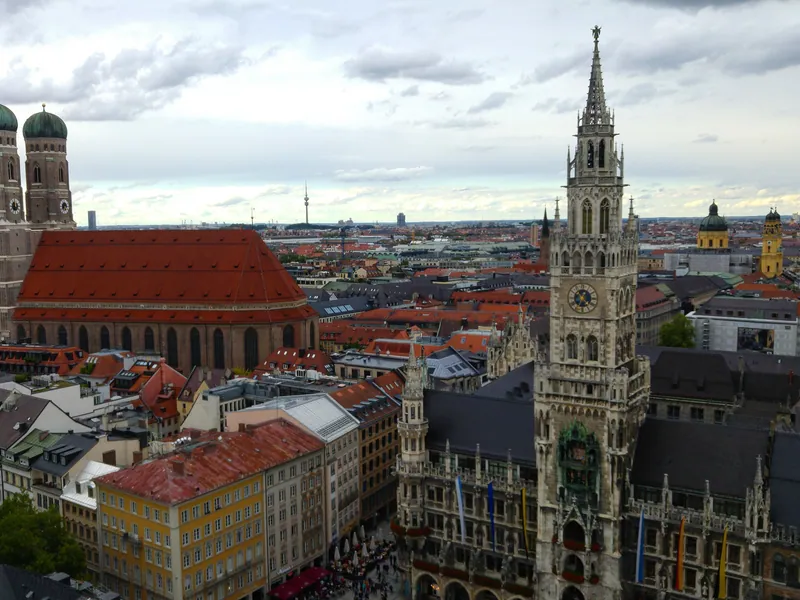
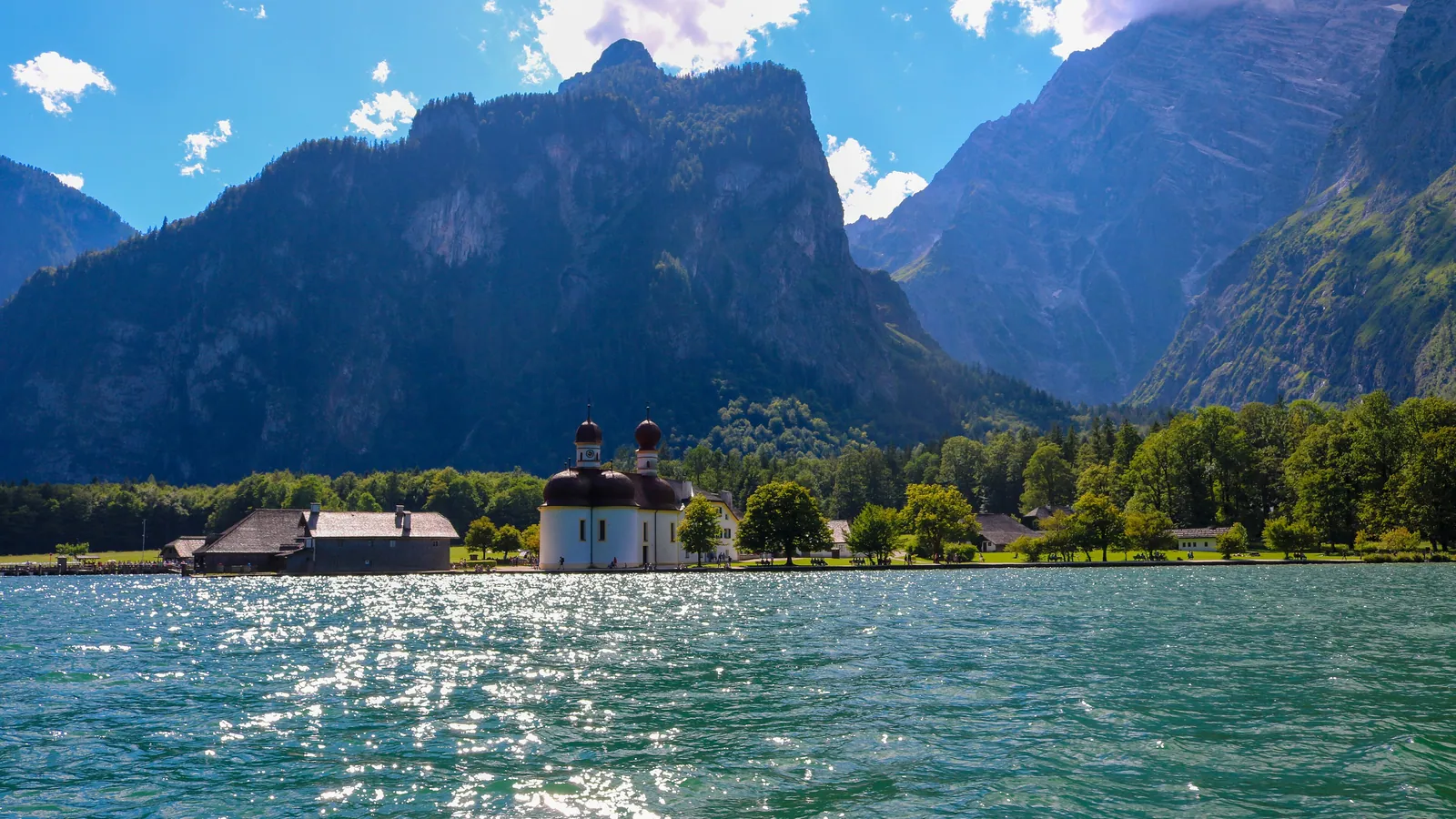
Europe · 5 destinations
Germany with Kids: Where to Stay, Costs & When to Go
Germany is one of the most practical countries in Europe to travel with children. Distances are short, the rail network reaches almost every region a family would want, playgrounds and changing facilities are treated as normal infrastructure rather than a favour, and the country holds two of the strongest theme parks in Europe alongside its castles and museums. The trade-offs are real: long-distance trains are frequently delayed, a large share of outdoor attractions close or cut back between November and March, and card payment is still refused in enough bakeries, guesthouses and ticket kiosks that cash has to be carried.
- Best for ages
- 3+
- Recommended trip length
- 7–14 days
- Budget level
- €€
- Best time to visit
- May–Sep, Dec
Suits up to 16
Mid-range
Why Germany works for families
Rail reaches the whole trip
Berlin, Munich, Freiburg and the Rhine are all on the national network, and regional day tickets cover a group of up to five people.
Two of Europe's biggest theme parks
Europa-Park at Rust and Legoland Deutschland at Guenzburg sit at opposite ends of the age range, which lets a route be built around either one.
Cheaper than its neighbours
Family rooms, eating out and museum entry cost noticeably less than in France, Switzerland or the Netherlands.
Built for children as a matter of course
Playgrounds in almost every neighbourhood, changing tables in motorway services, and reduced or free fares for under-fifteens on most transport.
History that is physically there
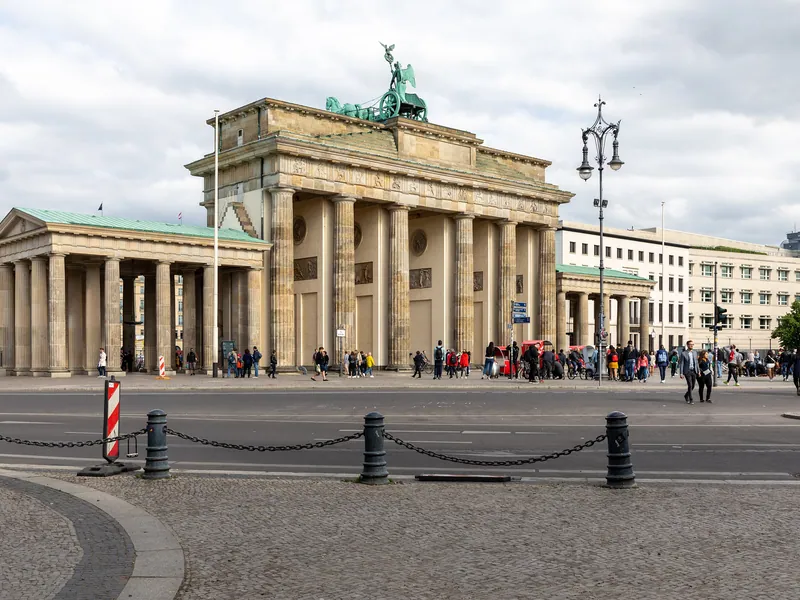
A hill castle above a river, a preserved stretch of the Berlin Wall and a working steam railway land with children without a guidebook.
Forest and mountain within an hour of a city
The Bavarian Alps sit under two hours from Munich, and the Black Forest starts at the edge of Freiburg's tram network.
Where to go in Germany
The areas worth building a family trip around, and how long to give each.
The Baltic Coast
White sand, hooded beach chairs and a steam train
- Suggested stay
- 5–8 days
- Best for ages
- 0+
When to visit Germany with kids
May to September is when the castles, cable cars, river boats and theme parks are all reliably open and the days are long. December is the other window, for Christmas markets, but it is cold, dark by mid-afternoon and most outdoor attractions are shut.
- Jan
- Feb
- Mar
- Apr
- May
- Jun
- Jul
- Aug
- Sep
- Oct
- Nov
- Dec
Where to stay
Family hotels in Germany
We list areas and property types rather than single hotels: family-room availability changes constantly, and the area plus the room requirement is what survives contact with a booking engine.
 Isarvorstadt / AltstadtMid-range
Apartment near the Isar in central Munich
A two-bedroom apartment costs less than two hotel rooms, adds a kitchen and a washing machine for a two-week trip, and puts the river path, the market and the science museum within walking distance so the transport day starts later.
- Kitchen and washing machine
- Walking distance to the Deutsches Museum and the old town
- Tram and S-Bahn within a few minutes
- River meadows and playgrounds along the Isar
Fitting a family in
Two-bedroom units sleep four to five without a rollaway. Listings described as one bedroom plus a sofa bed are the ones to check carefully, because many are studios in practice.
Watch out. Many older blocks have a small lift or none at all, which matters on a fourth floor with a pushchair and suitcases. Rates across the whole city climb steeply during the mid-September to early-October festival weeks.
Check hotel prices — opens Klook in a new tab (affiliate link)Live availability for your dates RustHigher-end
Themed resort hotel at the park gates
A theme-park day is long at both ends, and staying at the gates removes the drive or the train-plus-shuttle when everyone is tired. The park-gate hotels also carry the early-entry arrangements that put a family on the first coasters before the day queues form.
- Walking distance or a resort shuttle to the entrance
- Early park entry on some room rates
- Family rooms built for four as standard
- Pools and evening entertainment on site
Fitting a family in
Four-person rooms with bunk or separate children's sleeping areas are the standard product here rather than an exception, which is unusual in Germany.
Watch out. Rates at the gates rise sharply in the school holidays and the season peaks, and sell out months ahead. Rust itself has almost nothing besides the park, so a stay longer than two nights needs a car to reach the rest of the region.
Check hotel prices — opens Klook in a new tab (affiliate link)Live availability for your dates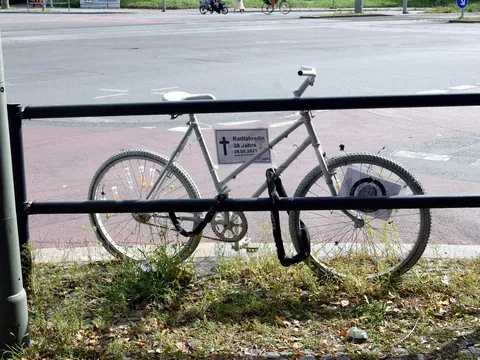 Prenzlauer BergMid-range
Period apartment in Prenzlauer Berg
This is the district Berlin families actually live in, so the infrastructure is already there: playgrounds on most blocks, cafes that expect prams, supermarkets on every corner and a large park at the edge of it.
- Playgrounds and Mauerpark within walking distance
- Kitchen and washing machine
- Tram and U-Bahn connections to the centre
- Quiet courtyard-facing rooms in most blocks
Fitting a family in
Period apartments are large by city standards and two-bedroom units comfortably sleep four to five. Floor area is generally stated in the listing and is a more reliable guide here than the room count.
Watch out. Fifth-floor walk-ups with no lift are common and are a serious problem with a pushchair, so the floor and the lift both need confirming. The cobbled side streets are hard going on small wheels.
Check hotel prices — opens Klook in a new tab (affiliate link)Live availability for your dates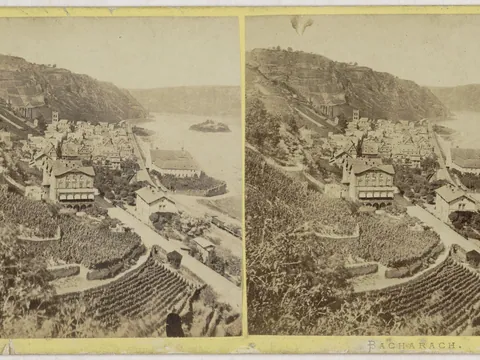 Bacharach / OberweselMid-range
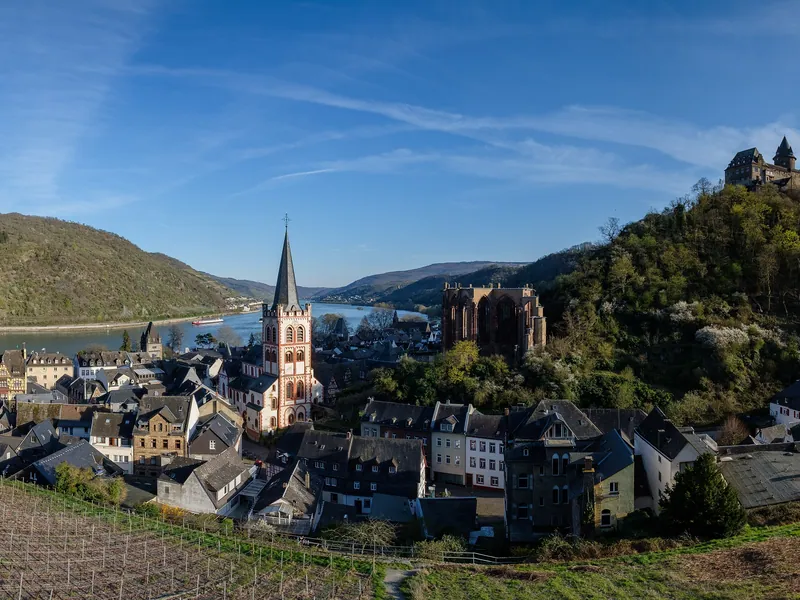
Half-timbered guesthouse inside the town walls
A small guesthouse in a walled riverside village means the boat pier, the station and dinner are all within a few minutes' walk, so a family can do the whole river day without a car and without carrying children back uphill at the end of it.
- Walking distance to the boat pier and the station
- Compact, flat, traffic-light village centre
- Breakfast usually included
- Castle and vineyard paths starting from the town
Fitting a family in
Family rooms sleeping four exist but are few per property and go early for summer weekends. Many of these buildings are centuries old, so rooms are irregular in shape and size.
Watch out. Freight trains run along both banks through the night and the track passes within metres of the houses, so a room facing the river or a courtyard rather than the line matters more than the view. Very little is open after about 21:00.
Check hotel prices — opens Klook in a new tab (affiliate link)Live availability for your dates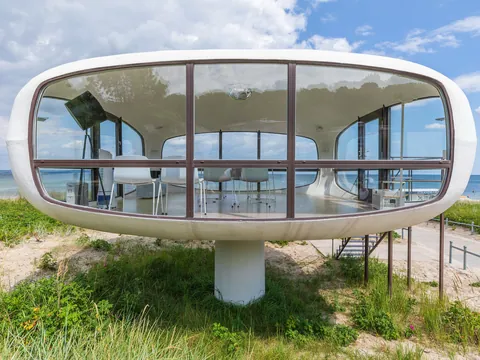 Binz / Sellin, RuegenHigher-end
Holiday flat in a resort villa in Binz or Sellin
East Ruegen has the highest concentration of holiday flats on the coast and they are priced per unit rather than per person, so a two-bedroom flat with a kitchen and a balcony costs less than two hotel rooms. The beach, the promenade, the restaurants and a steam-railway station are all within walking distance, which means several days can pass without touching the car.
- Kitchen, washing machine and a balcony for wet swimming things
- Beach and promenade within a short walk
- Rasender Roland station in town
- Supermarkets, bakeries and a pharmacy at street level
Fitting a family in
Two-bedroom flats sleep four to six and are quoted per unit. Bed linen, towels and the final clean are frequently charged on top, so the headline nightly rate is not the total.
Watch out. High summer sells Saturday to Saturday only, books months ahead and carries the highest rates on the coast. The resort villas are period buildings with narrow staircases and often no lift, the promenade strip stays loud late into the evening in August, and the visitor tax is added per person per night at check-in.
Check hotel prices — opens Klook in a new tab (affiliate link)Live availability for your dates
Some links on this page are affiliate links. If you book through one, the price is the same for you and we may earn a commission. How this works.
Top family attractions in Germany
What each one costs, how long it takes, which ages it suits and whether you need to book ahead.
 CultureBook ahead
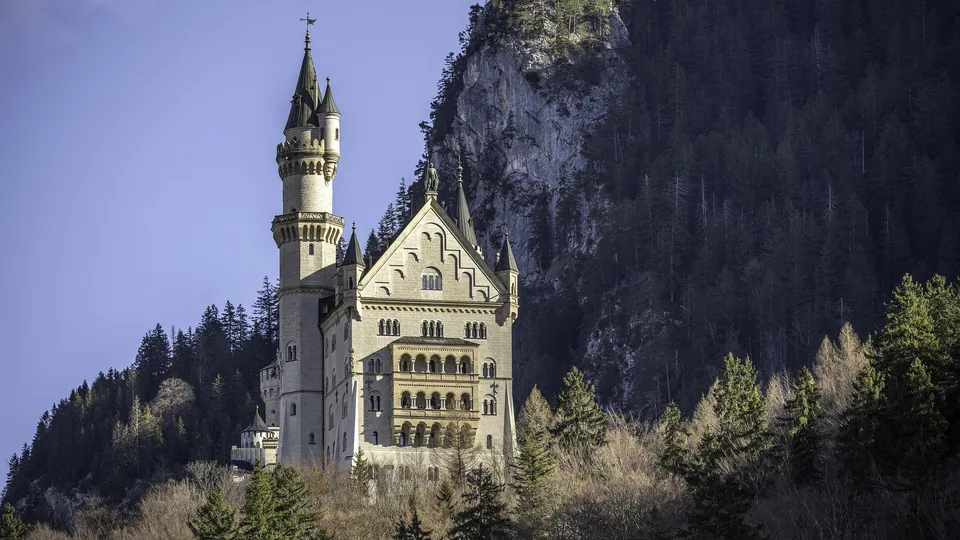
Neuschwanstein Castle
Bavaria
The nineteenth-century hillside castle above Hohenschwangau that most children already recognise, with the neighbouring Hohenschwangau castle and a lake on the valley floor below it.
- Ages
- 5–16
- Time
- 5h
- Adult, from
- €21
Good to know. Entry is a timed, non-transferable online slot and there is effectively no on-the-day option in summer. From the ticket centre it is a steep 1.5 km climb of around thirty to forty minutes, or a shuttle bus or horse carriage that still leaves a walk. The guided interior tour lasts roughly half an hour, covers a handful of rooms, involves many stairs and does not allow pushchairs. The Marienbruecke viewpoint closes in ice and high wind.
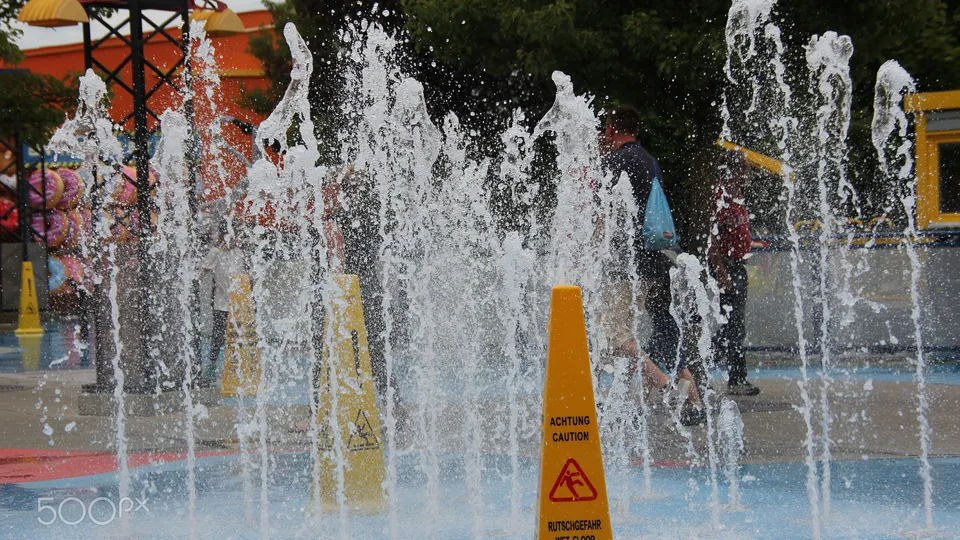 Theme parkBook ahead
Legoland Deutschland
Bavaria
A Lego-themed park at Guenzburg, about ninety minutes from Munich by regional train and shuttle, built around gentle rides, build zones and a large miniature-model park.
- Ages
- 3–11
- Time
- 8h
- Adult, from
- €50
Good to know. Aimed squarely at under-twelves, so teenagers tend to run out of interest by mid-afternoon. A large share of rides sit at 1.00 to 1.20 metres or require an accompanying adult, and the park closes for the winter, reopening in spring.
 Theme parkBook ahead
Europa-Park
Black Forest
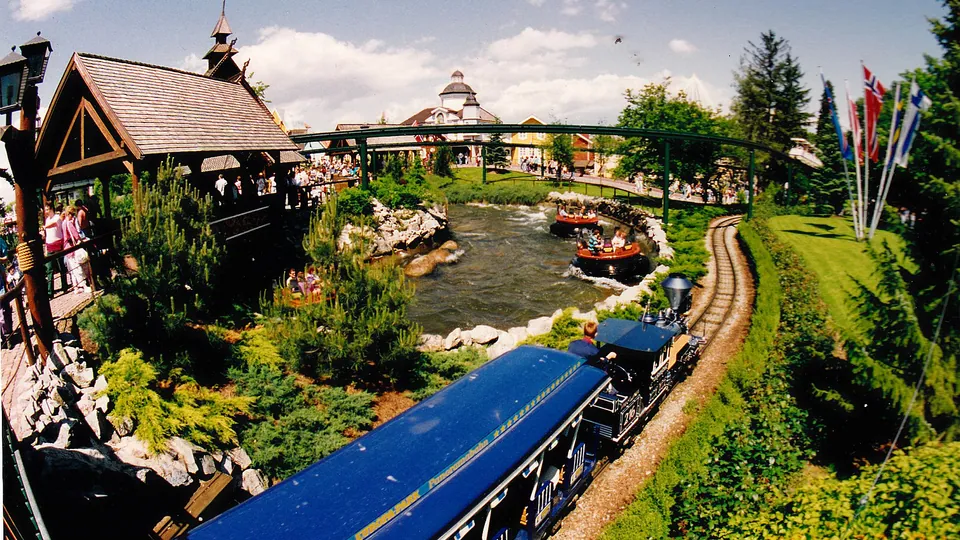
Germany's largest theme park, at Rust on the western edge of the Black Forest, with more than a hundred attractions arranged across themed areas representing European countries, plus its own resort hotels and an adjoining water park.
- Ages
- 3–17
- Time
- 10h
- Adult, from
- €65
Good to know. In the July and August peak the headline coasters hold queues well beyond an hour, and the walking distances between themed areas are substantial. Several of the big rides are gated at 1.30 to 1.40 metres, which is the measurement that decides whether a ticket is worth full price for a younger child. Most families need two days rather than one.
 Nature
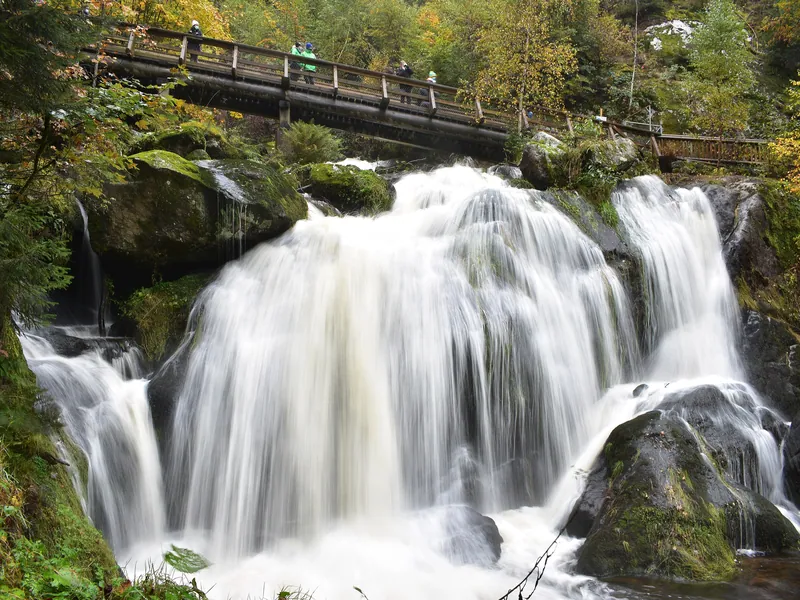
Triberg Waterfalls
Black Forest
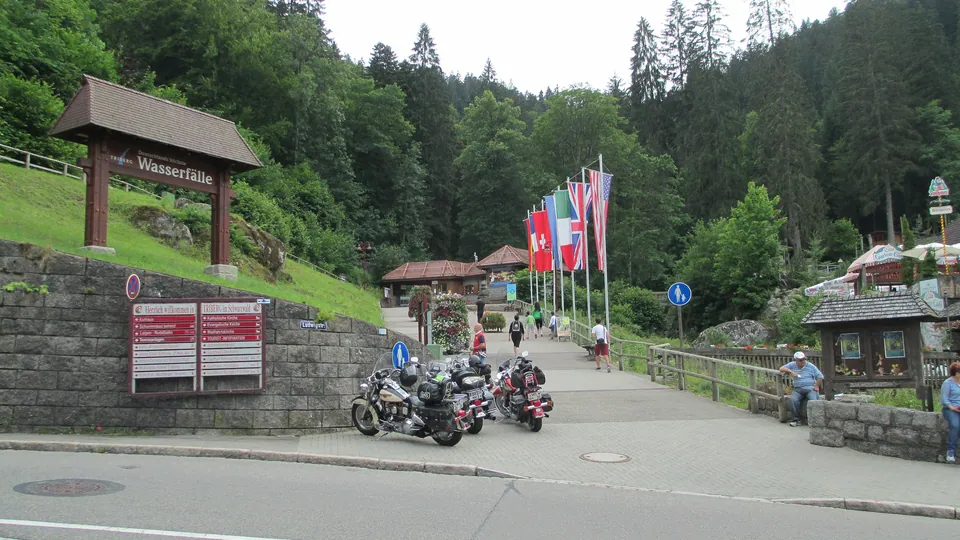
The highest waterfalls in Germany, dropping around 160 metres in a series of cascades through a wooded gorge, on a ticketed path with viewing platforms at several levels.
- Ages
- 3–14
- Time
- 1h 30m
- Adult, from
- €9
Good to know. The route is stepped and steadily uphill, roughly 1.5 kilometres to the top and back, and the timber walkways are slippery after rain. The lower platforms are reachable with a pushchair, the upper ones are not. Entry is charged even though it is a forest path.
 Museum
Deutsches Technikmuseum
Berlin
A large transport and technology museum in Kreuzberg with locomotives in original roundhouses, aircraft, shipping and printing halls, and the Spectrum science centre of hands-on experiments.
- Ages
- 4–15
- Time
- 4h
- Adult, from
- €12
Good to know. The site is split across buildings and the Spectrum science centre is a short walk from the main hall, which is easy to miss and is usually the part children like most. The rail halls are unheated and cold in winter.
 Culture
Berlin Wall Memorial, Bernauer Strasse
Berlin
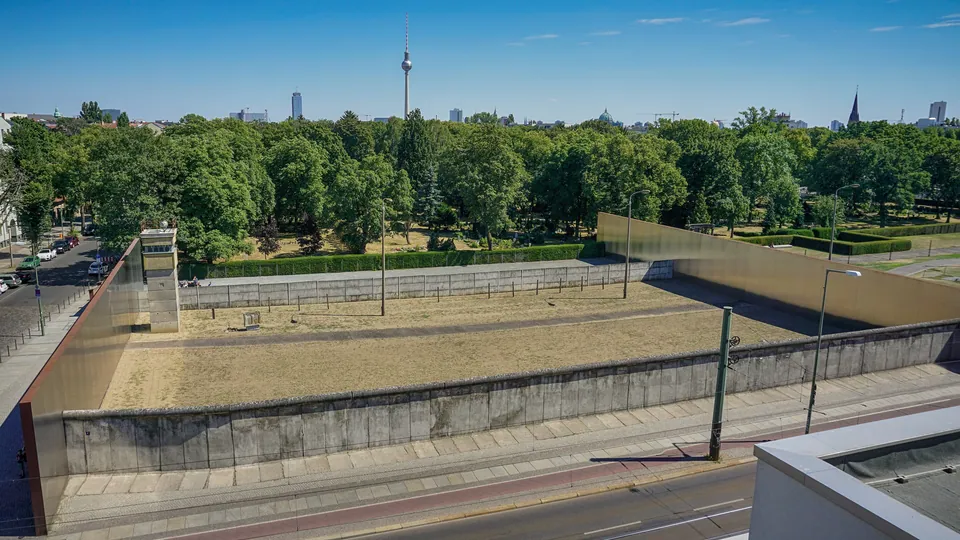
A free open-air memorial along roughly 1.4 kilometres of the former border, with a preserved section of wall and death strip, a watchtower, a documentation centre and a viewing platform over the whole layout.
- Ages
- 8–17
- Time
- 2h
- Adult, from
- Free
Good to know. Entirely outdoors and exposed in poor weather. The content is unsparing, including the names and photographs of people killed at the border, so it needs explaining beforehand and is heavy going below about eight.
 Water
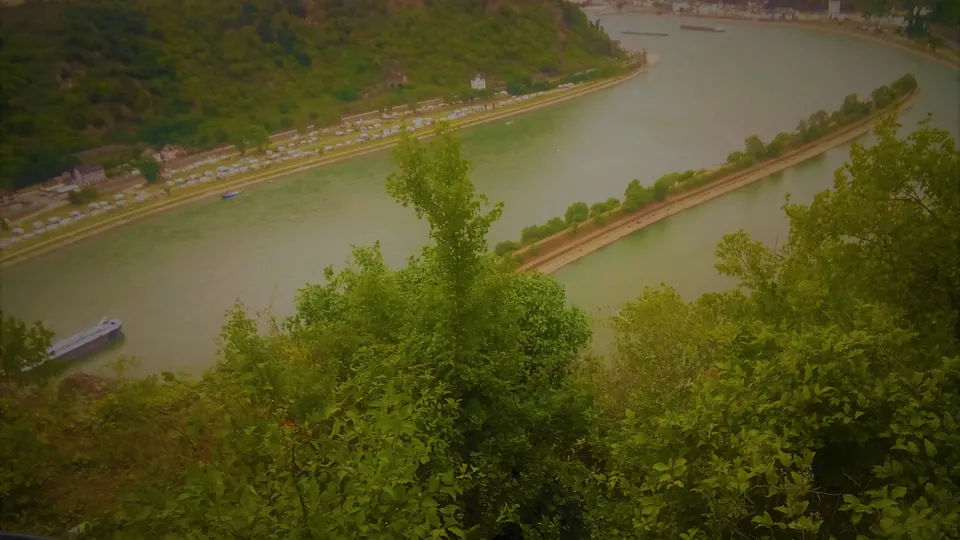
Rhine boat through the Loreley gorge
Rhine Valley
Scheduled river boats along the castle stretch between Koblenz and Ruedesheim, passing hillside castles, vineyard terraces and the Loreley rock, with stops at the riverside towns so a leg can be combined with a train back.
- Ages
- 3–16
- Time
- 2h
- Adult, from
- €25
Good to know. The full run takes most of a day one way, which is far more than most children will sit through; a single leg of about an hour is the usable format. The open deck has no shade and is windy and cold on the water even in summer. Services run only through the warmer half of the year.
 Adventure
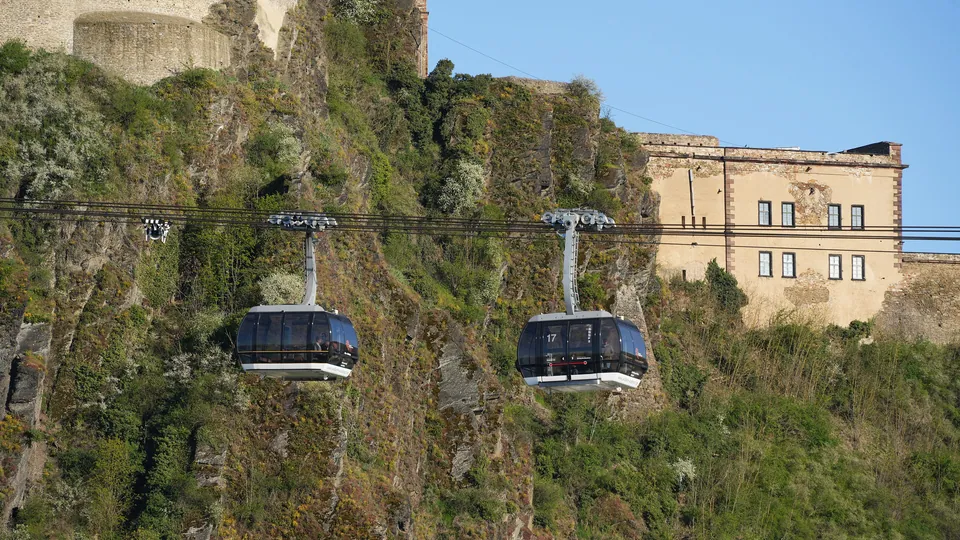
Ehrenbreitstein Fortress and the Koblenz cable car
Rhine Valley
An enclosed cable car crossing the Rhine from the Koblenz riverfront to a vast nineteenth-century hilltop fortress with ramparts, a museum and a view down the whole gorge.
- Ages
- 4–16
- Time
- 3h
- Adult, from
- €19
Good to know. The cable car stops in high wind and for an annual maintenance period, and runs a reduced service in winter, so the walking or bus alternative up the hill should be checked before setting out. The fortress is a large open site with unfenced drops in places and very little shade.
 Adventure
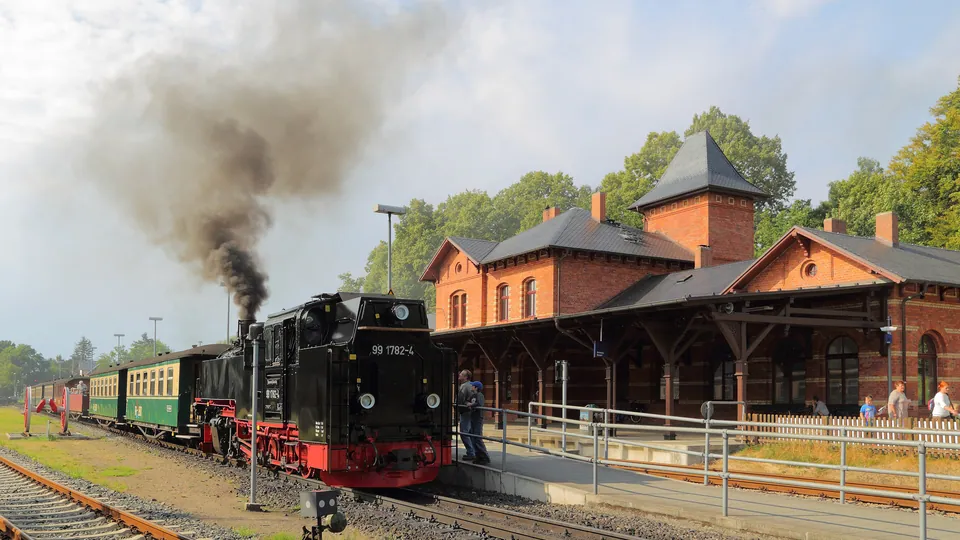
Rasender Roland steam railway
The Baltic Coast
A narrow-gauge steam railway running to a scheduled timetable across east Ruegen between Putbus, Binz, Sellin and Goehren, hauled by working locomotives with open-window carriages and a guard who walks the train.
- Ages
- 2–14
- Time
- 1h 30m
- Adult, from
- €15
Good to know. It is a real service rather than a heritage ride, so it is slow, hot in summer, and smoke and cinders reach anyone sitting beside an open window. Carriages fill completely in the peak weeks and seats cannot be reserved, so a family of four may not sit together. A single leg of twenty to thirty minutes is enough for most children, where the full run and back is over two hours.
 Nature
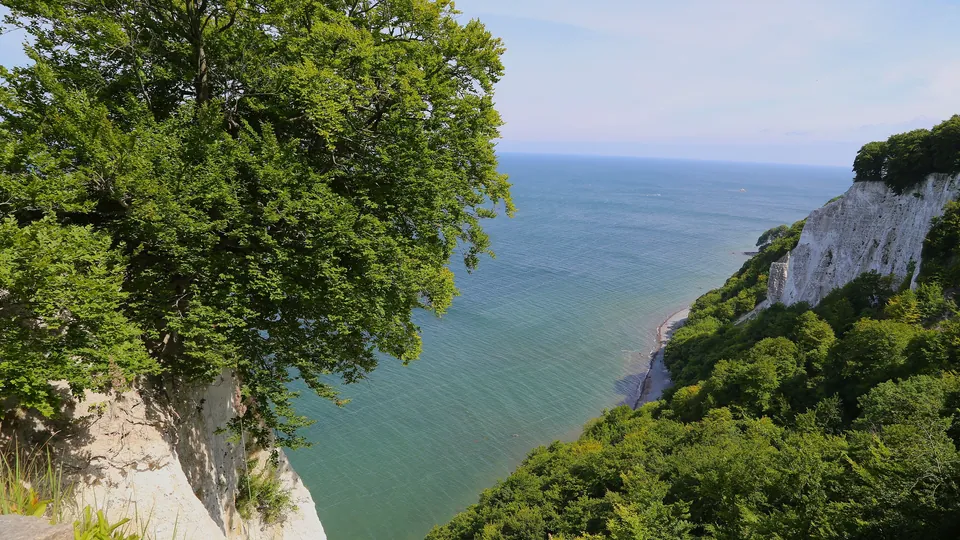
Koenigsstuhl and the Jasmund chalk cliffs
The Baltic Coast
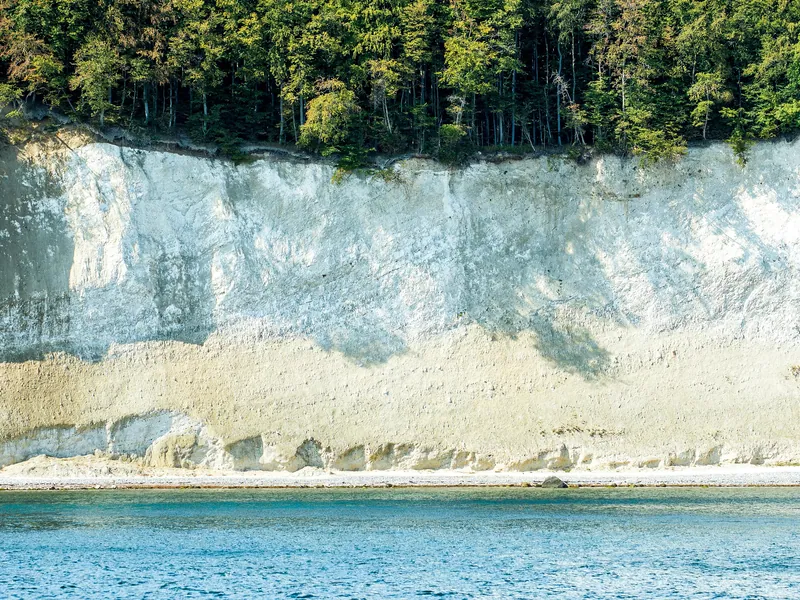
The highest of the chalk cliffs on Ruegen's north-east coast, standing around 118 metres above the sea inside a national park of beech forest, with a visitor centre, a viewing structure out over the cliff edge and forest and shore trails below it.
- Ages
- 5–16
- Time
- 3h
- Adult, from
- €12
Good to know. Private cars cannot reach the site in season: parking is at Hagen or Sassnitz and the last stretch is a shuttle bus or a forest walk of around half an hour. The cliffs are active and collapse without warning, so sections of the shore below are closed and the clifftop fencing is there for a reason. The shore here is flint shingle rather than sand, and the steps down to it are long.
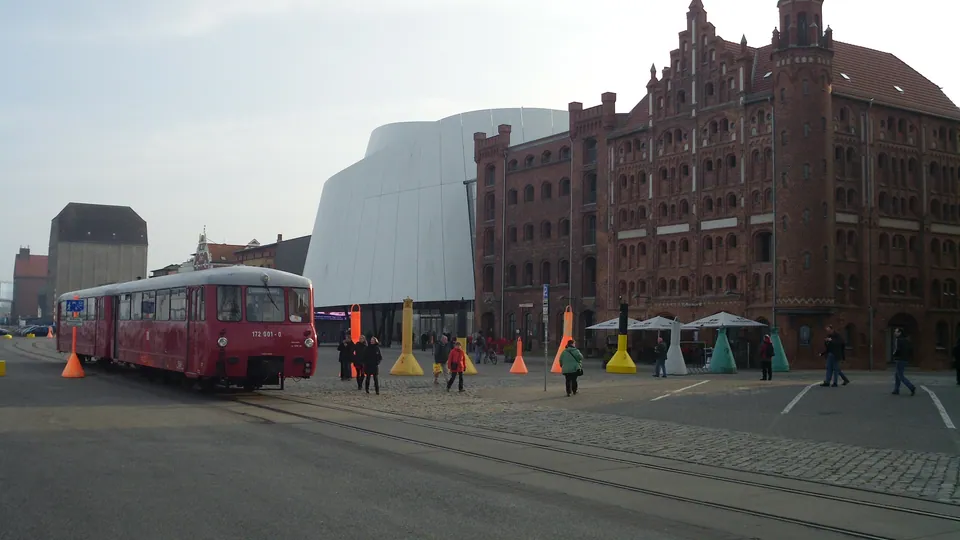 MuseumBook ahead
Ozeaneum Stralsund
The Baltic Coast
A large aquarium and ocean museum on the harbour island at Stralsund, working through the Baltic, the North Sea and the open Atlantic in successive tank halls, with a darkened hall of life-size whale models and a rooftop enclosure of Humboldt penguins.
- Ages
- 3–14
- Time
- 3h 30m
- Adult, from
- €20
Good to know. It is the region's wet-weather plan, which means everybody arrives on the day the beach fails and timed slots sell out; buying ahead is effectively required in the school holidays. The route is a long one-way climb through several floors and buildings with limited scope to go back, and the whale hall is deliberately very dark and loud, which unsettles some younger children.
Some links on this page are affiliate links. If you book through one, the price is the same for you and we may earn a commission. How this works.
Getting around Germany
Long-distance ICE and IC trains link the major cities, and dense regional networks fill in everything below that. Seat reservations on ICE services are sold separately from the ticket and are worth buying for a family, because unreserved carriages fill at the first big station. Punctuality is the weak point: a meaningful share of long-distance trains run late, so connections with less than twenty minutes to change should be treated as optional rather than planned.
Do you need a rental car?
A little driving. Berlin and Munich are easier without a car, and both have expensive, scarce parking plus low-emission zones that require a windscreen sticker. A car earns its cost in the Black Forest, where bus frequencies in the side valleys drop to a handful a day, and along the Rhine, where the two banks are linked by ferries rather than bridges.
Is the Deutschland-Ticket worth it?
A monthly subscription covering every regional train, S-Bahn, tram and local bus in the country, but not ICE or IC long-distance services. It suits a trip built on regional travel within one or two regions; it does not suit a Berlin-to-Munich itinerary, where the fast trains it excludes are the whole point. Each traveller aged six and over needs a separate subscription, and it has to be cancelled or it renews.
What Germany costs with a family
Typical daily spend for a family of four, excluding flights. Accommodation, food, local transport and one paid activity a day.
€
€140
Budget · per day, family of four
€€
€250
Mid-range · per day, family of four
€€€
€440
Higher-end · per day, family of four
Planning estimates based on published prices at the time of writing, in shoulder season. Peak months, school holidays and city-centre accommodation all push the figure higher.
Food in Germany
Bread, pretzels, sausage, schnitzel, spaetzle, potato dishes and pasta cover cautious eaters without negotiation, and most restaurants print a short Kinderteller list of small portions. Bakeries open early and are the reliable breakfast answer. Two habits catch families out: many restaurants outside the cities close the kitchen between roughly 14:00 and 17:30, and almost every rural Gasthof takes one closing day a week. Shops shut on Sundays nationwide, so supplies for a Sunday picnic have to be bought on Saturday.
Practical tips for Germany
The things that are easy to get wrong and expensive to fix once you have arrived.
Getting around
Price the regional group tickets before buying singles
Each state sells a day ticket covering up to five travellers on regional trains and local transport, such as the Bayern-Ticket or the Rheinland-Pfalz-Ticket. For a family of four doing two or three regional legs in a day it is usually cheaper than individual fares, but it is not valid on ICE or IC trains, and the weekday version does not start until 09:00.
Money & costs
Carry cash even in 2020s Germany
Card acceptance has improved in cities but bakeries, village guesthouses, small museums, park kiosks and ferry crossings still refuse cards or accept only the domestic Girocard. Around 50 euros in notes per travel day avoids the problem entirely.
With kids
Measure the youngest child before booking a theme park
Europa-Park gates its headline coasters at roughly 1.30 to 1.40 metres and Legoland Deutschland gates a large share of its rides at 1.00 to 1.20 metres. Measuring in shoes at home decides which park the trip should be built around, and prevents buying a full-price ticket for a child who can only ride a third of it.
When to go
Assume outdoor attractions are shut in winter
Legoland, the Rhine river boats, most cable cars and several castle viewpoints close or run a cut-back schedule from November to March. A winter trip works if it is planned around cities, Christmas markets and indoor museums; it does not work if it is planned around the same list as a July trip.
Money & costs
Budget for the overnight visitor tax
Resort areas including the Black Forest and the Rhine charge a per-person, per-night Kurtaxe on top of the room rate, frequently collected in cash at check-in. It usually buys a guest card that includes free local buses and trains, so it is worth asking for the card rather than just paying the charge.
Staying connected
Sort data before departure if travelling from outside the EU
Roaming is bundled within the EU but not from the UK, Israel or the US. An eSIM activated before the flight means live train times work on arrival, which matters most on a day when a connection has already been missed.
Some links on this page are affiliate links. If you book through one, the price is the same for you and we may earn a commission. How this works.
Germany with kids: common questions
How long should a first family trip to Germany be?
Seven to fourteen days. Seven covers one city plus one region, such as Munich with the Bavarian castles, or Berlin on its own with day trips. Fourteen allows a genuine two-region route, for example Bavaria and the Black Forest, without a travel day every second morning.
Do you need a car in Germany with kids?
Not for the cities. Berlin and Munich are faster and cheaper on public transport, and both restrict older vehicles from the centre. A car becomes worthwhile in the Black Forest, where rural bus services are sparse, and along the Rhine, where the banks are connected by car ferries rather than bridges.
What age do children get the most out of Germany?
From about four upwards. Under-fours enjoy the playgrounds, lakes and Legoland but miss most ride height limits and the castle interiors. From seven or eight, children can manage the hill-castle climbs, the theme-park coasters and the history in Berlin.
Is Germany expensive for a family?
Less than most of western Europe. Accommodation, eating out and museum entry sit below France or Switzerland, and children travel free or at a reduced fare on almost all public transport. Theme-park tickets and Alpine cable cars are the two lines that push a daily budget up sharply.
Is Germany worth visiting with children in December?
For the Christmas markets, yes, and the cities handle cold weather well. The caveat is that it is dark by mid-afternoon, the river boats and most cable cars have stopped for the season, and Legoland is closed, so the trip has to be planned around a completely different list of attractions.
Which region suits a first trip with young children?
Bavaria, because Munich works as a single base with the Alps, the lakes, a large science museum and Legoland all reachable as day trips. The Black Forest is the alternative if the trip is built around Europa-Park, and it needs a car.
Other destinations to compare
Every guide answers the same questions in the same order, so two countries take five minutes to compare rather than five evenings.
- Japan with Kids: Itineraries, Where to Stay & When to GoCulture, nature & adventure
- Italy with Kids: Itineraries, Where to Stay & When to GoMountains, lakes & cities
- Austria with Kids: Itineraries, Where to Stay & When to GoAlps, lakes & charming towns
- Cyprus with Kids: Itineraries, Where to Stay & When to GoSun, sea & family resorts