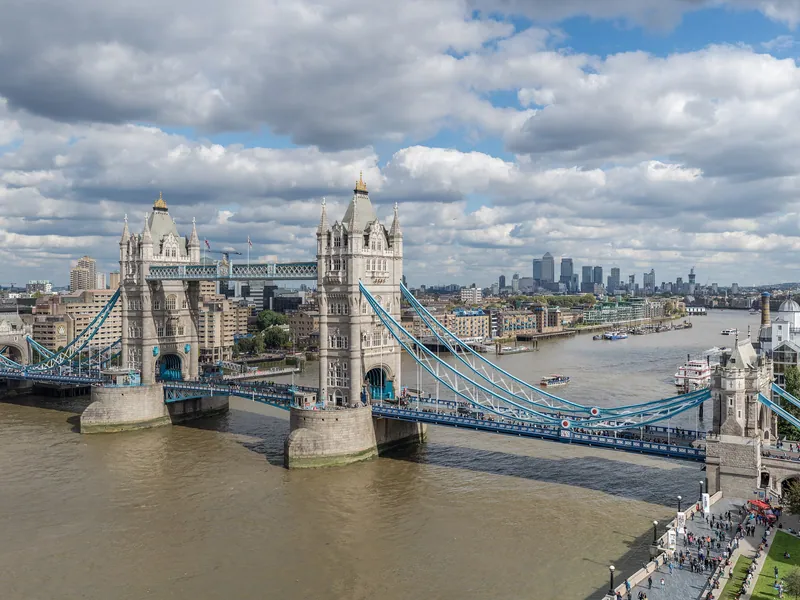
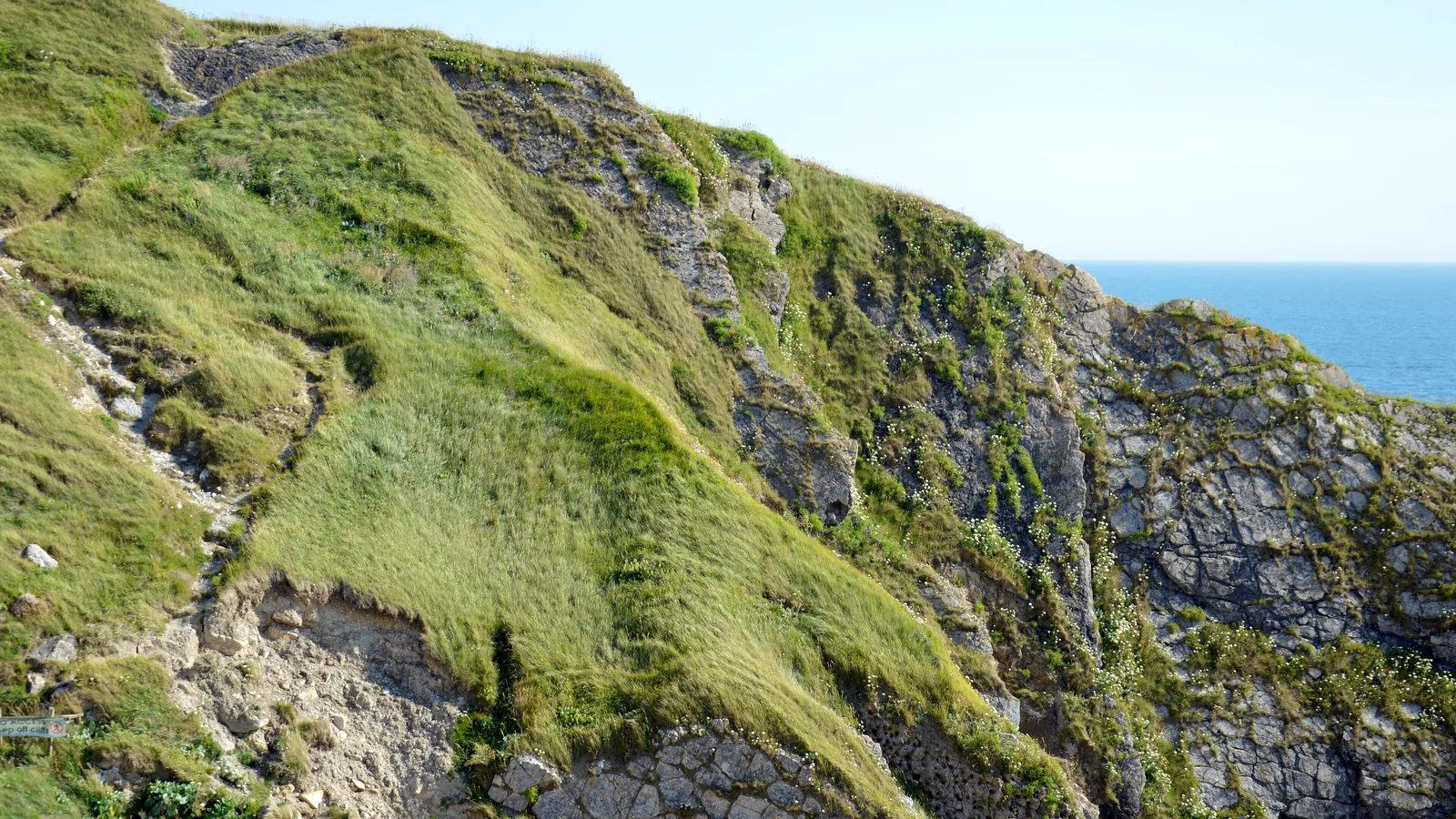
Europe · 5 destinations
United Kingdom with Kids: Where to Stay & When to Go
The United Kingdom packs a very large amount of variety into short distances: a capital city whose national museums charge nothing for entry, surf beaches in Cornwall, mountains in the Scottish Highlands and walkable fells in the Lake District, all reachable by rail or a few hours of driving. There is no language barrier, tap water is drinkable everywhere, and children are expected in pubs, museums and on trains. Two things dominate the planning. Accommodation is expensive, London especially, and the weather is the binding constraint outside the city — rain arrives on any day of the year, so every outdoor plan needs a workable indoor version rather than a hope.
- Best for ages
- 3+
- Recommended trip length
- 7–14 days
- Budget level
- €€€
- Best time to visit
- May–Sep
Suits up to 17
Higher-end
Why the United Kingdom works for families
The national museums are free
General entry to the Natural History Museum, the Science Museum and the British Museum costs nothing, so a wet London day costs the price of transport and lunch.
Rail reaches most of it
London to Cornwall, the Lake District and Fort William are all direct or one-change train journeys, which makes a car optional rather than assumed.
Mountains and coast within a day of the capital
A single country covers Atlantic surf beaches, 900-metre mountains and lake valleys without a domestic flight.
Nothing is heat-limited
Summer afternoons rarely get hot enough to force a break, so sightseeing is never rationed the way it is around the Mediterranean.
Pubs feed children properly
Most pubs serve food from around midday, welcome children until early evening, and print allergen information as a legal requirement.
Where to go in the United Kingdom
The areas worth building a family trip around, and how long to give each.
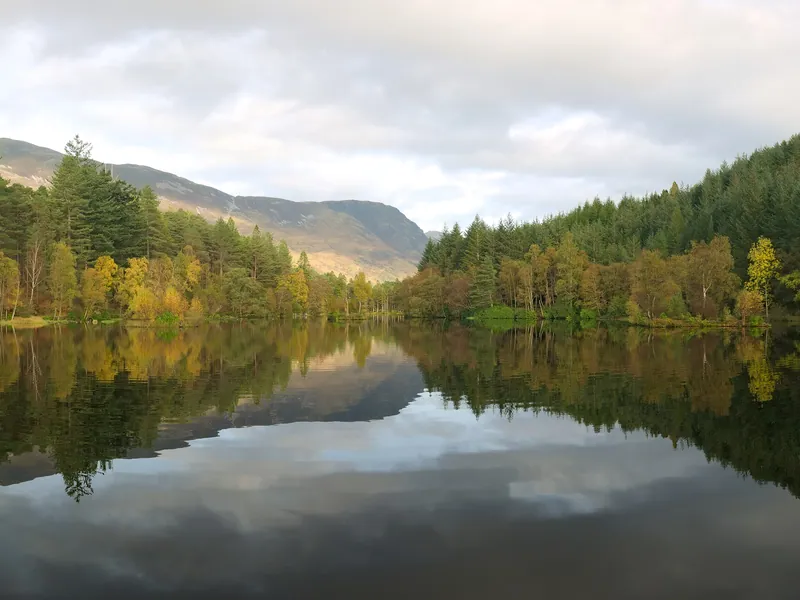
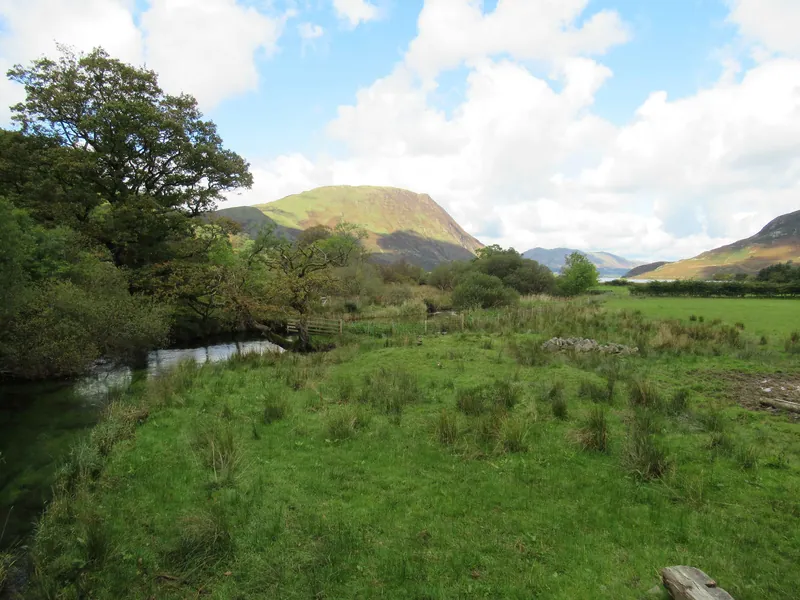
When to visit the United Kingdom with kids
May, June and September give the longest usable days with the smallest crowds; late July and August are the school-holiday peak, when coastal and national-park accommodation roughly doubles and popular car parks fill before breakfast. Daylight is the underrated variable: midsummer in the Highlands stays light past 22:00, while December sunsets in London fall before 16:00.
- Jan
- Feb
- Mar
- Apr
- May
- Jun
- Jul
- Aug
- Sep
- Oct
- Nov
- Dec
Where to stay
Family hotels in the United Kingdom
We list areas and property types rather than single hotels: family-room availability changes constantly, and the area plus the room requirement is what survives contact with a booking engine.
 South KensingtonHigher-end
Family rooms in the museum quarter
Three free national museums are within a few minutes' walk, which removes the transport leg from the two or three best days of a London trip and lets a family go back to the room mid-afternoon rather than pushing on.
- Walking distance to the Natural History, Science and V&A museums
- Hyde Park and its playground at the end of the road
- Tube station with a tunnel that avoids the main road
- Quiet residential streets after dark
Fitting a family in
Most stock here is converted Victorian townhouses, where a family room sleeps four in one tight space. Interconnecting rooms are the more comfortable option for five and should be confirmed in writing rather than requested on arrival.
Watch out. This is one of the most expensive districts in the city and rooms are small for the money. Townhouse conversions often have narrow staircases and either a very small lift or none, which matters with a pushchair and luggage.
Check hotel prices — opens Klook in a new tab (affiliate link)Live availability for your dates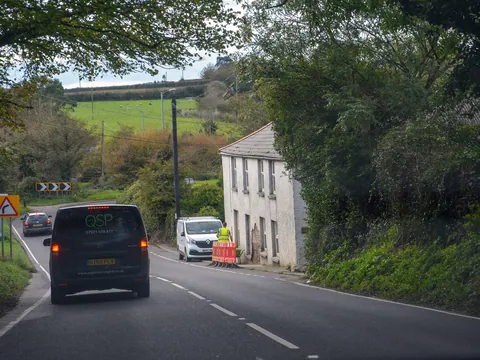 Newquay / PadstowMid-range
Self-catering cottage near the north-coast beaches
A beach week generates wet wetsuits, sandy towels and salty clothes every single day, and a cottage with a washing machine, an outdoor tap and somewhere to hang things is the difference between that being manageable and being the holiday.
- Kitchen, washing machine and drying space
- Off-street parking, which beach car parks cannot guarantee
- Walking distance to sand at the better-placed ones
- Enclosed garden at many properties
Fitting a family in
Two and three-bedroom cottages sleep four to six. Bunk rooms are common and are usually the smallest room in the house, so check which child is sleeping where before booking.
Watch out. Peak-season lets run Saturday to Saturday with a seven-night minimum, and August rates can be double or triple the shoulder season. Many cottages sit on steep, narrow lanes with exactly one parking space, which is a problem for a family arriving in two cars.
Check hotel prices — opens Klook in a new tab (affiliate link)Live availability for your dates Fort William / Glen NevisMid-range
Self-catering lodge near Fort William
Restaurant kitchens close early and choice is thin in the west, so a kitchen converts the 20:00 problem into a non-event. A drying room or a utility space matters more here than anywhere else in the country, because kit gets soaked most days.
- Kitchen, washing machine and drying space
- Parking at the door
- Glen Coe and the Mallaig line both within half an hour
- Space indoors for a rained-off afternoon
Fitting a family in
Two and three-bedroom lodges sleep four to six, and the layout is usually more generous than a hotel family room at the same price.
Watch out. Mobile signal and broadband are patchy in the glens, which affects navigation and parking apps as well as evenings. The nearest full supermarket can be 20 minutes away, and midges make the garden unusable on still evenings from June to August.
Check hotel prices — opens Klook in a new tab (affiliate link)Live availability for your dates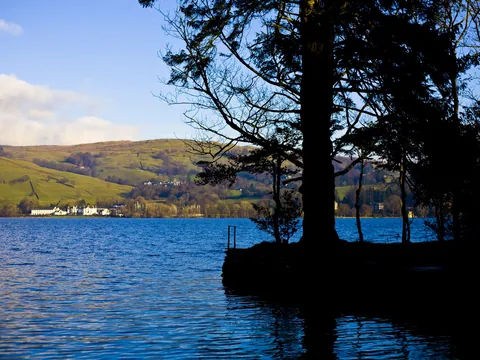 Windermere / BownessMid-range
Family rooms near Bowness pier
Staying within walking distance of the pier means the boats, the shops and the evening meal all happen without getting back into the car, and it is the only base in the park where a full day of rain has indoor options on foot.
- Launch and steamer piers within walking distance
- Branch-line station from the west-coast mainline
- Restaurants and shops that stay open later than the villages
- Seasonal buses to the main valleys from the same streets
Fitting a family in
Family rooms and interconnecting pairs are more common here than elsewhere in the park, though many are in Victorian villas where the family room is on the top floor.
Watch out. Bowness is the most crowded and traffic-bound spot in the national park in August, and parking is often one space per room or none at all. Victorian conversions rarely have a lift.
Check hotel prices — opens Klook in a new tab (affiliate link)Live availability for your dates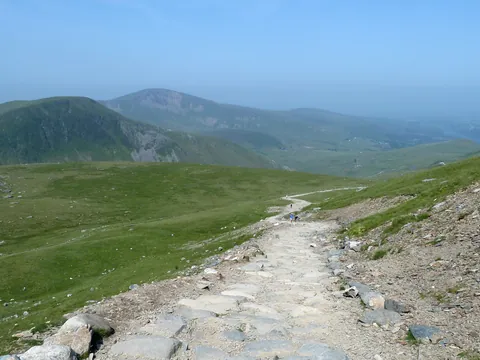 Llanberis / Nant PerisMid-range
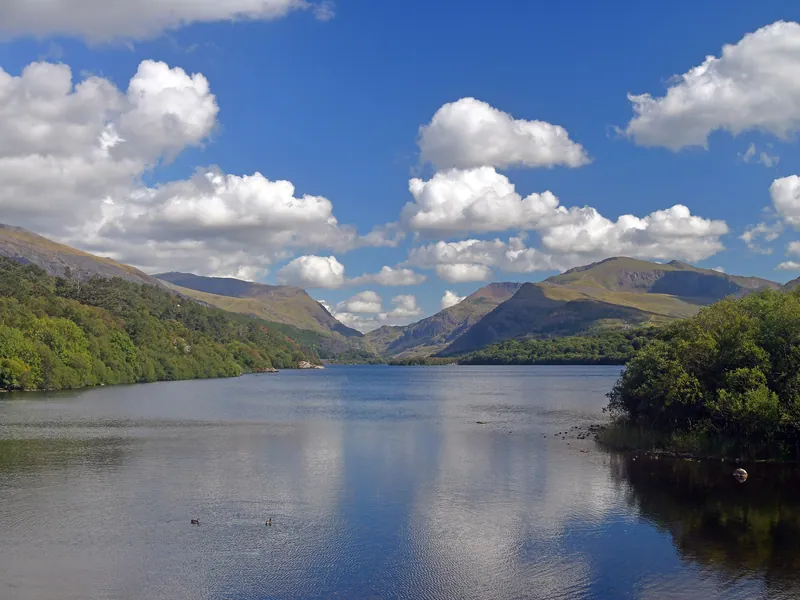
Self-catering cottage around Llanberis
Staying at the foot of the mountain is what makes an early start possible, and the early start is what decides whether a Snowdonia day works: the rack railway, the main walking route and the Sherpa bus stops are all in the village, and a cottage has somewhere to dry the kit that gets soaked most days.
- Kitchen, washing machine and space for wet boots
- Parking at the door rather than in a car park that fills by 08:00
- Rack railway and the Llanberis Path from the village itself
- Lake, waterfall and a slate museum walkable for a rest day
Fitting a family in
Two and three-bedroom cottages sleep four to six, usually with a bunk room as the smallest bedroom. Older stone cottages have steep, narrow stairs and low beams.
Watch out. Llanberis is the busiest village in the park, and the through road and its car parks are gridlocked by mid-morning in the holidays. Mobile signal and broadband are unreliable in the village and effectively absent in the pass above it, which affects navigation and app-only parking alike. Peak lets are weekly with a fixed changeover day.
Check hotel prices — opens Klook in a new tab (affiliate link)Live availability for your dates
Some links on this page are affiliate links. If you book through one, the price is the same for you and we may earn a commission. How this works.
Top family attractions in the United Kingdom
What each one costs, how long it takes, which ages it suits and whether you need to book ahead.
 Museum
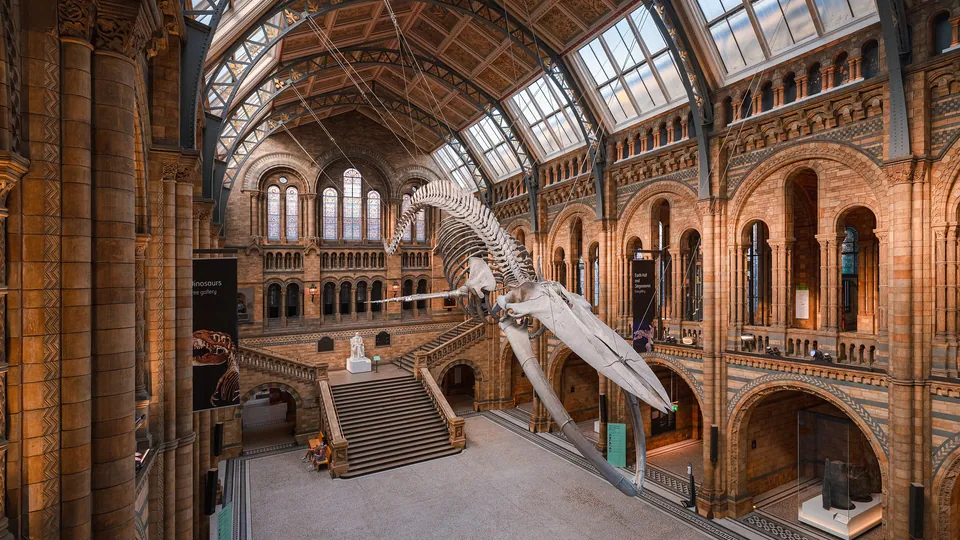
Natural History Museum
London
A vast free museum in a cathedral-like Victorian building, with dinosaur skeletons, a blue whale hung in the entrance hall and an earthquake simulator. General admission costs nothing.
- Ages
- 2–16
- Time
- 3h
- Adult, from
- Free
Good to know. Free entry means no crowd control by price: the dinosaur gallery is the bottleneck and is busiest from late morning. Reserving a free timed slot in school holidays avoids the door queue, and picking two galleries rather than attempting the building prevents the meltdown at hour three.
 CultureBook ahead
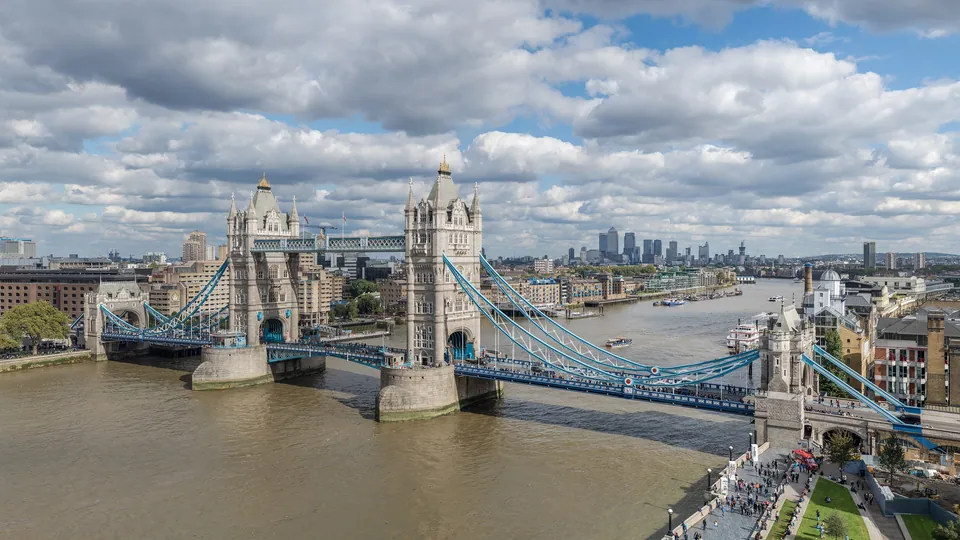
Tower of London
London
A riverside fortress holding the Crown Jewels, with Yeoman Warder tours that carry the history as storytelling rather than as labels.
- Ages
- 6–17
- Time
- 3h
- Adult, from
- €40
Good to know. The towers are reached by tight stone spiral staircases with no lifts, so pushchairs have to be left at the entrance to several buildings. The Crown Jewels queue is longest between 11:00 and 14:00, and the site is largely open to the weather.
 NatureBook ahead
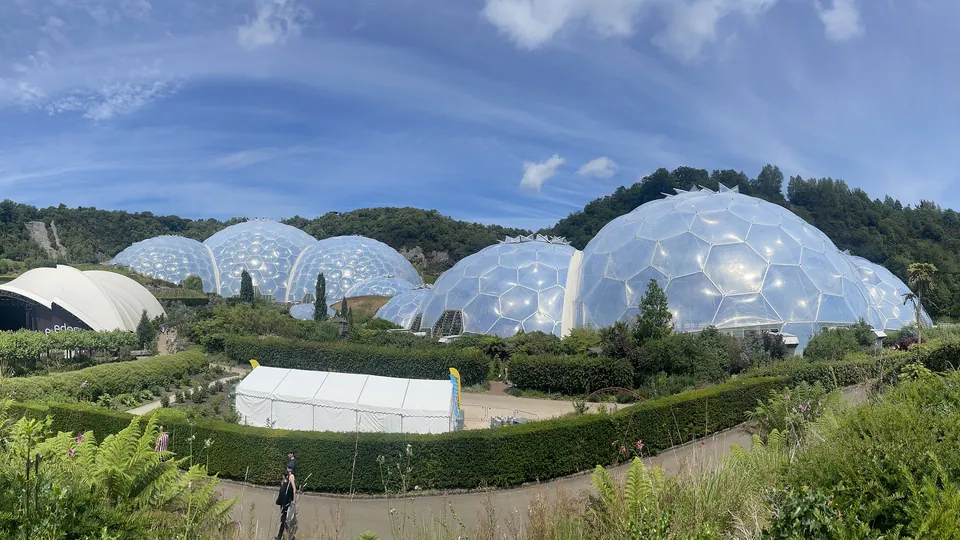
Eden Project
Cornwall
Two enormous linked biomes in a former china-clay pit, one recreating a rainforest and one a Mediterranean climate, with outdoor gardens and a children's play area.
- Ages
- 4–16
- Time
- 4h
- Adult, from
- €42
Good to know. The Rainforest Biome is deliberately hot and humid and is genuinely uncomfortable for some children; there is a cooled room part-way round for anyone who needs it. The site is a quarry, so the return from the biomes is a long uphill walk unless the land train is running, and that queues.
 AdventureBook ahead
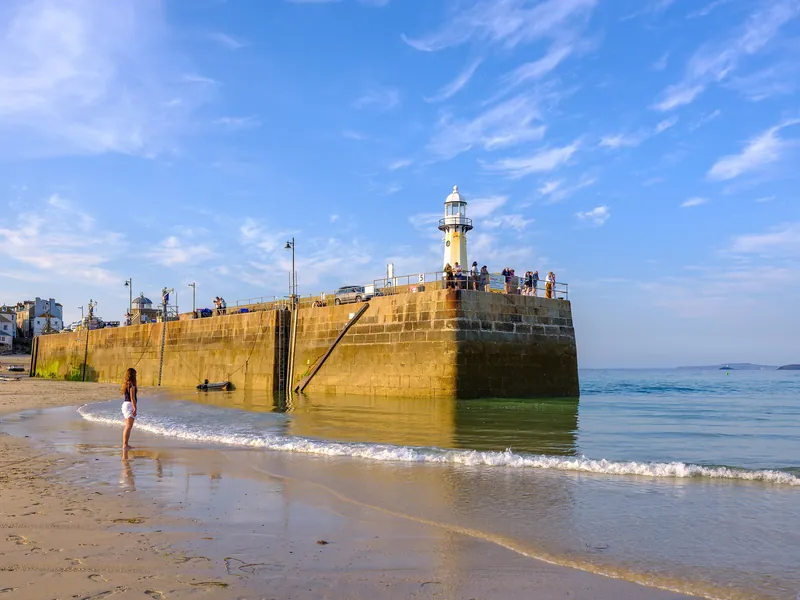
Surf lesson at Fistral Beach
Cornwall
Group beginner surf lessons on Newquay's main surf beach, with boards and wetsuits included and instructors working in waist-deep white water.
- Ages
- 8–17
- Time
- 2h
- Adult, from
- €45
Good to know. Minimum ages vary between schools and are usually set around eight for group lessons, with lower ages only in private or family sessions — confirm before booking for a younger child. Lessons are moved or cancelled when the swell is too big, which is a normal occurrence rather than a rare one.
 Nature
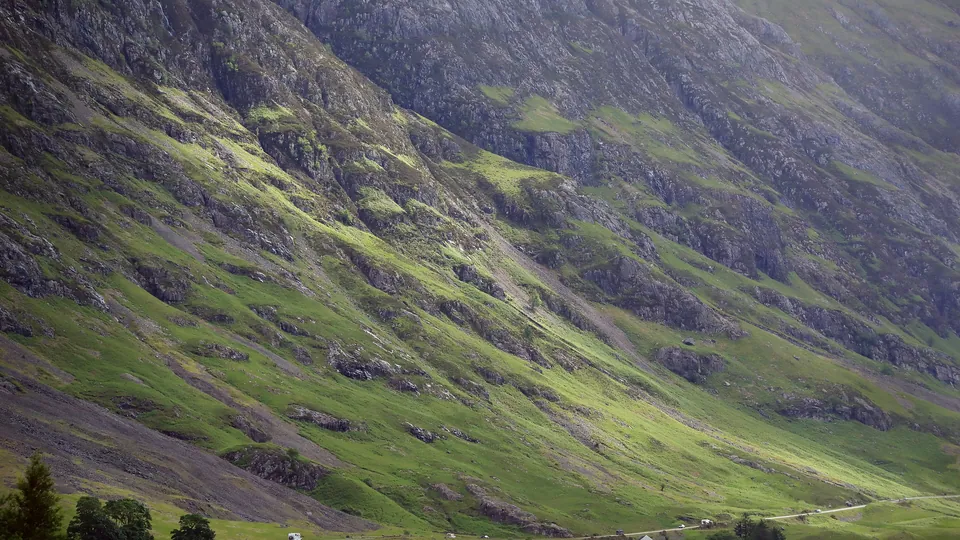
Glen Coe
Scottish Highlands
A steep-sided glacial valley crossed by the main road south of Fort William, with roadside viewpoints, a visitor centre and short marked walks from the car parks.
- Ages
- 3–17
- Time
- 2h
- Adult, from
- Free
Good to know. The roadside viewpoint car parks are small and full by mid-morning in summer, and stopping on the verge is unsafe on a fast road. The Lost Valley walk is not a family stroll: it involves a river crossing and boulder scrambling, and the river rises quickly after rain.
 CultureBook ahead
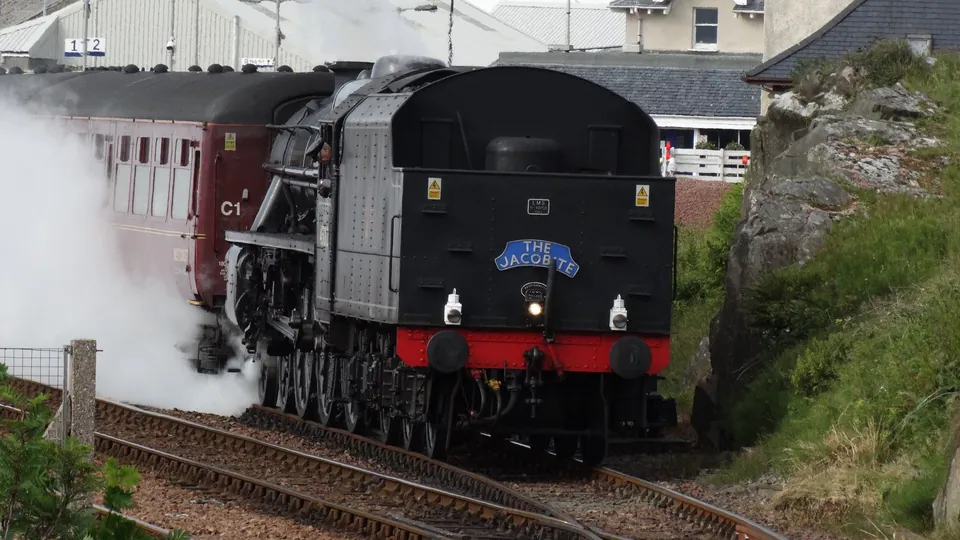
Steam train to Mallaig
Scottish Highlands
A seasonal steam service from Fort William to the fishing port of Mallaig, crossing the Glenfinnan Viaduct with views over loch, moor and sea.
- Ages
- 4–16
- Time
- 8h
- Adult, from
- €70
Good to know. Summer dates sell out months ahead and seats are allocated, with some carriages in enclosed compartments. The round trip consumes most of a day, including a layover in Mallaig long enough to need a plan, and the service runs on limited dates outside high summer.
 Water
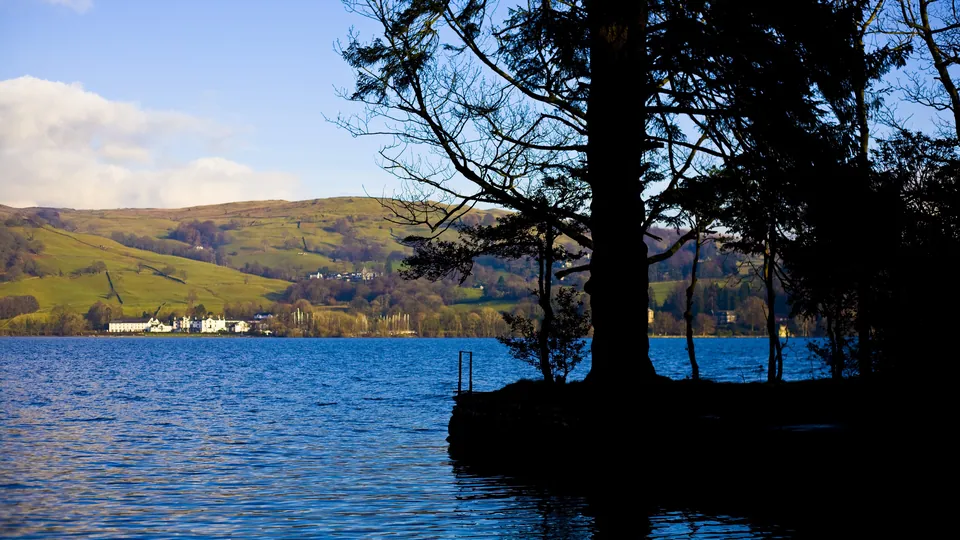
Windermere launches and steamers
Lake District
Scheduled boats running the length of England's longest lake between Bowness, Ambleside and Lakeside, usable as transport, as a round trip, or as the return leg of a lakeshore walk.
- Ages
- 0–16
- Time
- 1h 30m
- Adult, from
- €18
Good to know. The open top deck is exposed and cold even in July, and the enclosed saloon is where everyone goes when it rains. Bowness pier is the single busiest point in the national park in August, where waiting for the next sailing can take longer than the cruise.
 Nature
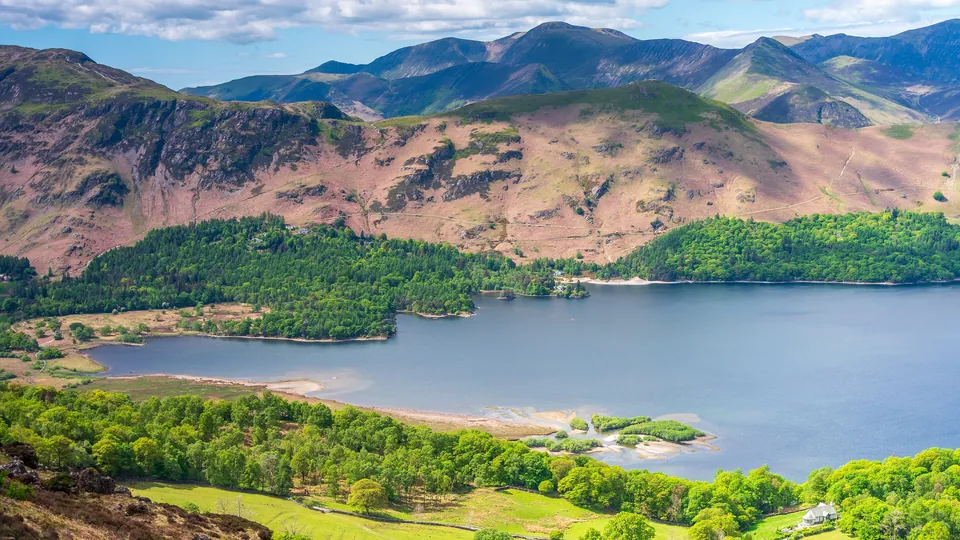
Catbells
Lake District
A 451-metre fell above Derwentwater with a clear ridge path and a genuine summit, commonly approached by launch from Keswick and walked back along the lake shore.
- Ages
- 7–17
- Time
- 3h
- Adult, from
- Free
Good to know. Two short rock steps near the start need hands as well as feet, and there is exposed ground with a steep drop on one side — manageable for confident children from around seven, unsuitable in strong wind or for a child in a back carrier. Roadside parking at the foot is minimal, which is why the launch is the practical approach.
 NatureBook ahead
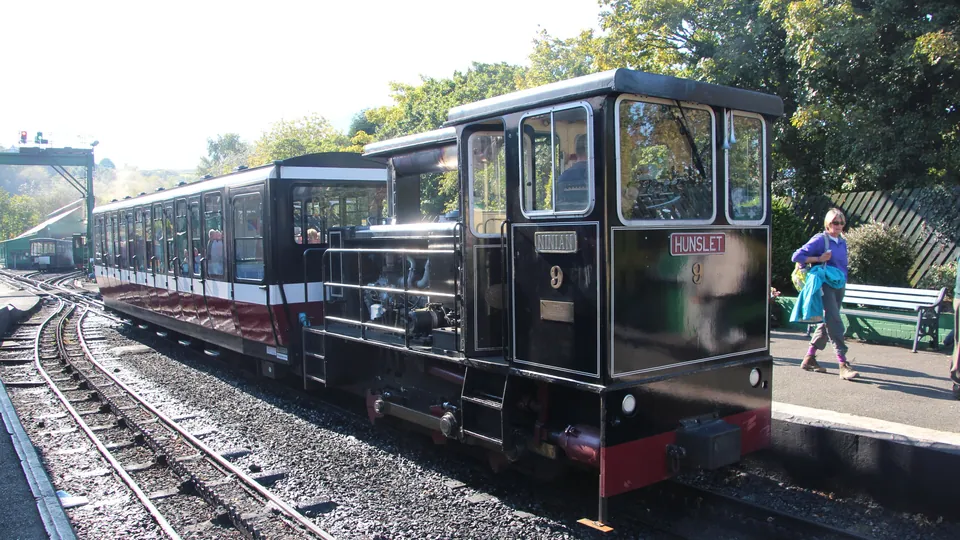
Snowdon Mountain Railway
Snowdonia
A rack railway from Llanberis climbing the flank of Yr Wyddfa to a summit station at around 1,065 m, worked by diesel locomotives with a small number of heritage steam services. The round trip takes roughly two and a half hours including a short stop at the top.
- Ages
- 3–16
- Time
- 3h
- Adult, from
- €55
Good to know. The railway runs a season rather than a year, and reaches the summit only when conditions allow — early and late services often terminate at a station below the top, and trains are cancelled in high wind. Summer seats sell out weeks ahead while the weather is still unknowable, and the summit is frequently inside cloud when Llanberis is clear. Time at the top is fixed by the return working, so there is no waiting for a gap in the cloud.
 AdventureBook ahead
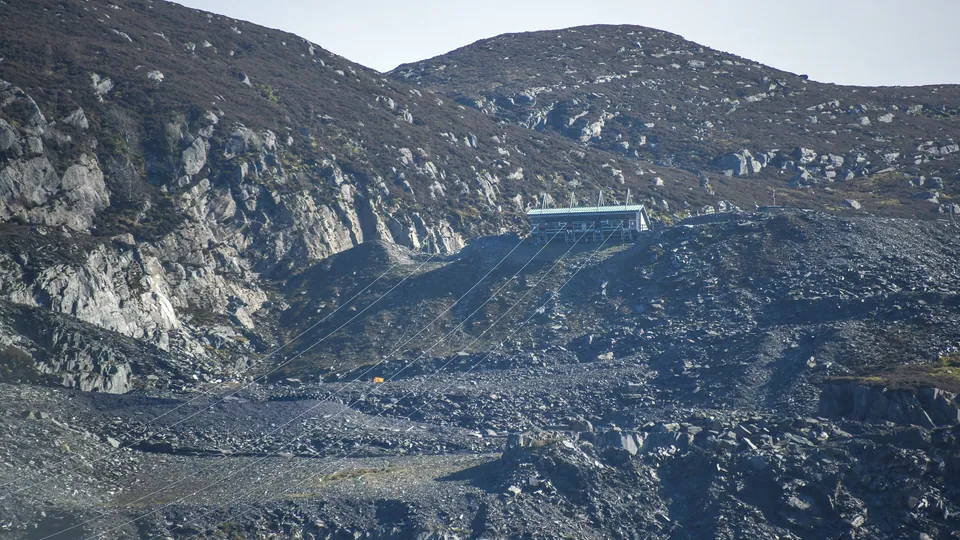
Zip World Velocity, Penrhyn Quarry
Snowdonia
A zip line strung the length of a flooded slate quarry near Bethesda, ridden face-down in a harness at motorway speeds, with a shorter warm-up line first and a quarry viewing platform for anyone staying on the ground.
- Ages
- 10–17
- Time
- 2h 30m
- Adult, from
- €100
Good to know. Minimum ages and a weight range are set by the operator and are not negotiable at the gate — usually around ten for the big line, with the underground trampoline course at Blaenau Ffestiniog taking younger children instead. Sessions are cancelled in high wind, which is common here, and everything is priced per rider rather than per family, so four people adds up fast.
 Culture
Caernarfon Castle
Snowdonia
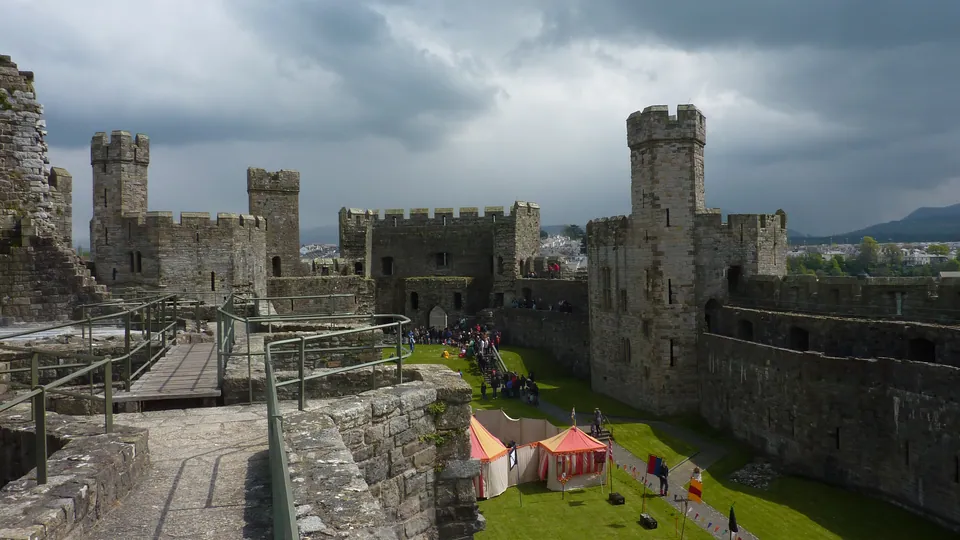
A vast 13th-century fortress on the Menai Strait with banded stone walls, polygonal towers and exhibitions inside them, part of the UNESCO-listed group of Edwardian castles in north Wales. Conwy Castle, with a nearly complete ring of walkable town walls, is about half an hour away along the coast.
- Ages
- 5–16
- Time
- 2h 30m
- Adult, from
- €14
Good to know. The towers and wall-walks are reached by tight stone spiral staircases with no alternative route, so a pushchair goes no further than the courtyards and the upper levels suit nobody uneasy with heights. Most of the site is open to the weather with very little shelter, and the town car parks fill on summer weekends and event days.
Some links on this page are affiliate links. If you book through one, the price is the same for you and we may earn a commission. How this works.
Getting around the United Kingdom
Long-distance rail is the backbone: London to Penzance, to Oxenholme for the Lake District, and to Fort William on the West Highland Line all run daily. Fares are the catch — advance tickets released roughly twelve weeks ahead cost a fraction of a walk-up fare on the day. In London, a contactless card or phone works on every Tube, bus and rail service with automatic daily and weekly caps, and children under eleven travel free when accompanied by an adult. Outside the cities, bus frequencies collapse in the evenings and on Sundays, which is where a rental car stops being optional.
Do you need a rental car?
Moderate driving. London needs no car at all, and paying to park one there is money burned. Cornwall's beaches, the Highland glens and the Lake District's trailheads are a different matter: bus services reach the main towns but not the coves, car parks or walk-starts, and evening services often do not exist. Expect single-track roads with passing places in the Highlands and narrow walled lanes in Cornwall and the Lakes.
Is the Family & Friends Railcard worth it?
An annual card giving a third off adult fares and around 60 per cent off child fares when at least one adult travels with at least one child aged 5–15. It usually pays for itself on a single long journey such as London to Penzance. A minimum-fare rule restricts weekday morning travel, and it saves nothing on London's Tube and bus network, where under-elevens already travel free.
What the United Kingdom costs with a family
Typical daily spend for a family of four, excluding flights. Accommodation, food, local transport and one paid activity a day.
€
€170
Budget · per day, family of four
€€
€300
Mid-range · per day, family of four
€€€
€520
Higher-end · per day, family of four
Planning estimates based on published prices at the time of writing, in shoulder season. Peak months, school holidays and city-centre accommodation all push the figure higher.
Food in the United Kingdom
Children eat well on pub menus, fish and chips, bakery items, supermarket meal deals and the full cooked breakfast that most guesthouses include. Allergen labelling is legally required and staff are used to being asked. The genuine shock is kitchen hours: many pubs and village kitchens serve lunch until roughly 14:00, then close until 18:00, and rural kitchens can stop taking orders by 20:00. A family arriving hungry at 16:30 in a Highland village will find crisps and little else, so carrying a snack bag is a planning decision rather than a nicety.
Practical tips for the United Kingdom
The things that are easy to get wrong and expensive to fix once you have arrived.
Money & costs
Book long-distance trains the day fares open
Advance tickets for a given date are typically released around twelve weeks ahead and are sold in fixed-price tiers that sell out. Buying on the day for a family of four on a route like London to Penzance can cost several times the advance price for the same seats.
When to go
Give every outdoor day a named indoor alternative
Rain on any given day is normal, not unlucky, and is heaviest in exactly the western regions families go for the scenery. Deciding in advance which museum, pool or aquarium replaces the walk stops a wet morning from becoming a wasted one.
Packing
One waterproof per person, plus spare shoes
British rain is usually persistent drizzle rather than a downpour, which a proper waterproof jacket defeats entirely. Wet shoes are what actually ends a day with children, so a second pair each is worth the luggage space.
Getting around
Book an automatic early, or learn to expect a manual
Manual gearboxes are the default on British rental fleets. Automatics cost noticeably more and sell out in summer, which matters for a driver adjusting to driving on the left on narrow rural roads at the same time.
Staying connected
Sort data before landing if arriving from outside the EU
EU roaming bundles no longer automatically cover the UK, so check the plan rather than assuming. An eSIM activated before departure keeps maps, train apps and parking apps working from the airport, and rural parking increasingly has no cash option.
Some links on this page are affiliate links. If you book through one, the price is the same for you and we may earn a commission. How this works.
United Kingdom with kids: common questions
Are the museums in the UK really free?
General admission to the national museums is free, including the Natural History Museum, the Science Museum and the British Museum in London. Special exhibitions and some hands-on children's galleries are ticketed separately, and a free timed slot is worth reserving in school holidays.
Is the UK expensive for a family?
Accommodation is the expensive part, particularly London and anywhere coastal in August. Food, transport and attractions are mid-range by European standards, and the free national museums genuinely lower the cost of a city stay.
Do you need a car in the UK?
Not in London, where a car is a liability. A car is close to essential in Cornwall, the Scottish Highlands and the Lake District, where the beaches, glens and walk-starts sit beyond the bus network.
What is the weather actually like in summer?
Typically mild rather than hot, with rain possible on any day and more of it in the west and the north. Plans built around a forecast fail; plans with an indoor alternative do not.
When is the best time to visit with kids?
May, June and September. Days are long, attractions are open, and prices sit below the late-July to August school-holiday peak when coastal and national-park accommodation is both fullest and dearest.
Other destinations to compare
Every guide answers the same questions in the same order, so two countries take five minutes to compare rather than five evenings.
- Japan with Kids: Itineraries, Where to Stay & When to GoCulture, nature & adventure
- Italy with Kids: Itineraries, Where to Stay & When to GoMountains, lakes & cities
- Austria with Kids: Itineraries, Where to Stay & When to GoAlps, lakes & charming towns
- Cyprus with Kids: Itineraries, Where to Stay & When to GoSun, sea & family resorts