Europe · 4 destinations
Denmark with Kids: Where to Stay, Costs & When to Go
Denmark is small, flat and organised around the assumption that children are part of ordinary public life, which removes most of the friction from a family trip: kerb-separated cycle lanes make a five-year-old on a bike a realistic way to cross a capital city, trains cover the distance between the three or four places worth stopping, and the country's biggest attractions are built for primary-school children rather than tolerating them. The two honest problems are cost and weather. Denmark sits among the most expensive countries in Europe for eating out and for a family room, and the window in which the beaches, the open-air museums and the amusement parks all reliably work is narrow — roughly late June to late August, with rain possible in any of those weeks. Plan the budget and the wet-day alternatives first and the rest of the trip is unusually easy.
- Best for ages
- 2+
- Recommended trip length
- 7–12 days
- Budget level
- €€€
- Best time to visit
- May–Sep
Suits up to 14
Higher-end
Why Denmark works for families
Cycling is infrastructure, not a hobby
Kerb-separated lanes with their own traffic lights mean a family can ride across a city without sharing a lane with cars, and cargo bikes with child seats are rented by the day.
Parks scaled to small children
The headline attractions lead with rides and play for ages three to ten rather than with thrill rides, so a younger child is not left watching.
Public space assumes children
Changing tables, free water, playgrounds in most parks and museums, and prams parked without fuss outside cafés.
Long, shallow, empty coast
Kilometres of hard flat sand on the Jutland west coast and gently shelving Kattegat bays, with space between families even in August.
Cool summers instead of heat
Summer days sit in the low twenties, so there is no afternoon shutdown and no heat risk for toddlers — the trade is wind and rain in any week.
Where to go in Denmark
The areas worth building a family trip around, and how long to give each.
Aarhus
A small second city with a forest at the end of the bus line
- Suggested stay
- 2–3 days
- Best for ages
- 3+
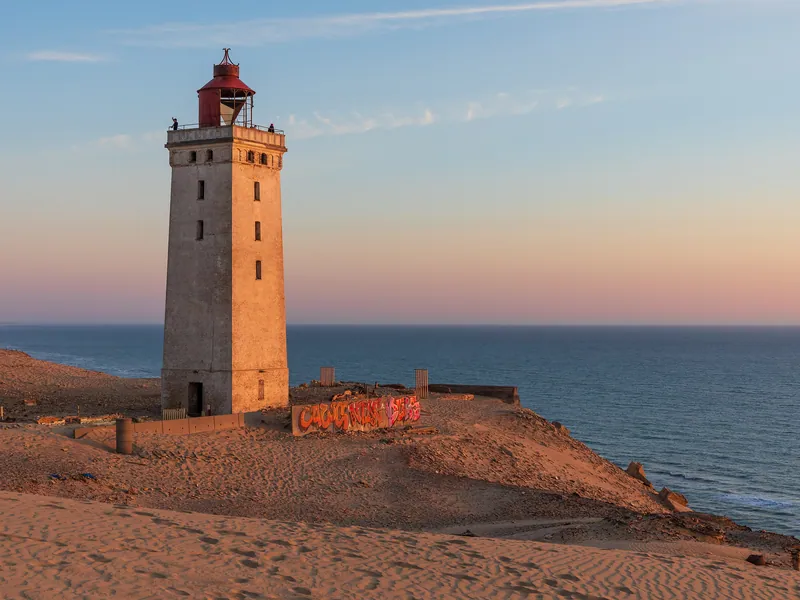
North Jutland
Dunes, two seas and beaches wide enough to lose a kite in
- Suggested stay
- 3–5 days
- Best for ages
- 2+
When to visit Denmark with kids
July and early August are the only weeks when the coast, the outdoor parks and the seasonal railways are all running at full tilt, and they are also the busiest and priciest. Late May, June and early September are quieter and pleasant in the cities, but many coastal attractions run a reduced season and the sea is cold. Outside the summer season a good deal of what a family would travel for is simply closed.
- Jan
- Feb
- Mar
- Apr
- May
- Jun
- Jul
- Aug
- Sep
- Oct
- Nov
- Dec
Where to stay
Family hotels in Denmark
We list areas and property types rather than single hotels: family-room availability changes constantly, and the area plus the room requirement is what survives contact with a booking engine.
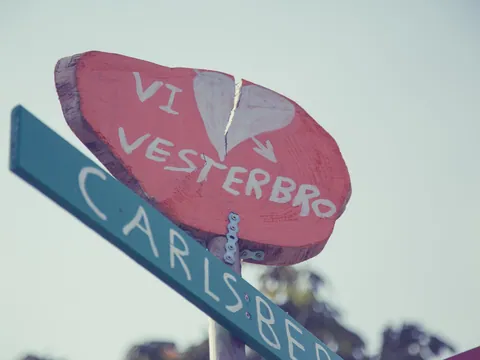 Vesterbro / Islands BryggeMid-range
Apartment in Vesterbro or Islands Brygge
A two-bedroom apartment in these districts costs less than two central hotel rooms and adds the two things that change the daily budget in an expensive city: a kitchen for breakfast and a washing machine. Both areas are a ten-minute ride or a short metro hop from the centre, with supermarkets on the street and a harbour bath on the Islands Brygge side.
- Kitchen and washing machine
- Metro or S-train within 10 minutes
- Supermarkets on the doorstep
- Cycle hire and cargo bikes nearby
Fitting a family in
Two-bedroom units in these blocks typically sleep four to five, often with a sofa bed in the living room rather than a third bedroom.
Watch out. Many of the older apartment blocks are walk-ups with a small lift or none at all, which is a real problem with a pushchair on a fourth floor — check the floor and the lift before booking. The streets immediately behind the central station are noisy late and less pleasant after dark than the rest of the district.
Check hotel prices — opens Klook in a new tab (affiliate link)Live availability for your dates- Billund centreHigher-end
Family room within walking distance of the park entrance
The single thing that makes a park day work with young children is the ability to walk back for a rest and return on the same ticket. Hotels in the centre of Billund are minutes on foot from the park gate and the indoor experience centre, which also removes the daily car-parking charge.
- Walking distance to the park entrance
- Rooms built for four with bunk or loft beds
- Breakfast typically included and early enough for a gate opening
- Luggage storage on departure day
Fitting a family in
Billund rooms are unusually well set up for families, with four-berth configurations using bunks rather than a squeezed rollaway.
Watch out. July rates here are the highest of the Danish year and the themed rooms carry a further premium. The town is very quiet after dinner, with few options beyond the hotel restaurants, and a two-night booking in peak season sometimes carries a minimum-stay condition.
Check hotel prices — opens Klook in a new tab (affiliate link)Live availability for your dates 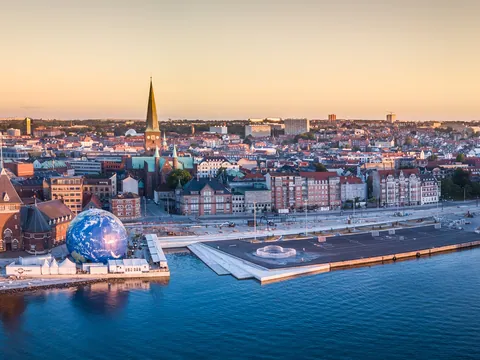 Aarhus C / FrederiksbjergMid-range
Apartment in Aarhus C or Frederiksbjerg
Aarhus apartments cost meaningfully less than the Copenhagen equivalent and put a family within walking distance of the station, the centre and the open-air museum, with the bus to the forest and the beaches leaving from the same streets. A kitchen matters as much here as anywhere in Denmark.
- Kitchen and washing machine
- Walking distance to the station and the centre
- Bus and light rail stops nearby
- Supermarkets and playgrounds on the same streets
Fitting a family in
Two-bedroom flats in these districts sleep four to five, commonly with a sofa bed making up the fifth place.
Watch out. The blocks closest to the bar streets in the old centre are loud on Friday and Saturday nights, and older buildings here also run to walk-up stairwells with no lift. Residential parking is permit-controlled, so a car needs a paid space rather than the street outside.
Check hotel prices — opens Klook in a new tab (affiliate link)Live availability for your dates- West coast (Blokhus / Løkken)Mid-range
Summerhouse in the dunes near Blokhus or Løkken
The rented summerhouse is how Danish families do this coast, and the reasons are practical: three bedrooms, a kitchen, a washing machine, a garden for wet sandy children and a path through the dunes to the beach, for less than two hotel rooms. Many have a sauna or hot tub, which earns its keep on a cold windy week.
- Kitchen and washing machine
- Enclosed garden and outdoor space
- Dune path to the beach on many plots
- Parking and bicycle storage at the house
Fitting a family in
Three-bedroom houses sleeping six are the standard unit, so a family of four has space rather than a converted sofa.
Watch out. High-season lets almost always run Saturday to Saturday, with bed linen, towels and the end clean charged on top, so the advertised nightly rate is not the final figure. The nearest supermarket can be a ten-minute drive, and the quieter dune roads have no lighting at night.
Check hotel prices — opens Klook in a new tab (affiliate link)Live availability for your dates
Some links on this page are affiliate links. If you book through one, the price is the same for you and we may earn a commission. How this works.
Top family attractions in Denmark
What each one costs, how long it takes, which ages it suits and whether you need to book ahead.
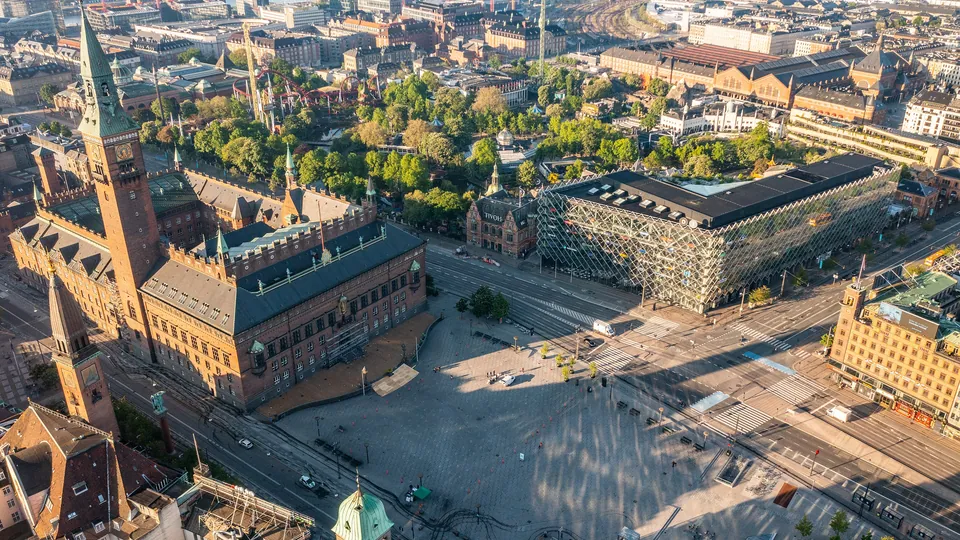 Theme parkBook ahead
Tivoli Gardens
Copenhagen
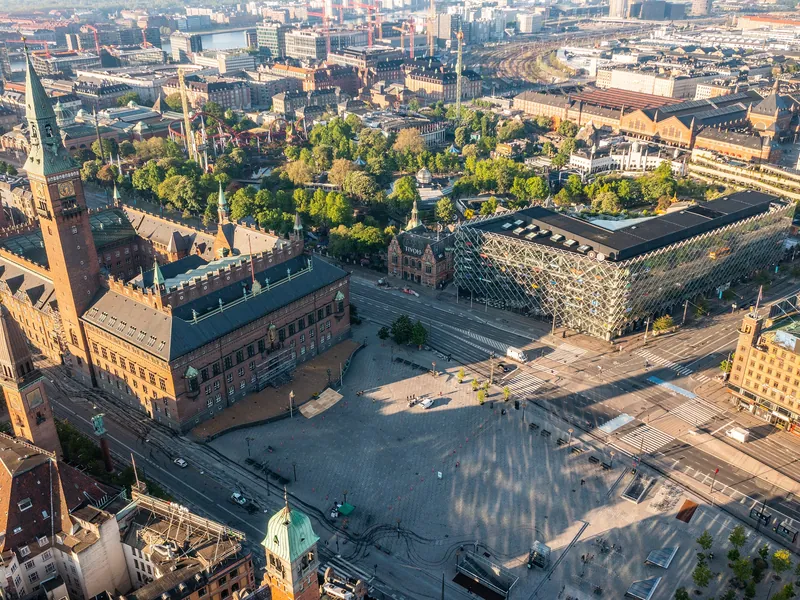
A nineteenth-century pleasure garden in the middle of the city, immediately outside the main railway station, mixing gentle rides for small children with a few larger ones, gardens, free stage shows and a lot of places to eat.
- Ages
- 2–14
- Time
- 5h
- Adult, from
- €20
Good to know. Admission covers the grounds and the shows only — rides need individual tickets or a wristband, and several carry a height minimum, so the line-up is worth reading before a child joins a queue. The garden runs in seasons with closed weeks between them, so it is not open all year. Evenings and weekends are the most crowded and the food inside is expensive even by Copenhagen standards.
 Animals
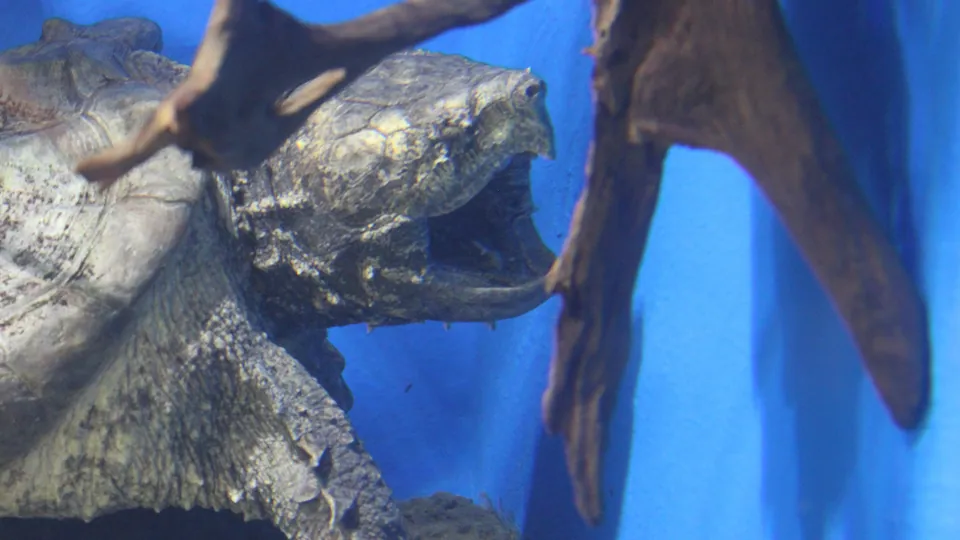
Den Blå Planet
Copenhagen
Northern Europe's largest aquarium, on the waterfront at Kastrup, built as a spiral of tanks around an ocean basin with hammerhead sharks, a rainforest section and touch pools.
- Ages
- 1–14
- Time
- 2h 30m
- Adult, from
- €30
Good to know. It is the default wet-day option for the whole city, so a rainy weekend or a Danish school holiday makes the walkways genuinely crowded and the touch pools hard to reach with a small child. The lighting is deliberately dim throughout, which some toddlers dislike, and it sits a metro ride plus a ten-minute walk from the centre.
 Water
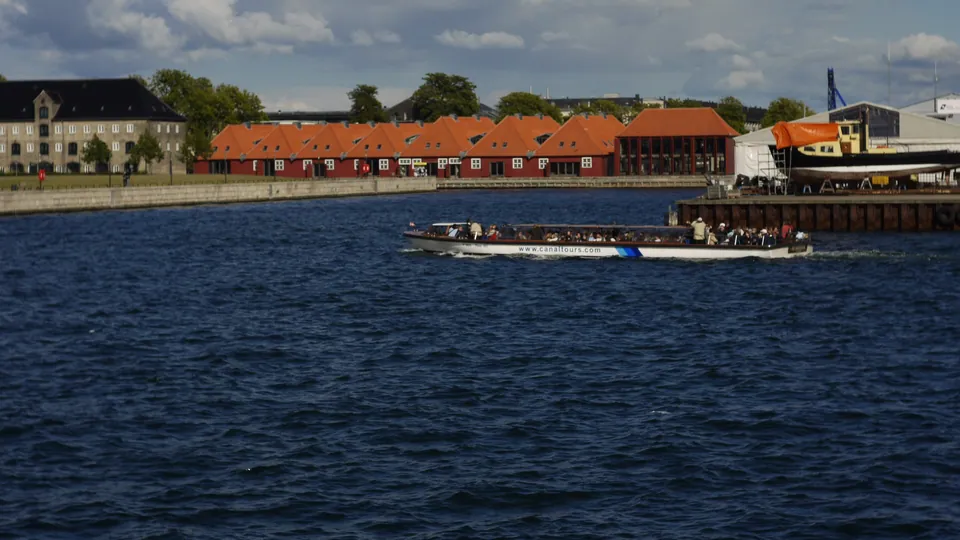
Copenhagen canal boat tour
Copenhagen
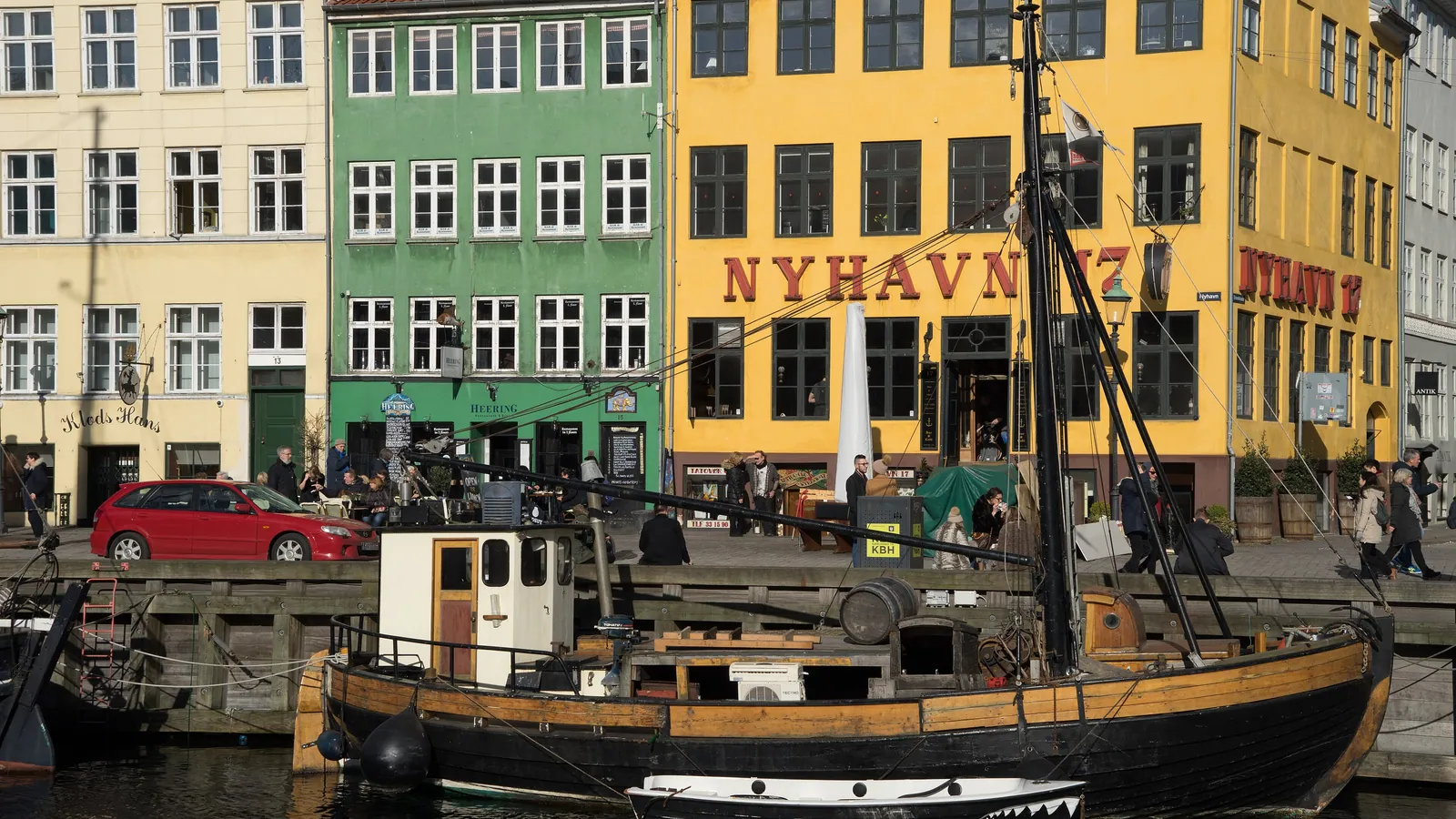
An hour-long open boat circuit from Nyhavn or Gammel Strand through the harbour and the older canals, passing the opera house, the royal palace and the little mermaid from the water.
- Ages
- 2–16
- Time
- 1h 15m
- Adult, from
- €15
Good to know. Most boats are open or only partly covered, so wind and rain are felt, and several bridges are low enough that everyone is asked to stay seated and duck. There is no way off once it starts, which is worth weighing with a child who will not sit for an hour. The scheduled harbour bus does a similar waterfront run on an ordinary transport ticket for a fraction of the fare.
 Theme parkBook ahead
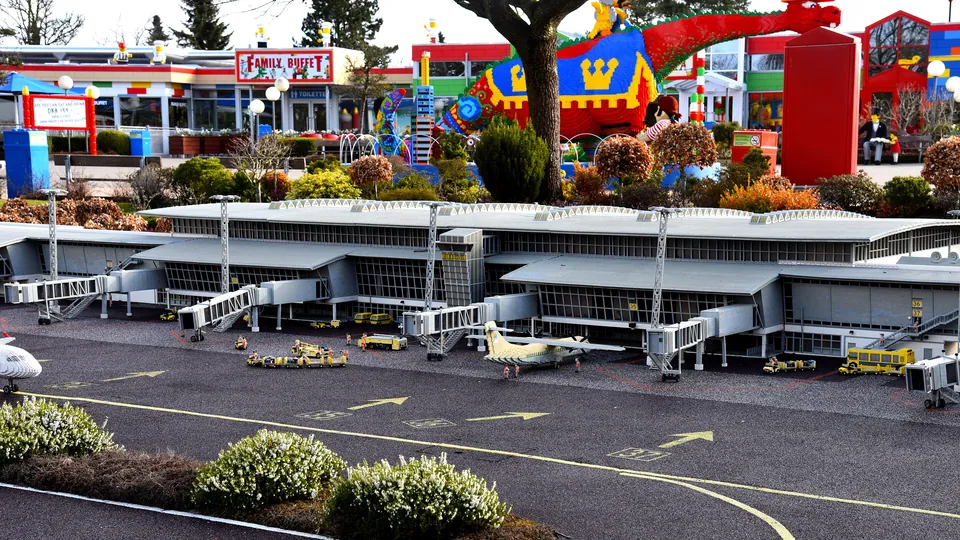
LEGOLAND Billund
Billund
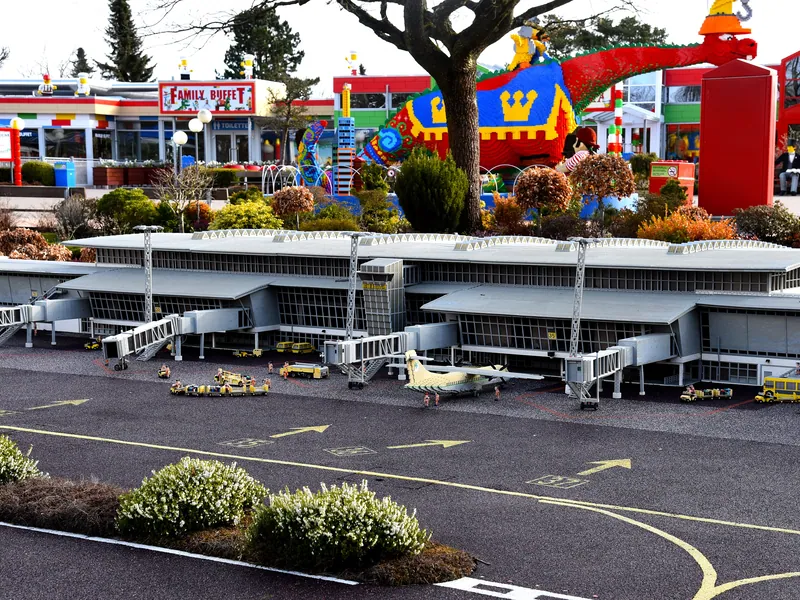
The original LEGOLAND, next to the town it was built in, combining a large miniature-model park with rides weighted towards younger children — boats, a driving school, dark rides and a handful of small coasters.
- Ages
- 3–11
- Time
- 8h
- Adult, from
- €55
Good to know. Several rides carry height minimums and a few of the bigger ones exclude smaller children entirely, so the per-ride requirements are worth checking against the actual child before queueing rather than at the front of the line. The park is typically closed outside the summer season, with reduced opening at the shoulders. Almost everything is outdoors and it stays open in rain; queues bunch heavily in the middle of the day, and car parking is charged per day on top of admission.
 MuseumBook ahead
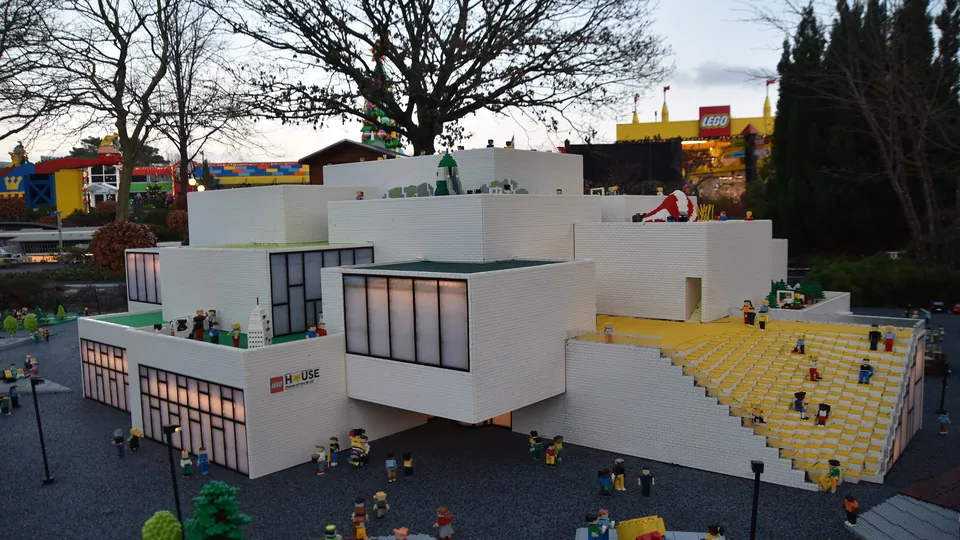
LEGO House
Billund
A building in the centre of Billund given over to building with bricks, arranged as coloured zones for construction, robotics, stop-motion animation and a history vault, with a public roof terrace.
- Ages
- 3–13
- Time
- 4h
- Adult, from
- €35
Good to know. Entry is by timed slot and the popular slots sell out in school holidays. It is a place to sit and build rather than a ride park, which disappoints children who arrive expecting rollercoasters — and because it is entirely indoors it is also the busiest thing in town on a wet day.
 Animals
Givskud Zoo
Billund
A safari park twenty minutes north of Billund where lions, giraffes, rhinos and zebras are kept in large enclosures driven through in a visitor's own car, with a walking section and a dinosaur trail.
- Ages
- 2–12
- Time
- 4h
- Adult, from
- €30
Good to know. The safari sections are designed to be driven, and families without a car depend on the park's own bus, which queues at peak times. Animals are least active in the middle of a warm day, so an early or late circuit shows more. It is typically closed outside the main season, and soft-top convertibles are not allowed into the predator enclosures.
 Culture
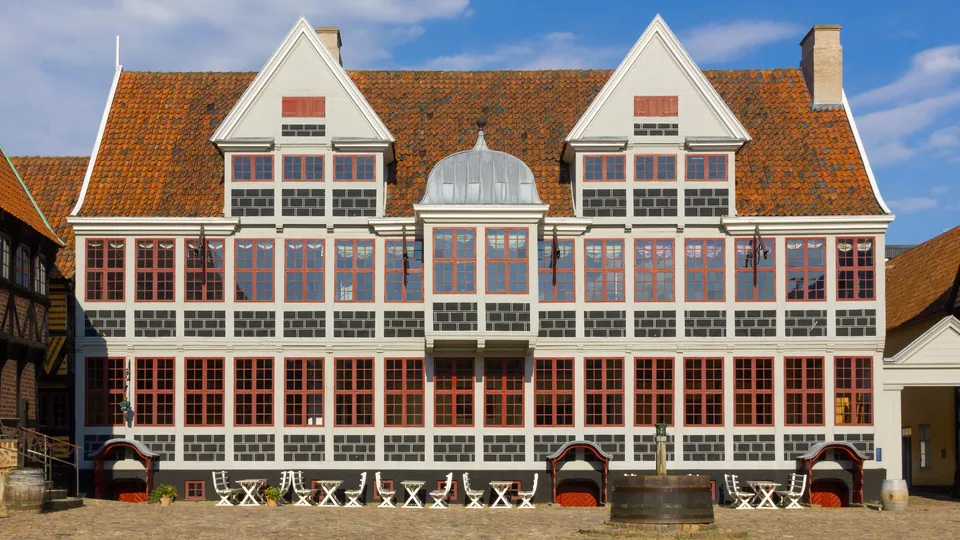
Den Gamle By
Aarhus
An open-air museum of real Danish buildings moved here and reassembled into whole streets set in different decades, staffed in period dress, with working shops, a bakery and houses that can be walked into.
- Ages
- 3–14
- Time
- 3h 30m
- Adult, from
- €25
Good to know. It is almost entirely outdoors and paved with cobbles, so a wet day is a wet visit and a pushchair is hard work. The historic houses have steep, narrow staircases that a pushchair cannot follow at all, and the quietest period streets hold a child's attention far less than the staffed ones — worth asking at the entrance which houses are staffed that day.
 Museum
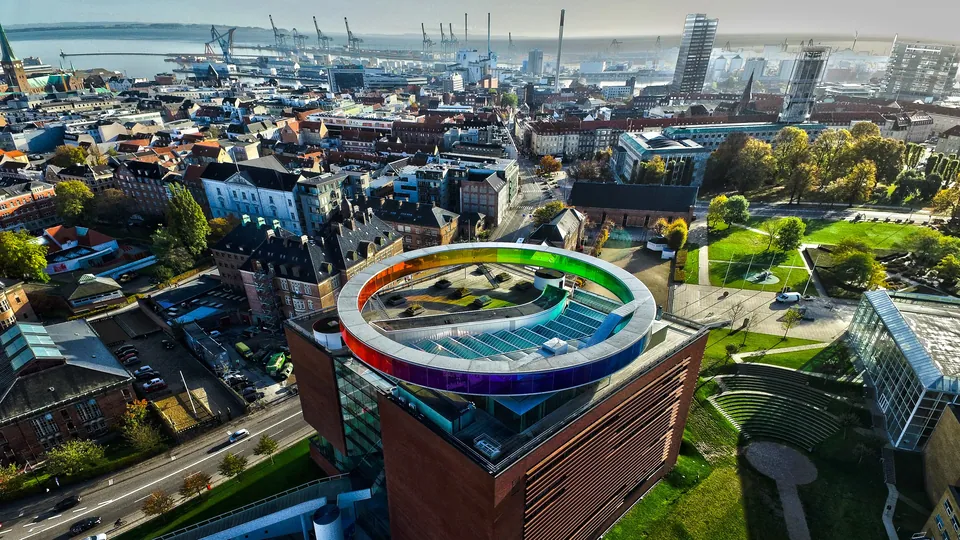
ARoS art museum
Aarhus
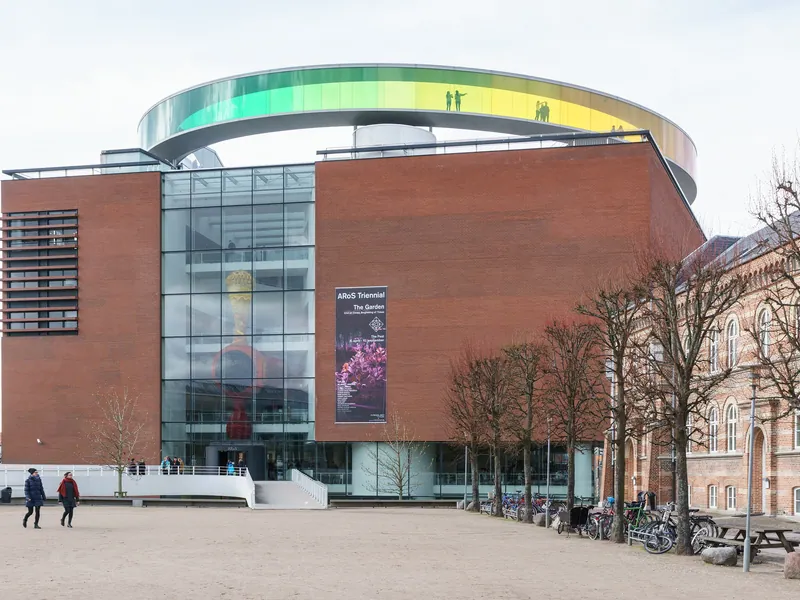
A city-centre art museum whose roof carries a circular walkway of coloured glass that turns the view over Aarhus a different colour at every step, above galleries of modern painting, sculpture and installation work.
- Ages
- 4–16
- Time
- 2h
- Adult, from
- €20
Good to know. The coloured walkway is the reason most families come and it is reached by lift, but it is glazed all round and gets hot and bright in direct sun. The galleries below include dark, enclosed installations and some work with adult subject matter that younger children find unsettling, so it is worth knowing what is on before committing to the lower floors.
 Theme park
Tivoli Friheden
Aarhus
A small amusement park set inside woodland at the southern edge of the city centre, with a mix of children's rides, a couple of coasters, a lake and picnic ground, sized for an afternoon rather than a full day.
- Ages
- 2–13
- Time
- 4h
- Adult, from
- €15
Good to know. Entry and rides are charged separately, so a family that intends to ride needs the wristband rather than the gate ticket. Several rides carry height minimums, and the park runs a season — it is typically closed outside the summer months apart from a separate Christmas period. Its size is the point and also the limit: older children can exhaust it in two hours.
- Nature
Grenen, the two-seas point
North Jutland
The sand spit at the very top of Denmark north of Skagen, where the Skagerrak and the Kattegat meet in visibly colliding waves and visitors stand on the last few metres of the country with a sea on each side.
- Ages
- 3–16
- Time
- 2h 30m
- Adult, from
- Free
Good to know. The point is a walk of well over a kilometre each way from the car park, all of it on loose sand with no shade and a constant onshore wind, which is a long way on small legs; the tractor-drawn bus that covers it runs in season only and is charged separately. Bathing at the tip is prohibited because of the currents, and car parking is charged.
 Nature
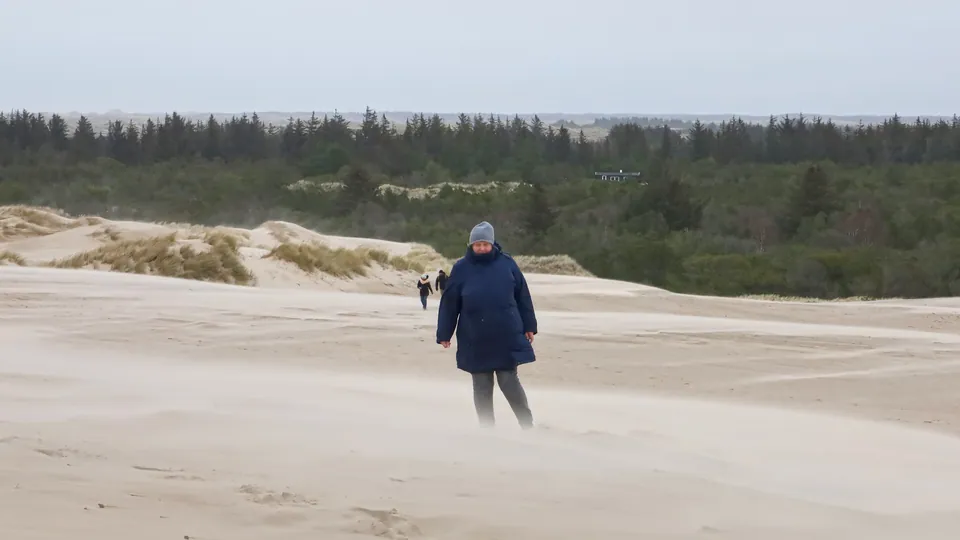
Råbjerg Mile
North Jutland
A migrating dune between Skagen and Frederikshavn, tens of metres high and drifting slowly inland across the peninsula, left unplanted and open so that climbing it and running back down is the whole activity.
- Ages
- 2–16
- Time
- 1h 30m
- Adult, from
- Free
Good to know. The climb is genuinely hard work in deep loose sand and there is no shade, shelter or drinking water on the dune. Facilities at the car park are minimal and the dune itself is a walk from it, so water, sun cover and a wind layer all have to be carried in. Sand gets into everything, which argues for old shoes or bare feet.
 Theme parkBook ahead
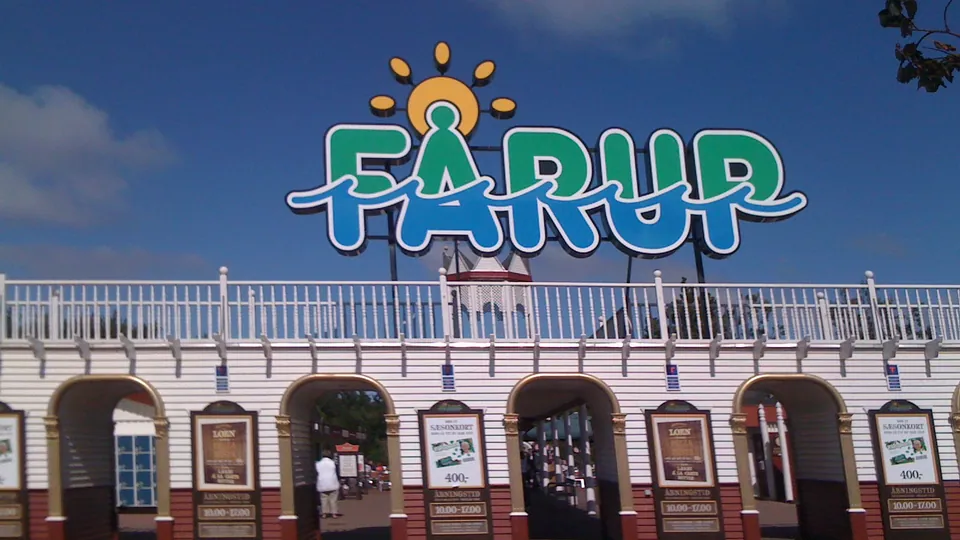
Fårup Sommerland
North Jutland
An outdoor ride park in forest and dune country behind the west-coast beaches near Blokhus, combining wooden and steel coasters with a large water park included in the admission price.
- Ages
- 3–14
- Time
- 7h
- Adult, from
- €45
Good to know. Rides carry height minimums, and the water park — a substantial part of what the ticket buys — is outdoors, so a cool or wet day removes much of the value. The park is typically closed outside the summer season. It sits in the dunes with little public transport, so it is effectively a car journey from any base.
Some links on this page are affiliate links. If you book through one, the price is the same for you and we may earn a commission. How this works.
Getting around Denmark
Intercity trains link Copenhagen with Odense, Aarhus and Aalborg on a single spine, crossing the Great Belt by bridge, and a family trip that stays in the cities needs nothing else. The Copenhagen metro is driverless, runs around the clock and has a lift at every station, which is unusual and matters with a pushchair. Bicycles travel free on the Copenhagen S-trains and for a small supplement on longer-distance services. Beyond the rail spine, regional buses thin out sharply outside July and August, which is where a car starts to earn its keep.
Do you need a rental car?
A little driving. Copenhagen and Aarhus are better without one: parking is metered in zones, expensive, and slower than the metro or a bike. A car becomes close to essential for the Jutland coast, where the sights sit twenty to sixty minutes apart, summerhouse areas have no useful bus, and Billund has no railway station of its own. Driving between Zealand and Jutland also crosses the tolled Great Belt bridge, at roughly thirty-five euros each way for a car.
What Denmark costs with a family
Typical daily spend for a family of four, excluding flights. Accommodation, food, local transport and one paid activity a day.
€
€170
Budget · per day, family of four
€€
€290
Mid-range · per day, family of four
€€€
€500
Higher-end · per day, family of four
Planning estimates based on published prices at the time of writing, in shoulder season. Peak months, school holidays and city-centre accommodation all push the figure higher.
Food in Denmark
Eating with children is easy and expensive in equal measure. Bakeries are excellent and open early, the street-cart hot dog is a national institution and a cheap lunch, and pizza, pasta and burgers are everywhere. Smørrebrød — open rye sandwiches with fish or cold cuts — is the local speciality and the one most likely to be refused by a cautious eater, so it works better as a shared plate than as a child's meal. The two practical surprises are that restaurant prices for four add up faster than almost anywhere in Europe, so most visiting families self-cater at least one meal a day, and that Danish kitchens often stop serving by around nine in the evening, so late dinners do not work the way they do further south.
Practical tips for Denmark
The things that are easy to get wrong and expensive to fix once you have arrived.
Money & costs
Book a kitchen, not just a room
Restaurant meals are the sharpest cost in Denmark. Apartments in the cities and summerhouses on the coast sleep four to six, cost less than two hotel rooms and turn breakfast and one other meal into a supermarket bill.
Getting around
Rent a cargo bike rather than a car in the cities
Two-child cargo bikes are rented by the day in Copenhagen and Aarhus. The lanes are kerb-separated with their own signals, so the ride is calmer than it sounds, and it removes the parking problem entirely. Helmets are not a legal requirement but are near-universal for children and rental shops usually supply them.
Getting around
Buy long-distance train tickets early
Danish rail sells a limited number of cheap advance fares on each departure, and the price climbs as the train fills. Booking the Copenhagen–Aarhus or Copenhagen–Aalborg legs weeks ahead can cost a fraction of a walk-up fare. Young children travel free with an accompanying adult, typically up to two per adult, so confirm the allowance when booking rather than buying child tickets by reflex.
Money & costs
Cards work everywhere; kroner are the currency
Denmark is close to cashless and contactless cards are accepted for almost everything, including buses and market stalls. It is not in the euro, so euro notes are frequently refused and changing money is rarely worth the spread.
Packing
Pack for wind and rain in every month
A Danish summer week can deliver three wet days. Waterproof jackets for everyone and a windproof layer for the coast are the difference between a changed plan and a lost day, because most of the country's attractions are outdoors.
Staying connected
Sort data before departure if travelling from outside the EU
EU and UK roaming bundles usually cover Denmark, so check the plan first. From further afield an eSIM activated before the flight means transport apps, park tickets and maps work on arrival.
Some links on this page are affiliate links. If you book through one, the price is the same for you and we may earn a commission. How this works.
Denmark with kids: common questions
Is Denmark good for toddlers?
Unusually good. The cities are flat, the Copenhagen metro has a lift at every station, changing facilities and highchairs are standard, and summer heat is never a risk. The limits are cost and the fact that a wet week removes most of the outdoor attractions.
Do you need a car in Denmark?
Not for Copenhagen or Aarhus, where parking is expensive and the metro, buses and bikes are faster. A car is close to essential for the Jutland coast and useful for Billund, which has no railway station of its own.
How expensive is Denmark for a family?
It sits near the top of Europe, with restaurant meals and family rooms the sharpest lines. Families that self-cater one or two meals a day, stay in an apartment or summerhouse and book trains in advance bring it close to the cost of alpine Austria or Switzerland.
When is the best time to visit Denmark with kids?
Late June to mid-August, because that is when the coast, the outdoor parks and the seasonal transport all run. June and early September are quieter and cheaper but colder, with several attractions on reduced hours and the sea too cold for most children.
How many days does a first family trip to Denmark need?
Seven to ten. Three or four days in Copenhagen plus two in Billund covers the obvious draw. Ten to twelve adds Aarhus and the North Jutland coast without a travel day every other morning.
Other destinations to compare
Every guide answers the same questions in the same order, so two countries take five minutes to compare rather than five evenings.
- Japan with Kids: Itineraries, Where to Stay & When to GoCulture, nature & adventure
- Italy with Kids: Itineraries, Where to Stay & When to GoMountains, lakes & cities
- Austria with Kids: Itineraries, Where to Stay & When to GoAlps, lakes & charming towns
- Cyprus with Kids: Itineraries, Where to Stay & When to GoSun, sea & family resorts