Europe · 3 destinations
Slovenia with Kids: Where to Stay, Costs & When to Go
Slovenia is small enough that the whole country behaves like a single region: the Alps, the capital, the caves and the coast sit within roughly two hours' drive of each other, so a family can unpack once and still see all of it. That is unusual in Europe and it is the main reason the country suits families — fewer hotel changes, shorter transfers, and day trips that end back at a familiar room. The distances also mean the headline sights are shared by everyone, so Lake Bled in July and August is genuinely crowded. The other trade-offs are a thin schedule of direct flights into Ljubljana, and a coastline of only about 46 kilometres with pebble and concrete bathing platforms rather than long sandy beaches.
- Best for ages
- 0+
- Recommended trip length
- 6–10 days
- Budget level
- €€
- Best time to visit
- May–Sep
Suits up to 16
Mid-range
Why Slovenia works for families
One base can cover the whole country
Ljubljana to Bled is about 50 minutes, to Postojna about 45, to the coast about 90. A family can keep one room for a week.
Very different landscapes, very close together
An alpine lake, a 24-kilometre cave system and the Adriatic are each a short drive from the middle of the country.
Low-stress day to day
Crime is low, tap water is drinkable everywhere including mountain villages, and drivers are used to marked pedestrian crossings.
Cheaper than the countries either side
Food, tickets and family rooms sit noticeably below Austria and northern Italy, though Bled itself is the exception.
Familiar food and normal dinner times
Pizza, pasta, grilled meat and soups are on almost every menu, and kitchens serve from about 18:00 rather than 21:00.
A two to three hour flight from most of Europe
Direct routes into Ljubljana are limited, so Venice, Trieste, Klagenfurt and Zagreb are all used as alternative arrival airports.
When to visit Slovenia with kids
June and September are the sweet spot: warm days, the gorges and caves fully open, and Bled still walkable. July and August bring swimmable lake and sea water but the heaviest crowds and the worst parking. Vintgar Gorge and the alpine valleys close or run reduced from late autumn.
- Jan
- Feb
- Mar
- Apr
- May
- Jun
- Jul
- Aug
- Sep
- Oct
- Nov
- Dec
Where to stay
Family hotels in Slovenia
We list areas and property types rather than single hotels: family-room availability changes constantly, and the area plus the room requirement is what survives contact with a booking engine.
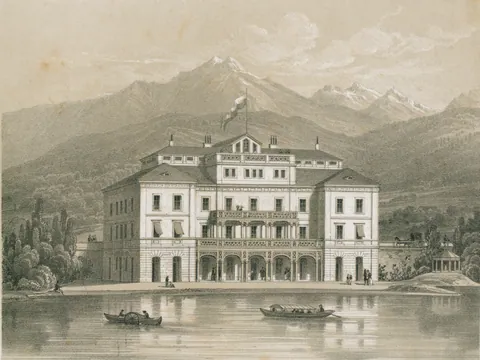 Bled town (eastern shore)Higher-end
Lakeside hotel with a pool, Bled town
Puts the lake path, the boat jetty and the cake shops within a few minutes' walk, and the indoor pool is the fallback on the afternoons when the weather turns or nobody will walk further.
- Steps from the lakeside path and the pletna jetty
- Indoor or thermal pool as a wet-weather plan
- Buffet breakfast, which suits early cave and gorge starts
- Bus station for Ljubljana within walking distance
Fitting a family in
Family rooms here typically mean a double plus two singles in one space, or connecting doubles. Check whether the stated occupancy includes a sofa bed rather than a proper fourth bed before booking for four.
Watch out. This is the busiest stretch of shore in July and August, parking is usually charged on top of the room rate, and a genuine full lake view carries a significant premium over the partial views often described as lakeside.
Check hotel prices — opens Klook in a new tab (affiliate link)Live availability for your dates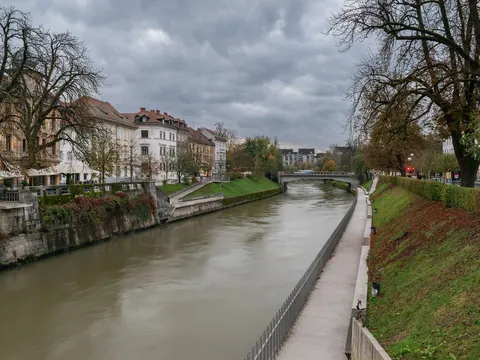 Old town / river embankmentsMid-range
Family apartment in the pedestrian centre
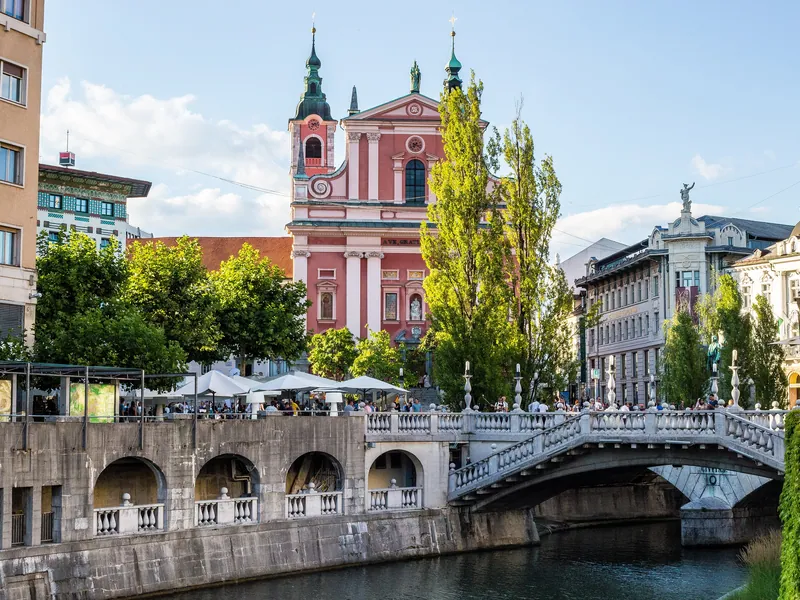
The car-free centre is the reason to stay in Ljubljana, and an apartment inside it means the market, the funicular and the river are all within a few minutes' walk with no transport to organise.
- Inside the pedestrian zone, so no roads to cross with young children
- Kitchen and laundry for a longer stay used as a day-trip base
- Market and bakeries within a two-minute walk
- Bus and train stations about 15 minutes on foot
Fitting a family in
Two-bedroom apartments in converted historic buildings are the standard family option, usually sleeping four with a sofa bed for a fifth. Ceiling heights are generous but floor plans are irregular.
Watch out. Vehicles cannot reach most addresses, so arrival means walking bags in from a garage some streets away, and lifts are rare in old-town buildings. Riverside bars are loud until late on Friday and Saturday nights — ask which side the bedrooms face.
Check hotel prices — opens Klook in a new tab (affiliate link)Live availability for your dates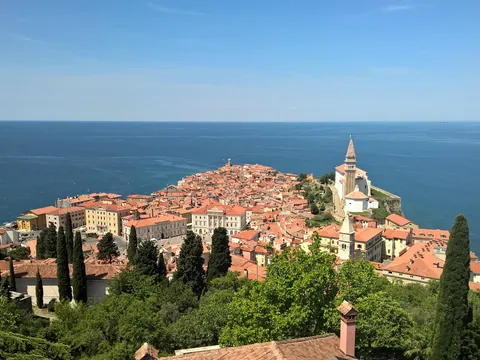 Piran old townMid-range
Apartment inside Piran's old town
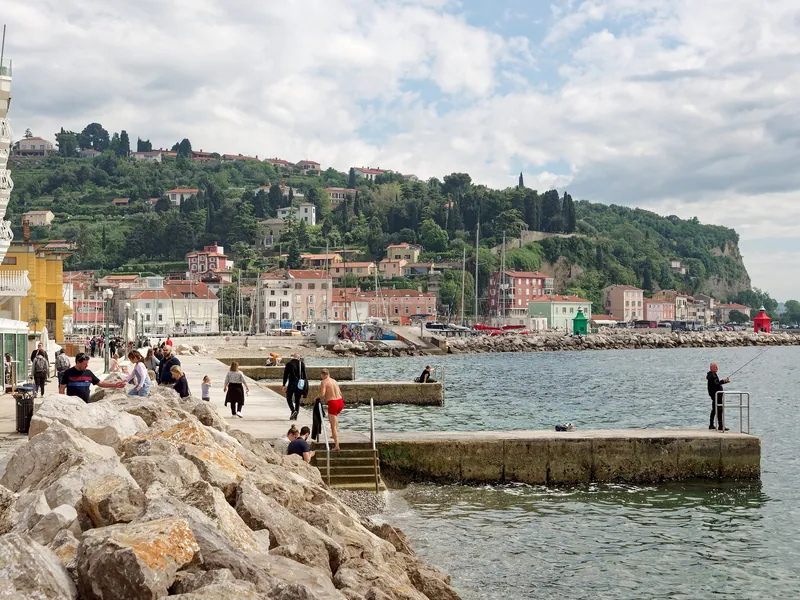
The town is car-free and small enough to cross in fifteen minutes, so an apartment inside it means swimming, the square and dinner are all a short walk away without a bus or a car in the plan.
- Minutes from the waterfront swimming platforms
- Kitchen, which matters where restaurant prices rise sharply in August
- Free shuttle to the Fornače garage at the edge of town
- Tartini Square and the seafront restaurants within a few minutes
Fitting a family in
Mostly one- and two-bedroom conversions in tall stone houses. Four people usually means one bedroom plus a sofa bed, so check the bed configuration rather than the headline occupancy.
Watch out. Cars cannot reach most addresses and luggage has to be carried up stepped lanes and internal stairs, with lifts almost unknown. The square and the waterfront stay noisy on summer evenings, and the stone buildings hold heat overnight where there is no air conditioning.
Check hotel prices — opens Klook in a new tab (affiliate link)Live availability for your dates
Some links on this page are affiliate links. If you book through one, the price is the same for you and we may earn a commission. How this works.
Top family attractions in Slovenia
What each one costs, how long it takes, which ages it suits and whether you need to book ahead.
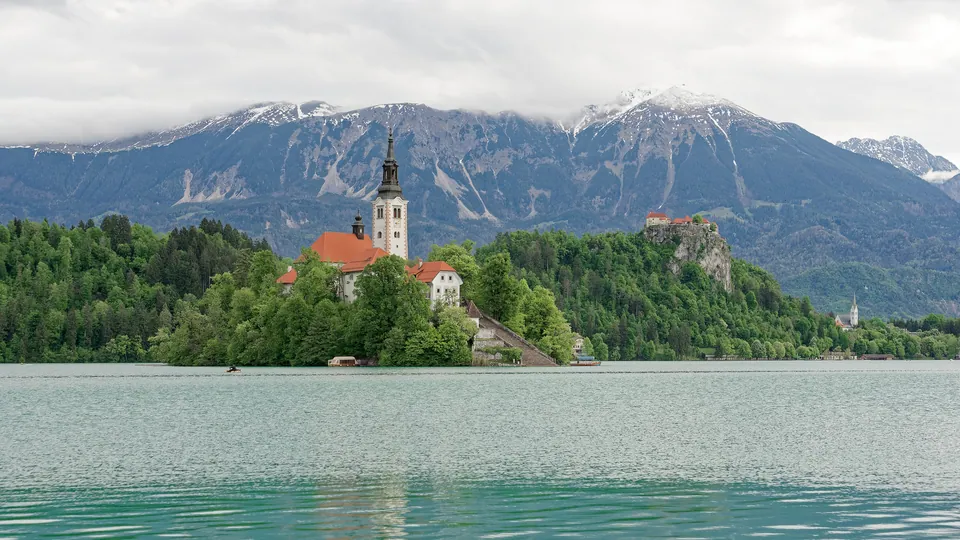 Nature
Lake Bled path & island boats
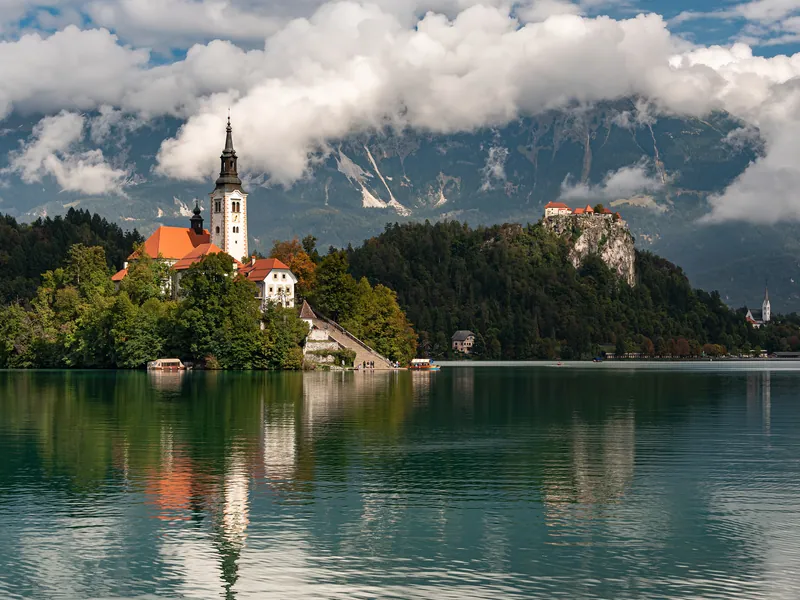
Lake Bled
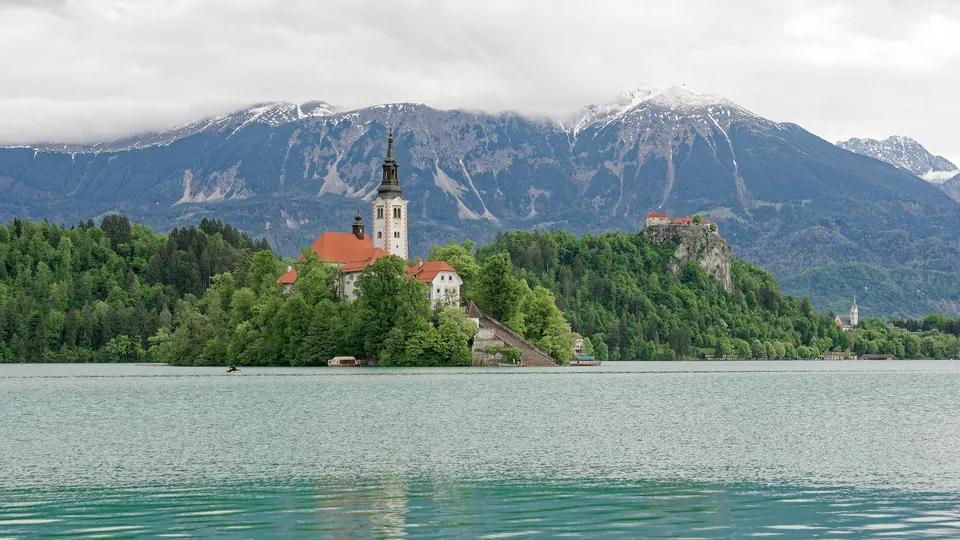
A flat 6-kilometre circuit of the lake shore, combined with a crossing to the island church either on a rowed pletna boat or in a hired rowing boat. The walk is free; the boats are the paid part.
- Ages
- 0–16
- Time
- 4h
- Adult, from
- €20
Good to know. The island means 99 stone steps up from the jetty, and pletna boats usually leave only once enough passengers have gathered, with roughly half an hour ashore before the return.
 Culture
Bled Castle
Lake Bled
A medieval castle on a cliff 130 metres above the lake, with a courtyard, a working printing press, a forge and the standard postcard view over the island.
- Ages
- 4–16
- Time
- 2h
- Adult, from
- €18
Good to know. The footpaths up from the town are steep and partly stepped, roughly 20–30 minutes with children. Driving to the upper car park avoids the climb but the castle itself is still built over several levels of steps with no lift.
 NatureBook ahead
Postojna Cave & Predjama Castle
Ljubljana
A 24-kilometre cave system entered by electric train, with a guided walking section past chambers and formations, and a vivarium holding the olm. Predjama Castle, built into a cave mouth 9 kilometres away, is sold as a combined ticket.
- Ages
- 3–16
- Time
- 5h
- Adult, from
- €32
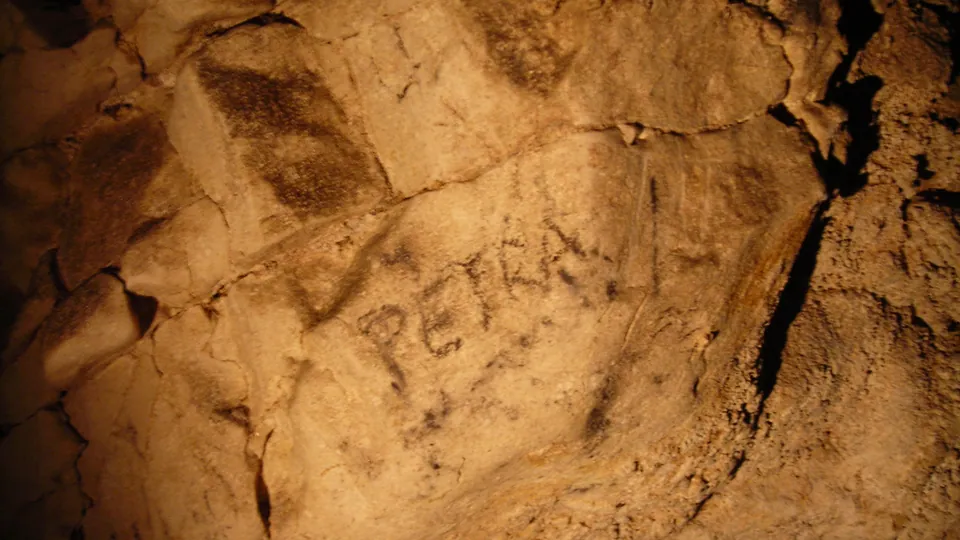
Good to know. The cave holds about 10°C all year with very high humidity, so a fleece and closed shoes are needed even in August. Pushchairs cannot be taken inside — a carrier can — and the tour includes roughly 1.5 kilometres on foot after the train ride.
 Culture
Ljubljana Castle & funicular
Ljubljana
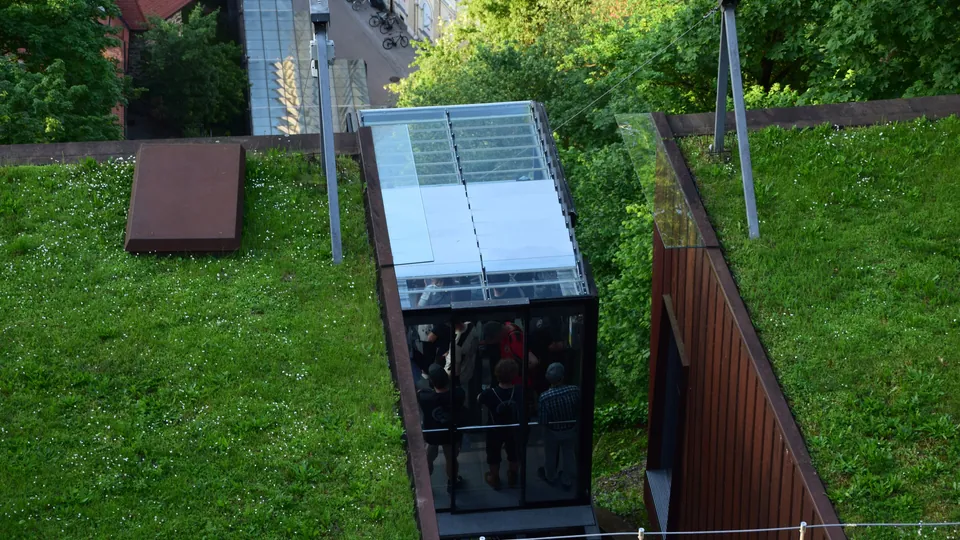
A hilltop castle above the old town reached by a one-minute funicular from Krekov trg, with a viewing tower, a puppetry museum and a courtyard used for events.
- Ages
- 3–16
- Time
- 2h 30m
- Adult, from
- €16
Good to know. The viewing tower is a narrow double spiral staircase with no lift and is the part most children want. Walking up instead of riding takes 20 minutes on steep wooded paths that are slippery after rain.
 City
Piran old town & town walls
Piran
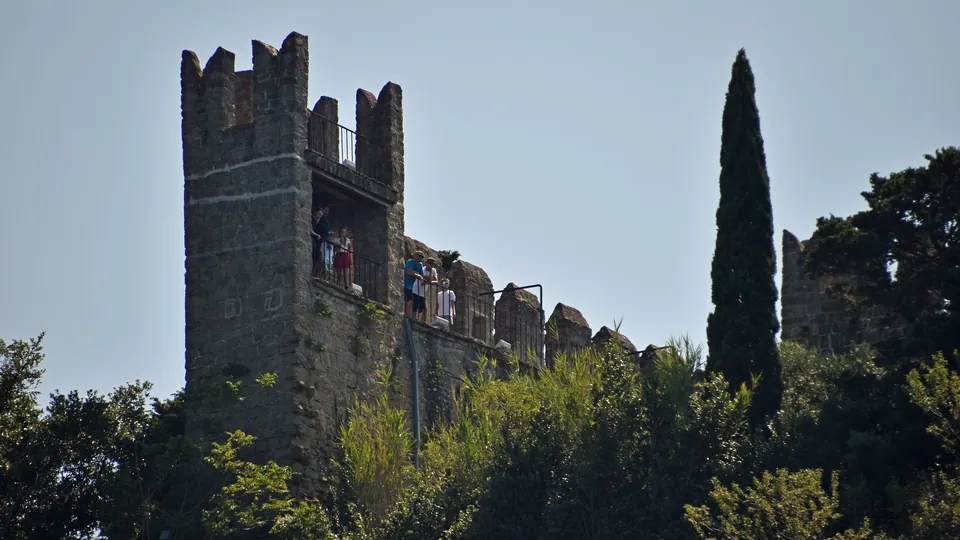
A compact Venetian town around Tartini Square, with a surviving stretch of medieval wall and towers on the ridge above, and the parish church and its Venetian-style campanile between the two.
- Ages
- 4–16
- Time
- 2h 30m
- Adult, from
- €2
Good to know. Reaching the walls means a steady climb through stepped lanes, and the wall walk has uneven stone steps with low parapets and open drops. The campanile is climbed by a steep wooden staircase that does not suit young children.
 Nature
Sečovlje Salina Nature Park
Piran
Working salt pans south of Portorož where salt is still harvested by hand in the traditional way, with a museum in a salt-worker's house and flat paths between the evaporation basins. A major bird site.
- Ages
- 5–14
- Time
- 3h
- Adult, from
- €10
Good to know. The pans are flat but completely exposed, with no shade and salt glare in the middle of the day, and the walk between the entrance and the museum is long for small legs. Mosquitoes are common in the evening.
Some links on this page are affiliate links. If you book through one, the price is the same for you and we may earn a commission. How this works.
Getting around Slovenia
Frequent intercity buses connect Ljubljana with Bled in about 75 minutes and with the coast in around two and a half hours, and they are the simplest option without a car. Trains are cheaper but slower on the Bled line, and the Bled Jezero station is a 20-minute walk from the lake, which matters with tired children. Within Ljubljana the centre is pedestrianised and walkable, and the Urbana card covers the city buses.
Do you need a rental car?
A little driving. Ljubljana, Bled and Piran are all reachable by bus, and the city centres are better without a car. A hire car earns its cost on the day trips that buses handle badly: Predjama Castle beyond Postojna, the Vintgar Gorge entrance outside Bled, and the salt pans south of Portorož.
What Slovenia costs with a family
Typical daily spend for a family of four, excluding flights. Accommodation, food, local transport and one paid activity a day.
€
€120
Budget · per day, family of four
€€
€215
Mid-range · per day, family of four
€€€
€380
Higher-end · per day, family of four
Planning estimates based on published prices at the time of writing, in shoulder season. Peak months, school holidays and city-centre accommodation all push the figure higher.
Food in Slovenia
Eating out is straightforward for cautious eaters: pizza is everywhere and generally good, pasta, grilled chicken, schnitzel, soups and river trout cover most menus, and portions are large enough that two children can share. Local dishes worth trying are štruklji (rolled dumplings, sweet or savoury), jota (a bean and sauerkraut soup) and Bled's cream cake, a slab of custard and cream that functions as a reliable bribe. Mealtimes are central European rather than Mediterranean, so a 6pm family dinner is normal and kitchens in smaller towns can close by 21:00.
Practical tips for Slovenia
The things that are easy to get wrong and expensive to fix once you have arrived.
Getting around
Motorways need an e-vignette
Slovenian motorways are tolled by electronic vignette linked to the number plate, not by barriers. Cars hired inside Slovenia normally have one; a car driven in from Italy, Austria or Croatia does not, and it must be bought before the first motorway section.
Getting around
Pick one base and drive out from it
Because nothing is more than about two hours away, a single base removes the packing, checking out and re-settling that wears children down on a multi-stop European trip. Ljubljana is the most central choice; Bled suits families who want the lake every morning.
When to go
Book the timed-entry sights before arriving
Postojna Cave runs on fixed tour departures and Vintgar Gorge sells timed entry slots, both of which sell out on July and August mornings. Booking the slot fixes the shape of the day, which is easier than queuing with a pushchair.
Money & costs
Keep coins for car parks
Slovenia uses the euro and cards are accepted almost everywhere, but lakeside and town car-park machines, some mountain huts and the occasional market stall still want cash.
Staying connected
Sort data before landing if travelling from outside the EU
EU and UK plans generally roam in Slovenia without extra charge. Families arriving from further afield need an eSIM or a local SIM, and maps matter more here than usual because several of the best stops are outside town on unnumbered roads.
Packing
Pack a fleece even in August
Postojna Cave sits at about 10°C all year, the gorges are shaded and damp, and alpine evenings drop sharply after a 30°C afternoon. A warm layer per child is the single most used item in a Slovenian suitcase.
Some links on this page are affiliate links. If you book through one, the price is the same for you and we may earn a commission. How this works.
Slovenia with kids: common questions
How long should a family trip to Slovenia be?
Six to ten days. Six covers Ljubljana, Bled and the caves properly. Eight to ten adds the coast and a slower pace, with rest days built in rather than squeezed.
Can a family really stay in one place for the whole trip?
Yes, and it is the main practical argument for Slovenia. Ljubljana is within about an hour of Bled and Postojna and around 90 minutes of Piran, so every headline sight is a day trip. Families who want to swim in the sea repeatedly are the exception and usually split the week between an inland base and the coast.
Do you need a car in Slovenia with kids?
Not for the three main destinations, which are all served by frequent buses. A car pays for itself on the day trips buses reach badly, particularly Predjama Castle, the Vintgar Gorge entrance and the salt pans, and it removes the timetable pressure that makes bus days tiring with small children.
Is Slovenia good with toddlers?
For the most part. Ljubljana's centre is pedestrianised and flat, and the 6-kilometre path around Lake Bled takes a pushchair the whole way. The weak spots are the hill castles, the gorge boardwalks and Piran's stepped alleys, where a carrier works and a pram does not.
Does Slovenia have sandy beaches?
Not really. The coast is about 46 kilometres long and most bathing is from pebble beaches or concrete platforms with ladders into deep water. Portorož has the closest thing to a conventional resort beach, and inland the lakes and river pools do more of the swimming than the sea.
When is the best time to visit Slovenia with children?
Late May to June and September. Everything is open, the days are long, and Bled is busy rather than overwhelmed. July and August give the warmest lake and sea water but also the fullest car parks and the longest cave queues.
Other destinations to compare
Every guide answers the same questions in the same order, so two countries take five minutes to compare rather than five evenings.
- Japan with Kids: Itineraries, Where to Stay & When to GoCulture, nature & adventure
- Italy with Kids: Itineraries, Where to Stay & When to GoMountains, lakes & cities
- Austria with Kids: Itineraries, Where to Stay & When to GoAlps, lakes & charming towns
- Cyprus with Kids: Itineraries, Where to Stay & When to GoSun, sea & family resorts