Europe · 3 destinations
Finland with Kids: Where to Stay, Costs & When to Go
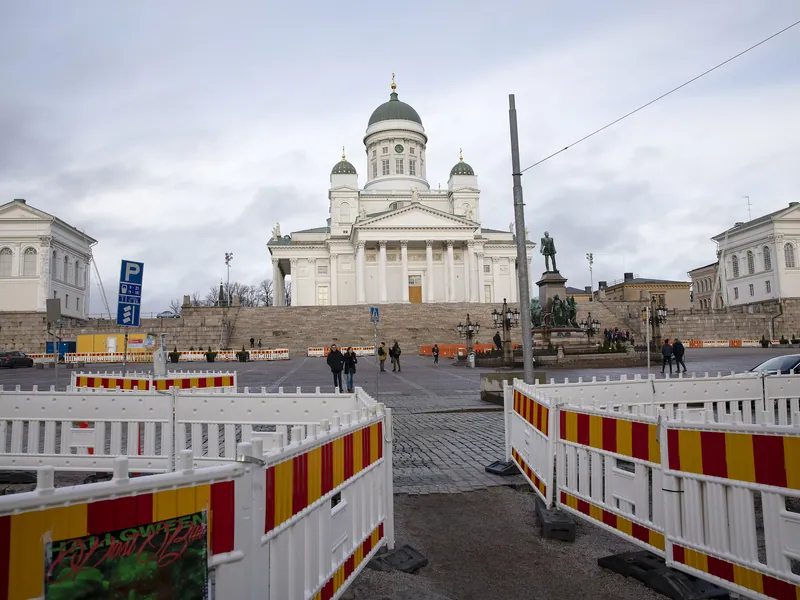
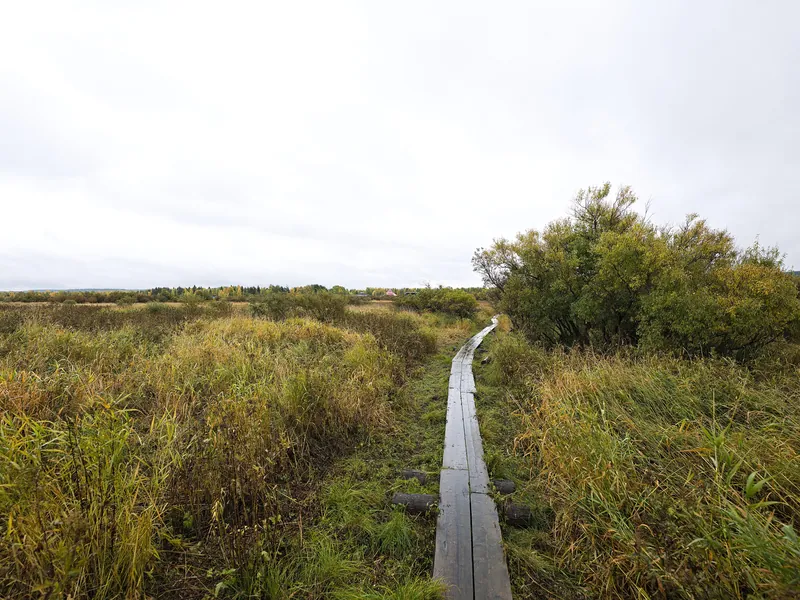
Finland is a quiet, extremely well-organised country where the two things families come for sit at opposite ends of it: a compact, walkable capital on the Baltic, and a genuine sub-arctic winter roughly 800 km to the north. Almost everything is built with children assumed rather than tolerated — playgrounds in every district, prams accommodated on public transport, a sauna in most cabins and hotels, and forest or lake within a short walk of any town. The two honest trade-offs are the calendar and the price. Much of what makes the south worth visiting runs only from June to August, and Lapland in December is one of the most expensive weeks in Europe for a family, booked out many months in advance.
- Best for ages
- 3+
- Recommended trip length
- 6–12 days
- Budget level
- €€
- Best time to visit
- Feb–Mar, Jun–Aug, Dec
Suits up to 16
Mid-range
Why Finland works for families
Forest and water are never far away
Everyone's right of access allows walking, swimming and berry-picking on almost any uncultivated land, so a wood or a lakeshore behind the accommodation is a usable activity rather than someone's garden.
Winter is planned for, not endured
Thermal suits and boots are rented out with most northern activities, hotels and cabins have drying rooms, and roads are plowed and gritted as routine.
A sauna almost everywhere a family stays
Cabins, apartments and hotels normally include one, and children use it at shorter sittings on the lower bench, which makes it a cheap end-of-day activity after a cold or wet afternoon.
Long-distance trains built for families
Double-deck intercity trains carry a dedicated family carriage with a play area, and the Helsinki–Lapland night trains have sleeper cabins and a car-carrier wagon.
Low crime and orderly public space
Petty crime is uncommon, tap water is drinkable everywhere, and older children can be given some independence in the cities with little anxiety.
Where to go in Finland
The areas worth building a family trip around, and how long to give each.
Turku & the Archipelago
Castle, museum ships and free island ferries
- Suggested stay
- 2–4 days
- Best for ages
- 2+
When to visit Finland with kids
There are two separate good seasons rather than one. June to August gives long daylight, warm-enough sea, open island ferries and the summer-only attractions in the south. February and March are the better snow months in the north — full snow cover with daylight back to a usable length — while December is the Christmas season in Lapland, at the highest prices and the shortest days of the year.
- Jan
- Feb
- Mar
- Apr
- May
- Jun
- Jul
- Aug
- Sep
- Oct
- Nov
- Dec
Where to stay
Family hotels in Finland
We list areas and property types rather than single hotels: family-room availability changes constantly, and the area plus the room requirement is what survives contact with a booking engine.
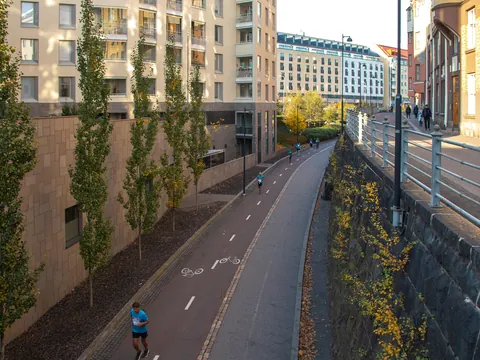 Kamppi / PunavuoriHigher-end
Apartment between Kamppi and Punavuori
A central apartment removes the two costs that make Helsinki expensive with a family — restaurant dinners and transport for everything — because the market square ferries, the main tram lines and full-size supermarkets are all inside a walk, and a kitchen covers breakfast and the evening meal.
- Kitchen and washing machine for a mid-trip laundry run
- Walking distance to the Suomenlinna ferry berth and the market halls
- Several tram lines and the metro within a few minutes
- Supermarkets in the centre rather than out of town
Fitting a family in
One- and two-bedroom units are the common stock and sleep four to five without a folding bed; studios with a sofa bed are cheaper but leave nowhere to sit once children are asleep.
Watch out. This is the most expensive part of the city, and the blocks nearest the bars are loud on Friday and Saturday nights — a courtyard-facing bedroom is worth asking for. Older buildings can have a very small lift or none at all, which matters on the fourth floor with a pram.
Check hotel prices — opens Klook in a new tab (affiliate link)Live availability for your dates- Rovaniemi town centreMid-range
Hotel family rooms in central Rovaniemi
A town base is what makes a car-free Lapland week work: activity operators collect from and return to central hotels as a matter of course, supermarkets and restaurants are within a short walk in the cold and dark, and the indoor museum day is on the doorstep when the weather rewrites the plan.
- Activity pickup and drop-off included by most operators
- Supermarkets and restaurants within a short, lit walk
- Drying room and sauna standard in the family-oriented hotels
- Airport about ten minutes away with a bus and taxis
Fitting a family in
Family rooms sleeping four exist but are a small share of the stock, often as a double with bunks or a sofa bed; two connecting rooms are the alternative and cost accordingly.
Watch out. December rates are several times the rest of the winter and the family rooms go first, frequently six months to a year ahead. The town is also lit, so it is the worst place in Lapland to watch for the aurora — that means paying for a tour or driving out of town.
Check hotel prices — opens Klook in a new tab (affiliate link)Live availability for your dates - Forest and riverside belt outside RovaniemiMid-range
Log cabin with sauna in the forest outside Rovaniemi
A cabin turns the cost of Lapland around: a kitchen removes the most expensive part of a northern week, the sauna and drying room reset children after a cold afternoon, and the snow immediately outside the door entertains them for free, which takes the pressure off a paid activity every day.
- Private sauna and a drying room for wet winter gear
- Full kitchen, which halves the food cost of the week
- Deep snow and usually a sledging slope at the door
- Dark skies for aurora watching without paying for a tour
Fitting a family in
Two-bedroom cabins sleeping four to six are the standard unit, normally with a sofa bed in the living room and a separate shower beside the sauna.
Watch out. Every trip into town, to a supermarket or to an activity means a car in winter conditions or a paid transfer, and the bill for those adds up quickly. Access is often down an unlit track that is plowed but narrow, and the nearest shop can be twenty minutes away — arriving after the supermarket closes means an empty kitchen.
Check hotel prices — opens Klook in a new tab (affiliate link)Live availability for your dates 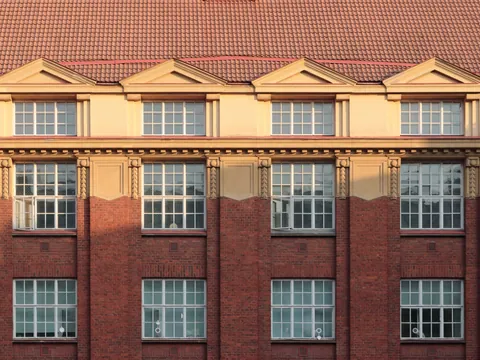 Central TurkuMid-range
Apartment on the Aura riverbank
The whole city day runs along the river — castle at one end, cathedral at the other, museum ships and the small crossing ferry in between — so a riverside apartment lets a family walk the entire itinerary with no transport decisions and go back mid-afternoon when someone has had enough.
- Kitchen and washing machine
- Museum ships, market hall and river cafés within a walk
- Buses to Naantali and the castle from the centre
- Train station within a walk or one short bus ride
Fitting a family in
One- and two-bedroom apartments sleep four to five, and the newer riverside blocks have lifts, which the older courtyard buildings often do not.
Watch out. The riverbank is the city's terrace: summer weekends are loud until late along the water, so a bedroom facing the courtyard rather than the river makes a real difference. Parking is charged and mostly on the street, which is a nuisance if the archipelago is part of the trip.
Check hotel prices — opens Klook in a new tab (affiliate link)Live availability for your dates
Some links on this page are affiliate links. If you book through one, the price is the same for you and we may earn a commission. How this works.
Top family attractions in Finland
What each one costs, how long it takes, which ages it suits and whether you need to book ahead.
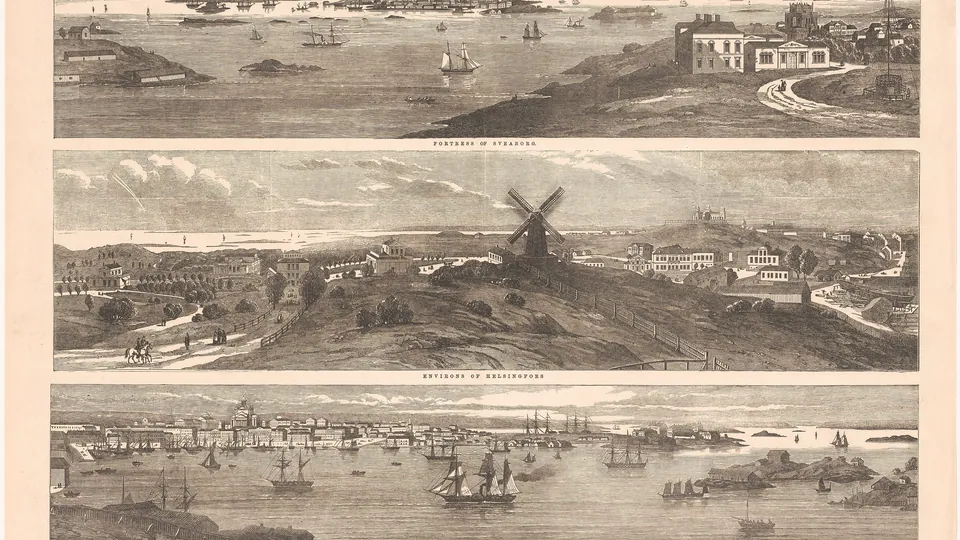 Culture
Suomenlinna sea fortress
Helsinki
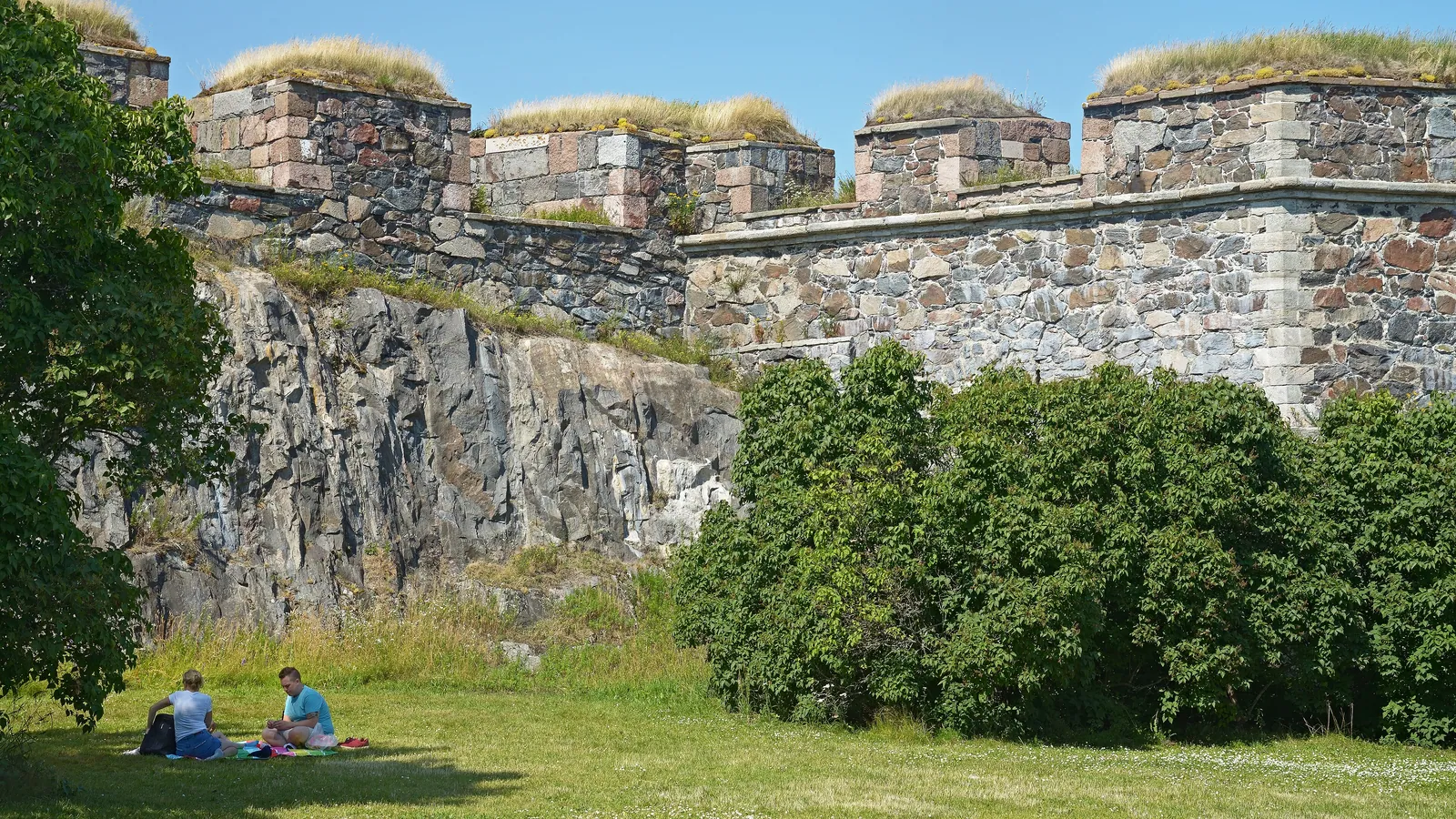
A sea fortress spread across a group of islands off the city, reached by a fifteen-minute ferry from the market square. The islands are open to walk: ramparts, tunnels, cannons, a dry dock and grass to run on, with a handful of small museums and a submarine among them.
- Ages
- 3–16
- Time
- 4h
- Adult, from
- Free
Good to know. Walking the islands is free, but the ferry needs a valid HSL ticket and the individual museums and the submarine charge separately. The paths are cobbled and uneven, several ramparts and shoreline drops are unfenced, and there is almost no shelter — a wet or windy day here is a long one. The last ferries back are much less frequent than the daytime service.
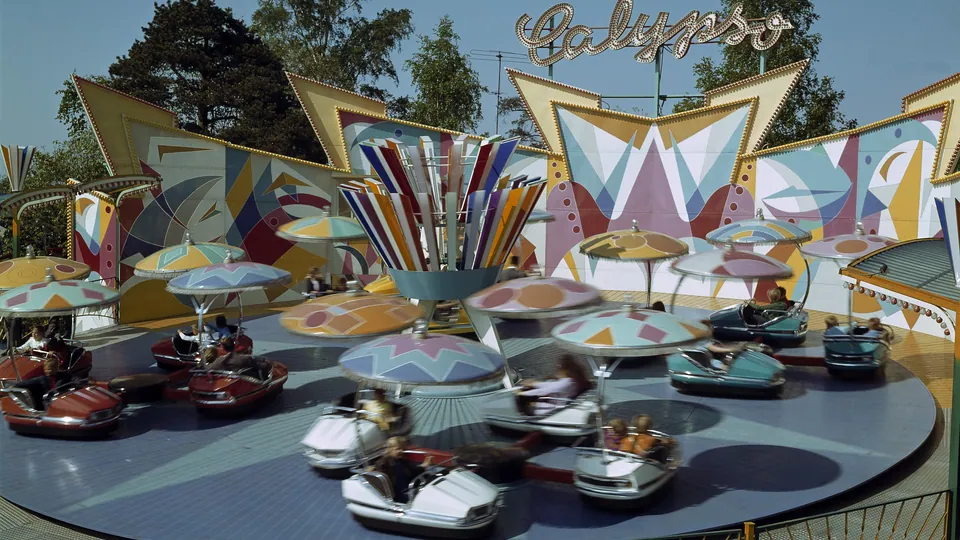 Theme park
Linnanmäki amusement park
Helsinki
The city's amusement park, on a hill above the Kallio district and run by a children's welfare foundation. Entry is free and rides are paid for separately, with a wooden rollercoaster, a set of larger thrill rides and a substantial section of gentle rides for small children.
- Ages
- 3–16
- Time
- 5h
- Adult, from
- €45
Good to know. Height minimums apply across the bigger rides, so a full-day wristband is poor value for a child on the borderline — single ride tickets often work out better. The season runs roughly from spring to early autumn with a separate winter opening, and the park is at its busiest on warm weekend afternoons.
 Culture
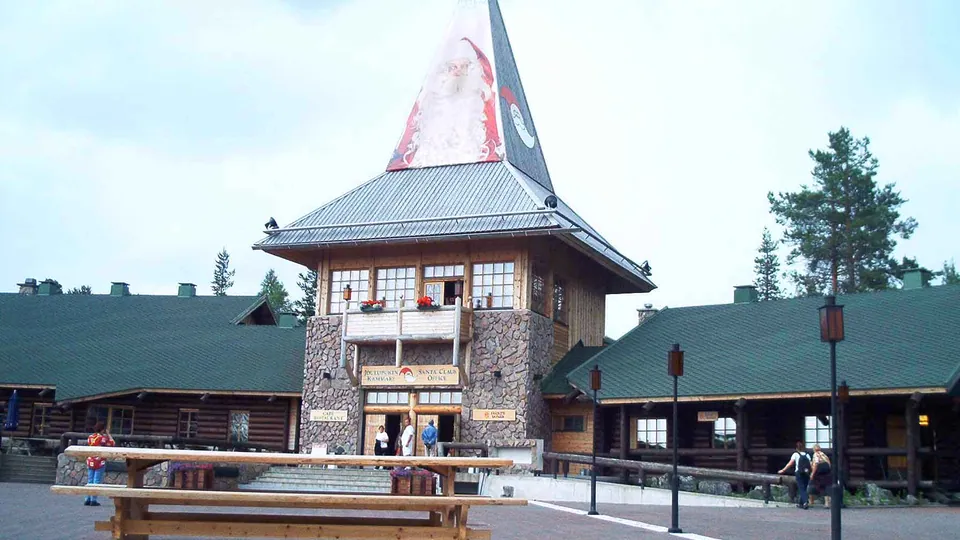
Santa Claus Village
Finnish Lapland
A purpose-built site on the Arctic Circle line about eight kilometres outside Rovaniemi, open year-round and free to enter. It holds the marked Arctic Circle crossing, a post office that answers children's letters, Santa's office, and a cluster of shops, cafés and separately ticketed attractions.
- Ages
- 2–10
- Time
- 3h
- Adult, from
- Free
Good to know. Entry and meeting Santa are free, but the official photograph and video are charged and cannot be replaced by a phone picture, and the reindeer rides, ice attractions and individual venues each charge their own admission — the day costs far more than the free entry suggests. In December it is extremely busy and queues for Santa are long in deep cold, with very little daylight for photographs.
 AnimalsBook ahead
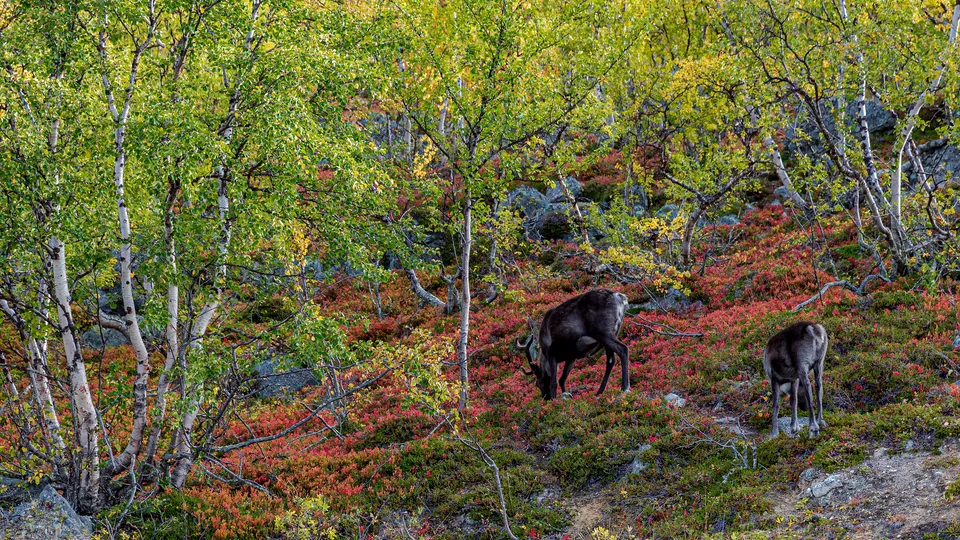
Reindeer farm and sleigh ride
Finnish Lapland
Working reindeer farms around Rovaniemi run short sleigh rides through the forest, with a chance to feed the herd, a fire in a wooden hut, hot drinks and an explanation of how reindeer herding actually works. Many hand out a novelty reindeer-driving licence at the end.
- Ages
- 3–14
- Time
- 3h
- Adult, from
- €110
Good to know. The sleigh ride itself is usually short — often fifteen to thirty minutes — and the price covers the transfer, the hut and the feeding rather than a long journey, which surprises families expecting more time on the sleigh. Thermal overalls are normally provided; the sleigh is open to the wind, so faces need covering. Reindeer are semi-wild and can kick, which is why children are kept on the handler's side.
- Theme parkBook ahead
Moomin World
Turku & the Archipelago
A theme park on a small island at Naantali built entirely around the Moomin books: the blue Moominhouse to walk through room by room, Hemulen's yellow house, a witch's cottage, a beach, a stage show and costumed characters who stay in character and greet children directly.
- Ages
- 2–9
- Time
- 5h
- Adult, from
- €34
Good to know. There are essentially no rides, which is the point for a small child and a disappointment for a ten-year-old expecting a conventional park. The season is short — broadly June to late August plus a brief winter opening — so dates have to be confirmed before a trip is built around it. The island is walked rather than driven, much of it is unshaded, and July afternoons bring real queues for the Moominhouse and the character meetings.
 Culture
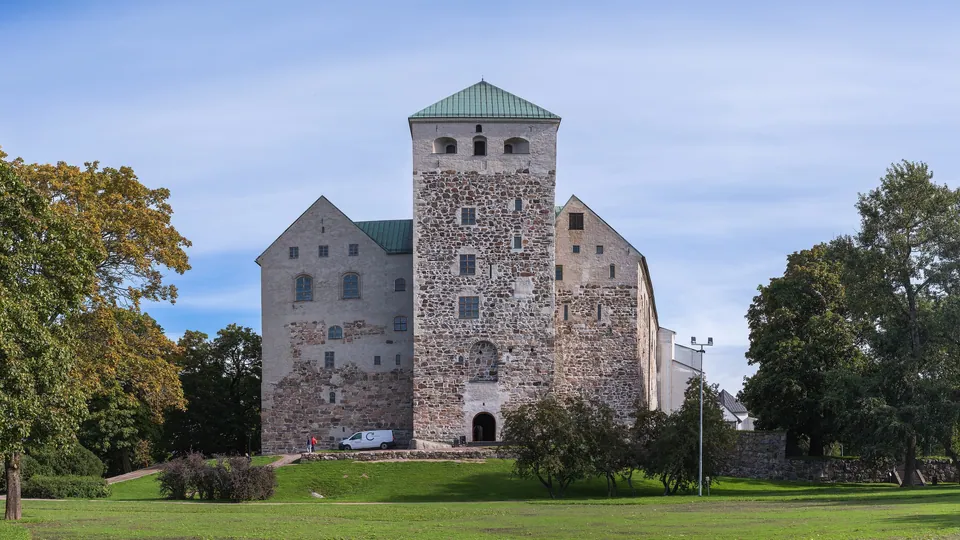
Turku Castle
Turku & the Archipelago
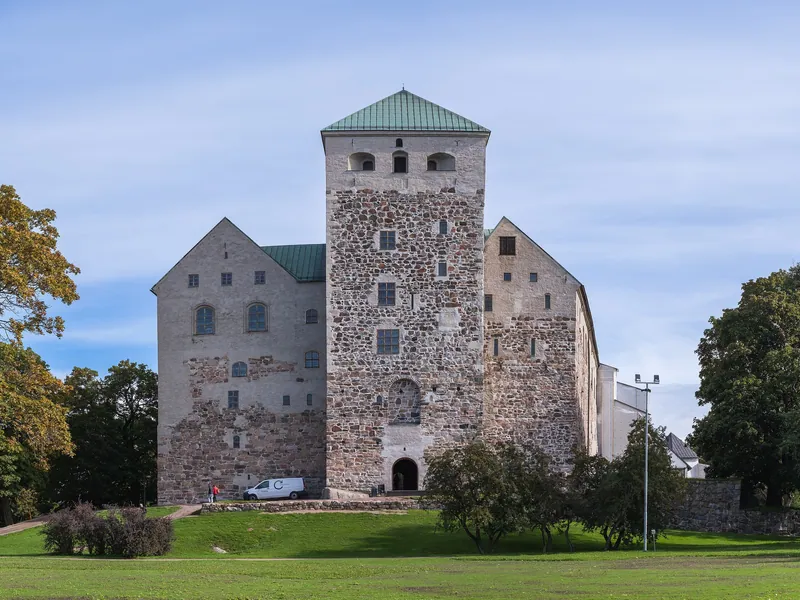
A medieval stone castle at the mouth of the river, begun in the thirteenth century and now a museum of itself: a warren of halls, chambers, stairways and cellars with a historical museum in the bailey and displays that make the building's own growth the story.
- Ages
- 5–16
- Time
- 2h
- Adult, from
- €13
Good to know. The interior is a genuine medieval structure, which means narrow spiral stairs, worn stone underfoot, low doorways and no lift to most of it — a pram has to be left at the entrance and a child who dislikes enclosed stairs will struggle. It stands away from the centre near the ferry harbour, a walk of around half an hour along the river or a short bus ride.
Some links on this page are affiliate links. If you book through one, the price is the same for you and we may earn a commission. How this works.
Getting around Finland
Trains cover the country from Helsinki as far north as Kolari and Rovaniemi, with double-deck intercity services carrying a family carriage and the northern overnight services offering sleeper cabins and space for a car. Helsinki, Turku and Tampere all have dense local bus and tram networks paid for by app or travel card. Flying is the practical way to reach Lapland on a short trip — Rovaniemi is roughly an hour and twenty minutes from Helsinki — and the road ferries that link the south-western islands are part of the public road network rather than a separate booking.
Do you need a rental car?
A little driving. Helsinki and central Turku are better without a car, and Lapland can be done entirely on activity-operator transfers if the accommodation is in town. A car becomes necessary for the archipelago beyond the first bridge and for a cabin stay outside Rovaniemi. Winter driving is its own skill: studded or winter tyres are the legal norm in the cold months, the surface is packed snow rather than tarmac for weeks at a time, and reindeer standing on unfenced northern roads at dusk are the most common cause of collisions.
What Finland costs with a family
Typical daily spend for a family of four, excluding flights. Accommodation, food, local transport and one paid activity a day.
€
€150
Budget · per day, family of four
€€
€270
Mid-range · per day, family of four
€€€
€480
Higher-end · per day, family of four
Planning estimates based on published prices at the time of writing, in shoulder season. Peak months, school holidays and city-centre accommodation all push the figure higher.
Food in Finland
Restaurant food is expensive in the evening and good value at lunchtime, which is the single most useful thing to know: most places serve a weekday lunch buffet or set plate between roughly 11:00 and 14:00 at a fraction of the dinner price. What children reliably eat is straightforward — meatballs with mashed potato and lingonberry, salmon soup, rye bread, Karelian rice pasties, porridge, pancakes and an enormous quantity of berries and dairy. Supermarkets are well stocked and most family accommodation has a kitchen, so partial self-catering is normal rather than a compromise. Outside the cities, kitchens often stop serving early in the evening, and in the far north dinner may be the only meal available for a long drive in either direction.
Practical tips for Finland
The things that are easy to get wrong and expensive to fix once you have arrived.
Money & costs
Eat the main meal at lunchtime
The weekday lunch served in most Finnish restaurants is a fixed-price buffet or plate at well under evening prices, and it suits children better than a late dinner. Shifting the big meal to the middle of the day is the easiest way to cut the food line of a Finnish budget.
Packing
Rent the winter clothing rather than buying it
Most northern activity operators include or hire out a thermal overall, boots, mittens and a balaclava in children's sizes. What has to come from home is the layer underneath — wool or synthetic base layers, wool socks and a warm hat. Cotton, and jeans in particular, are useless at these temperatures.
When to go
Decide which Finland the trip is for
The summer country and the winter country barely overlap. Island ferries, the archipelago routes and most southern summer attractions run from June to August; snow activities and reliable snow cover in the north run from roughly December to April. Trying to combine them in one trip usually means arriving somewhere in its off-season.
With kids
Treat the sauna as a short, low-bench activity
Children use the sauna in Finland routinely, but at lower temperatures, on the bottom bench, for a few minutes at a time, with water to drink and no pressure to stay. Nobody minds a child leaving after two minutes, which is worth saying out loud before the first attempt.
Staying connected
Sort data before arriving
Transport tickets, ferry timetables, parking payment and activity bookings all run through apps. Coverage is good along the populated south and around the northern towns, and patchy in the fells and on the outer islands.
Some links on this page are affiliate links. If you book through one, the price is the same for you and we may earn a commission. How this works.
Finland with kids: common questions
Is Finland a good destination with children?
Practically, yes. It is safe and orderly, public space is built with children in mind, distances inside each region are short, and food that cautious eaters accept is everywhere. The constraints are seasonal rather than structural: much of the south operates only in summer, and the north is genuinely cold and dark in midwinter.
How expensive is Finland for a family?
Above southern Europe and below Norway or Iceland for most of the year, with one exception: Lapland between late November and early January behaves like a different country entirely, with accommodation and activity prices at a peak and availability gone months ahead. Lunch buffets, supermarket shopping and accommodation with a kitchen bring the rest of the country back to mid-range.
Do you need a car in Finland?
Not for Helsinki, central Turku, or a Lapland trip based in Rovaniemi with operator transfers. A car is needed for the archipelago beyond the mainland bridge and for a forest cabin outside town. In the cold months it means winter tyres, packed-snow roads and reindeer on unlit verges at dusk.
When is the best time to visit Finland with kids?
June to August for the south — long daylight, open ferries and the summer-only attractions. February and March for snow in the north, which have the same snow cover as December with far more daylight and lower prices. December is specifically the Christmas trip to Lapland, and is priced and booked accordingly.
Are the northern lights guaranteed in Finnish Lapland?
No, and no operator can promise them. They are a chance on any given clear night in the dark half of the year, dependent on solar activity and cloud cover, and families can spend a week in Lapland without seeing them. A trip built on them will disappoint; a trip built on snow, reindeer, huskies and sledging that might also get an aurora night will not.
How long should a first family trip to Finland be?
Six to ten days. A summer trip pairs Helsinki with Turku and the archipelago comfortably in a week. A winter trip is better as a short, focused four to five nights in Lapland with a night or two in Helsinki on either side, because two long transfers in one week is a lot with children.
Other destinations to compare
Every guide answers the same questions in the same order, so two countries take five minutes to compare rather than five evenings.
- Japan with Kids: Itineraries, Where to Stay & When to GoCulture, nature & adventure
- Italy with Kids: Itineraries, Where to Stay & When to GoMountains, lakes & cities
- Austria with Kids: Itineraries, Where to Stay & When to GoAlps, lakes & charming towns
- Cyprus with Kids: Itineraries, Where to Stay & When to GoSun, sea & family resorts