Europe · 4 destinations
Poland with Kids: Where to Stay, Costs & When to Go
Poland is one of the best-value countries in the European Union for a family, and the saving shows up in the things that usually get cut: two rooms instead of one, eating out every evening, and a museum ticket nobody has to think twice about. The practical spine is the rail network — the rebuilt trunk lines connect Kraków, Warsaw and Gdańsk at speeds that make a three-city trip work without a car — and the cities themselves are flat, tram-served and unusually well supplied with public playgrounds. The trade-offs are real: the weather is northern and changeable rather than reliable, the Baltic is cold even in August, and Poland's twentieth-century history is present at almost every sight, which means some of the country's most important places are emphatically not family outings. Most of the mountains and the coast are also domestic holiday destinations first, so July and August bring Polish crowds rather than international ones, and they are heavier than most visitors expect.
- Best for ages
- 3+
- Recommended trip length
- 7–12 days
- Budget level
- €
- Best time to visit
- May–Sep
Suits up to 16
Budget
Why Poland works for families
Costs a long way below western Europe
Family rooms, restaurant meals, museum tickets and transport all sit well under the equivalent in Germany, France or Italy, which changes what a fixed budget buys.
The intercity trains actually work
Kraków to Warsaw takes about two and a half hours and Warsaw to Gdańsk under three, on rebuilt trunk lines with reserved seats booked online.
Food cautious eaters recognise
Pierogi, pancakes, breaded cutlets, clear soups and bread-and-butter appear on almost every menu, and milk bars serve a plateful for the price of a coffee.
Cities rebuilt from scratch, and one that was not
Warsaw and Gdańsk were reconstructed from pre-war records after 1945 while Kraków survived intact — the contrast is the kind of history older children argue about.
Public playgrounds almost everywhere
Polish cities put fenced, well-equipped playgrounds in ordinary residential squares and parks, so a break is rarely more than a few streets away.
Two to three hours from most of Europe
Kraków, Warsaw, Gdańsk and Katowice all take low-cost flights, so a family can land next to the first base rather than transfer across the country.
Where to go in Poland
The areas worth building a family trip around, and how long to give each.
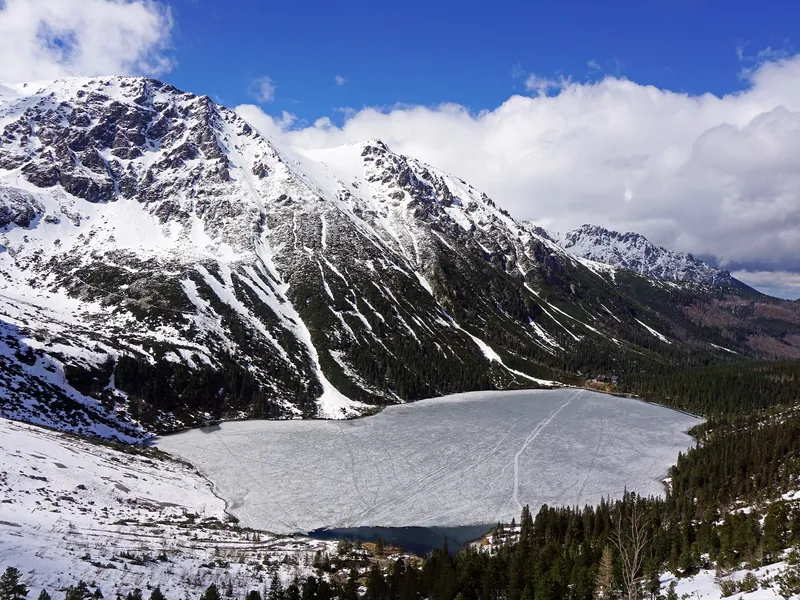
Zakopane
Tatra valleys, wooden villages and lifts that climb for you
- Suggested stay
- 3–5 days
- Best for ages
- 4+
When to visit Poland with kids
Late May, June and September are the sweet spot: warm enough for long days outdoors, well below the domestic holiday peak, and cheap. July and August are the only window in which the Baltic is swimmable at all, and also the fortnight the whole country takes off — the coast and the Tatras are at their fullest. Winter is a separate proposition: the Tatra resorts are busy and snow-reliable, while the big cities are cold, dark by mid-afternoon and, in Kraków's case, prone to poor air quality.
- Jan
- Feb
- Mar
- Apr
- May
- Jun
- Jul
- Aug
- Sep
- Oct
- Nov
- Dec
Where to stay
Family hotels in Poland
We list areas and property types rather than single hotels: family-room availability changes constantly, and the area plus the room requirement is what survives contact with a booking engine.
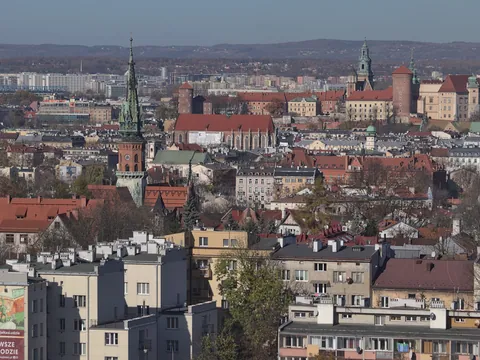 Stare Miasto (Old Town)Mid-range
Apartment inside the Planty ring
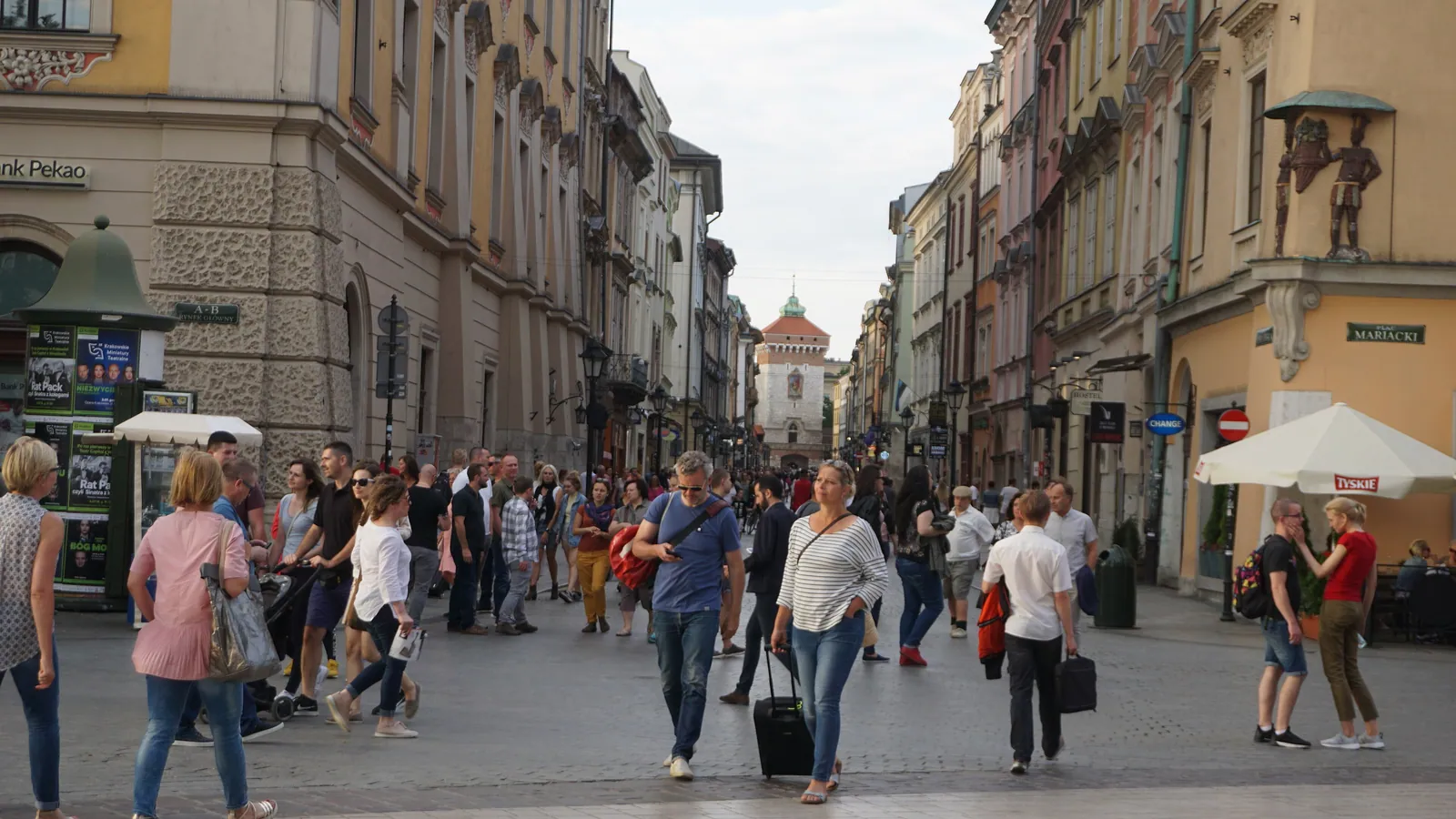
Walking distance is what an apartment here buys: the square, Wawel, the trams and the station are all inside a flat ten to fifteen minutes, so a tired child can be taken back to the flat in the middle of the afternoon and the day restarted in the evening. A kitchen also removes the breakfast queue, which in this city is a real one.
- Kitchen and washing machine
- Everything in the old town on foot
- Two-bedroom layouts common in converted tenements
- Tram stops and the main station within reach on foot
Fitting a family in
Two-bedroom apartments in nineteenth-century tenement conversions sleep four to five without a rollaway, often with high ceilings and irregular layouts. The stated maximum occupancy is worth confirming rather than assuming a sofa bed counts.
Watch out. Many tenements have no lift or a very small one, which matters with a pushchair and a suitcase on a third floor. A handful of streets near the square carry stag-party and bar noise well past midnight, so a courtyard-facing room is worth asking for specifically.
Check hotel prices — opens Klook in a new tab (affiliate link)Live availability for your dates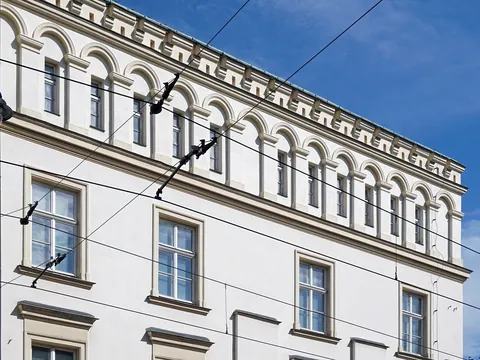 KazimierzBudget
Apartment in Kazimierz
Kazimierz gives a family more space for less money fifteen minutes' walk from the square, and it is where the everyday eating is — food halls, bakeries and milk bars rather than square-side menus. The small squares and playgrounds also mean there is somewhere to send children between sights.
- Noticeably cheaper than the old town for the same size
- Kitchen and washing machine
- Food halls, bakeries and markets rather than tourist restaurants
- Trams to Wawel, the square and the salt-mine line
Fitting a family in
Two-bedroom flats in converted townhouses and newer infill blocks are the norm and sleep four comfortably; the newer buildings are the ones with lifts.
Watch out. The blocks immediately around Plac Nowy are a dense bar district and loud on Friday and Saturday nights. The district is also cobbled throughout, and some converted buildings have steep interior stairs with no lift.
Check hotel prices — opens Klook in a new tab (affiliate link)Live availability for your dates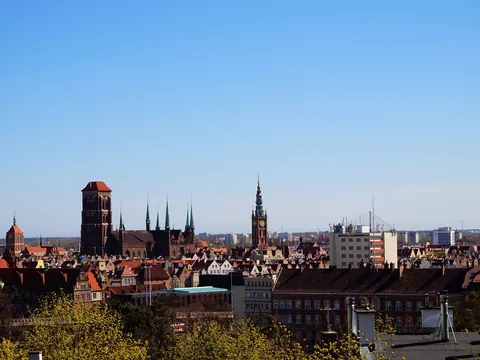 Główne MiastoMid-range
Apartment in the Main Town
A flat in the reconstructed core puts the museums, the waterfront and the commuter station within a few flat minutes, which is what a sightseeing-led stay needs, and the same train that reaches the station reaches the beach in a quarter of an hour. Kitchens matter more here than usual because the weather can turn an evening indoors.
- Kitchen and washing machine
- Museums and the waterfront on foot
- SKM commuter trains to Sopot and Gdynia from the nearby station
- Flat streets throughout the Main Town
Fitting a family in
Two-bedroom apartments in reconstructed merchant houses and newer infill blocks sleep four to five; layouts in the historic buildings are narrow and often split over two levels.
Watch out. Apartments above the restaurant streets are loud until late in summer, and the core has essentially no parking. The nearest swimming is a tram or train ride away, which is the trade against a beach-district base.
Check hotel prices — opens Klook in a new tab (affiliate link)Live availability for your dates SopotHigher-end
Family hotel or aparthotel near Sopot's beach
Sopot is where the sand, the pier and the restaurants are in one walkable strip, and the hotels here are the ones built for a seaside holiday rather than a city break — pools, family rooms and breakfast arrangements that assume small children. The commuter train also keeps Gdańsk's museums fifteen minutes away.
- Walking distance to the beach and the pier
- Indoor pools and spa facilities as weather insurance
- Family rooms and connecting doubles more common than in the cities
- SKM trains to Gdańsk and Gdynia at high frequency
Fitting a family in
Purpose-built seaside hotels carry genuine four-person rooms and connecting doubles, which are much harder to find in the city apartments; aparthotels here add kitchens.
Watch out. This is the most expensive base on the Polish coast and it is fullest in the Polish school holidays. The Monte Cassino strip is loud on summer weekends, and out of season a good share of the seafront businesses close, which leaves the town quiet in a way families do not always expect.
Check hotel prices — opens Klook in a new tab (affiliate link)Live availability for your dates- Powiśle & SolecMid-range
Apartment in Powiśle by the river
Powiśle solves Warsaw's main family problem, which is distance: the science centre, the river boulevards and the footbridge to the wild east bank are all walkable, and a metro station connects the rest of the city in minutes. The buildings are mostly modern, which in practice means lifts and rooms laid out for four.
- Copernicus and the Vistula boulevards on foot
- Metro station within walking distance
- Lifts and step-free access in modern blocks
- Kitchen and washing machine
Fitting a family in
Purpose-built two-bedroom flats sleep four to five with a real second bedroom, and many include a cot on request.
Watch out. The escarpment between the river and the old town is a genuine climb, so the pretty part of the city is uphill rather than level. Everyday shops and evening options are thinner here than in the centre.
Check hotel prices — opens Klook in a new tab (affiliate link)Live availability for your dates 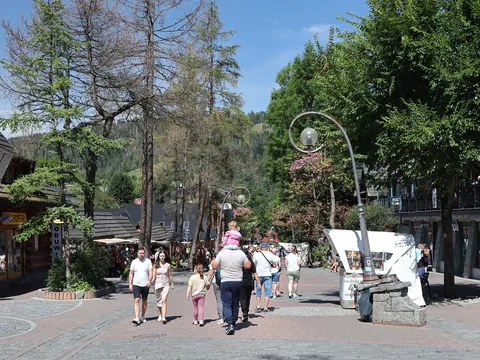 Krupówki & the centreMid-range
Pension or guesthouse near Krupówki
A pensjonat in the centre is the version of Zakopane that works without a car: the funicular, the restaurants and the bus station for the trailheads are all on foot, and this style of property routinely offers half board, which removes the nightly question of where four people are eating in a packed resort town.
- Funicular, main street and bus station on foot
- Half board widely available
- Family rooms and wooden chalet-style annexes
- Drying space for boots and wet gear
Fitting a family in
Family rooms sleeping four are standard in this property type, frequently as a double plus two singles in one room rather than two connected rooms, so the layout is worth checking before booking.
Watch out. The centre is the loudest and most crowded part of town through the season, and Krupówki carries evening noise. Parking is difficult and often charged separately, and older wooden buildings mean stairs rather than lifts.
Check hotel prices — opens Klook in a new tab (affiliate link)Live availability for your dates
Some links on this page are affiliate links. If you book through one, the price is the same for you and we may earn a commission. How this works.
Top family attractions in Poland
What each one costs, how long it takes, which ages it suits and whether you need to book ahead.
 Culture
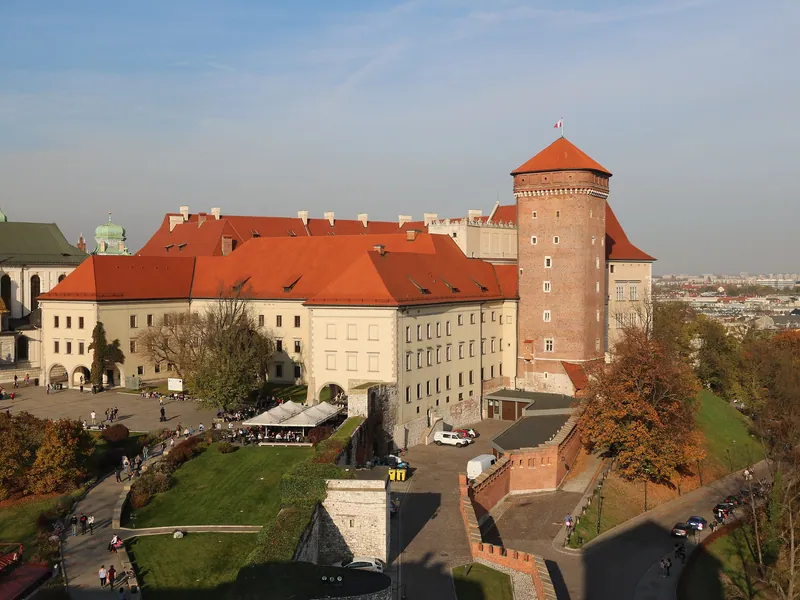
Wawel Hill and the Dragon's Den
Kraków
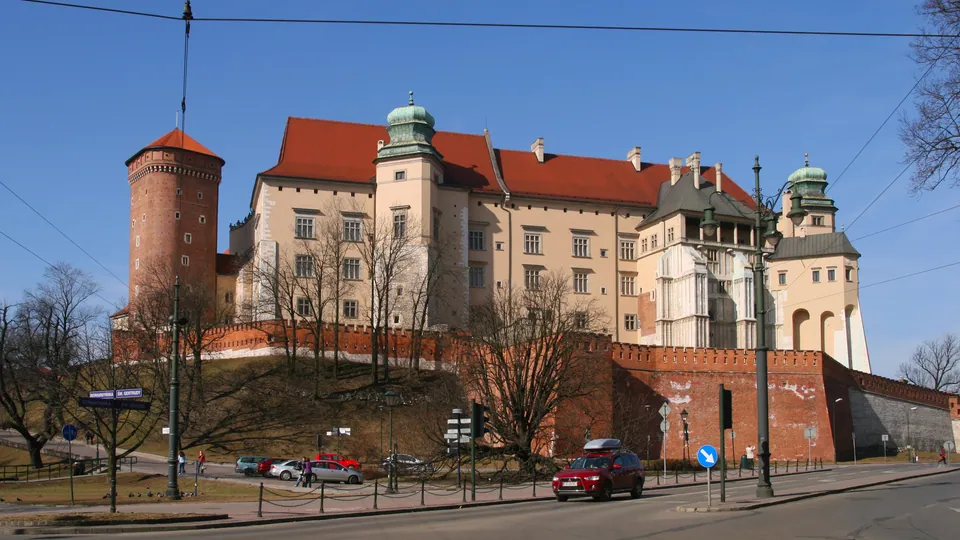
The royal castle and cathedral on the limestone rock above the Vistula, with a natural cave beneath it — the Dragon's Den — that visitors walk down through to emerge on the riverbank beside a bronze dragon that sends up bursts of flame. The hill, the courtyards and the dragon are the part children come for; the state rooms, treasury and cathedral are separate, quieter visits.
- Ages
- 3–16
- Time
- 2h
- Adult, from
- €10
Good to know. The hill and its courtyards are free to walk, but each interior route is ticketed separately and the popular ones are capped, so a family choosing on arrival may not get the one they wanted. The Dragon's Den is a one-way descent of roughly 135 steps on a tight spiral staircase, closed through the colder months, with no pushchair access and no way back up once started.
 MuseumBook ahead
Rynek Underground
Kraków
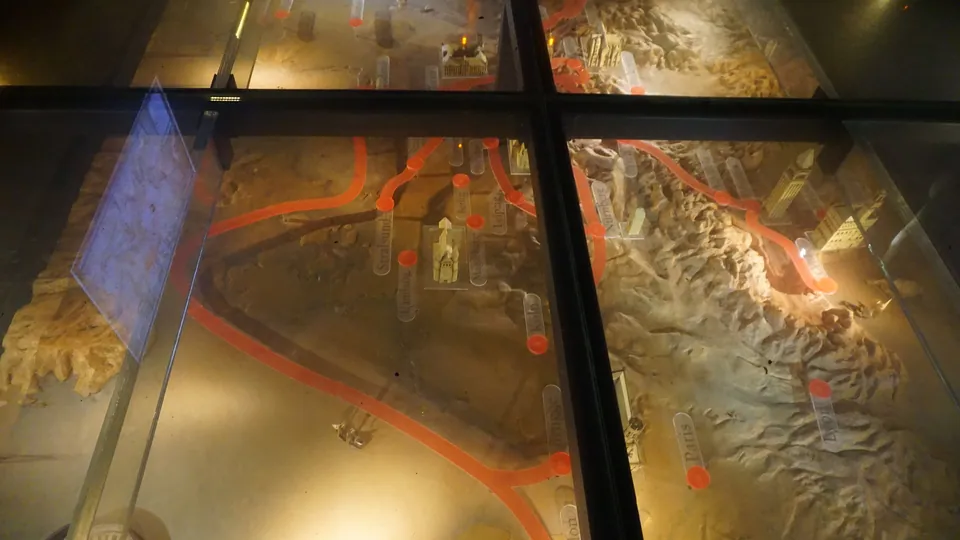
An excavated archaeological site four metres beneath the main market square, presented with projections, holograms and reconstructed medieval market stalls rather than glass cases. The format holds children far better than a conventional history museum, and it is directly under the square they have just been walking across.
- Ages
- 6–16
- Time
- 1h 30m
- Adult, from
- €9
Good to know. Entry is timed with a daily capacity cap and sells out in summer, so tickets are effectively a pre-booking rather than a walk-up. The route is entirely underground with low ceilings and narrow passages in places, there is no short way out once inside, and pushchairs are impractical.
 AdventureBook ahead
Wieliczka Salt Mine
Kraków
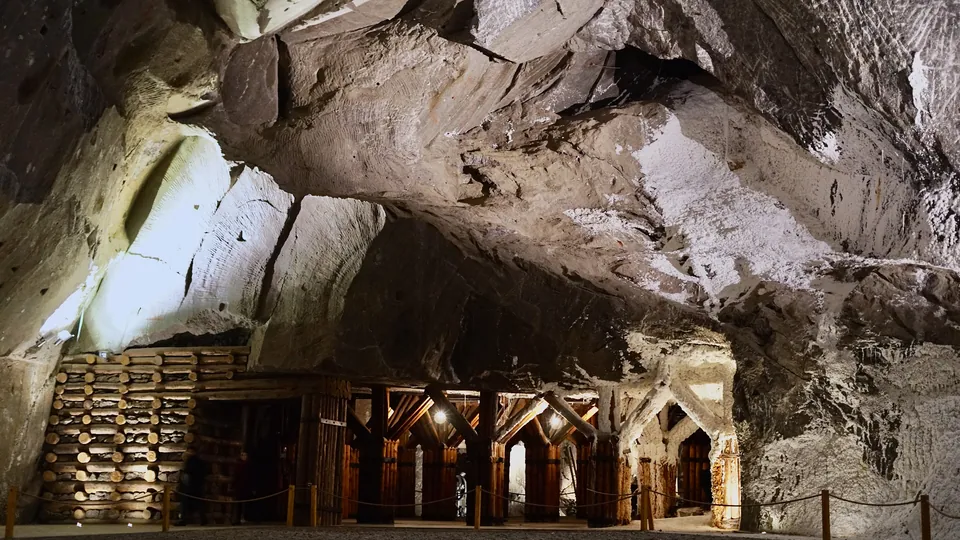
A working-historic salt mine on the edge of Kraków where the tourist route passes carved chambers, underground lakes and a chapel cut entirely from salt, 135 metres below the surface. Guided groups only, in a fixed direction, and it is reached from central Kraków by regional train or bus in about half an hour.
- Ages
- 5–16
- Time
- 3h
- Adult, from
- €30
Good to know. The tourist route starts with a descent of roughly 380 wooden steps — there is no lift down — and covers about three kilometres on uneven, sometimes damp floors before a small cage lift brings visitors back up. The air stays at a constant 14 to 17°C whatever the season, so a jumper is needed in August, and pushchairs cannot be taken in at all.
 City
Główne Miasto and the waterfront
Gdańsk
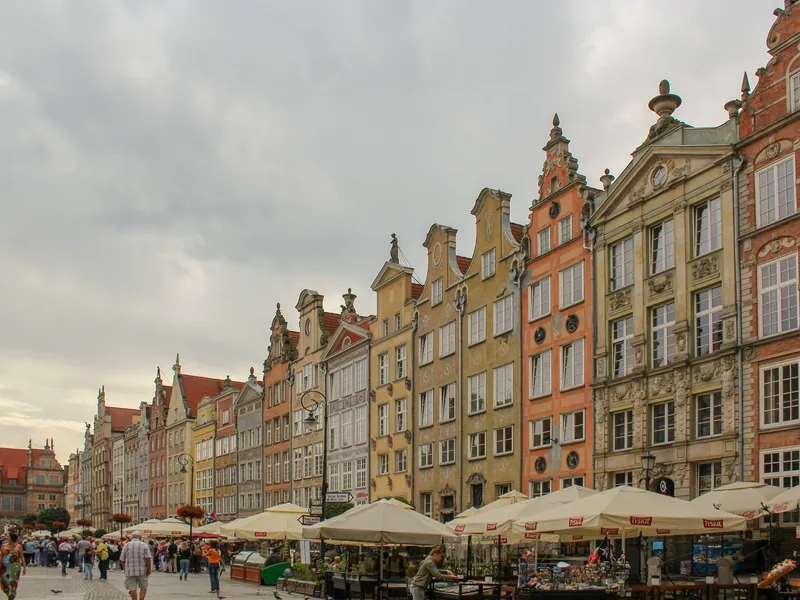
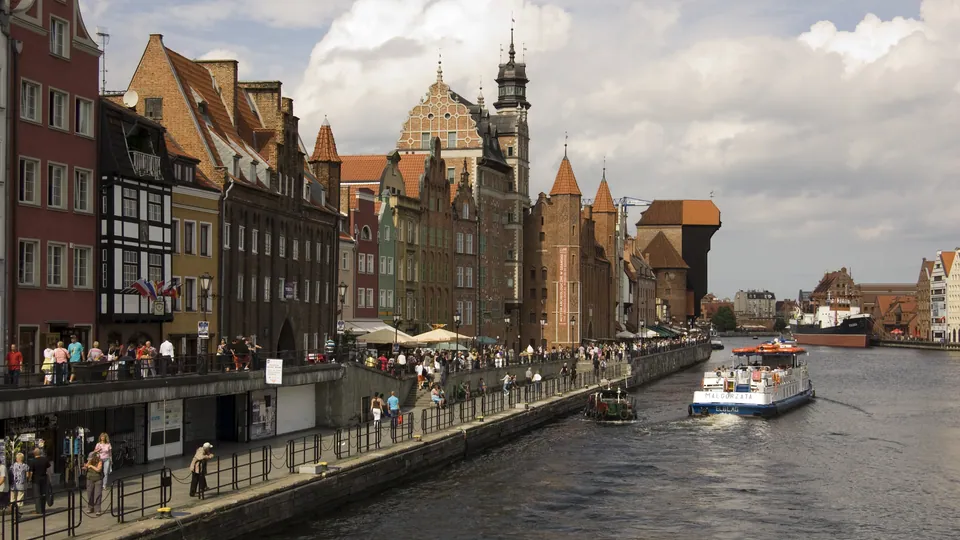
The reconstructed merchant core: the broad Długi Targ with the Neptune fountain, the gates at either end, the amber shops on Mariacka's stepped terraces, and the medieval port crane on the Motława waterfront. Free to walk, flat, and small enough to cover in a morning with breaks.
- Ages
- 3–16
- Time
- 2h 30m
- Adult, from
- Free
Good to know. Almost all of it is a post-1945 reconstruction, which is worth telling children before they are told by a plaque. The streets are cobbled and rattle a light pushchair, and the church and town-hall tower climbs are long stair-only ascents with no lift, which rules them out for small children.
 Water
Sopot beach and pier
Gdańsk
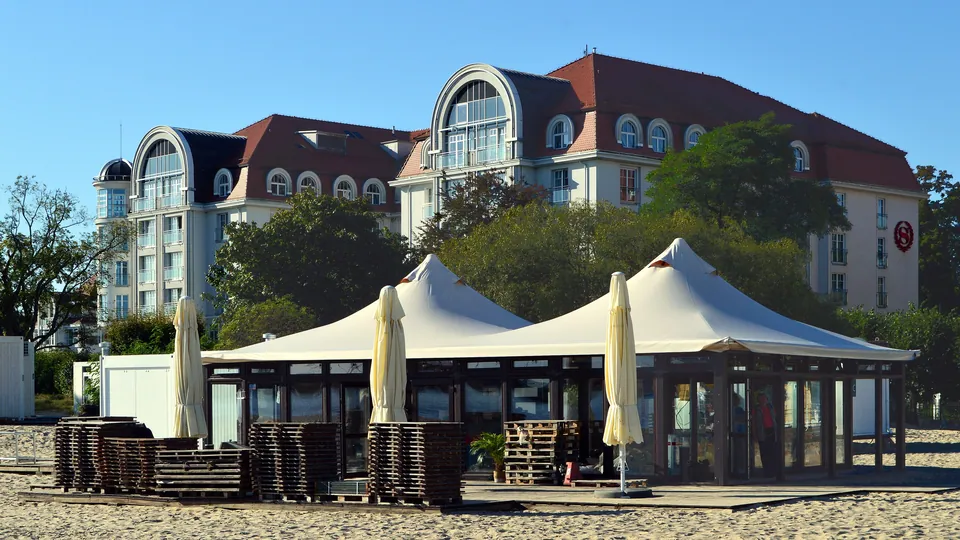
The best-known beach on the Polish coast: wide pale sand, a gentle shelf that keeps the water shallow a long way out, dune and pine behind it, and a long wooden pier running out into the bay. Fifteen minutes by commuter train from central Gdańsk, so it works as an afternoon rather than a separate base.
- Ages
- 0–16
- Time
- 3h 30m
- Adult, from
- Free
Good to know. The sea is cold — typically 18 to 20°C at the height of August, and several degrees lower after an offshore wind drives upwelling — so a wetsuit top buys a child considerably more time in the water. The pier is ticketed in the high season and is crowded at its landward end, and the beach itself is at its busiest in the Polish school holidays.
 MuseumBook ahead
Copernicus Science Centre
Warsaw
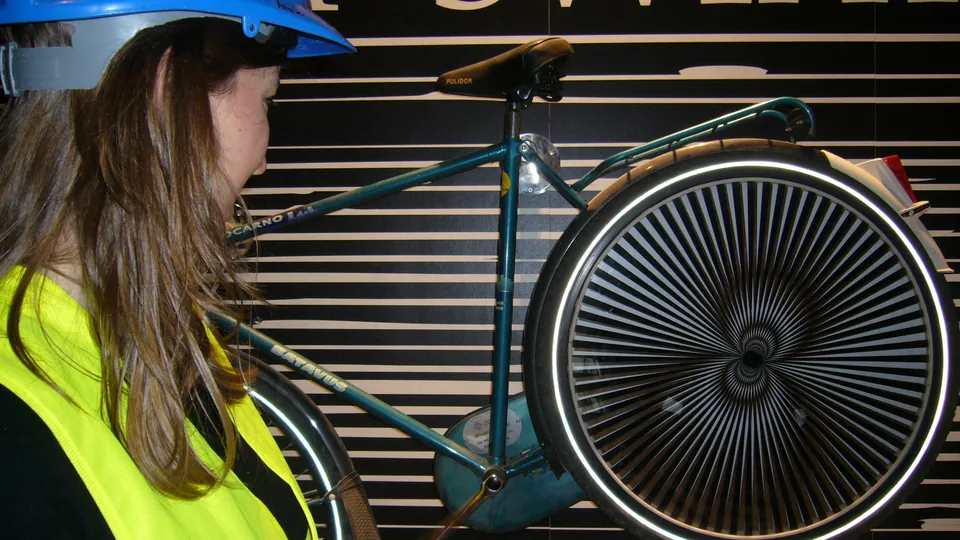
A hands-on science centre on the Vistula bank with several floors of working exhibits, a robotics theatre and a planetarium in a separate building alongside. Almost everything is designed to be pushed, pulled or built, which is why it holds children long past the point most museums lose them.
- Ages
- 6–16
- Time
- 3h 30m
- Adult, from
- €10
Good to know. Entry is timed with a daily cap, and weekend and school-holiday slots sell out well in advance — arriving without a ticket in high season usually means being turned away. It is genuinely loud and crowded inside, which is hard on sensory-sensitive children, and the planetarium is a separate ticket again.
 Culture
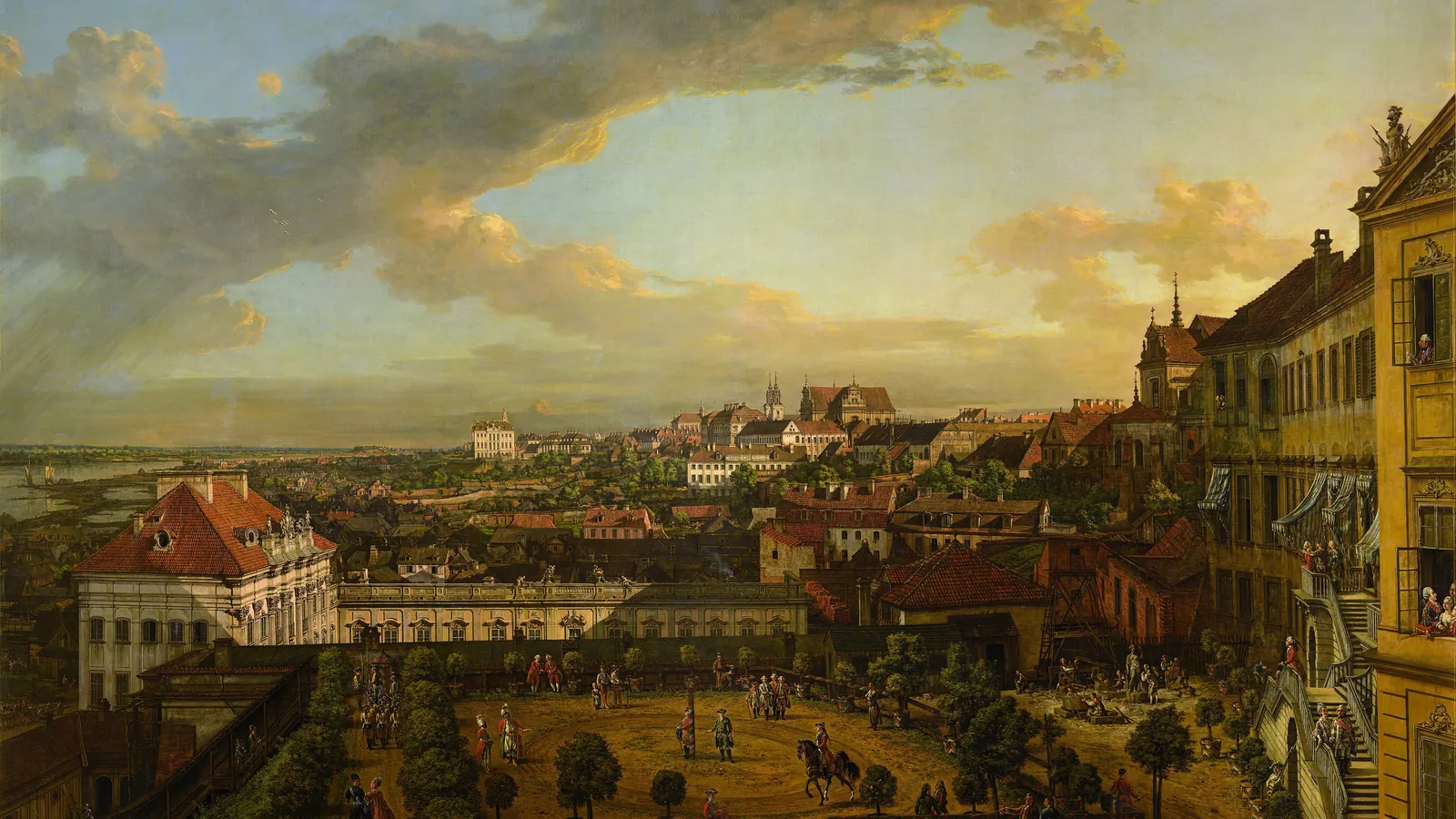
Old Town and the Royal Castle
Warsaw
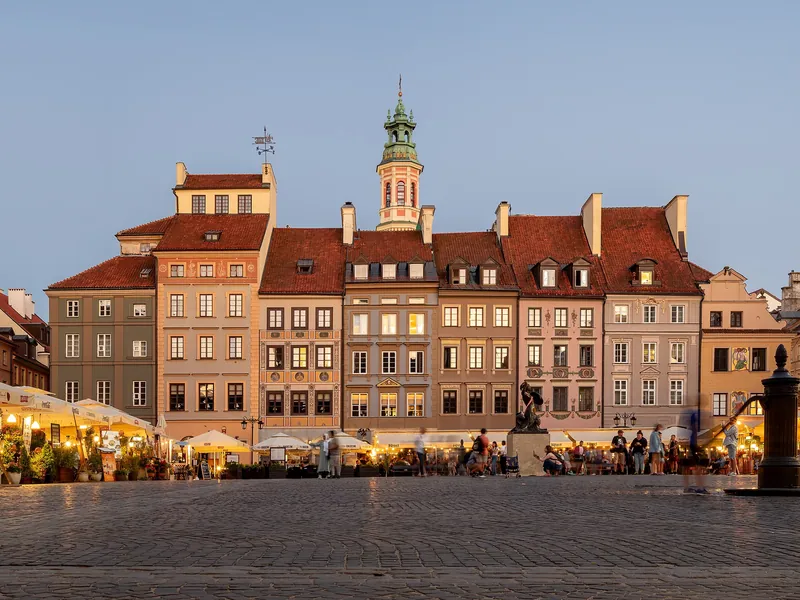
The reconstructed old town, rebuilt from pre-war surveys and paintings after the city's destruction in 1944 and UNESCO-listed for the reconstruction itself. The market square, the barbican and the castle on Castle Square are all free to walk between; the castle interiors are separately ticketed.
- Ages
- 5–16
- Time
- 2h
- Adult, from
- Free
Good to know. The castle interiors are a quiet, adult-paced visit through furnished state rooms, so a family with young children usually does better staying outside. The lanes are cobbled, and Castle Square is the single busiest point in the city on a summer evening.
 Nature
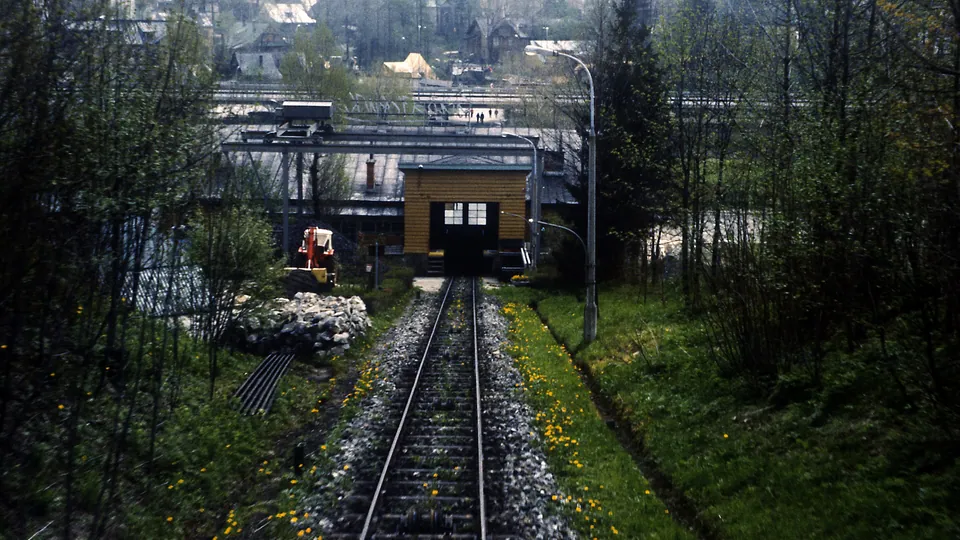
Gubałówka funicular
Zakopane
A short funicular from the edge of the town centre up to the Gubałówka ridge at around 1,120 metres, which faces the Tatras across the valley and gives the range's best full panorama without a climb. The top has grass slopes, food stalls and a summer slide, and the walk along the ridge is easy.
- Ages
- 2–16
- Time
- 2h
- Adult, from
- €8
Good to know. The queue at the bottom station is the real cost in high season and can run to an hour in the middle of a summer or winter day; early morning or late afternoon is a different experience entirely. The ridge top is an open grass slope with unfenced viewpoints, and the marked path back down on foot is steep, rooty and slippery when wet.
 Nature
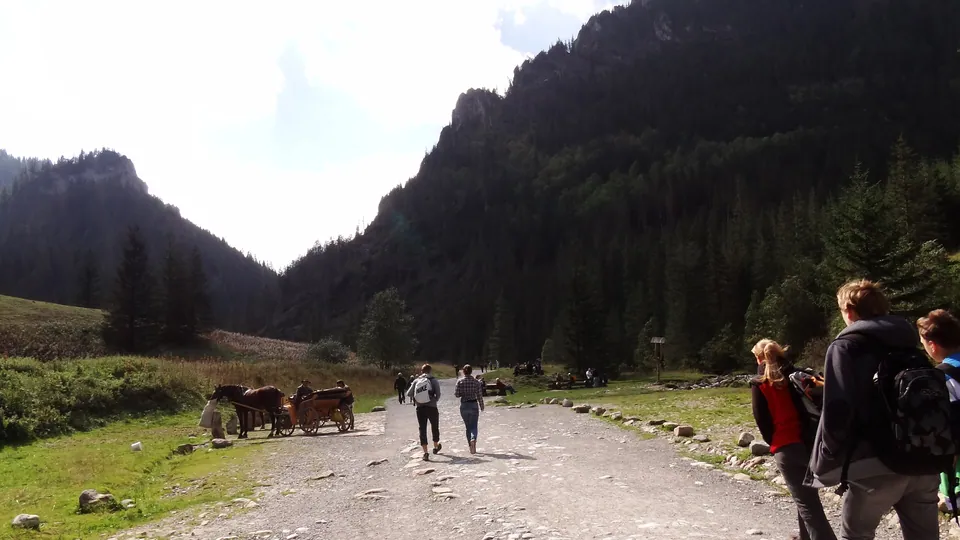
Dolina Kościeliska
Zakopane
A limestone valley west of Zakopane whose floor is a wide, hard-surfaced road climbing gently between cliffs and meadows to a mountain hut about seven kilometres in, with a show cave on a side path partway up. It is the Tatras at a gradient a family can actually walk, and horse-drawn carts cover part of the distance.
- Ages
- 3–16
- Time
- 4h
- Adult, from
- €4
Good to know. Tatra National Park charges a per-person entry fee at the Kiry gate, reduced for children and payable on arrival, and the car park there fills early on peak days. The valley floor is easy, but the Mroźna cave side path is a steep, wet, partly unlit scramble that is a different proposition from the walk in, and the hut is the only reliable food or toilet stop.
Some links on this page are affiliate links. If you book through one, the price is the same for you and we may earn a commission. How this works.
Getting around Poland
PKP Intercity express services — EIP, EIC and IC — link Warsaw, Kraków, Gdańsk, Wrocław and Poznań, with a compulsory seat reservation on the faster classes, which is what makes travelling as a group of four straightforward rather than a scramble for seats. The Warsaw–Kraków route runs on the purpose-built Central Rail Line and the Warsaw–Gdańsk route on a rebuilt corridor, so both are genuinely fast; regional trains elsewhere are slower and less predictable. Cities run trams, buses and, in Warsaw, two metro lines, all on time-based tickets bought from machines or an app. Zakopane is the exception to the rail argument: trains reach it from Kraków in around three hours, buses and minibuses are faster when the Zakopianka road is clear and much slower when it is not.
Do you need a rental car?
A little driving. Kraków, Warsaw and Gdańsk are better without a car — the old towns are pedestrian, city parking is paid and scarce, and the trains between them are faster than driving. A car earns its cost for the Tatras, where the trailheads, the thermal pools and the valley villages are spread across a rural road network with bus frequencies that collapse outside the season, and for touring the Masurian lakes or the Baltic spits.
What Poland costs with a family
Typical daily spend for a family of four, excluding flights. Accommodation, food, local transport and one paid activity a day.
€
€100
Budget · per day, family of four
€€
€180
Mid-range · per day, family of four
€€€
€320
Higher-end · per day, family of four
Planning estimates based on published prices at the time of writing, in shoulder season. Peak months, school holidays and city-centre accommodation all push the figure higher.
Food in Poland
Polish menus are unusually easy with children: pierogi come filled with potato and cheese, meat or fruit and are ordered by the portion, and naleśniki pancakes, kotlet schabowy, rosół broth with noodles and mountains of bread cover almost any fussy eater. Milk bars — bar mleczny, the surviving subsidised canteens — serve soup, dumplings and a main for a few euros, cash or card, with no table service and no pressure to linger. Two things catch families out: the main meal of the day, obiad, is traditionally eaten in the early afternoon, so kitchens are at their best around 14:00 and some smaller places wind down early in the evening; and vegetarians should check the soups, because clear broths and even some cabbage dishes are built on meat stock.
Practical tips for Poland
The things that are easy to get wrong and expensive to fix once you have arrived.
Money & costs
The currency is the złoty, not the euro
Poland is in the European Union but not the eurozone, so euro cash is a poor way to pay and any price quoted in euros carries a spread. Cards work almost everywhere, including trams, ticket machines and milk bars, and an exchange office a few streets off the main square gives a far better rate than one on it or at the airport.
Getting around
Book intercity seats rather than turning up
Seat reservations are compulsory on the fast EIP and EIC services and included in the fare, which means four seats together only exist if they were bought. Popular Friday and Sunday departures between the big cities do sell out, and the youngest children travel free while school-age fares are heavily reduced, so a family ticket is cheaper than the adult price suggests.
Food
Use milk bars for lunch
A bar mleczny serves soup, pierogi and a plate of something warm for a fraction of restaurant prices, in ten minutes, with no expectation that anyone sits still afterwards. Ordering is at a counter from a board that is usually Polish-only, so a translation app or a pointed finger does the job.
Packing
Pack for weather that changes within a day
This is a northern country with a continental climate: a July afternoon can reach the low thirties and the following morning can be sixteen degrees and raining. Layers, a waterproof each and one indoor option held in reserve for every day outdoors matter more here than sun protection, although both are needed.
Staying connected
Check whether roaming already covers it
Poland is in the EU, so EU and UK plans with roaming bundles generally work on arrival with nothing to arrange. An eSIM is worth buying in advance only for families travelling from outside that zone, where train times, ticket apps and trailhead maps would otherwise be an expensive lookup.
Some links on this page are affiliate links. If you book through one, the price is the same for you and we may earn a commission. How this works.
Poland with kids: common questions
Is Poland good value for a family?
It is the strongest value of any large EU country. Restaurant meals, museum entry, city transport and accommodation all sit well below western European levels, and the gap is widest on the things families buy most of — a second room, three meals a day and tickets for four.
Do you need a car in Poland?
Not for the cities. Kraków, Warsaw and Gdańsk are connected by fast trains and served internally by trams and metro, and a car parked in any of them costs money daily and gets used on none of those days. The Tatras are the opposite case: a car there reaches trailheads, thermal pools and valley villages that buses serve thinly.
Is the Baltic warm enough for children to swim?
In July and August, usually — the sea commonly sits around 18 to 20°C, which children tolerate better than adults. It is genuinely cold outside those two months, and even in summer an offshore wind can trigger upwelling that drops the temperature several degrees within a day.
When is the best time to visit Poland with kids?
Late May to June and September. Days are long, the cities are comfortable to walk, and prices and crowds both sit below the domestic holiday peak. July and August bring the only swimmable sea and the busiest mountains of the year.
How long should a first family trip to Poland be?
Seven to twelve days. A week covers Kraków plus one other base at a workable pace. Ten to twelve allows Kraków, the Tatras and either Warsaw or the Baltic coast, with the long legs done by train rather than by road.
Is English widely spoken?
In the cities, yes — younger staff in hotels, restaurants and museums generally speak it well, and signage at the main sights is bilingual. It thins out quickly at rural bus stations, in mountain villages and among older staff, where a translation app is worth having offline.
Other destinations to compare
Every guide answers the same questions in the same order, so two countries take five minutes to compare rather than five evenings.
- Japan with Kids: Itineraries, Where to Stay & When to GoCulture, nature & adventure
- Italy with Kids: Itineraries, Where to Stay & When to GoMountains, lakes & cities
- Austria with Kids: Itineraries, Where to Stay & When to GoAlps, lakes & charming towns
- Cyprus with Kids: Itineraries, Where to Stay & When to GoSun, sea & family resorts