Skip to content

Lake District with Kids

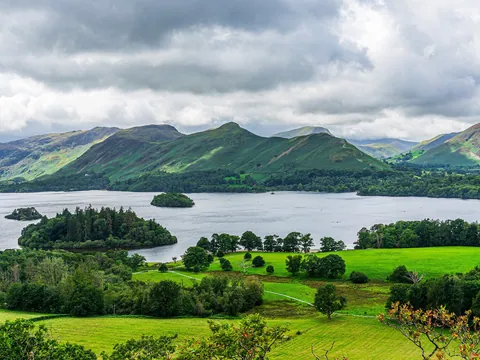
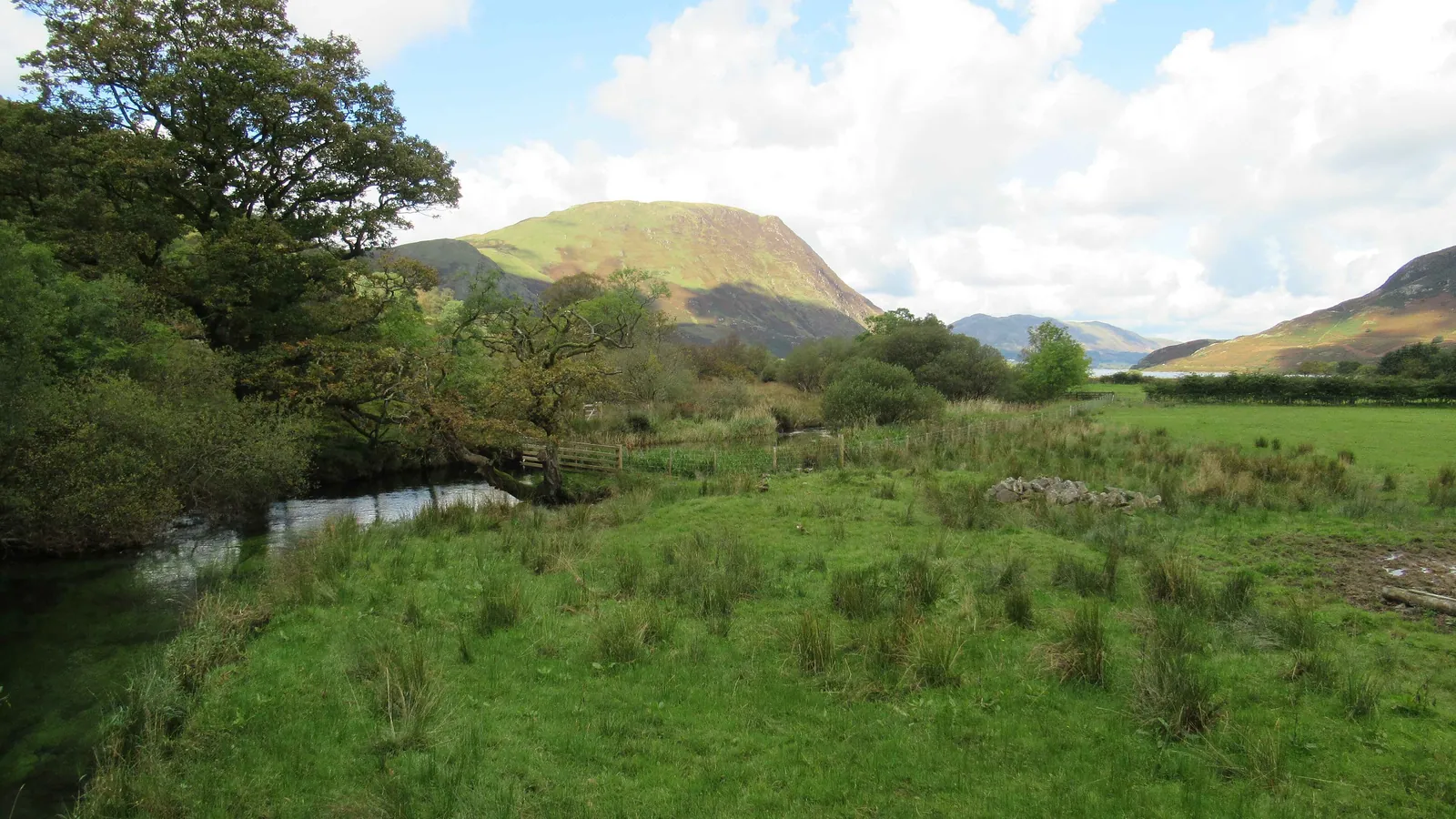
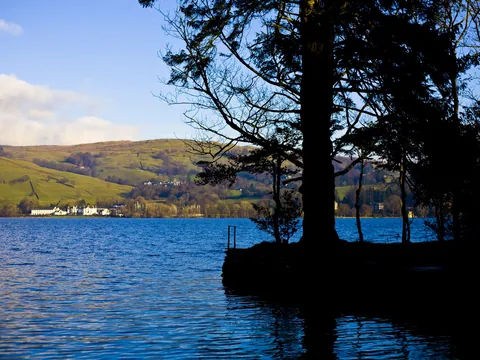
The Lake District is the most child-sized mountain landscape in Britain: fells such as Catbells top out around 450 metres, which puts a genuine summit within a two to three-hour round trip for a reasonably willing seven-year-old. Lake launches and steamers are the other half of the trick — buying a one-way boat ticket turns a walk children would refuse into half a walk with a boat at the end. Two constraints shape every day. It is the busiest national park in the country, and the popular trailhead car parks fill before 09:00 in school holidays. And it is one of the wettest corners of England, so a wet day is a normal day rather than bad luck, and the indoor alternative needs choosing before it rains.

Best for ages
3+
Suggested stay
4–6 days
Best months
Apr–Oct
Daily budget
€280

Mid-range, family of four

Why Lake District works with children

  • Fells children can genuinely summit

    Several of the best-known tops are under 500 metres with clear paths, so a child finishes on a real summit rather than at a viewpoint.

  • Boats turn a walk into a loop

    Launches on Windermere, Derwentwater and Ullswater let a family walk one way and sail back, which halves the distance and doubles the appeal.

  • The landscape itself is free

    Paths, lake shores and open fell cost nothing; the spend is parking, boat fares and the café at the end.

  • Scales up and down the age range

    Lakeshore paths and a slate mine tour for younger children, ridge walks, ghyll scrambling and canoeing for teenagers, from the same base.

Where to stay

Best areas in Lake District for families

3 areas cover most trips here; the difference is mainly first visits and car-free arrival versus quieter water and steamers.
  • Windermere & Bowness

    Best for first visits and car-free arrival

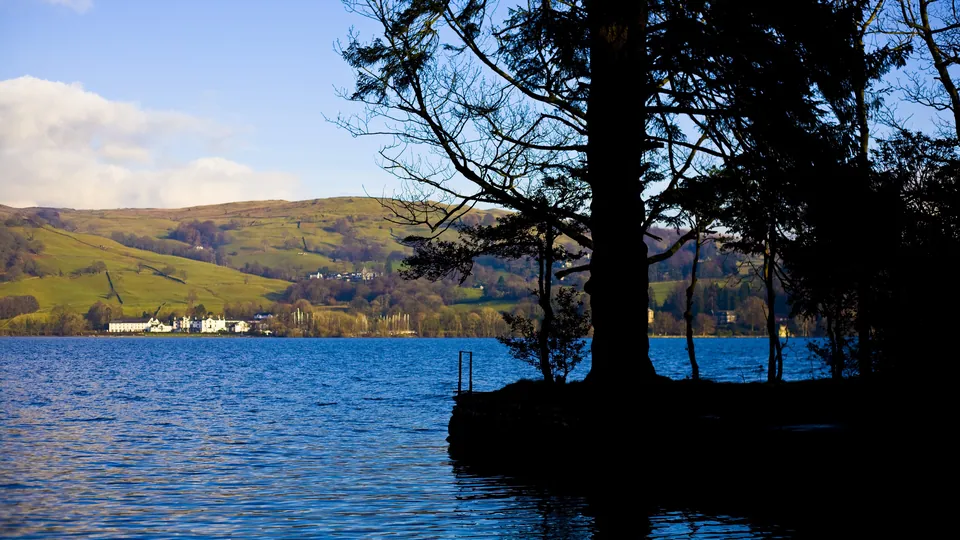
    The largest choice of family accommodation, the busiest boat piers, and a branch-line station from the west-coast mainline. It is also the most crowded and traffic-bound part of the park in August.

  • Keswick & Derwentwater

    Best for walking-led stays in the north

    A compact town where the launch pier, the shops and the paths are all walkable, with Catbells and Borrowdale on the doorstep. Quieter evenings than Bowness and a smaller range of indoor options.

  • Ullswater & Glenridding

    Best for quieter water and steamers

    Steamers link the villages along the lake, and the shoreline path is one of the few long walks that is genuinely flat. Very limited accommodation, and one narrow road serves the valley.

Family hotel picks in Lake District

  • Family rooms near Bowness pier
    Windermere / BownessMid-range

    Family rooms near Bowness pier

    Staying within walking distance of the pier means the boats, the shops and the evening meal all happen without getting back into the car, and it is the only base in the park where a full day of rain has indoor options on foot.

    • Launch and steamer piers within walking distance
    • Branch-line station from the west-coast mainline
    • Restaurants and shops that stay open later than the villages
    • Seasonal buses to the main valleys from the same streets

    Fitting a family in

    Family rooms and interconnecting pairs are more common here than elsewhere in the park, though many are in Victorian villas where the family room is on the top floor.

    Watch out. Bowness is the most crowded and traffic-bound spot in the national park in August, and parking is often one space per room or none at all. Victorian conversions rarely have a lift.

  • Self-catering cottage around Keswick
    Keswick / DerwentwaterMid-range

    Self-catering cottage around Keswick

    Keswick puts the launch pier, the shops and the start of the Catbells approach within walking distance, and a cottage with a boot room and a drying rack handles the wet gear that a walking-led week produces daily.

    • Kitchen, washing machine and space for wet kit
    • Walkable town with the launch pier at the lake shore
    • Borrowdale and the northern fells within 15 minutes
    • Cheaper evenings than eating out every night in Bowness

    Fitting a family in

    Two-bedroom cottages sleep four to five, often with a small second bedroom or a bunk room rather than two equal doubles.

    Watch out. Peak-season minimum stays of three to seven nights with fixed Friday or Saturday changeovers limit flexibility. Many cottages sit on narrow lanes with permit-only street parking, so confirm where the car goes before arriving with a full boot.

All family stays in United Kingdom

Some links on this page are affiliate links. If you book through one, the price is the same for you and we may earn a commission. How this works.

Things to do in Lake District with kids

  • Windermere launches and steamers
    Water

    Windermere launches and steamers

    Lake District

    Scheduled boats running the length of England's longest lake between Bowness, Ambleside and Lakeside, usable as transport, as a round trip, or as the return leg of a lakeshore walk.

    Ages
    0–16
    Time
    1h 30m
    Adult, from
    €18

    Good to know. The open top deck is exposed and cold even in July, and the enclosed saloon is where everyone goes when it rains. Bowness pier is the single busiest point in the national park in August, where waiting for the next sailing can take longer than the cruise.

  • Catbells
    Nature

    Catbells

    Lake District

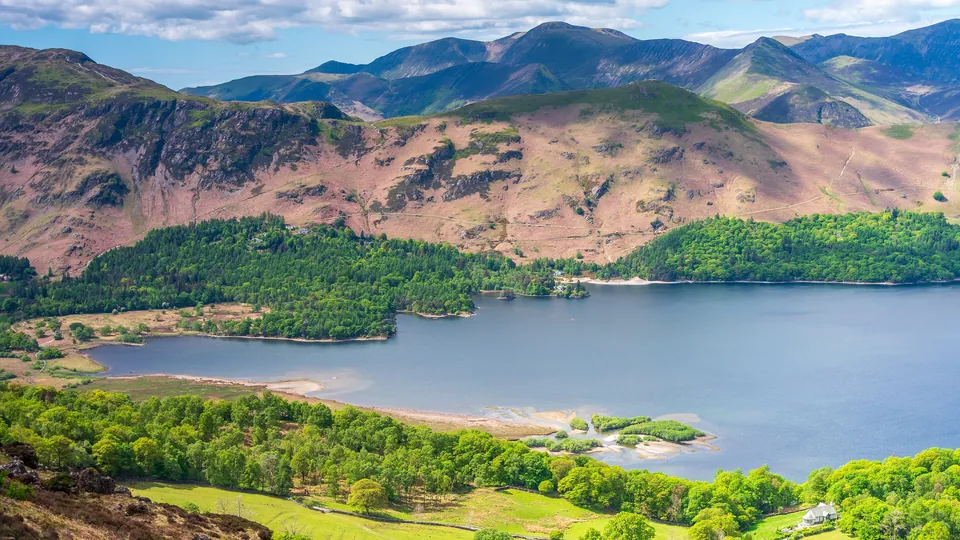
    A 451-metre fell above Derwentwater with a clear ridge path and a genuine summit, commonly approached by launch from Keswick and walked back along the lake shore.

    Ages
    7–17
    Time
    3h
    Adult, from
    Free

    Good to know. Two short rock steps near the start need hands as well as feet, and there is exposed ground with a steep drop on one side — manageable for confident children from around seven, unsuitable in strong wind or for a child in a back carrier. Roadside parking at the foot is minimal, which is why the launch is the practical approach.

  • Aira Force
    Nature

    Aira Force

    Lake District

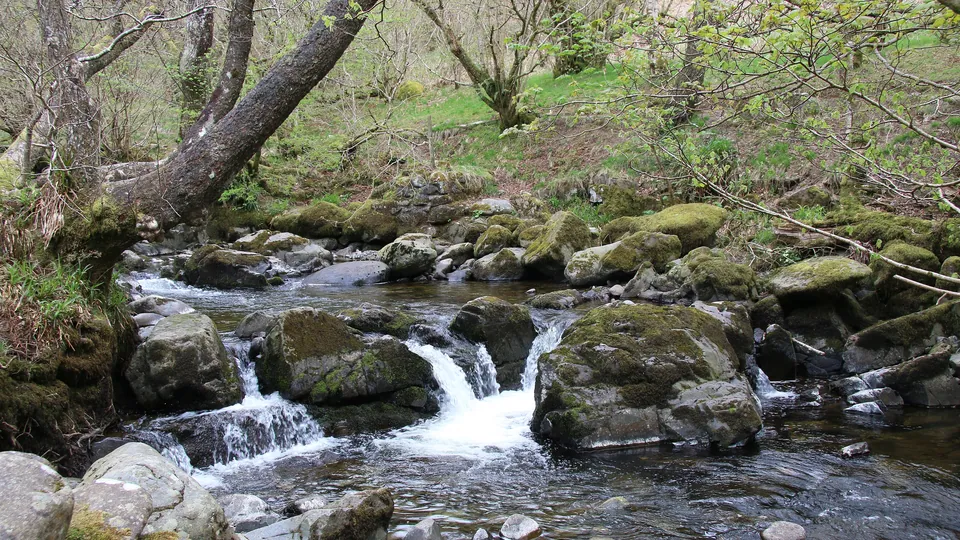
    A 20-metre waterfall in steep woodland above Ullswater, with stone viewing bridges above and below the fall and a circuit of about an hour.

    Ages
    3–16
    Time
    1h 15m
    Adult, from
    Free

    Good to know. The paths are stepped, rooty and slippery after rain, and the viewing bridges sit above long drops with low parapets. The car park is small, charges by the hour and fills by mid-morning in summer.

Some links on this page are affiliate links. If you book through one, the price is the same for you and we may earn a commission. How this works.

Getting around Lake District

The car-free route in is real: the branch line from Oxenholme on the west-coast mainline reaches Windermere, where the boats start. Within the park, seasonal bus routes run along the main valleys and are designed so a family can walk one way and ride back. With a car, the rule is arrival time rather than route — the National Trust and park car parks at popular walk-starts fill before 09:00 in the holidays, verges are ticketed, and several car parks are app-only in places with unreliable mobile signal.

Lake District tips for families

  • Getting around

    Be at the trailhead before 09:00, or take the boat

    The car parks at the popular walk-starts are small and full early in school holidays, and parking on the verge earns a ticket. Approaching by launch or seasonal bus removes the problem entirely and is often the nicer half of the day.

  • With kids

    Buy a single boat fare, walk one way

    A return walk that children will refuse becomes an easy outing when the way back is a boat. Launch piers on Windermere, Derwentwater and Ullswater all have lakeside paths running between them.

  • When to go

    Choose the wet-day option in advance

    This is among the wettest parts of England and a full day of rain in July is normal. Picking the pool, the aquarium, the mine tour or the museum before the weather decides prevents a morning of arguing in a car park.

  • Packing

    Boots matter more than waterproof trousers

    Fell paths are rocky, wet and loose underfoot, and trainers slide on wet slate. Grippy walking shoes for every child are the single piece of kit that decides which walks are possible.

Lake District with kids: common questions

Can young children actually climb the fells?
Some of them. Catbells and Loughrigg are two to three-hour round trips on clear paths and suit confident children from around seven. Under-fives are better served by lakeshore paths, waterfalls and the boats.
Do you need a car in the Lake District?
Not necessarily. Windermere has a rail connection, and launches plus seasonal buses cover the main valleys. A car widens the choice of walks considerably, but only if it arrives at the car park early.
How many days do you need?
Four to six. That allows two walking days, a boat day, a town day and the one day that will be washed out.
When is the Lake District too busy?
Late July and August, plus bank-holiday weekends, when the main villages and the popular car parks reach capacity by mid-morning. May, June and late September are far calmer with similar daylight.
What is there to do when it rains?
Plenty, but it needs planning: an aquarium, a slate mine tour, indoor pools, museums in the larger towns and a steam railway. None of them absorb a whole week, which is why the forecast should shape which days go on the fells.