Skip to content

Lofoten with Kids

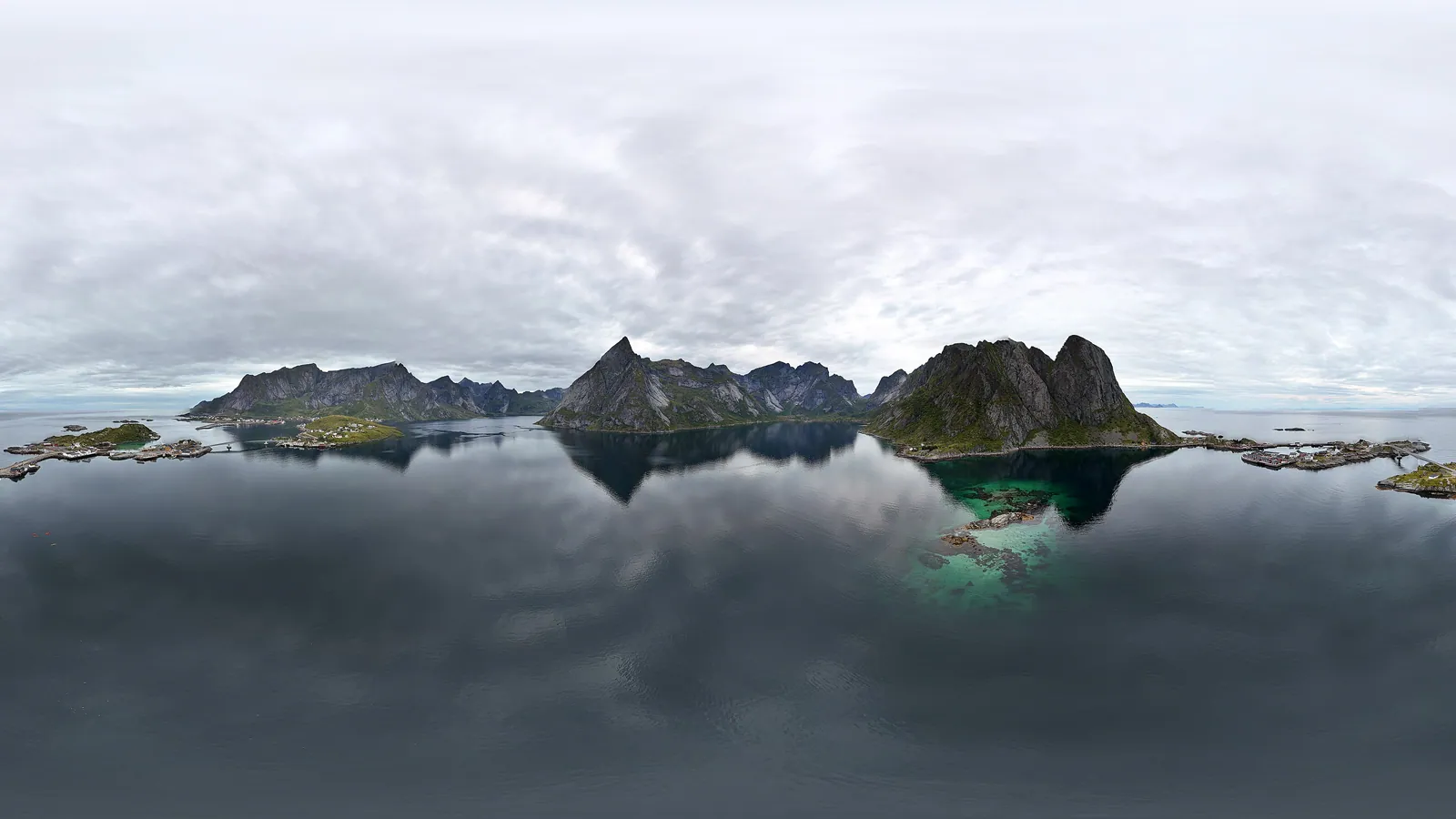
Lofoten is a chain of islands above the Arctic Circle where granite peaks rise straight out of the sea and the villages are clusters of red timber cabins on stilts over the water. One road, the E10, threads the whole chain on bridges and through tunnels, so the scenery arrives through the windscreen rather than after a climb — which is what makes it workable with children at all. Two things need saying plainly: the beaches look tropical and sit at around ten degrees, and the days are long drives in weather that changes hourly. In midsummer the sun does not set, and in midwinter it does not rise.

Best for ages
5+
Suggested stay
4–7 days
Best months
Jun–Sep
Daily budget
€290

Mid-range, family of four

Why Lofoten works with children

  • Mountains straight out of the sea

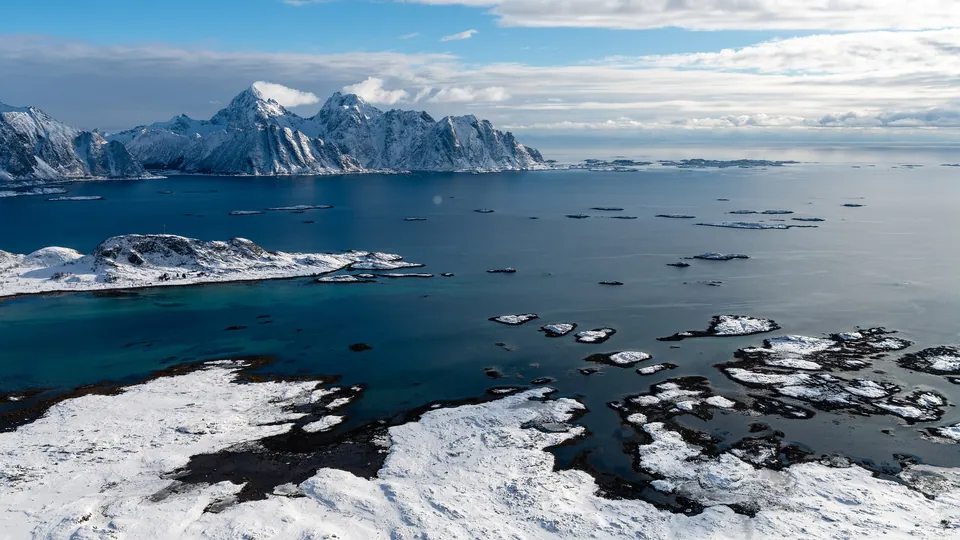
    Peaks of six and seven hundred metres rise directly from the shoreline, visible from the road.

  • White-sand beaches to look at, not swim in

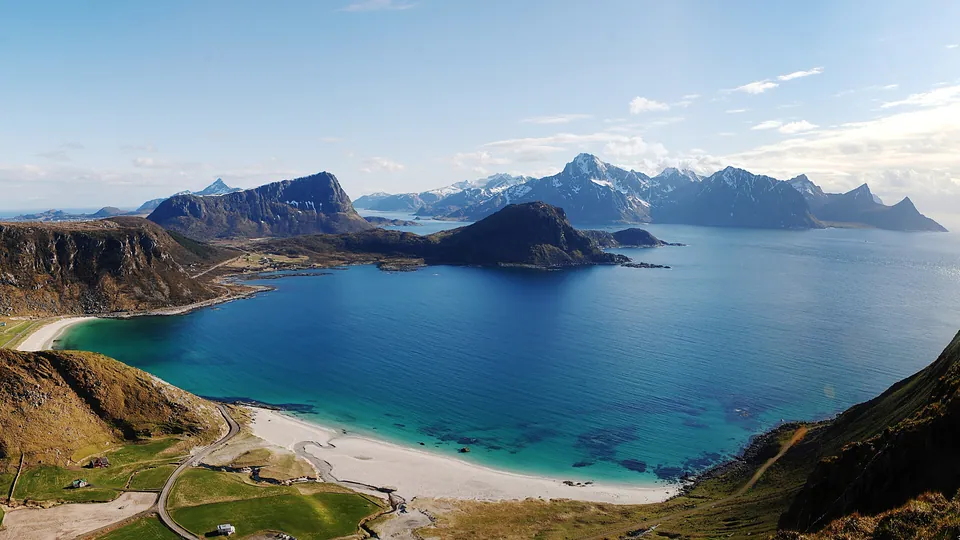
    Haukland and Uttakleiv are genuinely Caribbean-looking and genuinely about ten degrees.

  • A full-size Viking longhouse

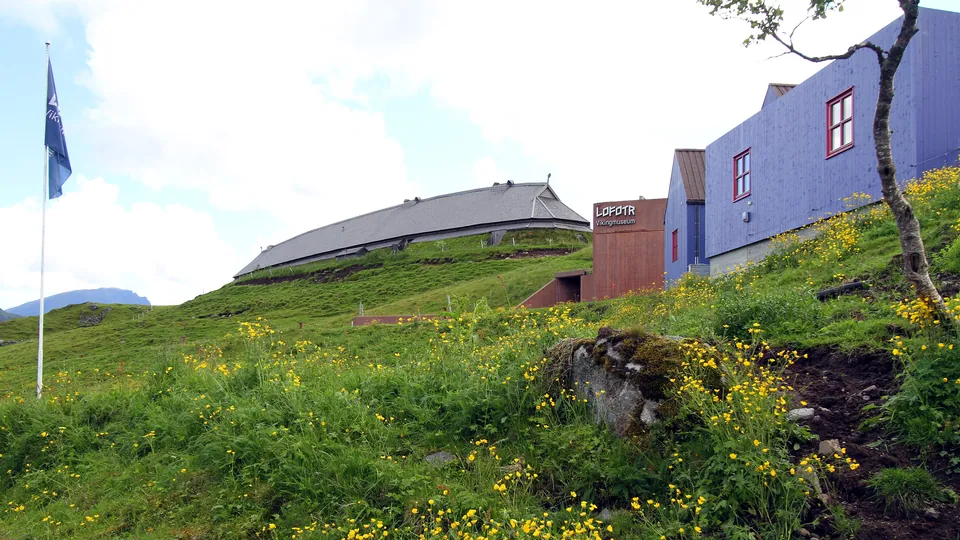
    The reconstructed chieftain's hall at Borg sits on the site it was excavated from, with a rowable replica ship.

  • Midnight sun, and its opposite

    The sun stays up from late May to mid-July and stays down from early December to early January.

Where to stay

Best areas in Lofoten for families

3 areas cover most trips here; the difference is mainly arriving and boat trips versus the photographed villages.
  • Svolvær & Kabelvåg

    Best for arriving and boat trips

    The eastern end and the largest town: an airport, the Trollfjord boats and most of the restaurants.

  • Leknes & Vestvågøya

    Best for cutting the daily drive

    The middle of the chain, closest to the beaches and the Viking museum, with supermarkets and fuel.

  • Reine, Hamnøy & Å

    Best for the photographed villages

    The western tip, where the rorbu clusters and the postcard views are, and where everything else is furthest away.

Family hotel picks in Lofoten

  • Lofoten — rorbu cabins over the water
    Reine / Hamnøy / SvolværMid-range

    Lofoten — rorbu cabins over the water

    Converted fishermen's cabins sit on stilts at the water's edge, take a whole family in one booking and include a kitchen, which is what keeps the food bill survivable this far north.

    • Kitchen, in a region with few restaurants and short seasons
    • Whole family in one unit rather than two rooms
    • Drying space or a drying room for soaked outdoor clothes

    Fitting a family in

    Most rorbuer sleep four to six across two bedrooms plus a sofa bed; the smaller ones take only two, so check the layout rather than the headline capacity.

    Watch out. Older cabins often have steep ladder-like stairs to a sleeping loft, and the decking runs straight to deep unfenced water — worth asking about with toddlers. Summer dates book out many months ahead.

  • Lofoten — mid-island apartments and guesthouses
    Leknes / VestvågøyaMid-range

    Lofoten — mid-island apartments and guesthouses

    Basing in the middle of the chain roughly halves every day's driving: the beaches, the Viking longhouse and the western villages are all inside an hour instead of two.

    • Shortest drives to the beaches and to Borg
    • Supermarkets, fuel and a pharmacy in the same town
    • Noticeably cheaper than the photographed villages

    Fitting a family in

    Two-bedroom apartments and guesthouse family rooms are the standard options, and several sleep five.

    Watch out. Leknes is a working service town rather than a scenic one, and evening food is limited — a kitchen here is a requirement rather than a bonus.

All family stays in Norway

Some links on this page are affiliate links. If you book through one, the price is the same for you and we may earn a commission. How this works.

Things to do in Lofoten with kids

  • Lofotr Viking Museum, Borg
    Museum

    Lofotr Viking Museum, Borg

    Lofoten

    A full-size reconstruction of the largest Viking-age longhouse ever excavated, built on the site of the find, with a smithy, craft demonstrations, costumed staff and a replica ship that visitors can row.

    Ages
    4–16
    Time
    3h
    Adult, from
    €22

    Good to know. Much of the site is outdoors on an exposed hilltop and the walk down to the boathouse is over open grass, so wind and rain make a real difference. The rowing and craft sessions run seasonally rather than all year.

  • Haukland & Uttakleiv beaches
    Nature

    Haukland & Uttakleiv beaches

    Lofoten

    Two white-sand bays on the west coast of Vestvågøya, ten minutes apart by road and linked by a marked coastal path over the headland between them.

    Ages
    0–17
    Time
    3h
    Adult, from
    Free

    Good to know. The water sits at roughly ten to twelve degrees even in August — paddling, not swimming — and there are no lifeguards. Both car parks are small, charge a fee and fill by late morning in summer; the path between the beaches climbs and is exposed to the wind.

  • Henningsvær
    City

    Henningsvær

    Lofoten

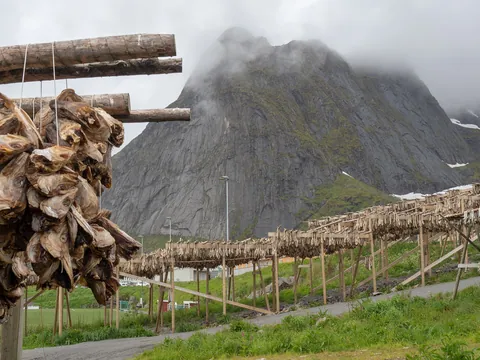
    A fishing village spread over several small islands joined by bridges, with cod drying racks, galleries and cafés, and a football pitch laid out on the bare rock at the edge of the sea.

    Ages
    3–17
    Time
    2h 30m
    Adult, from
    Free

    Good to know. The road in is narrow and the village has almost no parking, so in summer the workable approach is to leave the car at the edge and walk. There are unfenced quaysides and deep water throughout — a hand-holding place with small children.

Some links on this page are affiliate links. If you book through one, the price is the same for you and we may earn a commission. How this works.

Getting around Lofoten

A car is effectively required — buses exist but run a few times a day and will not fit a family's plans. The E10 is the only through road and is two lanes with slow stretches and tunnels; side roads to the beaches are narrow with passing places. Getting there means flying to Svolvær or Leknes via Bodø, flying to Evenes and driving about three hours, or taking the Bodø–Moskenes car ferry, which takes cars and sells out in summer.

Lofoten tips for families

  • Getting around

    Book the hire car and the ferry months out

    The island car fleet is small and summer demand is not. Cars at Svolvær and Leknes, and vehicle space on the Bodø–Moskenes ferry, both sell out well before the dates themselves.

  • With kids

    Read the drives, not the map

    Svolvær to Å is about 130 km, which looks like ninety minutes and is closer to two and a half hours with summer traffic, tunnels and stops. Two moves a day is plenty.

  • Packing

    Waterproofs in July are not optional

    Weather here turns within an hour and wind off the sea is constant. Full waterproofs, warm layers and proper shoes for every child, plus somewhere to dry them overnight.

  • When to go

    The midnight sun ruins bedtimes

    From late May to mid-July it is broad daylight at midnight. Not all cabins have blackout blinds, so eye masks for children are worth the space in the bag.

Lofoten with kids: common questions

Can you swim at Lofoten's beaches?
Only briefly. Haukland and Uttakleiv look tropical but the water sits at roughly ten to twelve degrees even in August, so it is paddling, or a wetsuit. There are no lifeguards.
Do you need a car in Lofoten?
Yes, in practice. Buses are infrequent, the beaches and the Viking museum are off the main road, and most accommodation is outside the towns.
How many days are enough for Lofoten?
Four to six, split between two bases so no day is spent driving the whole chain. Adding days mainly buys insurance against bad weather, which is a reasonable thing to buy here.
Is Lofoten suitable for young children?
It suits confident walkers from about five better than toddlers. The drives are long, the weather is demanding, indoor options are few, and much of the appeal is scenery that older children appreciate and younger ones sleep through.