Skip to content

South Carolina

Charleston with Kids

Charleston occupies a flat peninsula between two rivers, and its historic core is small enough to cross on foot in half an hour — pastel houses turned side-on to catch the sea breeze, a waterfront park with a fountain children are allowed in, and beaches twenty minutes away in three directions. It is also the place where the largest share of enslaved Africans entered North America, something in the region of four in ten of all those brought to what became the United States, and the city has spent the last two decades making that central rather than peripheral: a museum stands on the wharf where they were landed, a plantation site on the near side of the river is interpreted from the perspective of the people enslaved there, and the former auction building downtown is a municipal museum. A visit that skips this is a visit to the architecture only. The practical trade-offs are heat and humidity that make June to September genuinely hard work with children, a hurricane season running from June to November, and a peninsula that floods at the highest tides.

Best for ages
6+
Suggested stay
3–5 days
Best months
Mar–May, Oct–Nov
Daily budget
€380

Mid-range, family of four

Why Charleston works with children

  • Flat and walkable end to end

    The historic peninsula is level, compact and gridded, which is rare among American cities and makes a pushchair viable everywhere except the cobbled blocks.

  • History told at the places it happened

    The museum at Gadsden's Wharf, the old auction building and the plantation site across the river all interpret slavery directly and on their own ground.

  • Three beaches within half an hour

    Folly, Sullivan's Island and Isle of Palms each sit fifteen to twenty-five minutes from downtown, with warm Atlantic water from late spring to October.

  • A boat is the only way to reach the fort

    Fort Sumter stands on an artificial island in the harbour, so the visit includes a half-hour crossing each way with the city in view.

  • Lowcountry cooking that children actually eat

    Shrimp and grits, fried chicken, hush puppies and biscuits are the local staples, and almost every restaurant keeps a plain option.

Where to stay

Best areas in Charleston for families

4 areas cover most trips here; the difference is mainly short stays focused on the historic core versus a beach-led week.
  • South of Broad and the Battery

    Best for short stays focused on the historic core

    The lower peninsula of large houses, the waterfront park and the seawall promenade. Beautiful, expensive, and almost entirely small historic inns rather than family hotels, which means stairs, no lift and no parking.

  • Upper King, Cannonborough and Elliotborough

    Best for apartment rentals and eating out

    The northern half of the peninsula, where most of the restaurants and the more affordable rentals are, still within twenty-five minutes' walk of the waterfront. Livelier and louder, particularly at weekends.

  • Mount Pleasant

    Best for space, parking and a pool

    Across the harbour bridge, a suburban town with family hotels, supermarkets, a waterfront park and the route to Sullivan's Island and Isle of Palms. Every downtown trip is a drive or a long bridge walk.

  • Isle of Palms and Folly Beach

    Best for a beach-led week

    Barrier-island towns twenty to twenty-five minutes out, with beach houses and condominiums. Isle of Palms has a county park with lifeguards and a car park; Folly is smaller, surf-oriented and has the tighter parking rules.

Family hotel picks in Charleston

  • Historic inn or guesthouse on the lower peninsula
    South of Broad / Harleston VillageHigher-end

    Historic inn or guesthouse on the lower peninsula

    Places a family in the walkable historic core, where the waterfront park, the seawall and the museums are all within fifteen minutes on flat ground and the car can stay in a garage for days at a time.

    • Flat walking to the waterfront park, the Battery and the museums
    • Courtyards and small pools at several properties
    • Breakfast usually included
    • No driving needed for the city portion of a trip

    Fitting a family in

    Converted historic houses mean irregular rooms: many sleep two or three, family-sized rooms exist but are a limited subset, and a connecting pair is often the realistic way to sleep five.

    Watch out. Historic buildings mean stairs, occasionally no lift, and rooms that vary enormously within the same property. Parking is almost never on site and is charged nightly at a garage. The lowest streets here flood on the highest tides, particularly in autumn, which can briefly close a road or a car park.

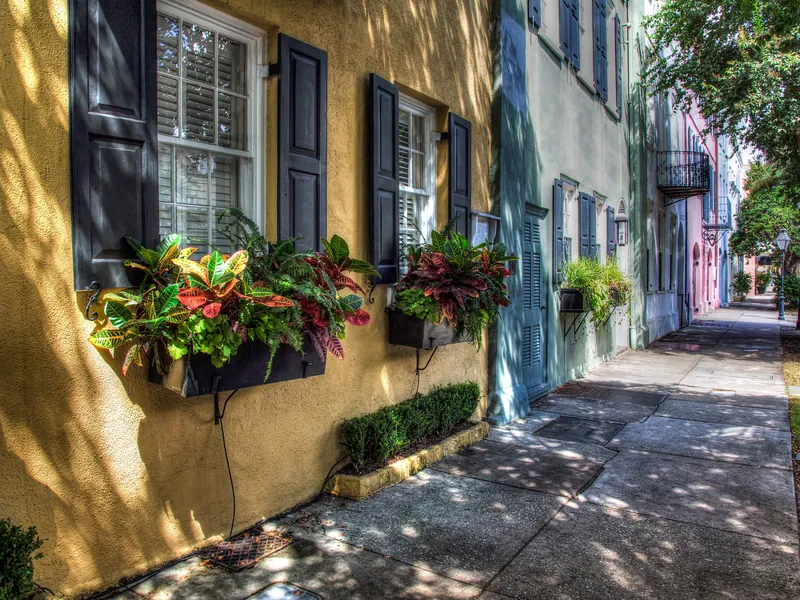
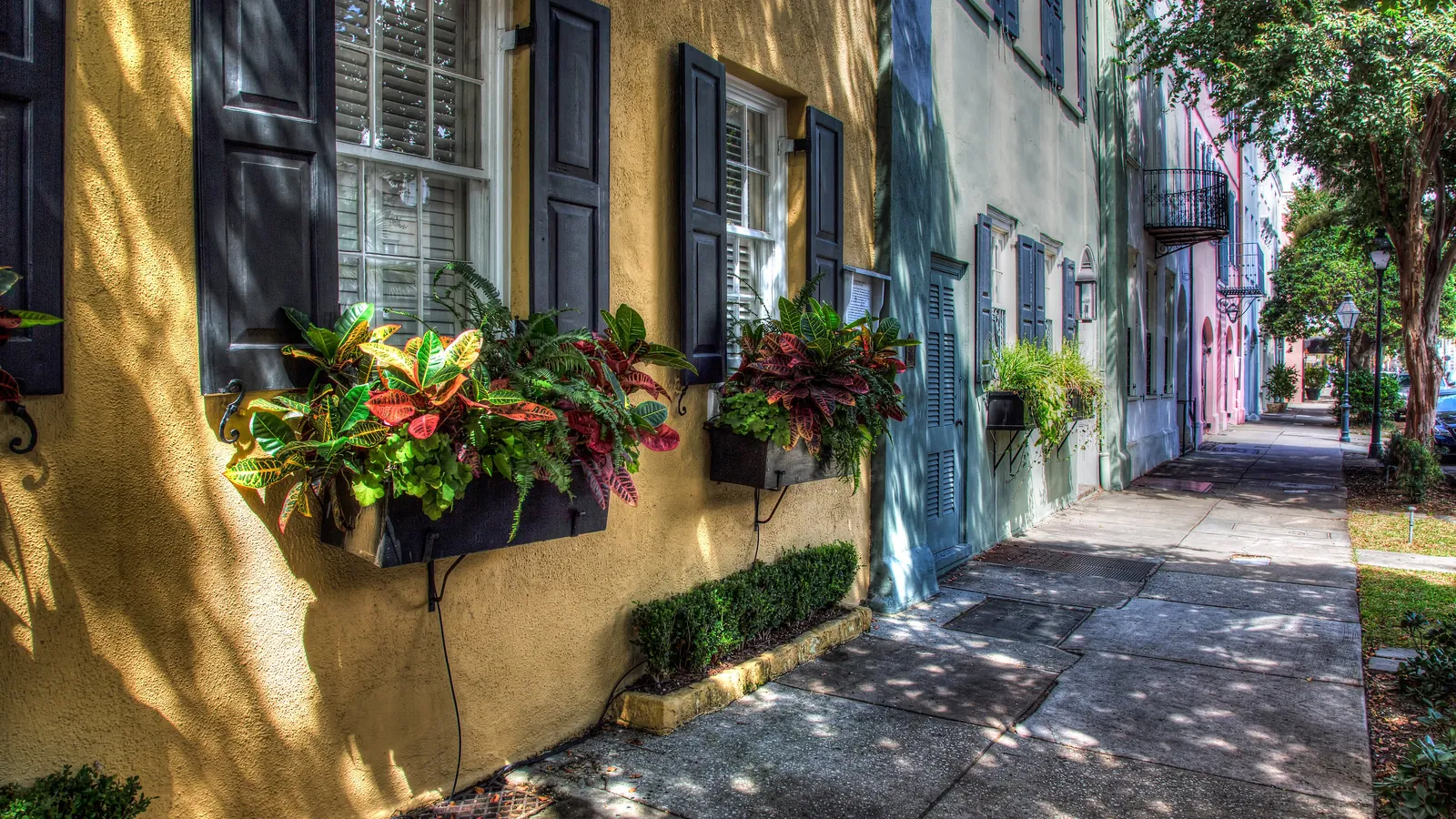
  • The row of pastel-painted Georgian townhouses known as Rainbow Row on East Bay Street in Charleston, South Carolina
    Cannonborough / ElliotboroughMid-range

    Apartment or carriage house off Upper King

    A kitchen and separate bedrooms in the part of the peninsula where most of the restaurants are, at well under lower-peninsula rates and still within walking distance of everything on foot.

    • Full kitchen and laundry
    • Restaurants and coffee shops within a few blocks
    • Often a parking space, which the lower peninsula rarely has
    • Twenty to twenty-five minutes' flat walk to the waterfront

    Fitting a family in

    One- and two-bedroom apartments and whole carriage houses sleeping four to six, frequently occupying one floor of a larger historic house.

    Watch out. Upper King is the city's nightlife strip and is loud late at weekends, so the specific block matters. Carriage houses are small, some are up an external stair, and older buildings in this area vary in how well the air conditioning copes with a Charleston August.

  • Beachfront condo with a pool on Isle of Palms
    Isle of Palms / Mount PleasantMid-range

    Beachfront condo with a pool on Isle of Palms

    Solves the beach-parking problem by putting the sand at the end of a boardwalk, and adds a kitchen and a pool for the afternoons when the heat makes the city unworkable with children.

    • Direct beach access without paying for a car park
    • Pool for the hottest part of the afternoon
    • Full kitchen and laundry
    • Supermarkets and family restaurants in Mount Pleasant nearby

    Fitting a family in

    Two- and three-bedroom condominiums sleeping six to eight, generally with a sofa bed in the living room.

    Watch out. Downtown is then a twenty-five-minute drive over a bridge into paid parking, which changes how many city days a family actually does. Summer lets often run weekly with a fixed changeover, rates peak sharply from June to August, and the island's own restaurant choice is thin outside the season.

All family stays in United States

Some links on this page are affiliate links. If you book through one, the price is the same for you and we may earn a commission. How this works.

Things to do in Charleston with kids

  • International African American Museum
    MuseumBook ahead

    International African American Museum

    Charleston

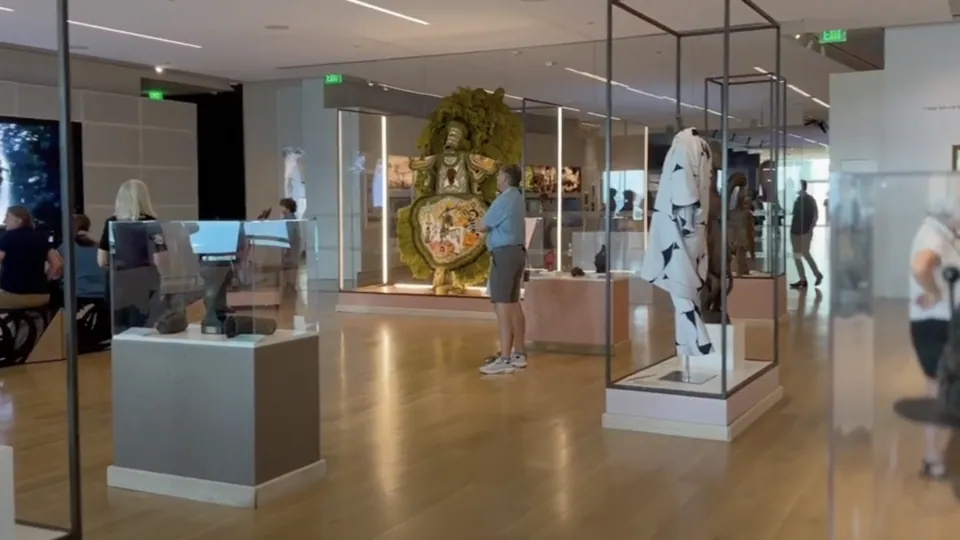
    A museum that opened in 2023 on Gadsden's Wharf, the dock where tens of thousands of enslaved Africans were landed, raised on pillars so the ground itself is left open beneath it. The galleries cover the transatlantic trade, life under slavery, resistance, the Gullah Geechee culture of the sea islands and the generations since, and a memorial garden occupies the wharf below.

    Ages
    9–17
    Time
    3h
    Adult, from
    €22

    Good to know. The museum publishes its own guidance on which galleries suit younger visitors and runs family-specific programming, and reading that before booking is more useful than guessing from an age. The material is unflinching in places. Tickets are timed and the building is fully step-free with lifts throughout.

  • Fort Sumter by ferry
    CultureBook ahead

    Fort Sumter by ferry

    Charleston

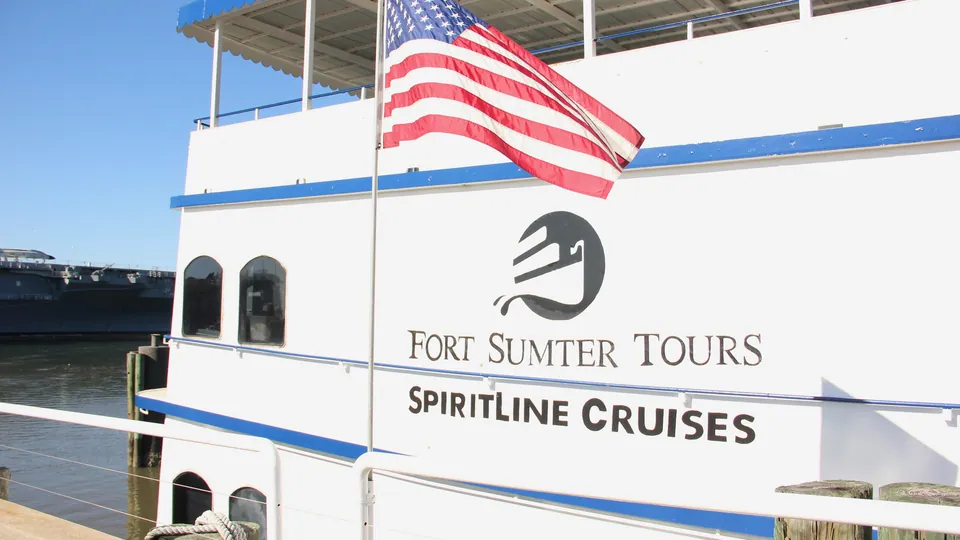
    The island fort at the mouth of Charleston harbour where the American Civil War began in April 1861, reached only by a concessioner ferry from downtown or from Mount Pleasant. The crossing takes about half an hour each way with the peninsula and the harbour in view, and visitors get roughly an hour on the island with a ranger talk and a small museum.

    Ages
    6–17
    Time
    3h
    Adult, from
    €35

    Good to know. The ferry is the only access and the schedule is limited, so it sells out in spring and summer and is cancelled outright in rough weather or thunderstorms. The hour on the island is fixed — the boat leaves whether or not a family is finished. The fort is brick and open sky with almost no shade, and the ferry's open upper deck is exposed in both sun and wind.

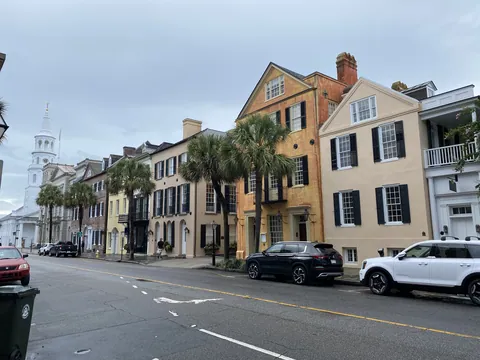
  • The row of pastel-painted Georgian townhouses known as Rainbow Row on East Bay Street in Charleston, South Carolina
    Culture

    McLeod Plantation Historic Site

    Charleston

    A former sea-island cotton plantation on James Island, ten minutes from downtown and run as a county historic site, interpreted from the perspective of the people enslaved there rather than the family who owned it. A row of original cabins survives along the approach, lived in by descendants of the enslaved community until the twentieth century.

    Ages
    9–17
    Time
    2h
    Adult, from
    €15

    Good to know. Guided tours are the substance of the visit and run at set times; the grounds can be walked without one but give far less. The interpretation is direct about violence, family separation and forced labour, and the site's own guidance on suitability is worth reading for children under about ten. The site is outdoors on open ground with heavy shade only under the oak avenue, which matters in summer.

  • Isle of Palms and Folly Beach
    Water

    Isle of Palms and Folly Beach

    Charleston

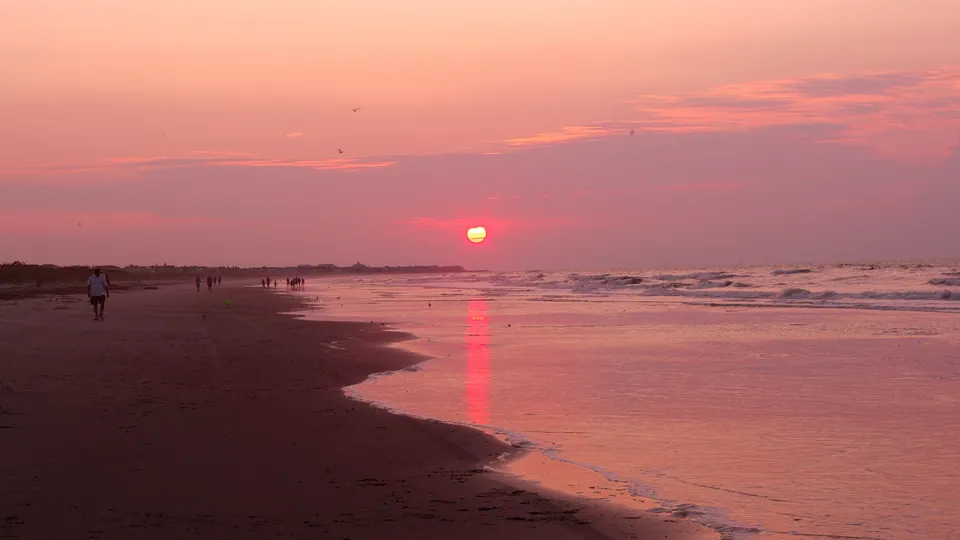
    Two barrier-island beaches fifteen to twenty-five minutes from the peninsula in opposite directions. Isle of Palms has a county park with its own car park, lifeguards in season and shallow water; Folly Beach is smaller, surf-oriented, with a fishing pier and a short strip of shops.

    Ages
    0–16
    Time
    5h
    Adult, from
    €10

    Good to know. Parking is the constraint rather than space on the sand: the island towns restrict kerbside parking to permit holders across wide residential zones and enforce it with fines. The county park charges per car and fills by the middle of the morning on summer weekends. Lifeguard coverage is seasonal and limited to marked stretches, and the Atlantic here has rip currents.

Some links on this page are affiliate links. If you book through one, the price is the same for you and we may earn a commission. How this works.

Getting around Charleston

The historic peninsula is walkable and that is how most families use it, with paid garages rather than street parking as the realistic way to leave a car — metered kerbside spaces downtown are scarce and actively enforced. A free downtown shuttle bus runs several loops, and the regional bus network reaches Mount Pleasant and the airport but is not built for sightseeing. A car is needed for the beaches, for the plantation sites and for anything across a bridge, so the common pattern is to walk the peninsula for a day or two and use the car only on the days that leave it. Horse-drawn carriage tours are licensed and heavily regulated, including a rule that suspends them when the temperature passes a set threshold, which is worth knowing if one is planned for a July afternoon.

Charleston tips for families

  • With kids

    Use the museums' own age guidance

    The International African American Museum and the plantation historic sites publish guidance on which galleries and tours suit which ages, and on how the harder material is presented. That guidance is a better basis for a decision than a guess from a website summary, and it also flags the family programmes and shorter routes that several of these sites run specifically for younger visitors.

  • When to go

    The fort is a ferry trip, not a stop

    The only public access is by the concessioner ferry, which crosses in about half an hour each way and allows roughly an hour on the island before it leaves again. Sailings are limited, sell out in the warmer months and are cancelled in bad weather, so it is booked ahead and built into the day as a half-day block rather than squeezed between other plans.

  • When to go

    Heat and high tides both shape the day

    From June to September the humidity makes midday walking genuinely difficult with children, and the workable rhythm is early morning outdoors, an air-conditioned museum in the afternoon. Separately, the lowest streets on the peninsula flood on the highest tides, particularly in autumn, which can close a road or a car park for an hour or two around the peak. Tide tables are public and worth a look before parking near the waterfront.

  • Getting around

    Beach parking is the limiting factor, not the sand

    The barrier islands restrict parking heavily, with residential permit zones, marked kerb rules and fines rather than tolerance. The county park on Isle of Palms is the straightforward option because it has its own car park and lifeguards; Folly and Sullivan's both require more care and both fill by mid-morning on a summer weekend.

Charleston with kids: common questions

How does Charleston deal with the history of slavery?
Directly, at several sites. Something close to four in ten of all enslaved Africans brought to what became the United States arrived through Charleston, and the International African American Museum stands on the wharf where many of them were landed. The Old Slave Mart Museum downtown occupies a former auction building, and McLeod Plantation across the Ashley River is interpreted from the perspective of the people enslaved there rather than the family who owned it.
What age is Charleston best for?
From about six for the city itself, and from roughly ten for the historical sites to land properly. The walking is flat and easy at any age, and a family with younger children can build the days around the waterfront park, the beaches and the harbour boat and keep the museums short.
Is Charleston too hot in summer?
It is hard work. July and August combine high temperatures with very high humidity, and a city visit built on walking becomes an early-morning and late-afternoon activity with the middle of the day spent indoors or at a beach. Spring and autumn are markedly better, and autumn carries the higher hurricane risk.
Do you need a car in Charleston?
Not for the peninsula, which is walkable with a free downtown shuttle. A car is needed for the beaches, the plantation sites and Mount Pleasant, so the usual approach is to park it in a garage for the downtown days and use it on the others.
How many days does Charleston need?
Three to five. Three covers the peninsula, the fort and one museum. Five allows a beach day, a plantation site and a slower pace, which the summer heat makes close to compulsory.

More of United States