Skip to content

Tennessee

Gatlinburg with Kids

Gatlinburg is a narrow strip of a town wedged into a river valley at the northern entrance to Great Smoky Mountains National Park, which takes more visitors each year than any other national park in the country. That position is the whole proposition: the park boundary is minutes from the end of the main street, and a flat riverside trail links the town to the park's main visitor center on foot. The town itself is unapologetically commercial — pancake houses, an aquarium, chairlifts, mini-golf and a mountaintop park reached by cable car — and Pigeon Forge, with its theme park and go-kart strip, begins a few miles further along the same road. The constraint to plan the whole stay around is traffic: the Parkway is effectively the only road, and on a summer Saturday or an October leaf weekend a four-mile trip through town can take the better part of an hour.

Best for ages
3+
Suggested stay
4–6 days
Best months
Apr–Jun, Sep–Oct
Daily budget
€310

Mid-range, family of four

Why Gatlinburg works with children

  • The most-visited national park in the country starts at the end of the street

    The boundary is minutes from downtown, and a level riverside trail runs from the edge of town to the Sugarlands visitor center without a car.

  • The park charges for parking, not for entry

    There is no entrance fee at any gate; instead a tag is required to leave a vehicle for more than a short stop, sold by the day, the week or the year.

  • A wet-afternoon plan already exists

    An aquarium, an indoor arcade strip and covered mountaintop attractions mean the rain the Smokies reliably produce does not end the day.

  • Trolleys instead of a second attempt at parking

    Gatlinburg runs trolley routes along the Parkway, through the hotel areas and out towards the park entrance, which regularly beats circling downtown for a space.

  • The high country runs several degrees colder

    Kuwohi, the park's high point, is often in cloud and needs a jacket on a day that is hot and still in the valley below.

Where to stay

Best areas in Gatlinburg for families

4 areas cover most trips here; the difference is mainly families who want to leave the car parked versus a quieter western approach.
  • Downtown Gatlinburg (the Parkway)

    Best for families who want to leave the car parked

    The aquarium, the chairlifts, the restaurants and the trolley stops sit on one street, and the level trail into the park starts at its southern end. It is also the loudest and most congested part of town, and hotel parking is often a paid lot rather than a space at the door.

  • The hills above town

    Best for cabin rentals with a view

    Wooden cabins with decks, hot tubs and games rooms on steep wooded lots five to fifteen minutes above the Parkway, around Ski Mountain and Baskins Creek. Private and quiet, and entirely dependent on a car down a narrow switchback road.

  • Pigeon Forge

    Best for theme parks, water parks and cheaper rooms

    Six miles north along the same highway: a wide commercial strip with the region's big theme park, a water park, dinner shows and the cheapest family rooms with pools. Everything is a drive, and every park day adds twenty to forty minutes each way.

  • Wears Valley & Townsend

    Best for a quieter western approach

    The back way into the park on the Tennessee side, with cabins, small shops and far less traffic, and the shortest run to Cades Cove. Restaurants are few and the nights are genuinely dark and silent, which suits some families and unsettles others.

Family hotel picks in Gatlinburg

  • Cabin rental in the hills above town
    Ski Mountain / Baskins CreekMid-range

    Cabin rental in the hills above town

    A cabin gives a family a kitchen, several bedrooms, a deck over the trees and usually a hot tub for less per night than two hotel rooms on the Parkway — and the extra space earns itself on a trip where afternoon rain sends everyone indoors.

    • Full kitchen, washing machine and an outdoor deck
    • Two to four bedrooms, so two families can share
    • Hot tub, and often a games room
    • Quiet at night, with the Parkway five to fifteen minutes below

    Fitting a family in

    Two- and three-bedroom cabins sleeping six to eight are the standard product; a one-bedroom with a loft takes four.

    Watch out. The access roads are steep, narrow and full of switchbacks, and some driveways are gravel at a gradient that unnerves drivers in an unfamiliar car; in winter they ice over and a two-wheel-drive car may not get up. Everything is a drive, cleaning fees are charged on top of the nightly rate, and bears visit the bins.

  • Hotel or motel on the Parkway in downtown Gatlinburg
    Downtown GatlinburgMid-range

    Hotel or motel on the Parkway in downtown Gatlinburg

    Being able to leave the car for a whole day is the main reason to stay here: restaurants, the aquarium, the chairlifts and the trolley stops are all on foot, and the level trail into the national park starts at the end of the street.

    • Restaurants and attractions within walking distance
    • Trolley routes along the same street
    • River-facing rooms with the sound of the water
    • Indoor pools at many properties

    Fitting a family in

    Two-queen rooms sleeping four are the norm; suites with a sofa bed and a kitchenette take five or six.

    Watch out. The Parkway is loud from early morning to late evening and rooms facing it get all of it, so a river-facing room is worth requesting. Parking is often a paid lot a short walk away rather than a space at the door, and rates on leaf-season and holiday weekends run to several times the midweek price.

  • Hotel with a pool complex in Pigeon Forge
    Pigeon ForgeBudget

    Hotel with a pool complex in Pigeon Forge

    Cheaper rooms, bigger pools and indoor water areas, with the theme park and water park a few minutes away — which suits families whose week is split between the rides and the mountains rather than weighted to the park.

    • Indoor and outdoor pools, several with slides
    • The cheapest family rooms in the area
    • Theme park, water park and dinner shows within a few minutes
    • Large supermarkets and free parking at the door

    Fitting a family in

    Two-queen rooms and two-room suites are both standard and sleep four to six without a supplement.

    Watch out. The drive into the national park runs back through Gatlinburg, adding twenty to forty minutes each way in season and considerably more on a Saturday. The strip is a continuous commercial road with no walkable centre, so the car comes out for every meal.

All family stays in United States

Some links on this page are affiliate links. If you book through one, the price is the same for you and we may earn a commission. How this works.

Things to do in Gatlinburg with kids

  • Newfound Gap Road and Kuwohi
    Nature

    Newfound Gap Road and Kuwohi

    Gatlinburg

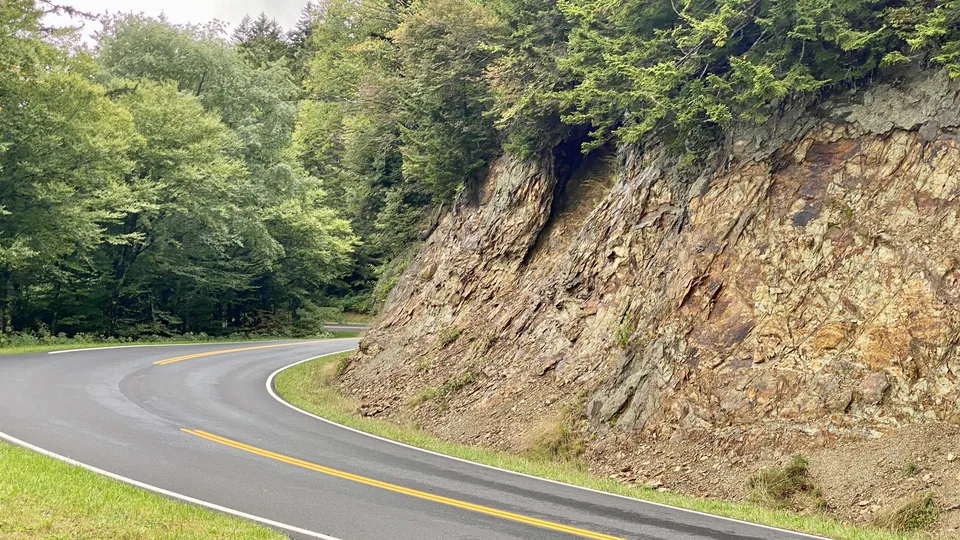
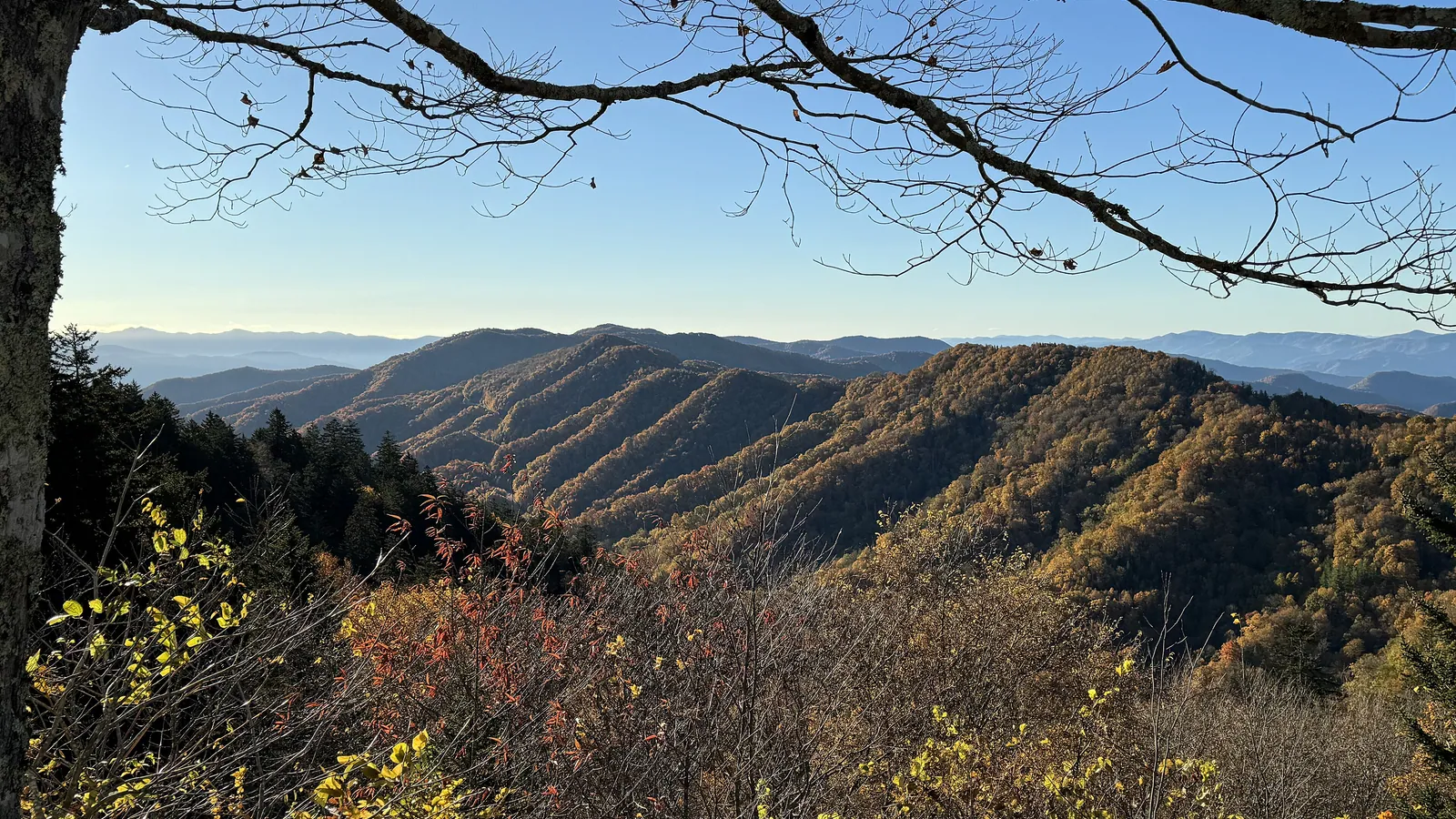
    The road that crosses the park from Gatlinburg over the main ridge into North Carolina, climbing through several distinct forest zones in about thirty miles with overlooks the whole way. A spur near the top leads to Kuwohi, formerly named Clingmans Dome, the highest point in the park, where a short paved path climbs to an observation tower above the treeline.

    Ages
    4–16
    Time
    5h
    Adult, from
    Free

    Good to know. The path to the tower is only about 800 m but climbs steeply and continuously at altitude, and it defeats plenty of adults; a pushchair will not do it. The summit sits in cloud a large share of the year and runs several degrees colder than the town. The spur road closes for the winter months and the whole crossing can shut in snow. A parking tag is required to stop anywhere along it.

  • Cades Cove Loop Road
    Nature

    Cades Cove Loop Road

    Gatlinburg

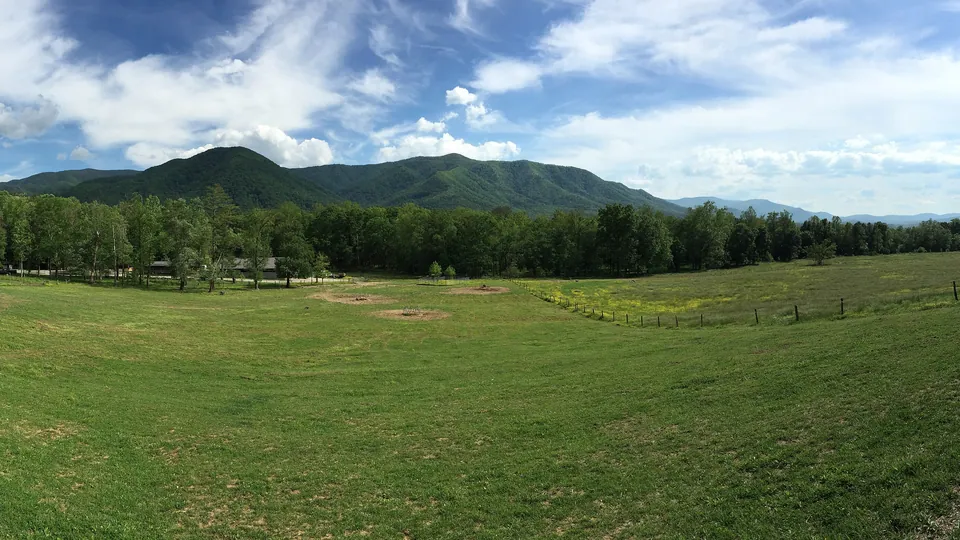
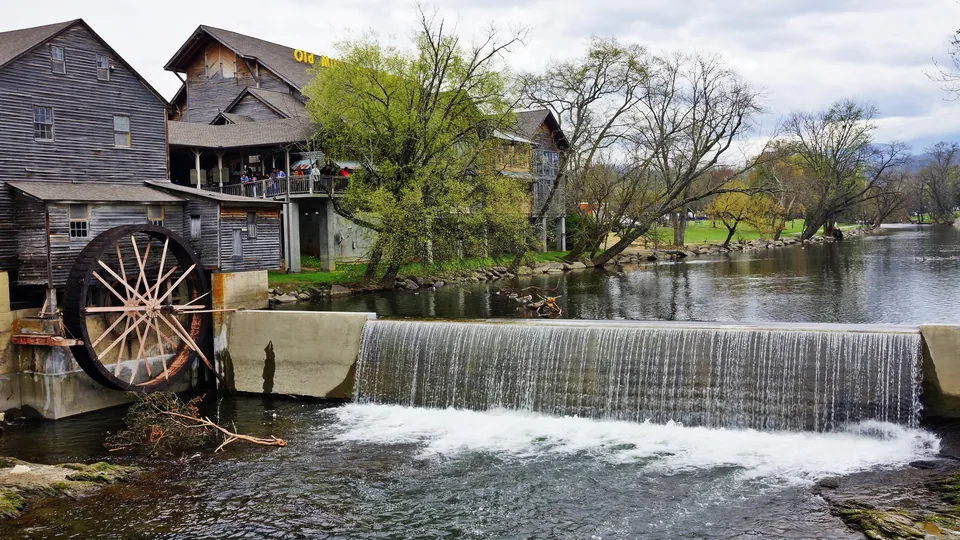
    A broad valley ringed by mountains on the western side of the park, circled by an eleven-mile one-way road past log cabins, churches, a working mill and open meadow. It is the most reliable place in the park to see white-tailed deer, wild turkey and black bears from the car.

    Ages
    3–16
    Time
    4h
    Adult, from
    Free

    Good to know. The loop is single-lane and one-way with almost nowhere to pass, so one bear beside the road stops everyone: three hours for eleven miles is normal in season, and there are no toilets for most of the circuit. It is about an hour from Gatlinburg each way. Some mornings in the warm months are closed to cars and given over to cyclists and walkers, which is either the best time to be there or a wasted drive depending on the plan.

  • Ripley's Aquarium of the Smokies
    AnimalsBook ahead

    Ripley's Aquarium of the Smokies

    Gatlinburg

    A large aquarium in the middle of downtown Gatlinburg, with a moving walkway through a shark tunnel, a penguin enclosure and touch pools for rays and horseshoe crabs. It is the town's default plan when the mountains are in cloud, which is both its use and its problem.

    Ages
    1–14
    Time
    3h
    Adult, from
    €32

    Good to know. Because everyone treats it as the wet-weather option, a rainy afternoon in season means a queue at the door and a slow shuffle through the tunnel; timed tickets bought ahead help. It sits on the Parkway with no car park of its own, so arriving on foot or by trolley is far easier than by car.

  • Dollywood, Pigeon Forge
    Theme parkBook ahead

    Dollywood, Pigeon Forge

    Gatlinburg

    The region's large theme park, six miles from Gatlinburg in Pigeon Forge, built across a wooded hillside with a mix of big roller coasters, a substantial area of rides for small children, craft workshops and live music. An adjoining water park operates in the warm months on a separate ticket.

    Ages
    3–16
    Time
    8h
    Adult, from
    €80

    Good to know. The site is genuinely hilly and a full day covers a lot of ground on foot, so a pushchair earns its place even for a five-year-old. The main coasters carry height minimums in the region of 100–120 cm, which rules a small child out of most of the headline rides. Parking is charged separately from admission, and summer afternoons bring thunderstorms that close the coasters at short notice.

Some links on this page are affiliate links. If you book through one, the price is the same for you and we may earn a commission. How this works.

Getting around Gatlinburg

A car is needed for the park's interior — Cades Cove and Kuwohi are each an hour or more of mountain driving from town — but it is close to a liability inside Gatlinburg, where the Parkway is the only through route and downtown parking is paid and limited. The trolley network covers the Parkway, the hotel areas and, seasonally, the park entrance at Sugarlands, and on a busy day it is faster than driving. Inside the park there is no entrance fee, but a parking tag must be displayed to leave a vehicle anywhere for more than a short stop; it is sold by the day, the week or the year, and checks at trailheads are routine. The Gatlinburg Trail is the useful exception to all of it: a level path of roughly 3 km from the edge of town to the Sugarlands visitor center, and one of the only trails in the park that allows bicycles and dogs.

Gatlinburg tips for families

  • Getting around

    Buy the park parking tag before the first trailhead

    The park charges nothing to enter and does charge to park: any vehicle left for more than a short stop needs a tag displayed, sold by the day, the week or the year, online and at visitor centers. Most families staying a week find the weekly tag cheaper than repeating daily ones. Checks are routine, though the bigger practical problem is that popular trailhead car parks fill by mid-morning whether a tag is held or not.

  • When to go

    Drive the mountain roads early or accept the queue

    The Cades Cove loop is a single one-way lane with almost nowhere to pass, so one bear beside the road stops everyone: three hours for eleven miles is normal in season. Arriving at opening, or going on a weekday, changes the whole day. The same rule applies to the Parkway through town, which is close to stationary in the late afternoon.

  • Packing

    The high country is a different climate

    Kuwohi sits well over 1,900 m and runs several degrees cooler than the valley, frequently in cloud and often wet when the town is dry. Jackets go in the car on every park day. The spur road to it closes through the winter months, which is worth checking against travel dates rather than assumed.

  • Health & safety

    The food rules exist because of the bears

    The park holds one of the densest black bear populations in the eastern states, and the rules about food, bins and picnic tables are practical rather than ceremonial. Bear-proof bins are latched as intended, food is not left at a trailhead, and approaching or feeding a bear is both dangerous and illegal. Cabins in the hills above town see them too, which is the reason for the bin instructions on the kitchen wall.

Gatlinburg with kids: common questions

Does Great Smoky Mountains National Park charge an entrance fee?
No, and it never has. What is charged is parking: a tag must be displayed to leave a vehicle for more than a short stop anywhere in the park, sold by the day, the week or the year. Driving straight through without stopping needs nothing at all.
How bad is the traffic in Gatlinburg?
On a quiet weekday it is unremarkable. On a summer Saturday or an October leaf weekend, the Parkway can take close to an hour to cover a few miles, and the same crowd is on the mountain roads. Families who plan around it — early starts, trolleys inside town, weekdays for Cades Cove — barely notice it; families who do not lose hours to it.
Is Gatlinburg suitable for toddlers?
Reasonably. The town is flat and walkable along one street, the aquarium and the chairlifts work at any age, and the Gatlinburg Trail into the park is level enough for a pushchair. The park's better walks are not — most trails are rooty, steep and unsuitable for wheels, so the youngest children are carried.
How many days are needed?
Four to six for a family who wants both the park and the town. That covers a Cades Cove morning, a day on the high road across the ridge, a wet-weather day in Gatlinburg itself and a theme-park day in Pigeon Forge, without any of them feeling rushed.
When is the best time to go?
Late spring and early autumn. April to June brings wildflowers, open high roads and warm rather than oppressive weather; October brings the colour and also the single busiest weekends of the year. July and August are humid with near-daily afternoon thunderstorms, and winter closes the high roads and much of the park's upper half.

More of United States