
Skip to content

Massachusetts

Boston with Kids

Boston is the rare American city where a family does not need a car and barely needs a plan, because the historic core is small enough to cross on foot and the thing to see is laid out as a line on the pavement: the Freedom Trail, a red brick stripe linking the sites of the American Revolution over about two and a half miles. Around it sit an aquarium, a science museum and a children's museum of a scale that would anchor a trip on their own, plus a public park with a pond and pedal-powered swan boats at one end of the walk. The subway, universally called the T, is old, sometimes slow, and goes where a family wants to go. The trade-offs are cost and weather: hotel rates here sit at the top of the New England range, the city is properly humid in July and August, and the winter is long, grey and genuinely cold, which turns a walking city into an indoor one.

Best for ages
3+
Suggested stay
3–4 days
Best months
May–Oct
Daily budget
€420

Mid-range, family of four

Why Boston works with children

  • A subway that removes the car entirely

    The T reaches the airport, the museums and both main stations, and children under a stated age ride free with a paying adult, so a family day rarely costs more than a few fares.

  • History drawn on the ground as a line to follow

    The Freedom Trail is a physical red stripe through the pavement, which turns a history walk into something a seven-year-old can lead.

  • Three major museums within reach of one another

    An aquarium built around a central four-storey tank, a hands-on science museum and a children's museum aimed at under-tens, all reachable on foot or one short subway ride.

  • A proper park in the middle

    Boston Common and the Public Garden give grass, a pond, a playground and the swan boats between the shopping streets and the historic core.

Where to stay

Best areas in Boston for families

3 areas cover most trips here; the difference is mainly first visits wanting to walk everywhere versus value stays with one subway change.
  • Back Bay

    Best for first visits wanting to walk everywhere

    Flat, gridded streets of brownstones between the Public Garden and Fenway, with two subway lines, plenty of places to eat and the shortest walk to the Common. It is also among the more expensive parts of the city to sleep in.

  • The Waterfront and Seaport

    Best for aquarium and boat-led days

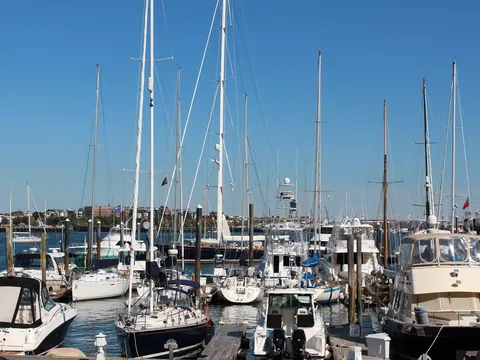
    Modern hotels and apartment rentals beside the harbour, next to the aquarium and the whale-watch and ferry docks. Wide pavements and new buildings make it easy with a pushchair, but it is windy, short on greenery and a longer walk into the historic core than the map suggests.

  • Cambridge, across the river

    Best for value stays with one subway change

    Harvard and Kendall Square sit a few Red Line stops from downtown, with lower rates, university-town restaurants and the science museum on the bridge between the two cities. The trade is that every evening return involves the subway.

Family hotel picks in Boston

  • Back Bay — hotel rooms and apartments on the flat grid
    Back Bay / CopleyHigher-end

    Back Bay — hotel rooms and apartments on the flat grid

    Flat, gridded streets, two subway lines and the shortest walk to the Public Garden and the start of the Freedom Trail, which means a family can do the city on foot and put a tired child back in the room in ten minutes.

    • Two subway lines and the mainline station within walking distance
    • Flat pavements suited to pushchairs
    • Public Garden and Boston Common on foot
    • Wide choice of places to eat at every price point

    Fitting a family in

    Rooms with two doubles sleep four in most city hotels; serviced apartments and one-bedroom rentals are the realistic route for five and come with a kitchen.

    Watch out. This is among the most expensive places to sleep in New England, and hotel parking is charged nightly at a rate comparable to a meal for four — a reason not to have a car on the city days. Rooms are small by American standards and older brownstone conversions frequently have stairs and no lift.

  • Waterfront and Seaport — modern rooms beside the harbour
    Waterfront / SeaportHigher-end

    Waterfront and Seaport — modern rooms beside the harbour

    Puts the aquarium, the harbour ferries and the whale-watch dock within a short walk, in newer buildings with lifts and wide corridors that are easier with a pushchair and a lot of luggage than the old city is.

    • Aquarium and harbour boats on foot
    • Newer buildings with lifts and step-free access
    • Harbour ferry and subway links to the airport
    • Wide pavements and open space for children to walk

    Fitting a family in

    Two-double rooms sleeping four are standard, and apartment-style units with kitchens are more common here than in the older neighbourhoods.

    Watch out. The Seaport is exposed and windy off the water, short on greenery and further from the historic core than the map suggests — the walk to the Freedom Trail is longer than it looks. It is also a business district, so parts of it are quiet in the evening and restaurants are priced accordingly.

  • Cambridge — rooms and rentals a few Red Line stops out
    Cambridge / Harvard & Kendall SquareMid-range

    Cambridge — rooms and rentals a few Red Line stops out

    Meaningfully lower rates for the same city, with a university-town choice of casual places to eat, the science museum on the bridge between the two sides and a direct subway line into the centre.

    • Red Line subway direct to downtown
    • Cheaper nightly rates than Back Bay or the Seaport
    • Casual, child-friendly restaurants around the squares
    • Museum of Science reachable on foot or one stop

    Fitting a family in

    Hotel rooms with two doubles for four; apartment rentals around the squares are the better value for five and add a kitchen and laundry.

    Watch out. Every evening ends with a subway ride back across the river, which is fine with older children and wearing with a toddler. Some Red Line stations are stairs-only, which matters with a pushchair, and rates around university graduation and term-start weekends rise sharply and book out.

All family stays in United States

Some links on this page are affiliate links. If you book through one, the price is the same for you and we may earn a commission. How this works.

Things to do in Boston with kids

  • The Freedom Trail
    Culture

    The Freedom Trail

    Boston

    A red brick line set into the pavement linking sixteen sites of the American Revolution over about two and a half miles, from Boston Common through the old downtown and the North End to Charlestown. Following the line costs nothing; several of the buildings along it charge for entry.

    Ages
    5–16
    Time
    4h
    Adult, from
    Free

    Good to know. Two and a half miles one way is more than most under-tens will walk cheerfully after a morning of stops, and the trail ends across the river from where it starts — splitting it over two days, or riding the subway or ferry back, avoids the usual meltdown. Sections cross cobbles and kerbs that are hard work with a pushchair, and the downtown stretch has little shade on a humid summer afternoon. Costumed guided walks cover the ground faster and hold children's attention better than a self-guided version.

  • New England Aquarium
    AnimalsBook ahead

    New England Aquarium

    Boston

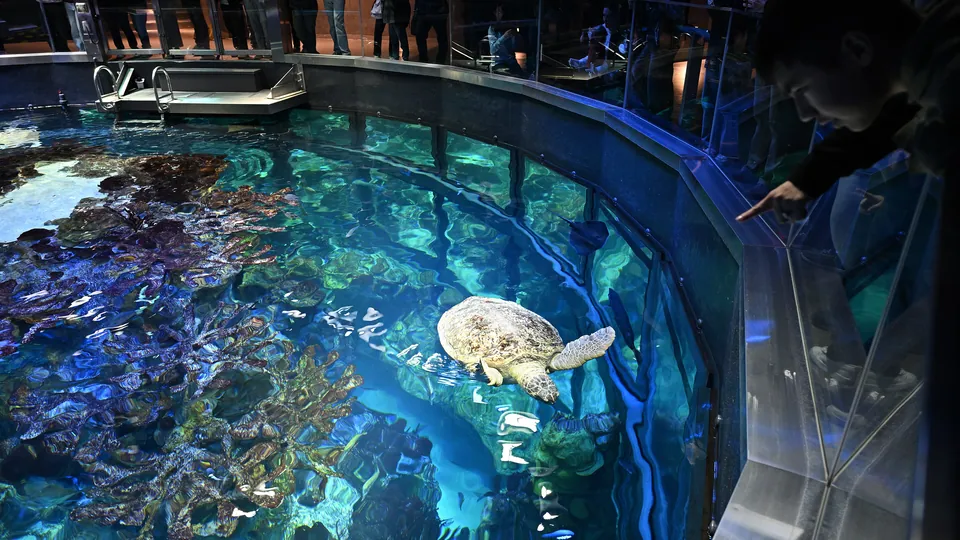
    An aquarium on the central wharf built around a four-storey cylindrical ocean tank with a spiral ramp winding up around it, plus penguins on the ground floor, a touch tank of rays and a seal enclosure outside that is free to watch from the plaza.

    Ages
    2–14
    Time
    3h
    Adult, from
    €36

    Good to know. It is a compact building that absorbs every school group and every rained-off family in the region, so wet days and school holidays produce long entry queues and a crowded spiral ramp where small children see very little. Timed tickets bought ahead skip the ticket line, and arriving at opening is the single biggest improvement to the visit. The harbour seals outside can be watched without a ticket at all.

  • Museum of Science
    MuseumBook ahead

    Museum of Science

    Boston

    A large hands-on science museum straddling the Charles River dam between Boston and Cambridge, with a lightning demonstration in a caged theatre, a planetarium, a domed cinema and several floors of exhibits pitched across a wide age range.

    Ages
    4–16
    Time
    5h
    Adult, from
    €29

    Good to know. The planetarium, the domed cinema and the lightning show are ticketed separately from general admission and run to fixed showtimes that sell out on wet days, so booking those with the entry ticket rather than on arrival avoids a wasted trip across the building. It is big enough to be genuinely tiring — half a day covers it comfortably, a full day does not improve it. Parking here is expensive; the subway stop is at the door.

  • Boston Common, the Public Garden and the swan boats
    City

    Boston Common, the Public Garden and the swan boats

    Boston

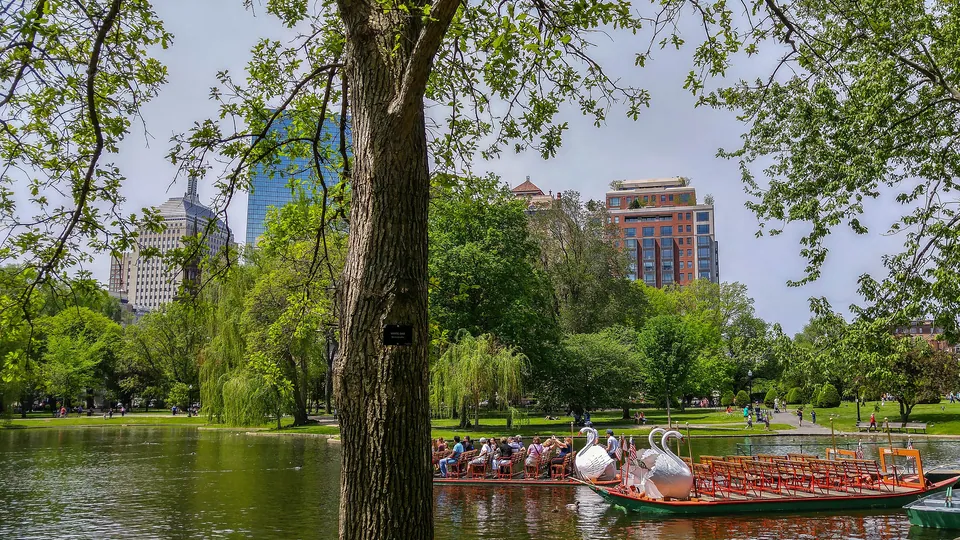
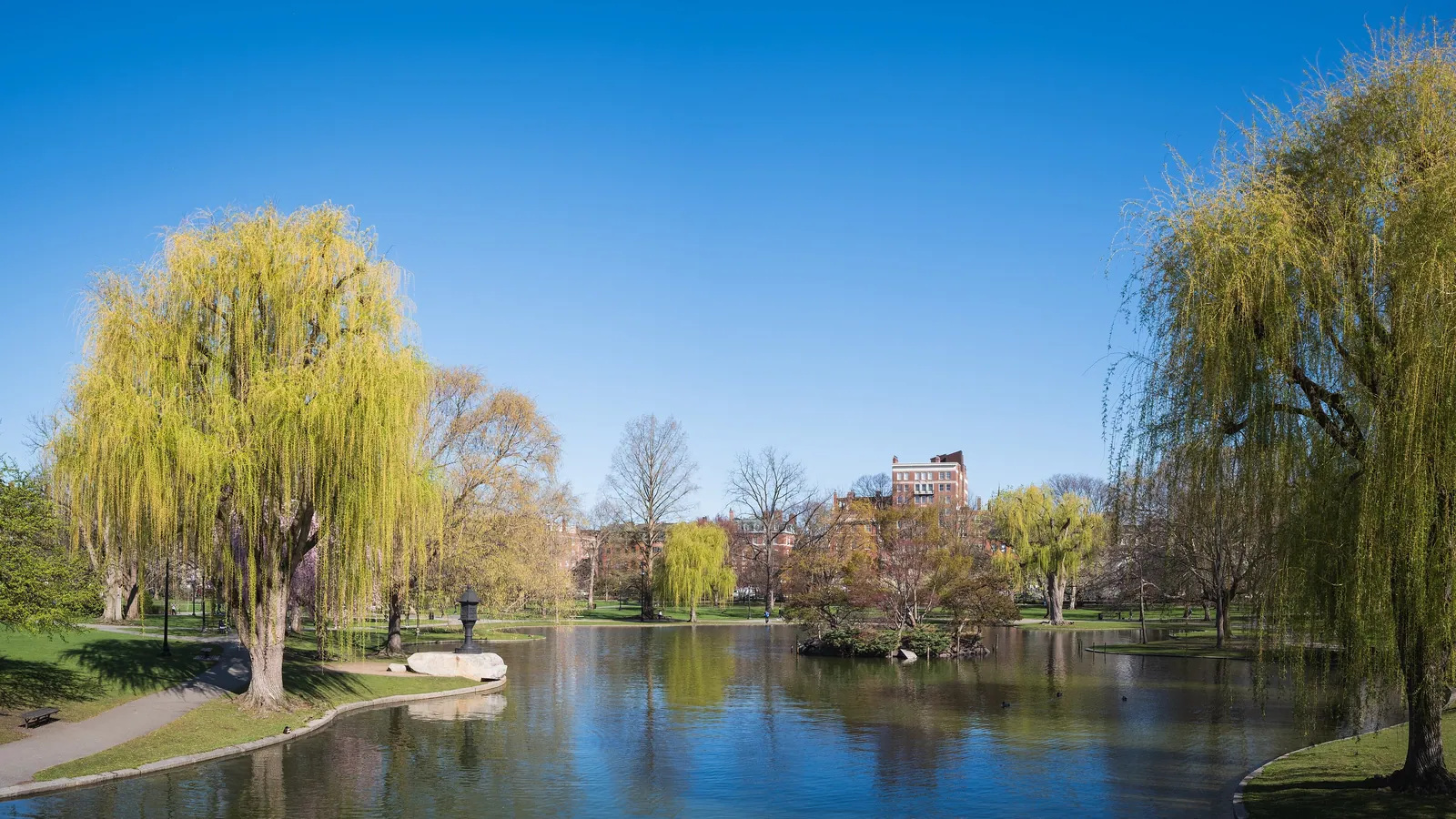
    The oldest public park in the country and the formal garden beside it, with a lagoon crossed by pedal-powered swan boats, a bronze row of ducklings that children queue to sit on, a playground and a frog pond that becomes an ice rink in winter.

    Ages
    1–12
    Time
    1h 30m
    Adult, from
    €4

    Good to know. The swan boats run a short seasonal circuit from spring into early autumn and are tied up for the rest of the year, so a winter or early-spring visit finds an empty lagoon. The ride itself is about fifteen minutes, which is the right length for a small child and a disappointment to anyone expecting more. Queues build through summer afternoons and there is little shade at the dock.

Some links on this page are affiliate links. If you book through one, the price is the same for you and we may earn a commission. How this works.

Getting around Boston

Walk and use the T. The subway covers the airport, the museums, both mainline stations and every neighbourhood listed here, runs on a flat fare with a tapped card or phone, and children under a stated age travel free alongside a paying adult — check the current age on the transit authority's own site rather than assuming. The system is the oldest in the country and shows it: some older stations are stairs-only, and step-free access is genuinely patchy, which matters with a pushchair. Driving inside the city is the thing to avoid — the street pattern predates cars entirely, the tunnels are confusing, and overnight hotel parking is charged at a rate comparable to a meal for four. The sensible pattern is to do Boston car-free and collect a hire car on the way out of town if the trip continues into the rest of New England.

Boston tips for families

  • With kids

    Walk the Freedom Trail in two halves, not one

    The full trail is about two and a half miles one way and ends across the river in Charlestown, which is further than most under-tens will happily walk after a morning of stops. Splitting it at Faneuil Hall, doing the downtown half one day and the North End and Charlestown half another, works far better — and the ferry or the subway can bring everyone back rather than walking it twice.

  • Getting around

    Do not hire a car for the city days

    Overnight parking at a downtown hotel costs more per night than a hotel room in much of New England, the street layout is genuinely hard, and the subway goes everywhere a family needs. Collecting a car on the day the trip leaves the city, rather than at the airport on arrival, usually saves both money and several arguments.

  • When to go

    The big museums have predictable bad days

    The aquarium, the science museum and the children's museum absorb every school group and every rained-off family in the region, so wet days and school holidays produce long entry queues. Buying timed tickets ahead avoids the ticket line, and arriving at opening rather than mid-morning is the difference between a manageable visit and a crowded one.

  • Packing

    July and August are humid, not just warm

    Summer here is muggy and the Freedom Trail has long stretches with little shade and hot brick underfoot. Water, hats and a planned indoor middle to the day matter more than the temperature figure suggests. Late spring and September are noticeably more comfortable for a walking-led trip.

Boston with kids: common questions

How many days are enough for Boston with kids?
Three to four. Three covers the Freedom Trail split across two mornings, one major museum and the Public Garden; four adds a second museum, a harbour boat or a Fenway tour without making any day a forced march.
Is Boston walkable with a pushchair?
Above ground, largely yes — the core is flat and the pavements are wide, though the North End's colonial streets are narrow and the Freedom Trail includes cobbles and a few kerbs. The subway is the weak point: several older stations have stairs only, so it is worth checking which stops have lifts before relying on one.
Do children pay on the subway?
Children under a stated age ride free with a fare-paying adult, and older children pay a reduced fare in some cases. The exact age has been adjusted more than once, so it is worth confirming on the transit authority's own site before travelling rather than planning a budget around a remembered number.
Is whale watching from Boston suitable for young children?
It depends more on sea-sickness than on age. The boats run from the waterfront through roughly the spring-to-autumn season, the trip is several hours, the crossing to the feeding grounds is open water, and it is cold and windy out there even on a warm day. Families who know a child gets motion sick should treat that as disqualifying rather than something to medicate around.
Is Boston worth visiting in winter?
For the museums, yes; for the walking, less so. The city is cold, dark early and often snowy from December into March, and the Freedom Trail in February is a short outing rather than a day. Rates are correspondingly lower.

More of United States