Skip to content

Tenerife with Kids

Tenerife is the rare European beach destination that works in February: the southern coast holds roughly 20 to 24 °C through the winter, which is why the island is busiest when the Mediterranean is closed for the season. It is also a volcanic island rather than just a resort strip — Spain's highest mountain sits in a national park at its centre, reached by a cable car, and resident pilot whales live year-round in the strait off the south-west coast. The island effectively has two climates, with a green, cloudier, rougher north and a dry, engineered, sunnier south. The trade-offs are the density of the southern resort development, Atlantic surf and wind that make some beaches unsuitable for small children, and the fact that almost everything worth seeing involves a drive.

Best for ages
0+
Suggested stay
7–10 days
Best months
Jan–May, Oct–Dec
Daily budget
€240

Mid-range, family of four

Why Tenerife works with children

  • A beach week that works in winter

    The southern coast stays mild and dry through December to March, making it one of very few short-haul winter-sun options from Europe.

  • A volcano, not just a coastline

    Teide National Park is a high-altitude lava landscape reached by road and cable car, and it looks nothing like the coast an hour below it.

  • Engineered, sheltered southern beaches

    Several of the Costa Adeje beaches sit behind breakwaters that keep the water calm and swimmable when the open Atlantic is not.

  • Major water parks and animal parks on one island

    Large water parks and wildlife attractions sit within a short drive of the southern resorts, which covers the days when the wind gets up.

Where to stay

Best areas in Tenerife for families

3 areas cover most trips here; the difference is mainly families wanting the calmest beaches and resort facilities versus greener scenery and lower prices.
  • Costa Adeje

    Best for families wanting the calmest beaches and resort facilities

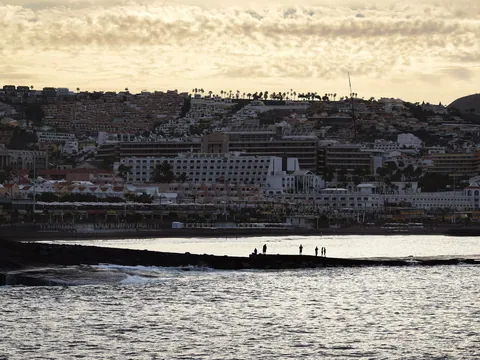
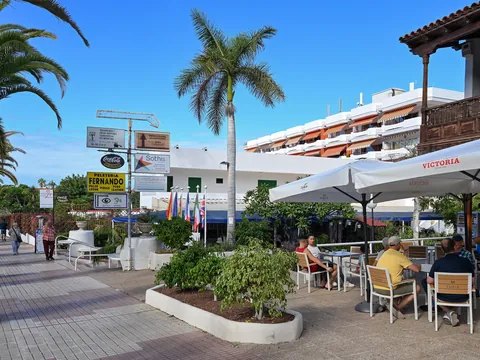
    The most developed and generally the most expensive part of the south, with sheltered beaches, a long promenade and the biggest resort complexes. It is purpose-built, so it delivers reliability rather than local character, and many hotels sit on terraced slopes with steep walks down to the sand.

  • Los Cristianos

    Best for value and easy logistics

    An older town next door with a working harbour, a sheltered town beach, a genuine Spanish high street and the ferries to La Gomera. Cheaper and more walkable than Adeje, with a longer-established package-holiday feel.

  • Puerto de la Cruz & the north

    Best for greener scenery and lower prices

    A proper town on the north coast beneath the Orotava valley, with botanical gardens, a seawater pool complex and black-sand beaches. It is measurably cloudier, the Atlantic swell means the open beaches are often unsafe for young swimmers, and it suits a family that wants a place rather than a pool.

Family hotel picks in Tenerife

  • All-inclusive resort on the Costa Adeje seafront
    Costa AdejeMid-range

    All-inclusive resort on the Costa Adeje seafront

    The southern resorts exist because this is where the sun is most reliable and the sea is most sheltered, and a seafront all-inclusive removes the two hardest parts of a winter family week: finding safe swimming and feeding four people on a Spanish dinner clock.

    • Sheltered beaches behind breakwaters rather than open Atlantic swell
    • Heated pools, which matter between November and March
    • Children's clubs and buffets serving at European mealtimes
    • Long level promenade linking the resorts on foot

    Fitting a family in

    Family rooms, junior suites and two-room apartments sleeping four to five are the standard product in this area, and many complexes are apartment-style with a kitchenette as well as a board basis.

    Watch out. Costa Adeje is entirely purpose-built and dense, so there is no local town character within walking distance. Many complexes are terraced up a steep hillside, which means a long climb back from the beach and a genuine problem with a pushchair — sea-level or promenade-level properties cost more for that reason. Confirm the pool is heated rather than assuming it, and note that afternoon wind off the Atlantic is normal here even on hot days.
  • Apartment in Puerto de la Cruz
    Puerto de la Cruz / north coastBudget

    Apartment in Puerto de la Cruz

    The north coast costs noticeably less than the south and offers a real town rather than a resort: a seafront of botanical gardens, a seawater pool complex and neighbourhood restaurants, with the green Orotava valley and the laurel forest behind it.

    • Substantially cheaper than the southern resorts
    • Seawater pool complex as an alternative to the open sea
    • Walkable town with markets, playgrounds and local restaurants
    • Close to the botanical gardens and the Orotava valley

    Fitting a family in

    Older apartment blocks along the seafront let one and two-bedroom units with kitchens and balconies, typically sleeping four, at rates well below an equivalent southern resort.

    Watch out. The north is measurably cloudier and wetter than the south, and the beaches face open Atlantic swell — the black-sand bays are frequently flagged unsafe for young swimmers, which is why the town built the seawater pools. Much of the accommodation dates from the 1970s and 1980s and varies enormously in upkeep, and a car is more necessary here than in the south because the resort-to-attraction bus links are weaker.

All family stays in Spain

Some links on this page are affiliate links. If you book through one, the price is the same for you and we may earn a commission. How this works.

Things to do in Tenerife with kids

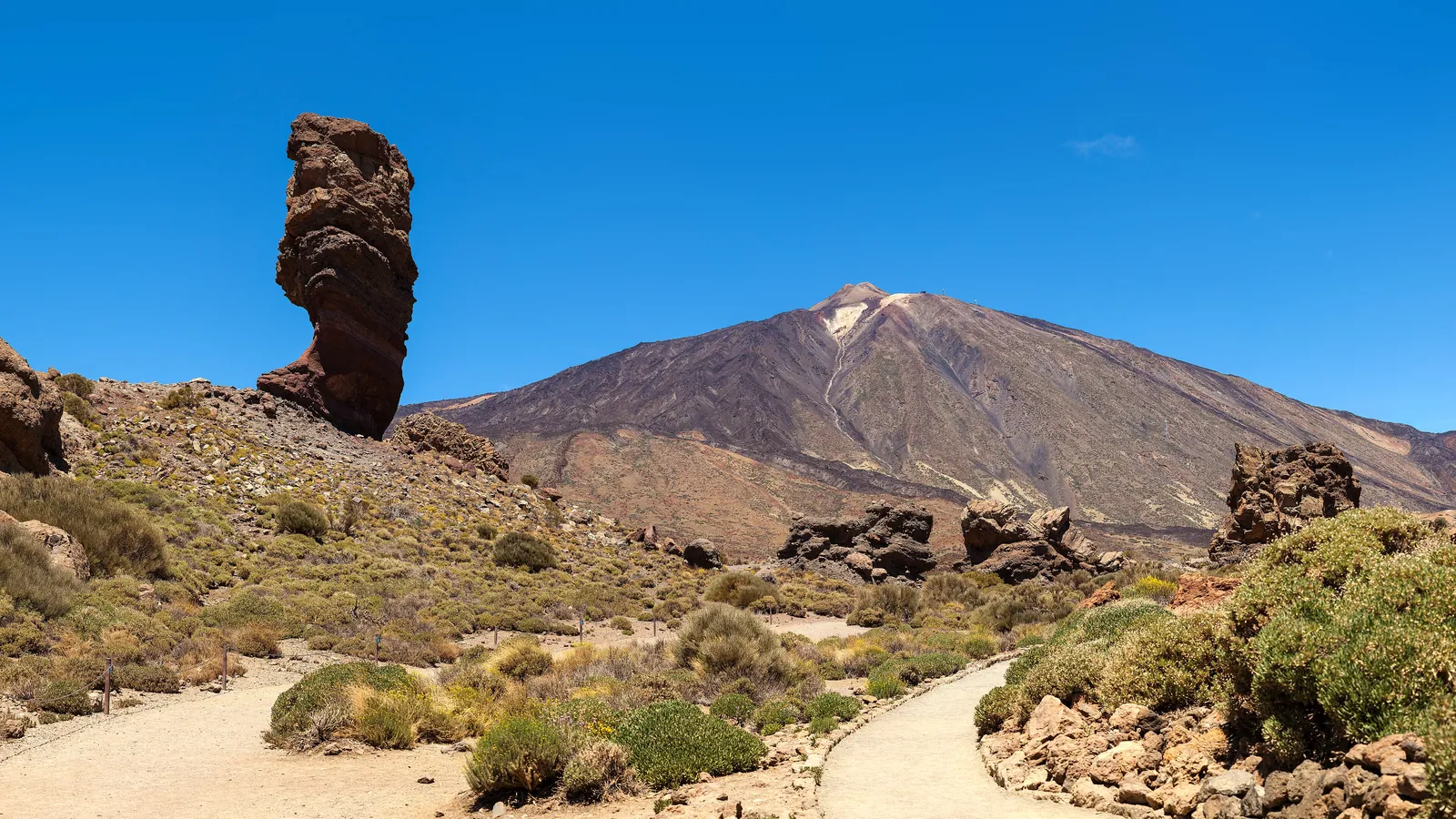
  • Teide National Park and cable car
    NatureBook ahead

    Teide National Park and cable car

    Tenerife

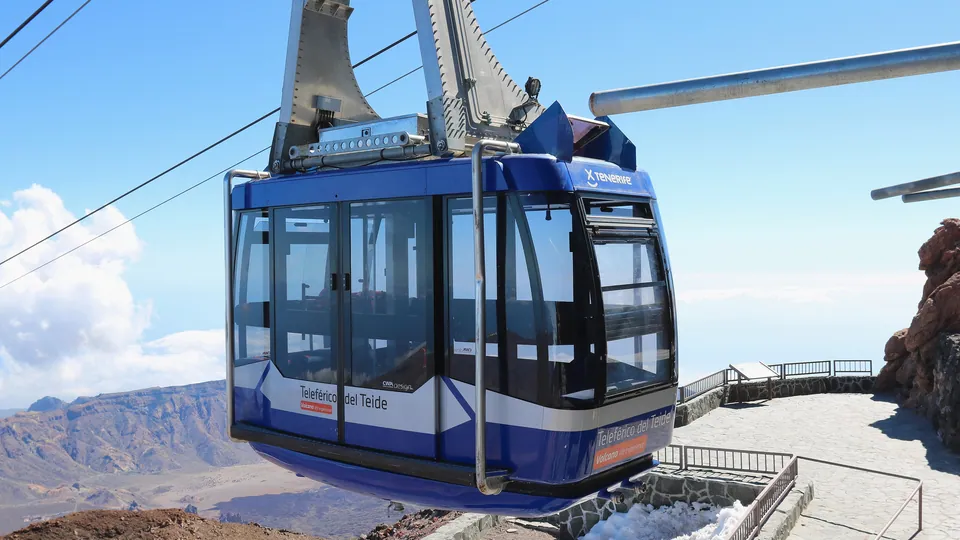
    A high-altitude volcanic landscape of lava flows, rock towers and a caldera floor, with a cable car climbing from around 2,350 metres to just over 3,500 metres on the flank of Spain's highest mountain.

    Ages
    5–16
    Time
    5h
    Adult, from
    €40

    Good to know. The upper station sits above 3,500 metres, where thin air causes headaches and breathlessness in some children and is not advised for anyone with a heart or lung condition. Temperatures are typically 15 to 20 °C below the coast with strong wind, and the cable car closes at short notice in high wind or snow. Walking the final stretch to the summit requires a free permit booked well in advance and separately from the cable car.

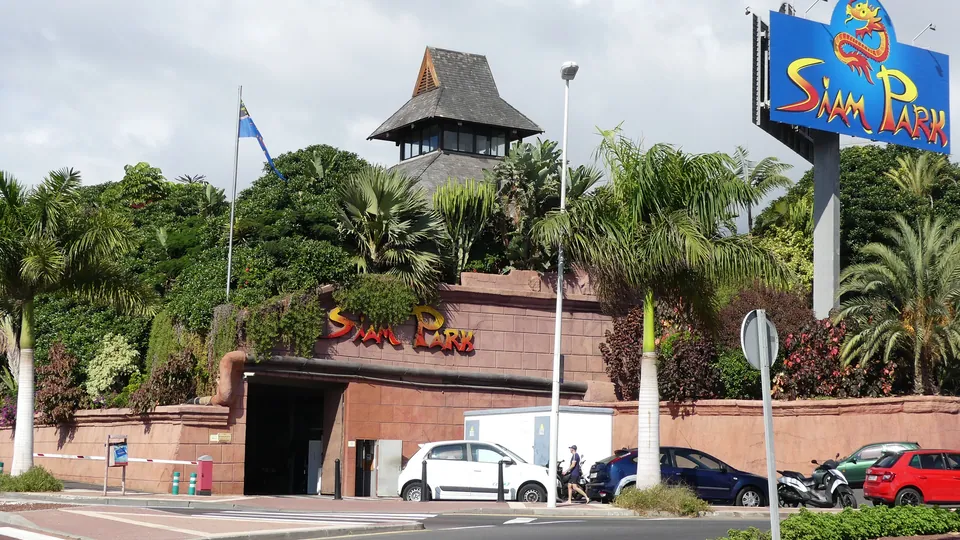
  • Siam Park water park
    WaterBook ahead

    Siam Park water park

    Tenerife

    A large Thai-themed water park above Costa Adeje with a wave pool, a long lazy river, a dedicated children's area and several steep headline slides. Designed as a full-day destination rather than a hotel add-on.

    Ages
    3–17
    Time
    7h
    Adult, from
    €42

    Good to know. Most of the headline slides carry a minimum height of around 1.10 metres and a few set it higher, so a younger child may be limited to the children's zone and the wave pool on a full-price adult-equivalent ticket. Queues are almost entirely unshaded, the site is built on a slope with a lot of stair climbing between rides, and individual attractions close in high wind.

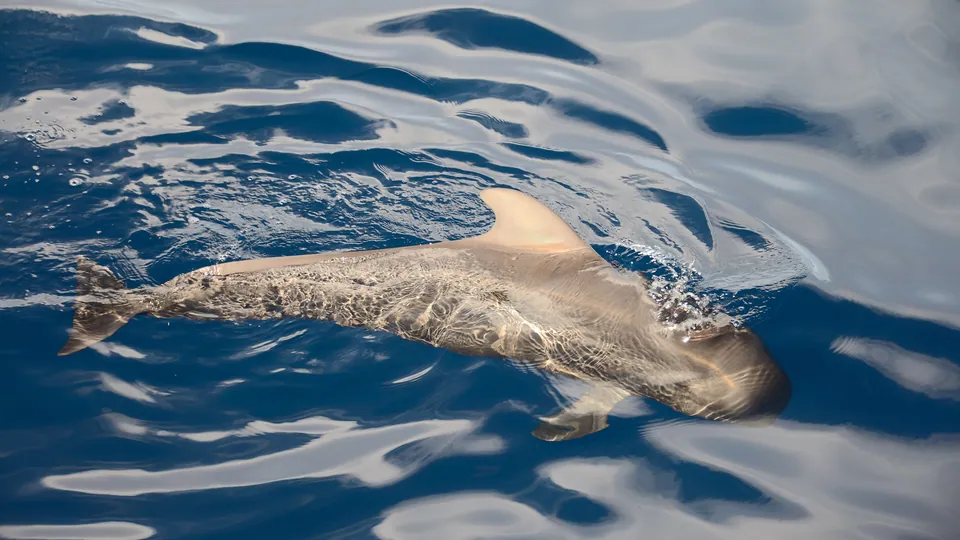
  • Whale and dolphin watching from the south-west coast
    AnimalsBook ahead

    Whale and dolphin watching from the south-west coast

    Tenerife

    Boat trips into the strait between Tenerife and La Gomera, where short-finned pilot whales and bottlenose dolphins are resident year-round rather than seasonal. Operators sail from Los Cristianos, Puerto Colón and Los Gigantes.

    Ages
    4–16
    Time
    3h
    Adult, from
    €30

    Good to know. The channel is open ocean and swell is normal, so seasickness is a genuine likelihood rather than an outside risk — the larger catamarans are far steadier than the small rigid inflatables, which often carry a minimum age anyway. Sightings are not guaranteed, shade on deck is limited, and boats certified to approach the animals carry an official marking that is worth checking before booking.

Some links on this page are affiliate links. If you book through one, the price is the same for you and we may earn a commission. How this works.

Getting around Tenerife

A hire car makes the island usable: the TITSA bus network is cheap and reaches every town, but a Teide day or a north-coast trip by bus consumes most of the day in transit. Within Costa Adeje and Los Cristianos the promenade and local buses are enough for a week that never leaves the resort strip. The motorway along the south is fast and easy; the mountain roads up to Teide and across the north are narrow, winding and slow, and should be costed at roughly half the speed a map suggests.

Tenerife tips for families

  • When to go

    The island has two different forecasts

    Cloud frequently sits over the north and the mountains while the south is in full sun, and the reverse is rare. A grey morning at the resort is not a reason to cancel a Teide trip — the cable-car station is usually above the cloud layer entirely.

  • Packing

    Pack winter clothes for the volcano

    The Teide cable-car upper station sits above 3,500 metres, where the air is typically 15 to 20 °C colder than the coast and the wind is strong. Families routinely arrive in shorts and turn back at the top. Fleeces, long trousers and closed shoes are the difference between a viewpoint and a photograph from the car park.

  • Health & safety

    Treat the beach flags as binding

    This is the Atlantic, not the Mediterranean. Currents and shore break on the unprotected beaches, particularly in the north and west, are genuinely dangerous for children, and the sheltered Costa Adeje bays exist precisely because the open coast is not safe to swim.

  • Health & safety

    Calima is a real possibility, not a curiosity

    A few times a year a Saharan dust haze settles over the islands, pushing temperatures up, cutting visibility and irritating asthma. It usually passes within a couple of days, but it can close the cable car and makes the mountain trip pointless while it lasts.

Tenerife with kids: common questions

Is Tenerife good for a winter holiday with kids?
It is one of the few places in Europe where a beach week genuinely works between November and March. Southern daytime temperatures typically sit around 20 to 24 °C with little rain. The sea is swimmable but cool by Mediterranean summer standards, so a heated hotel pool matters more than it would in August.
North or south Tenerife for families?
South for reliable sun, sheltered swimming and resort facilities; north for greener scenery, lower prices and a real town. With young children who will actually swim in the sea, the south is the safer choice — the northern beaches face open Atlantic swell.
Do you need a car in Tenerife?
Not for a resort-only week, where the promenade and local buses are enough. For Teide, the north coast, Masca or the smaller beaches, a car saves several hours a day over the bus network. Rates on the island are among the cheapest in Spain.
Can young children go up Teide?
The cable car itself has no age minimum, but the upper station is above 3,500 metres, where thin air, cold and strong wind affect small children and anyone with a heart or lung condition. Many families go as far as the park's lava fields and viewpoints at around 2,000 metres instead, which needs no ticket and no altitude tolerance.
How long should a family stay in Tenerife?
Seven to ten days. A week covers the beach, one water park and one excursion inland. Ten days allows Teide, a whale-watching trip, the north coast and enough pool days that the driving does not dominate the holiday.