Skip to content

Madrid with Kids

Madrid is the one major Spanish destination with no coast at all, which is both its weakness and the reason it is underrated with children: in place of a beach it has an enormous central park with rowing boats on a lake, three major art museums within ten minutes of each other, a zoo, a walk-through biodome and a large film-themed park on the suburban rail network. The metro is cheap, air-conditioned and genuinely comprehensive, so a family can stay anywhere central and reach all of it without a car or a taxi. The decisive constraint is heat: the city sits inland on a plateau at around 650 metres with no sea to moderate it, and July and August afternoons regularly pass 38 °C, which shuts the outdoor half of the city down to the early morning and the evening. It is also a late city even by Spanish standards, with kitchens opening for dinner around 20:30 and the playgrounds filling at 21:00 in summer.

Best for ages
4+
Suggested stay
3–5 days
Best months
Apr–Jun, Sep–Oct
Daily budget
€230

Mid-range, family of four

Why Madrid works with children

  • A metro that removes every distance

    Twelve lines, frequent, cheap and air-conditioned, reaching the museums, the parks, the zoo, the airport and the theme-park train.

  • A park with boats in the middle of the city

    The Retiro has a rowing lake, a glass palace, puppet shows and shaded avenues, and it sits directly behind the Prado.

  • Three great museums ten minutes apart

    The Prado, the Reina Sofía and the Thyssen sit along one boulevard, and entry is free for under-eighteens at the state collections.

  • A theme park and two animal parks on the network

    Parque Warner, Faunia and the zoo-aquarium are all reachable from the centre by train or metro rather than by car.

  • Cheaper than Barcelona for the same standard

    Hotels, apartments and eating out all cost noticeably less than on the coast, and the major museums are free for children.

Where to stay

Best areas in Madrid for families

4 areas cover most trips here; the difference is mainly short stays and walking everywhere versus day trips by train and lower prices.
  • Sol, Ópera & Plaza Mayor

    Best for short stays and walking everywhere

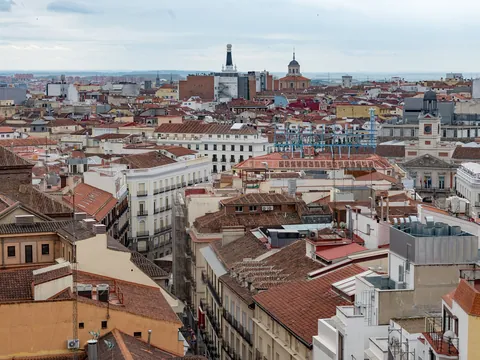
    The dead centre: every metro line, the main squares, the market halls and the royal palace on foot. It is also the loudest part of the city at night and the most tourist-priced, and the apartments are small.

  • Paseo del Prado, Retiro & Jerónimos

    Best for museum days and a park at the door

    The museum boulevard with the Retiro directly behind it — greener, shaded and quiet at night, with hotels rather than apartments and the highest rates in the city. The most comfortable base in summer, because the park is walkable at 08:00.

  • Chamberí & Argüelles

    Best for family apartments and a local neighbourhood

    Residential grid streets north-west of the centre with larger flats, ordinary shops, playgrounds and the Parque del Oeste, ten to fifteen minutes by metro from the museums.

  • Atocha & Lavapiés

    Best for day trips by train and lower prices

    Beside the station for Toledo, Segovia and the Parque Warner line, with cheaper rooms and a mixed, busy neighbourhood. Less polished and noticeably livelier at street level than the museum end.

Family hotel picks in Madrid

  • Apartment near Sol and Plaza Mayor
    Sol / Ópera / Plaza MayorMid-range

    Apartment near Sol and Plaza Mayor

    The dead centre puts the royal palace, the main squares, the market halls and three metro interchanges on foot, and an apartment adds a kitchen — which matters in a city where restaurant dinner starts at 20:30.

    • Every metro line within a few minutes on foot
    • Kitchen and washing machine for early suppers and laundry
    • Walking distance to the Royal Palace, the markets and the Prado
    • Supermarkets and bakeries open late

    Fitting a family in

    Two-bedroom apartments sleeping four to five are widely available in converted centre buildings and cost less than two hotel rooms.

    Watch out. This is the loudest part of Madrid — bars and street activity run past 02:00 at weekends, so a courtyard-facing bedroom is worth insisting on. Older blocks have a very small lift or none at all, the flats themselves are often narrow and dark, and air conditioning should be confirmed explicitly rather than assumed: from June to September it is not optional here.

  • Hotel family rooms by the Retiro and the museum boulevard
    Jerónimos / Paseo del PradoHigher-end

    Hotel family rooms by the Retiro and the museum boulevard

    The most comfortable base in a hot city: the park is across the road for an hour before the museums open, the Prado, Thyssen and Reina Sofía are all within a ten-minute walk, and the streets are wide, shaded and quiet at night.

    • The Retiro park and its playgrounds across the road
    • All three major museums within a ten-minute walk
    • Wide shaded pavements and quiet evenings
    • Lifts, reliable air conditioning and a reception desk

    Fitting a family in

    Triples and connecting doubles are the usual way to sleep four; genuine four-person rooms exist but are limited, so booking early matters more here than in a coastal resort.

    Watch out. The most expensive district in the city, and a museum and office quarter rather than a neighbourhood — the evening choice of restaurants is thinner and more formal than in Chamberí or La Latina, and a good deal of it closes on Sunday evening. Pools are rare and small where they exist at all.

  • Apartment in Chamberí or Argüelles
    Chamberí / ArgüellesMid-range

    Apartment in Chamberí or Argüelles

    A residential grid ten to fifteen minutes by metro from the museums, where the flats are larger and cheaper than in the centre and the streets have playgrounds, markets and neighbourhood restaurants that serve a little earlier than the tourist core.

    • Larger, quieter flats at lower rates than the centre
    • Playgrounds, markets and everyday shops on the doorstep
    • Metro to the museums in ten to fifteen minutes
    • Parque del Oeste and the Casa de Campo cable car nearby

    Fitting a family in

    Three- and four-room flats sleeping four to six are common here, frequently with two bathrooms, which is rare in the historic centre.

    Watch out. Every sightseeing day begins and ends with a metro ride, which is fine with school-age children and wearing with a toddler who still naps. There is little tourist infrastructure — no luggage storage and fewer late-opening shops — and older blocks vary a great deal in lift access and air conditioning.

All family stays in Spain

Some links on this page are affiliate links. If you book through one, the price is the same for you and we may earn a commission. How this works.

Things to do in Madrid with kids

  • Parque del Retiro and the rowing boats
    City

    Parque del Retiro and the rowing boats

    Madrid

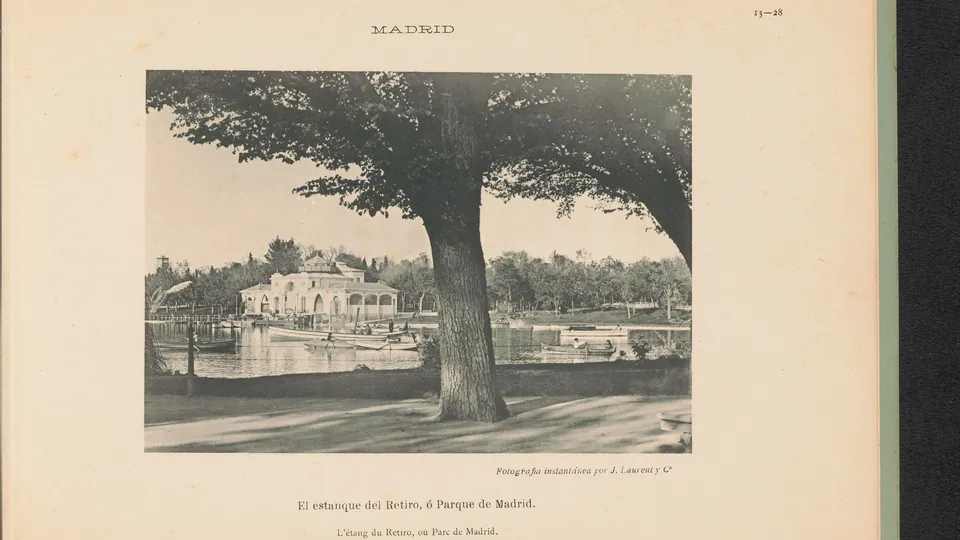
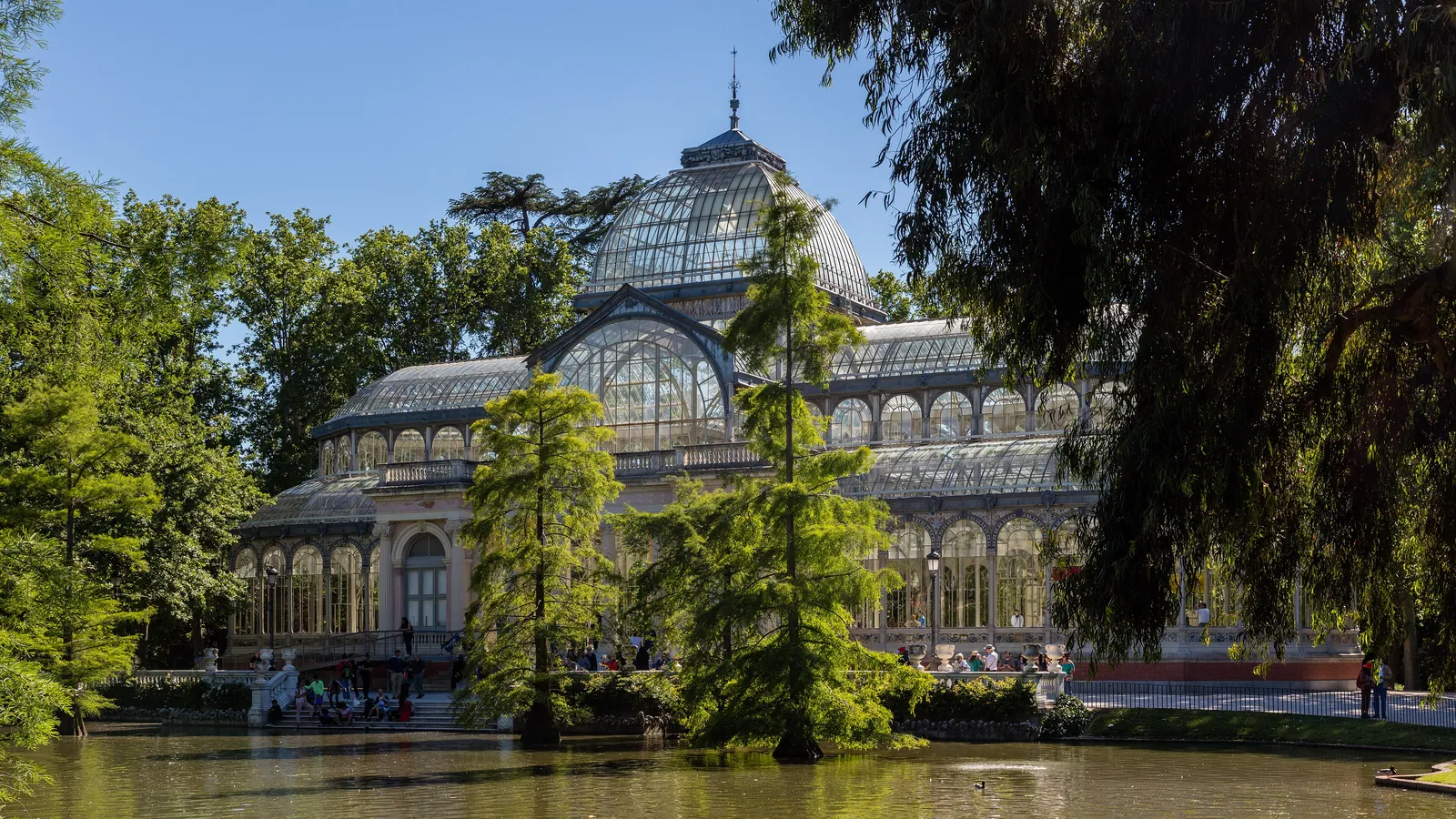
    Around 120 hectares of park immediately behind the Prado, with a rectangular lake where rowing boats are hired by the session, a glass palace used for exhibitions, shaded avenues, playgrounds, and puppet shows and street musicians at weekends.

    Ages
    1–16
    Time
    3h
    Adult, from
    Free

    Good to know. The park is free; the rowing boats are hired separately by the session and queue at weekends and in the early evening. There is almost no shade on the lake itself, so a July afternoon on the water is hard going. Madrid closes its large parks during high-wind and storm warnings, sometimes at short notice, because of falling branches.

  • Museo del Prado
    MuseumBook ahead

    Museo del Prado

    Madrid

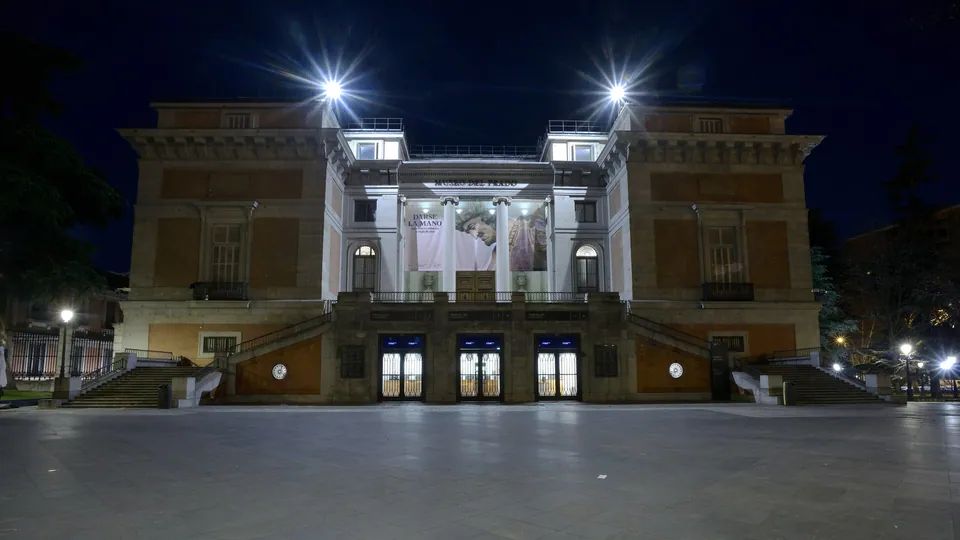
    The Spanish royal collection — Velázquez, Goya, El Greco, Bosch's Garden of Earthly Delights and a large Italian and Flemish holding — in one long building on the museum boulevard, with the Retiro park directly behind it.

    Ages
    7–17
    Time
    2h
    Adult, from
    €15

    Good to know. Entry is free for under-eighteens at any time, and the whole museum is free for the last two hours of the day, which is also the busiest slot of the week. The collection is far too large to attempt in one visit and there are few places to sit: a planned list of six or eight paintings works where a general wander does not. Photography is not allowed and larger bags go to the cloakroom.

  • Parque Warner Madrid
    Theme parkBook ahead

    Parque Warner Madrid

    Madrid

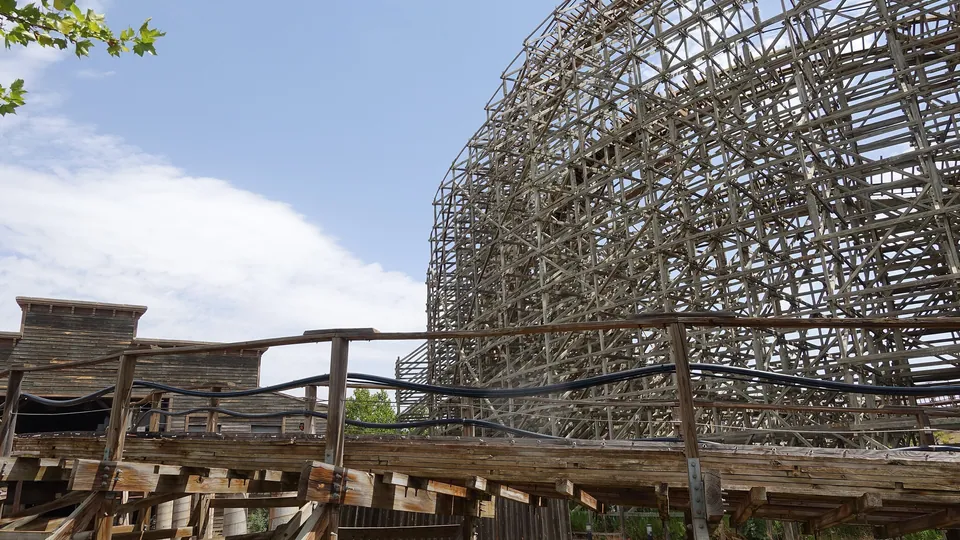
    A large film-themed park about 25 kilometres south of the city, with several big roller coasters, a cartoon-branded children's area, stunt and character shows, and a separate water park alongside that opens for the summer months only.

    Ages
    5–16
    Time
    8h
    Adult, from
    €45

    Good to know. The headline rides carry height minimums from roughly 1.10 to 1.40 metres, so a younger child can be excluded from most of them on a full-price ticket. The park runs a reduced calendar outside the summer and closes on many winter weekdays, so the operating days need checking before the day is planned. Queues have very little shade and the park sits on the open plain south of Madrid, where summer afternoons regularly pass 38 °C. It is reached by suburban train and a shuttle bus, or by car in about half an hour.

  • Faunia
    Animals

    Faunia

    Madrid

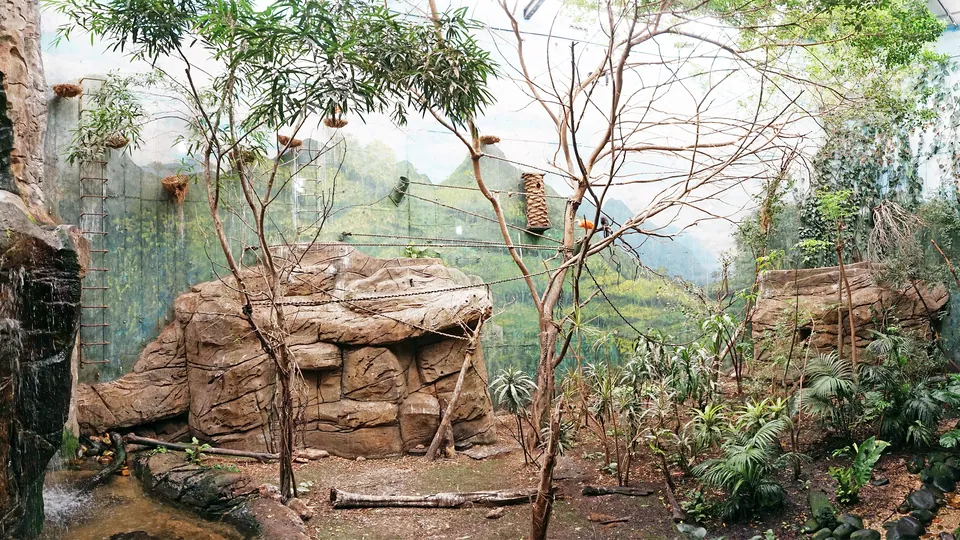
    An animal park in the east of the city built as a series of walk-through biomes — a polar building, a tropical jungle with a simulated afternoon downpour, a nocturnal house and an aviary — rather than as a conventional zoo of separate enclosures.

    Ages
    2–12
    Time
    4h
    Adult, from
    €28

    Good to know. The indoor biomes are deliberately hot and humid or genuinely cold, and the jungle building runs a heavy artificial rain shower to a schedule that soaks anyone standing in the wrong place. Feeding and presentation times are fixed and spread across the site, so the visit has to be routed around them rather than wandered. The outdoor sections have limited shade, and it is a 25-minute metro ride plus a walk from the centre.

Some links on this page are affiliate links. If you book through one, the price is the same for you and we may earn a commission. How this works.

Getting around Madrid

The metro does almost everything and is the cheapest part of a Madrid trip: fares run on a rechargeable plastic card bought once at any station machine, and a ten-journey ticket loaded onto a single card can be used by several travellers in turn, which suits a family far better than individual tickets. Children under four travel free, journeys to and from the airport carry a supplement, and lifts are standard on the newer lines but missing at some older central stations, so a folding buggy travels better than a full pram. The centre is walkable and largely flat, with the Prado and the Retiro around twenty minutes on foot from Sol. A car is of no use whatsoever — the centre is a camera-enforced low-emission zone and parking is underground and expensive. Suburban and mid-distance trains cover the days out: Toledo in around 35 minutes from Atocha, Segovia in under half an hour on the high-speed line, and Parque Warner by suburban train plus a short shuttle bus.

Madrid tips for families

  • When to go

    In July and August the city works early and late

    Afternoon temperatures regularly pass 38 °C on the plateau and there is no sea breeze to soften it. The workable summer day is out by 09:00, indoors or in a pool from 14:00 to 19:00, then out again — which is when the squares and playgrounds actually fill up.

  • Getting around

    Buy one transport card and load a ten-journey ticket

    Single tickets are poor value and the rechargeable card is sold once at any station machine. A ten-journey ticket on one card can be passed between travellers, so a family needs one card rather than four.

  • Money & costs

    The free museum slots are the busiest hours of the week

    The Prado and the Reina Sofía both open free for the last two hours of the day, which produces a long queue and a full building. Under-eighteens are free at any time, so for a family the paid morning slot costs little more and delivers a much better visit.

  • Food

    Solve dinner before the first evening

    Most kitchens do not serve dinner before 20:30, later than in much of Spain. A large late lunch from the fixed-price menú del día, an early tapas bar, or an apartment with a kitchen are the three answers that work with young children.

Madrid with kids: common questions

How many days do you need in Madrid with kids?
Three to four. That covers the Retiro, one or two museums at a child's pace, the royal palace or a market hall, and one outlying attraction such as Faunia or the zoo. A fifth day is better spent on a train to Toledo or Segovia, or at Parque Warner, than on a third gallery.
Is Madrid too hot in summer?
For outdoor sightseeing in July and August, yes — the city sits inland on a plateau and afternoons regularly pass 38 °C with no sea breeze. It is comfortable from April to June and again from mid-September through October, which are the months to aim for.
Is the Prado worth it with children?
In a short visit, yes. Entry is free for under-eighteens, and an hour on a planned route of six or eight paintings works far better than an attempt at the whole collection. Families with younger children often find the Reina Sofía easier, because modern work invites more argument and it holds Picasso's Guernica.
Do you need a car in Madrid?
No, and it is an active disadvantage. The centre is a camera-enforced low-emission zone, parking is expensive and underground, and the metro plus the suburban trains reach every attraction including the theme park and the day-trip towns.
What is there for younger children in Madrid?
Rowing boats and weekend puppet shows in the Retiro, the Faunia biodome, the zoo-aquarium and the cable car over the Casa de Campo, the Parque del Oeste, and the railway museum. One museum paired with one park per day is the ratio most families settle on.