Skip to content

The Azores with Kids

The Azores are nine volcanic islands in the middle of the Atlantic, about two hours by air from Lisbon, and this guide covers São Miguel — the largest, the one almost every flight lands on, and the only one that holds a family for a week without an inter-island hop. It is a green, geothermal, walking-and-water island: two crater lakes reachable by road, a valley at Furnas where the ground steams and stew is cooked in it, warm iron-red bathing pools, and whale and dolphin boats leaving the harbour in every month. What it is not is a beach holiday — the sand is black, there is very little of it, and the Atlantic here is cool enough that most adults do not stay in long. The defining trade-off is the weather, which changes hour to hour all year round: the high viewpoints spend a great deal of time inside cloud, and any plan that fixes the big lake day to a particular date will sometimes be wrong.

Best for ages
5+
Suggested stay
4–7 days
Best months
May–Sep
Daily budget
€210

Mid-range, family of four

Why The Azores works with children

  • Crater lakes at the end of a short drive

    Sete Cidades and Lagoa do Fogo both sit inside collapsed volcanic craters, and the main viewpoint for each is roadside rather than the reward for a hike.

  • Warm water that does not depend on the sea

    The geothermal pools at Terra Nostra and Caldeira Velha sit between roughly 30 and 40 degrees, which is where children actually swim on this island.

  • Food cooked in the ground

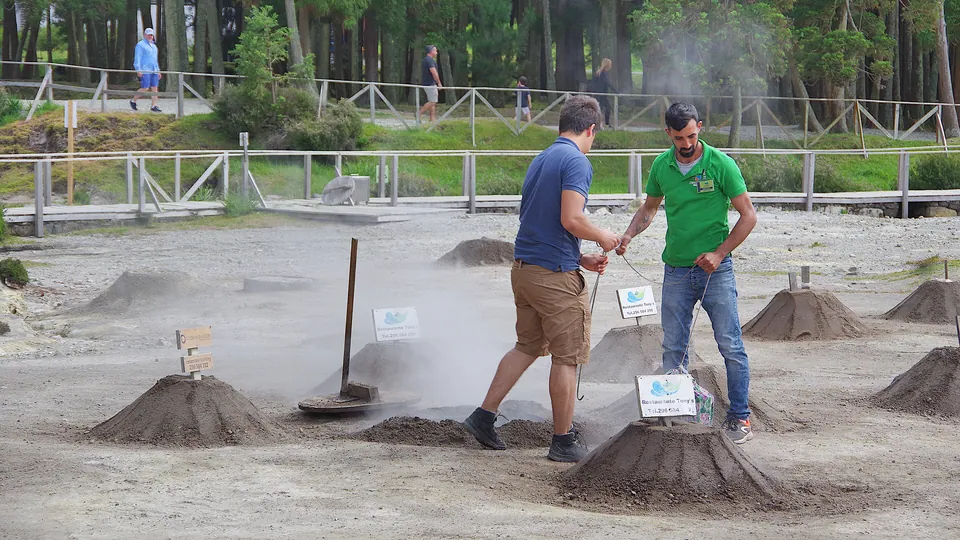
    At Furnas the cozido das Furnas is lowered into a hole in the volcanic soil for five or six hours, and the pits are open to look at while it cooks.

  • Whales and dolphins offshore all year

    Sperm whales are resident and baleen whales pass through in spring, although a boat trip is a sighting attempt rather than a guarantee.

  • Closer than the map suggests

    Around two hours from Lisbon and four from northern Europe, with direct summer services from several European cities.

Where to stay

Best areas in The Azores for families

4 areas cover most trips here; the difference is mainly one base, with somewhere to eat versus surf, tea plantations and quiet.
  • Ponta Delgada

    Best for one base, with somewhere to eat

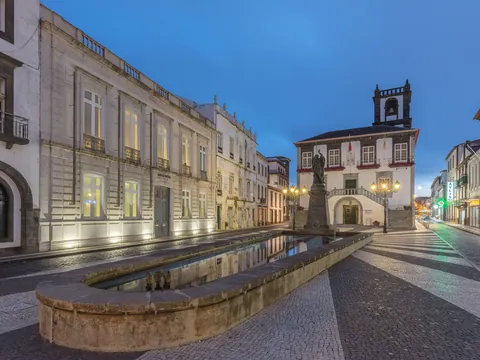
    The island's only real town: the widest choice of accommodation and restaurants, a flat seafront, the whale-watching marina and the tour pick-up points, and the airport about ten minutes away. Swimming here means a built sea-water pool rather than a beach.

  • Furnas

    Best for hot springs and an early start on the caldeiras

    A village inside an active caldera, 45 minutes of winding road from Ponta Delgada, with the steam vents, the lake and the warm bathing parks all within walking distance. It sits in cloud and rain more often than the coast, it smells of sulphur, and only a handful of kitchens serve dinner.

  • Vila Franca do Campo and Água d'Alto

    Best for the closest thing to a beach base

    The sheltered south coast, with one of the island's few stretches of usable dark sand, the offshore islet crater pool, and a position roughly halfway between the two ends of the island.

  • Ribeira Grande and the north coast

    Best for surf, tea plantations and quiet

    Exposed Atlantic beaches of black sand with reliable swell, plus the working tea estates at Gorreana. Bigger surf and colder wind than the south side, and very little open in the evening.

Family hotel picks in The Azores

  • Apartment in central Ponta Delgada
    Ponta DelgadaMid-range

    Apartment in central Ponta Delgada

    Ponta Delgada is the only place on the island with a real choice of restaurants, a supermarket within walking distance and somewhere to go when it rains for a whole day. An apartment adds a kitchen and somewhere to dry wet coats, which matters more in this climate than in most, and the whale boats and tour minibuses both leave from a few minutes' walk away.

    • Kitchen, washing machine and space to dry wet clothes
    • Flat seafront and marina within walking distance
    • Boat trips and guided tours picking up in town
    • Airport around ten minutes away

    Fitting a family in

    Two-bedroom apartments in the converted centre sleep four to five without a rollaway. Confirm which floor the unit is on and whether there is a lift, because a good number of these buildings have neither.

    Watch out. Swimming in town means a built sea-water pool rather than a beach, and every lake, hot spring and viewpoint is a 30 to 60 minute drive, so the car gets used every day regardless. The streets behind the marina are loud at weekends.
  • Guesthouse or thermal-park hotel in the Furnas valley
    FurnasHigher-end

    Guesthouse or thermal-park hotel in the Furnas valley

    Staying in the valley puts the warm pools and the steaming ground within a walk instead of at the end of a 45-minute mountain drive, so the thermal water can be used first thing and again after a wet afternoon. On an island where the weather decides the day, that is the most useful thing a base can offer.

    • Geothermal bathing pools within walking distance
    • The caldeiras, the lake and the botanical gardens all on foot
    • Breakfast usually included
    • Gardens and open space rather than a street frontage

    Fitting a family in

    Family rooms sleeping four exist but there are only a few per property and they go months ahead for July and August. Several of the older guesthouses offer adjoining rooms instead, which is the better arrangement with older children.

    Watch out. The whole village smells of sulphur, which some children mind a great deal. Only a handful of kitchens serve dinner and they stop early, the valley is in cloud and rain more often than the coast, and everything else on the island is at least 45 minutes of winding road away.

  • House or aparthotel on the sheltered south coast
    Vila Franca do Campo / Água d'AltoMid-range

    House or aparthotel on the sheltered south coast

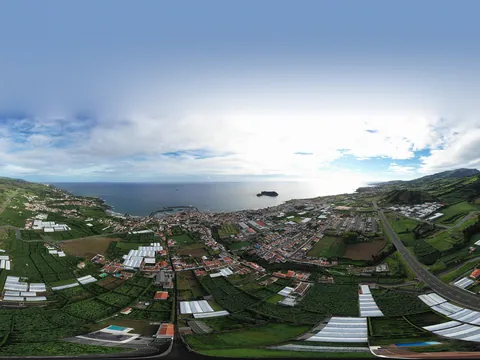
    The south coast is the warmest and least exposed side of São Miguel and holds the island's usable dark-sand beaches, so it is the only base that delivers any part of a conventional beach week. It also sits roughly halfway along the island, which shortens the drive to Sete Cidades in the west and Furnas in the east.

    • One of the island's few swimmable sand beaches within reach
    • Sheltered south-facing coast with less wind and swell
    • Outdoor space, and a pool at many properties
    • Roughly central for driving to either end of the island

    Fitting a family in

    Two- and three-bedroom houses and apartments sleep four to six, are priced per unit rather than per person, and usually come with outdoor space.

    Watch out. The sea is cool Atlantic even in August, and the beaches are small, dark and busy in the peak weeks. The offshore islet crater pool runs a daily visitor cap with tickets released in the morning and closes in swell. Almost nothing is walkable from most addresses, so every meal and supermarket run is a drive.

All family stays in Portugal

Some links on this page are affiliate links. If you book through one, the price is the same for you and we may earn a commission. How this works.

Things to do in The Azores with kids

  • Sete Cidades crater lakes
    Nature

    Sete Cidades crater lakes

    The Azores

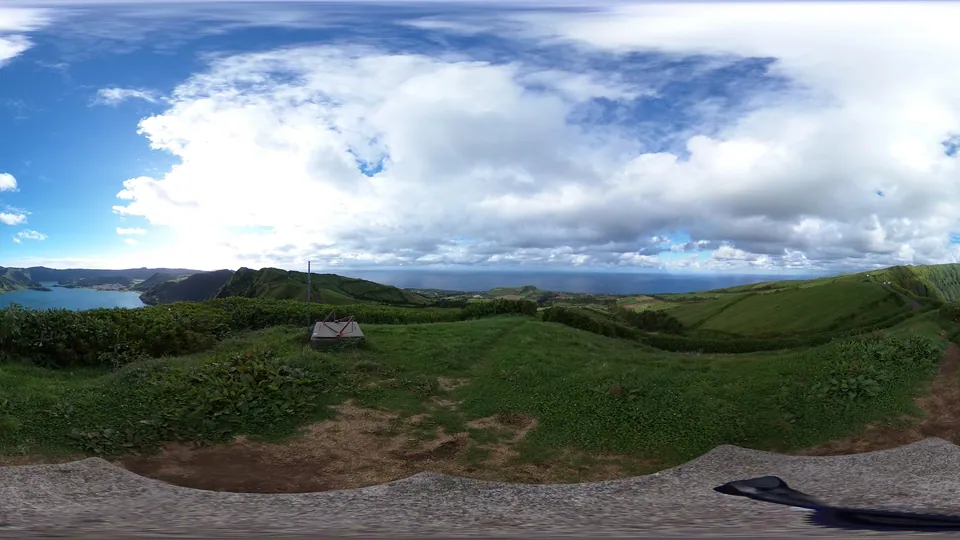
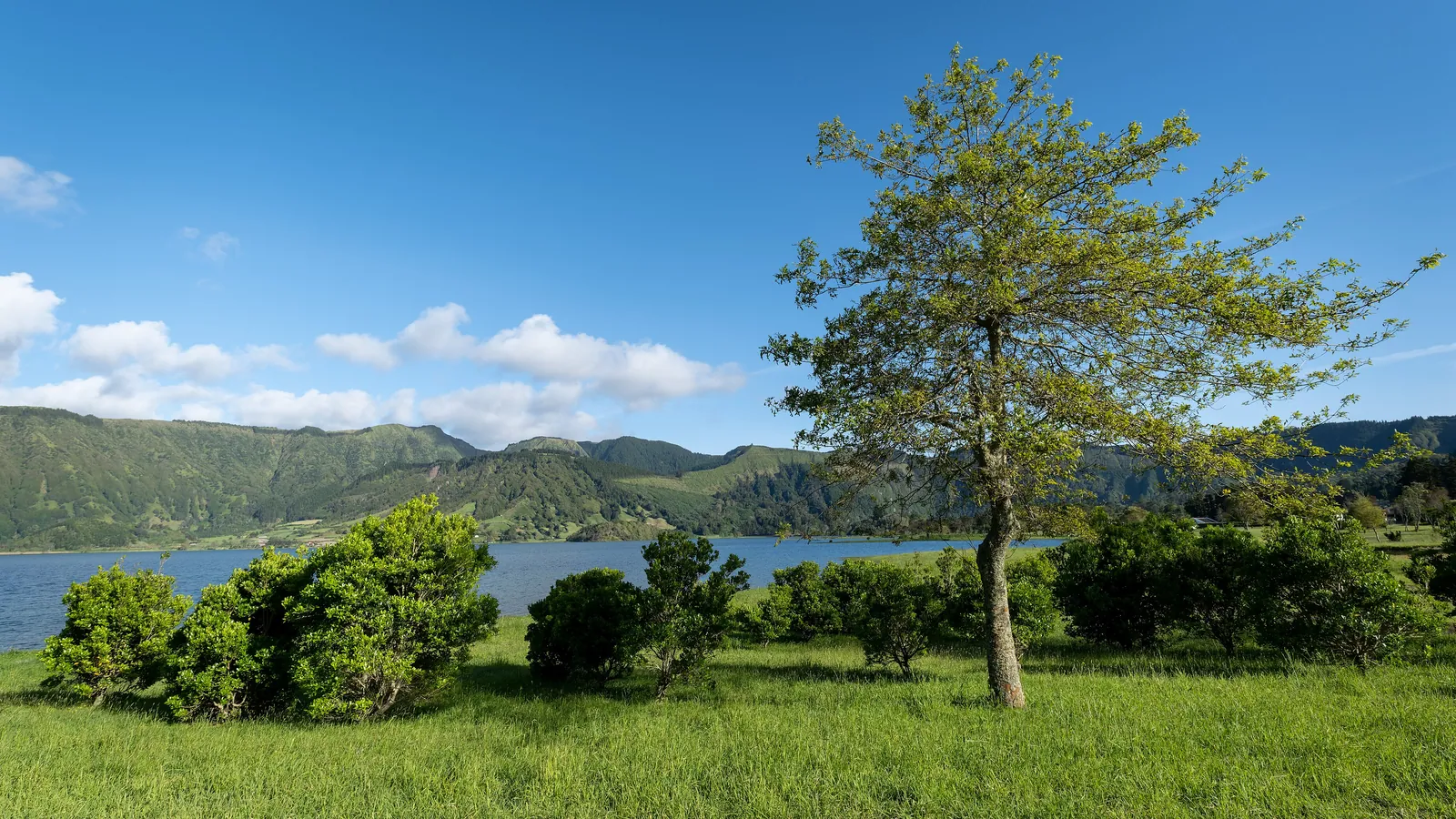
    Twin lakes — one usually reading green and one blue — filling a collapsed volcanic caldera at the western end of São Miguel, with a village on the shore, a road down into the crater and a chain of viewpoints along the rim above it.

    Ages
    4–16
    Time
    2h 30m
    Adult, from
    Free

    Good to know. The rim sits around 500 metres up and spends much of the year inside cloud, so the view is a matter of timing rather than effort. Vista do Rei is roadside and step-free, but the ridge path from it and the abandoned hotel beside it involve unfenced edges and a long drop. The roads down at lake level are narrow, with passing places rather than two lanes.

  • Furnas caldeiras and the cozido pits
    FoodBook ahead

    Furnas caldeiras and the cozido pits

    The Azores

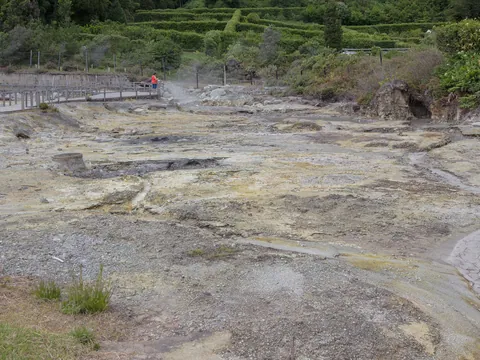
    A field of fumaroles, boiling mud pools and mineral springs in the middle of Furnas village, plus the lakeside pits where restaurants lower pots of cozido stew into the volcanic ground to cook for five or six hours.

    Ages
    5–16
    Time
    2h 30m
    Adult, from
    €25

    Good to know. The vents are boiling water and steam at ground level with low railings or none, and the soil around them is hot — not a place to let a small child run ahead. The sulphur smell is strong enough that some children refuse to eat afterwards. The cozido has to be ordered from a restaurant a day in advance because of the cooking time, and the pots are lifted out late in the morning, which fixes when the visit happens.

  • Terra Nostra Park thermal pool
    Water

    Terra Nostra Park thermal pool

    The Azores

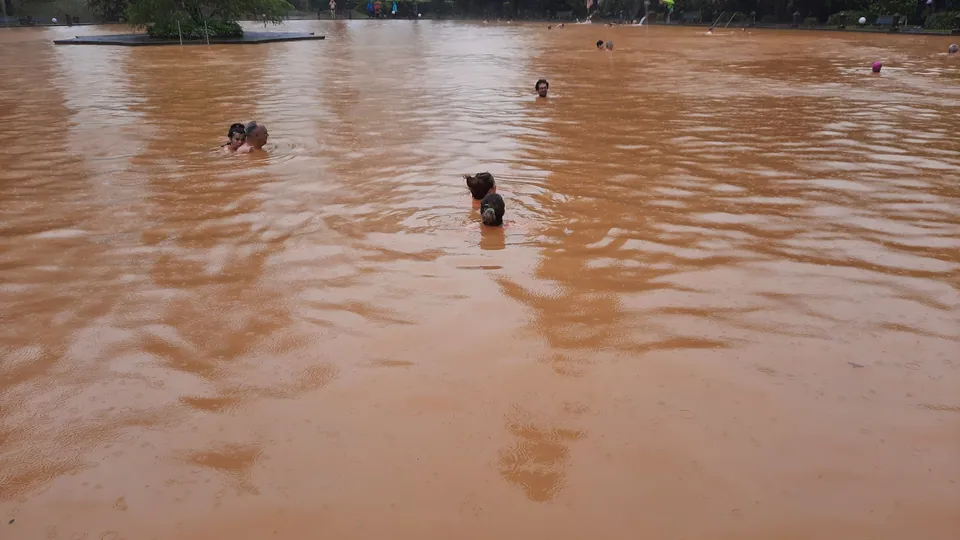
    A large iron-rich thermal pool, opaque ochre in colour and held at roughly body temperature, at the centre of a mature botanical garden in Furnas, with smaller hot pools and shaded paths around it.

    Ages
    3–16
    Time
    3h
    Adult, from
    €10

    Good to know. The water is warm but completely opaque, so a child's footing cannot be seen from the side, and the main pool is deep enough away from the steps that non-swimmers need floats and an adult in the water with them. The iron permanently stains swimwear and can tint fair hair, so an old costume is the right one to pack. The changing rooms and the walk between pools are cold and wet by comparison with the water.

  • Whale and dolphin watching off Ponta Delgada
    AnimalsBook ahead

    Whale and dolphin watching off Ponta Delgada

    The Azores

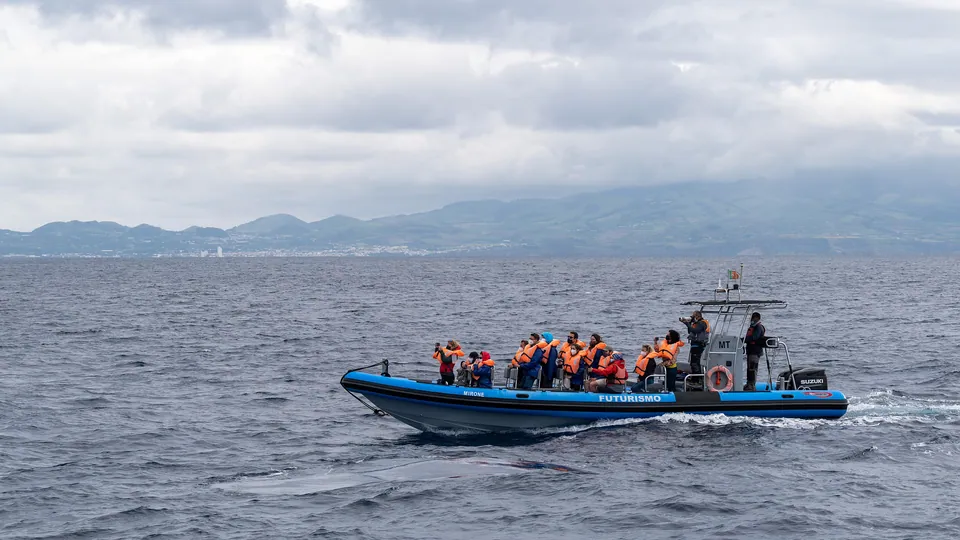
    Boat trips from the south-coast harbours, directed onto animals by shore-based spotters with telescopes, looking for resident sperm whales and several dolphin species year-round and for migrating baleen whales in spring.

    Ages
    6–16
    Time
    3h
    Adult, from
    €60

    Good to know. This is two to three hours on open Atlantic swell with no shelter and no way to cut it short, so seasickness is the constraint that decides whether it works for a family at all. Rigid inflatables are rougher than the catamarans and set their own minimum ages. Trips are cancelled outright in strong wind, and nothing is ever guaranteed to be found — operators normally offer a repeat trip rather than a refund.

Some links on this page are affiliate links. If you book through one, the price is the same for you and we may earn a commission. How this works.

Getting around The Azores

A hire car is the practical answer on São Miguel. The island is about 65 kilometres long, so nothing is far in kilometres, but the roads to the lakes and the north coast are narrow, steep and often in fog, which makes every journey slower than the distance suggests. Buses exist and are cheap, but they are built around school and work hours rather than viewpoints. Guided minibus tours from Ponta Delgada are a genuine substitute for a day or two: the guides know before setting out whether Sete Cidades and Lagoa do Fogo are in cloud, which is information a hire car does not come with. Child seats are required for younger children and have to be reserved with the car rather than assumed at the counter.

The Azores tips for families

  • When to go

    Do not fix the lake day to a date

    Sete Cidades and Lagoa do Fogo sit high enough to spend large parts of the year inside cloud, and it can clear or close in under an hour. Keep the viewpoint drive as the thing that happens on whichever morning looks clear, check the island webcams first, and hold the low-altitude options — the geothermal pools, the tea factory, the covered market in town — for the days it does not lift.

  • Health & safety

    Treat seasickness as a booking decision

    A whale-watching trip is two to three hours on open Atlantic swell with no shelter and no way to get off early. Rigid inflatables are faster and far rougher than the larger catamarans and usually carry a minimum age. Medication needs taking an hour before boarding rather than when someone starts to feel it, and anyone who is unreliable in a car on the mountain roads will not enjoy this boat.

  • Getting around

    Book the car before the accommodation

    Rental stock on an island is finite and sells out for July and August well before the flights do. Automatics are a small share of the fleet, which matters on hairpins in fog, and one child seat per child has to be requested at the time of booking rather than at the desk.

  • Packing

    Pack a waterproof and a swimsuit for the same day

    Four seasons in an afternoon is the normal pattern here rather than the exception, so a rain jacket travels in the day bag alongside the towels. Take an old swimsuit as well: the iron-rich water at Terra Nostra is opaque orange and stains light fabric permanently.

The Azores with kids: common questions

Which Azores island suits families best?
São Miguel, for a first visit. It has the main airport, the crater lakes, the hot springs, the whale boats and the only town with a real choice of restaurants, so a week works without an inter-island flight or ferry. The smaller islands are quieter and more dramatic, and they add a transfer day at each end.
Can you swim in the sea in the Azores?
Yes, but it is a cool Atlantic rather than a warm one — roughly 18 to 23 degrees at the height of summer and less outside it. There are only a handful of usable beaches and the sand is black volcanic grit. Most families end up doing their swimming in the geothermal pools and the built sea-water lidos instead.
Do you need a car on São Miguel?
For anything beyond Ponta Delgada, effectively yes. Buses run on local timetables that do not serve viewpoints, and the lakes, Furnas and the north coast are all 30 to 60 minutes apart by road. A car-free week is possible using guided minibus tours, which also removes the fog driving.
Is whale watching suitable for children?
From around six on the larger, slower boats, and older on the rigid inflatables, which set their own minimum ages. It is open ocean with real swell, so seasickness is the main constraint. Nothing is ever promised — when no animals are found, operators generally offer a repeat trip rather than a refund.
When is the best time to visit the Azores with kids?
June to September is the warmest and driest stretch, with the best sea temperatures in August and September and the heaviest crowds in July. Spring adds the migrating baleen whales and far fewer visitors. No month is reliably dry, and the difference between two consecutive hours here is often larger than the difference between two seasons.