Skip to content

Dublin with Kids

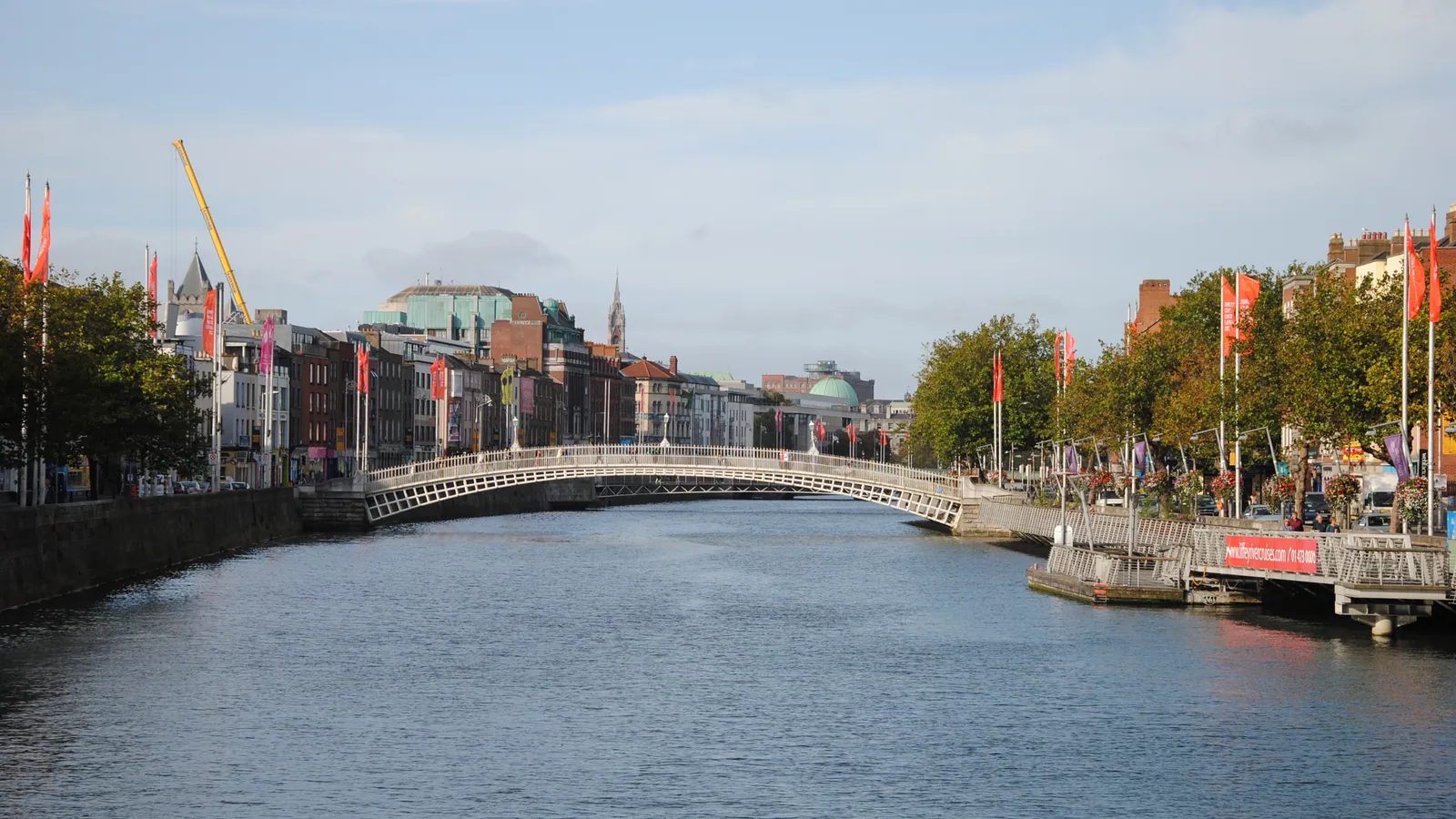
Dublin is a small capital, and that is most of what makes it work with children: the walk from the quays through Trinity College to St Stephen's Green takes an afternoon, and the national museums strung along that line charge nothing for general entry. On the western edge sits Phoenix Park, one of the largest enclosed city parks in Europe, with a wild fallow deer herd and Dublin Zoo inside it, and on the eastern edge the DART railway runs along the bay to harbour villages and cliff paths in under half an hour. Between them, a wet day and a fine day can both be planned properly rather than improvised. The trade-offs are accommodation, which is expensive for what it is and genuinely short on family rooms, and the central pub district, which is loud and heavily drink-led from late afternoon onwards.

Best for ages
2+
Suggested stay
2–4 days
Best months
Apr–Oct
Daily budget
€310

Mid-range, family of four

Why Dublin works with children

  • The national museums are free

    General entry to the National Museum of Ireland's branches, the National Gallery and the Chester Beatty costs nothing, so a rainy day costs the price of transport and lunch.

  • A 700-hectare park inside the city

    Phoenix Park holds the zoo, playgrounds, a walled Victorian flower garden and a free-roaming deer herd, and is reachable on the tram from the centre.

  • The coastal railway is the day out

    The DART runs north to Howth and south to Dún Laoghaire and Bray in 25–40 minutes, putting a cliff path, a pier or a beach at the end of a single train ride.

  • One day can cover a wide age gap

    Preserved bog bodies and a Viking gallery for older children sit a few stops from a zoo and a playground, so a group with a seven and a fourteen-year-old does not have to split up.

Where to stay

Best areas in Dublin for families

4 areas cover most trips here; the difference is mainly museum-led first visits versus space, sea air and a rental car.
  • St Stephen's Green & Merrion Square

    Best for museum-led first visits

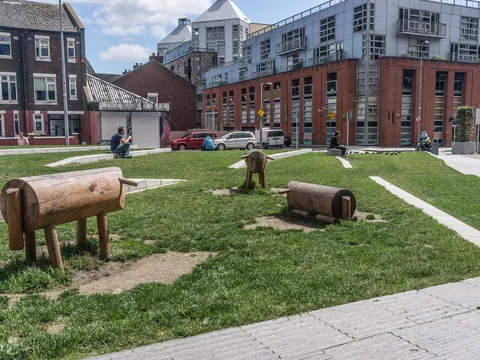
    Georgian squares with playgrounds in them, the Kildare Street and Merrion Square museums a few minutes' walk apart, and quiet streets after dark. The highest nightly rates in the city, and rooms are small for the money.

  • Temple Bar & the south quays

    Best for short stays that want to walk everywhere

    Almost everything central is within a 15-minute walk, with the river as the spine. The cobbled lanes are hard work with a pushchair, and the bars are loud and drink-led from late afternoon until well after midnight.

  • Smithfield & Stoneybatter

    Best for self-catering and phoenix park

    The best apartment stock for a family, with supermarkets rather than tourist cafés and the Luas red line into the centre. Phoenix Park and the zoo are a 15–20 minute walk, and some blocks between here and the north quays back onto nightlife.

  • Dún Laoghaire & Sandycove

    Best for space, sea air and a rental car

    A Victorian seafront town on the DART with two long piers to walk, sea-swimming spots and parking that no central area offers. The cost is 20–25 minutes of train each way and a thinner evening service.

Family hotel picks in Dublin

  • Apartment in Smithfield or Stoneybatter
    Smithfield / StoneybatterMid-range

    Apartment in Smithfield or Stoneybatter

    A two-bedroom apartment on this side of the river costs less than two central hotel rooms and adds a kitchen and a washing machine, which is what makes several days in an expensive city affordable rather than merely possible. Phoenix Park and the zoo are a walk away rather than a journey.

    • Kitchen and washing machine
    • Luas red line into the centre in under ten minutes
    • Phoenix Park and the zoo within a 15–20 minute walk
    • Supermarkets rather than tourist-priced cafés

    Fitting a family in

    Two-bedroom apartments sleep four to five without a rollaway, and sofa beds in the living area are common for a fifth.

    Watch out. The tram is the only quick link to the south side, so museum days start with a transfer, and the blocks between here and the north quays are patchy — some back onto late-night premises. On-street parking is scarce and mostly permit-only.

  • Family rooms around the Georgian squares
    St Stephen's Green / Merrion SquareHigher-end

    Family rooms around the Georgian squares

    The free national museums, the National Gallery and two large parks with playgrounds are all within a ten-minute walk, which removes the transport leg from the best days of a Dublin trip and makes an afternoon back at the room realistic rather than an hour of travelling.

    • Walking distance to the Kildare Street and Merrion Square museums
    • Two parks with playgrounds at either end of the area
    • Quiet residential streets after dark
    • Airport buses stop within a few minutes' walk

    Fitting a family in

    Much of the stock is converted Georgian townhouses where a family room sleeps four in one fairly tight space. Interconnecting rooms suit five better and should be confirmed in writing rather than requested on arrival.

    Watch out. This is the most expensive part of the city and the rooms are small for the price. Townhouse conversions typically have several flights of stairs and either a very small lift or none, which is a real problem with a pushchair and luggage.

  • Guesthouse on the DART line at Dún Laoghaire
    Dún Laoghaire / SandycoveMid-range

    Guesthouse on the DART line at Dún Laoghaire

    A seafront town with two long piers, sea-swimming spots and playgrounds gives children somewhere to run before dinner, which no central location does, and the rates are lower for more space. Parking is straightforward, which matters on the day the rental car arrives.

    • DART into the city centre in 20–25 minutes
    • Piers, seafront walks and a public park
    • Cooked breakfast usually included in the rate
    • Parking at or near most properties

    Fitting a family in

    Guesthouses here often have genuine triple and quad rooms in older seafront houses, which are rarer and dearer in the centre.

    Watch out. Every sightseeing day begins and ends with a train, and DART frequency drops in the evening with earlier last services than the city's nightlife assumes. Seafront rooms take the full brunt of wind and gulls, and some older houses have steep stairs and no lift.

All family stays in Ireland

Some links on this page are affiliate links. If you book through one, the price is the same for you and we may earn a commission. How this works.

Things to do in Dublin with kids

  • Dublin Zoo
    AnimalsBook ahead

    Dublin Zoo

    Dublin

    A large zoo inside Phoenix Park, laid out as habitat areas with an African savanna section, an Asian forest with elephants, and a separate small-animal area aimed at younger children.

    Ages
    1–14
    Time
    4h
    Adult, from
    €24

    Good to know. Timed entry slots sell out on fine weekends and through school holidays, and the online price is lower than the gate. The site is almost entirely outdoors with two or three kilometres of walking and few sheltered buildings, so it is the one Dublin plan a wet forecast should move rather than keep.

  • National Museum of Ireland – Archaeology
    Museum

    National Museum of Ireland – Archaeology

    Dublin

    A free museum on Kildare Street holding Iron Age bog bodies, Viking-era finds from the Dublin excavations, and the best-known pieces of early Irish metalwork including the Tara Brooch.

    Ages
    6–16
    Time
    1h 30m
    Adult, from
    Free

    Good to know. The bog bodies are genuinely preserved human remains, displayed frankly, and some children find them distressing — the gallery is arranged so it can be skipped. The building is Victorian, with the upper galleries reached by stairs and lift access more limited than in a modern museum.

  • Phoenix Park
    Nature

    Phoenix Park

    Dublin

    One of the largest enclosed city parks in Europe at around 700 hectares, holding a free-roaming fallow deer herd, playgrounds, a walled Victorian flower garden, a visitor centre and the zoo.

    Ages
    0–16
    Time
    3h
    Adult, from
    Free

    Good to know. The scale is the catch: two to three kilometres separate the main gate, the zoo and the deer pastures, so a visit needs a plan or a bike rather than a wander. The deer are wild animals that should not be approached or fed, and there is very little shelter anywhere in the park when the weather turns.

  • Howth cliff path and harbour
    Nature

    Howth cliff path and harbour

    Dublin

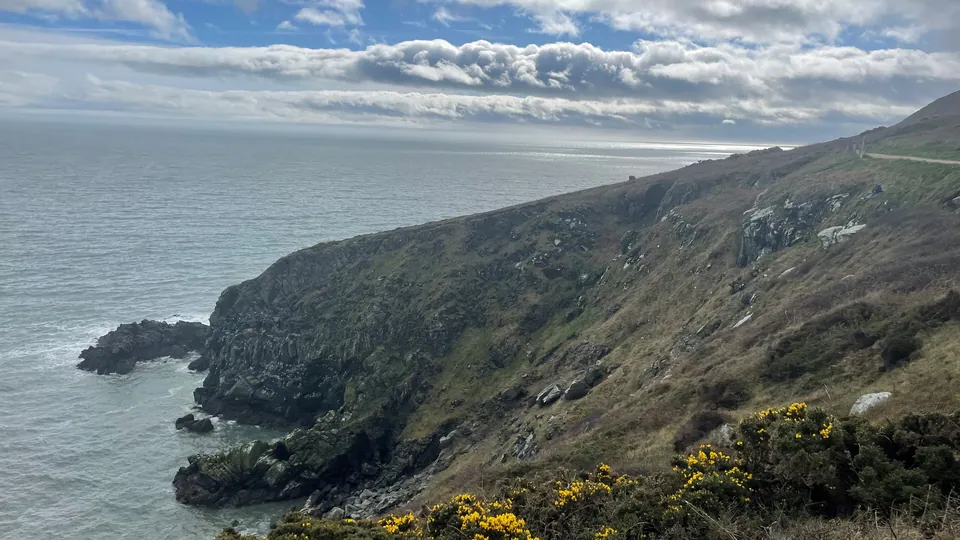
    A fishing harbour and headland at the northern end of the DART line, with a waymarked coastal path above the sea, seals around the pier and fish restaurants along the front.

    Ages
    6–16
    Time
    3h
    Adult, from
    Free

    Good to know. The cliff path is unfenced above steep drops and is not viable with a pushchair; the shortest waymarked loop is around six kilometres on uneven ground. It is fully exposed to wind off the sea, and the harbour and village work perfectly well as a shorter substitute when the weather rules the path out.

Some links on this page are affiliate links. If you book through one, the price is the same for you and we may earn a commission. How this works.

Getting around Dublin

The centre is flat and compact, so most days are walked. For the rest, a Leap Card is the mechanism: it works on Dublin Bus, both Luas tram lines, the DART and commuter rail, and a 90-minute fare covers several legs on one charge, which suits a family hopping from bus to tram. A visitor version sells unlimited travel by the day for anyone who would rather not do the sums. Children under five travel free and older children pay a reduced fare. Two things to know before relying on the network: the two tram lines do not interchange usefully, so a cross-city trip is often quicker walked, and there is no rail link to the airport — buses are the only option and take 30–45 minutes.

Dublin tips for families

  • Money & costs

    Build the days around the free museums

    General admission to the National Museum's branches, the National Gallery and the Chester Beatty is free and normally needs no ticket, though a free timed slot is worth reserving in school holidays. Temporary exhibitions are ticketed separately, so check which part of a building is actually free before promising it.

  • Getting around

    Collect the rental car on the way out of the city

    Nothing in Dublin needs a car, central parking is expensive and the one-way system around the quays is unforgiving for a driver new to keeping left. Picking the car up on the morning the trip heads west saves several days of parking and avoids a first drive in the worst traffic in the country.

  • With kids

    Treat the pub quarter as an afternoon, not an evening

    Temple Bar's lanes are pleasant and quiet in the morning and heavily drink-led by early evening. Children are also generally required to leave licensed premises by 21:00, a little later in summer, so a pub meal here is an early plan by law as well as by preference.

  • When to go

    Book the zoo online and the family room early

    Dublin Zoo sells timed slots that go early on fine weekends and through school holidays, and costs less booked in advance than at the gate. Genuine family rooms are scarce across the city and are the first thing to disappear for summer weekends.

Dublin with kids: common questions

How many days do you need in Dublin with kids?
Two to three. That covers two of the free museums properly, a day in Phoenix Park with the zoo, and one DART trip to the coast, without the pace that makes children refuse to walk.
Is Dublin walkable with a pushchair?
Largely yes — the centre is flat and the distances are short. The exceptions are the cobbled lanes around Temple Bar and Dublin Castle, which are hard going. Buses and trams are step-free, while some older DART stations still involve a footbridge.
What is free to do in Dublin with children?
The National Museum of Ireland's branches, the National Gallery and the Chester Beatty all have free general admission, and Phoenix Park, St Stephen's Green, Merrion Square's playground and the Howth and Dún Laoghaire coastal walks cost nothing beyond the fare to reach them.
Do you need a car in Dublin?
No, and it is an active disadvantage. The centre is walkable, the Leap Card covers everything else, and central parking is expensive. A car is worth collecting only on the day the trip leaves the city.
What is there to do in Dublin in the rain?
Dublin is the one place in the country where a full day of rain changes nothing: the free national museums are large and indoor, and the public library, the aquarium at Bray on the DART line and the city's pools cover the rest. The zoo is the plan that a wet day does spoil.